Gas here costs more to burn
Colorado homes paid $10.09 per million Btu of natural gas in 2024. A furnace that wastes less of that gas feels different on a bill than one that doesn't, month after month.
Takes about a minute. No obligation.
Colorado homes paid $10.09 per million Btu of natural gas in 2024. A furnace that wastes less of that gas feels different on a bill than one that doesn't, month after month.
At that price per Btu, a furnace's efficiency rating tells you how much of what you pay for actually turns into heat in the house instead of going out the flue. Ask for the rating on any unit before deciding.
NOAA nClimDiv, 1991–2020 normals
Gas furnaces already heat most homes in Eagle County.
A gas furnace going back in here isn't a gamble, it's what the house next door probably has too.



Gypsum sits in climate zone 6B, and any furnace going in has to clear the efficiency floor that comes with that. Right now the minimum is 80.0 percent AFUE for non-weatherized gas furnaces. That floor is set to rise to 95.0 percent for units built from December 2028 on. A furnace bought before then still only has to meet the lower number. Ask where the unit you're looking at falls against both.
Power costs more here, so an efficient system pays you back on every bill.
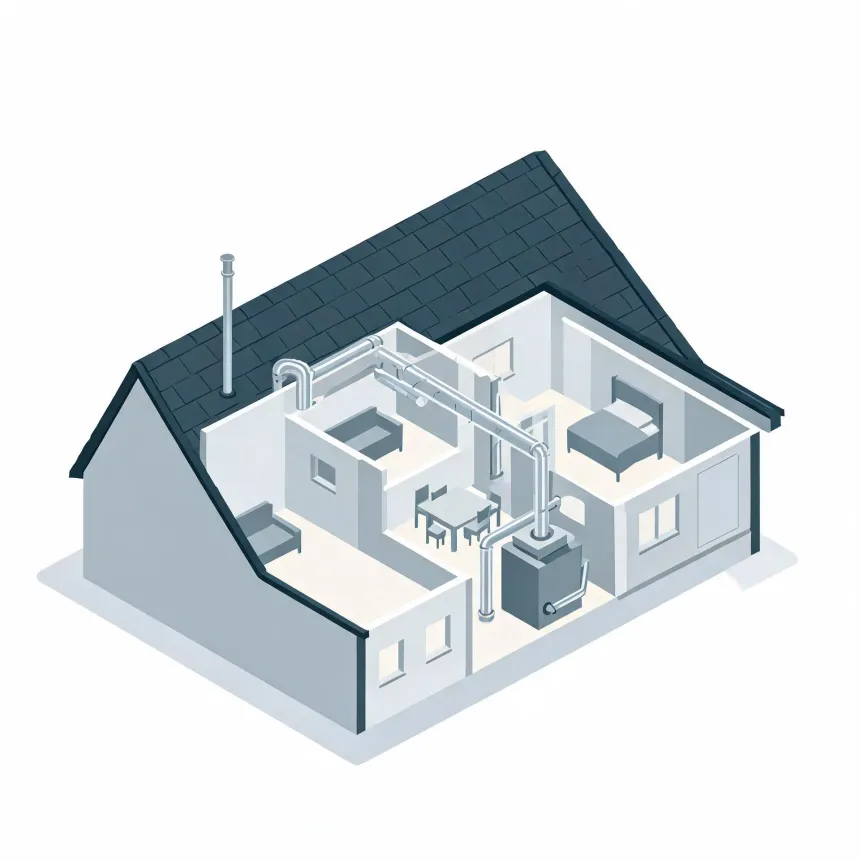
Find a contractorThe cost of putting in a furnace comes down to what has to change, not just what gets bolted in. A straight swap, same spot, same vent, same gas line, same ductwork, is the simplest job there is. Move the unit, resize the ducts, swap the vent type, or run new gas line, and each of those adds its own labor and material on top of the furnace itself. The size of the furnace matters too. Too small and it runs constantly trying to keep up. Too big and it short-cycles, turning on and off faster than it should, which wears out parts sooner. Getting that size right takes a look at the house itself, not a guess. Higher efficiency units cost more up front. They carry a second heat exchanger and need a different kind of venting, since the exhaust runs cooler than it does on a standard furnace. That's more to install correctly, and installing it wrong costs more later than it saved going in.
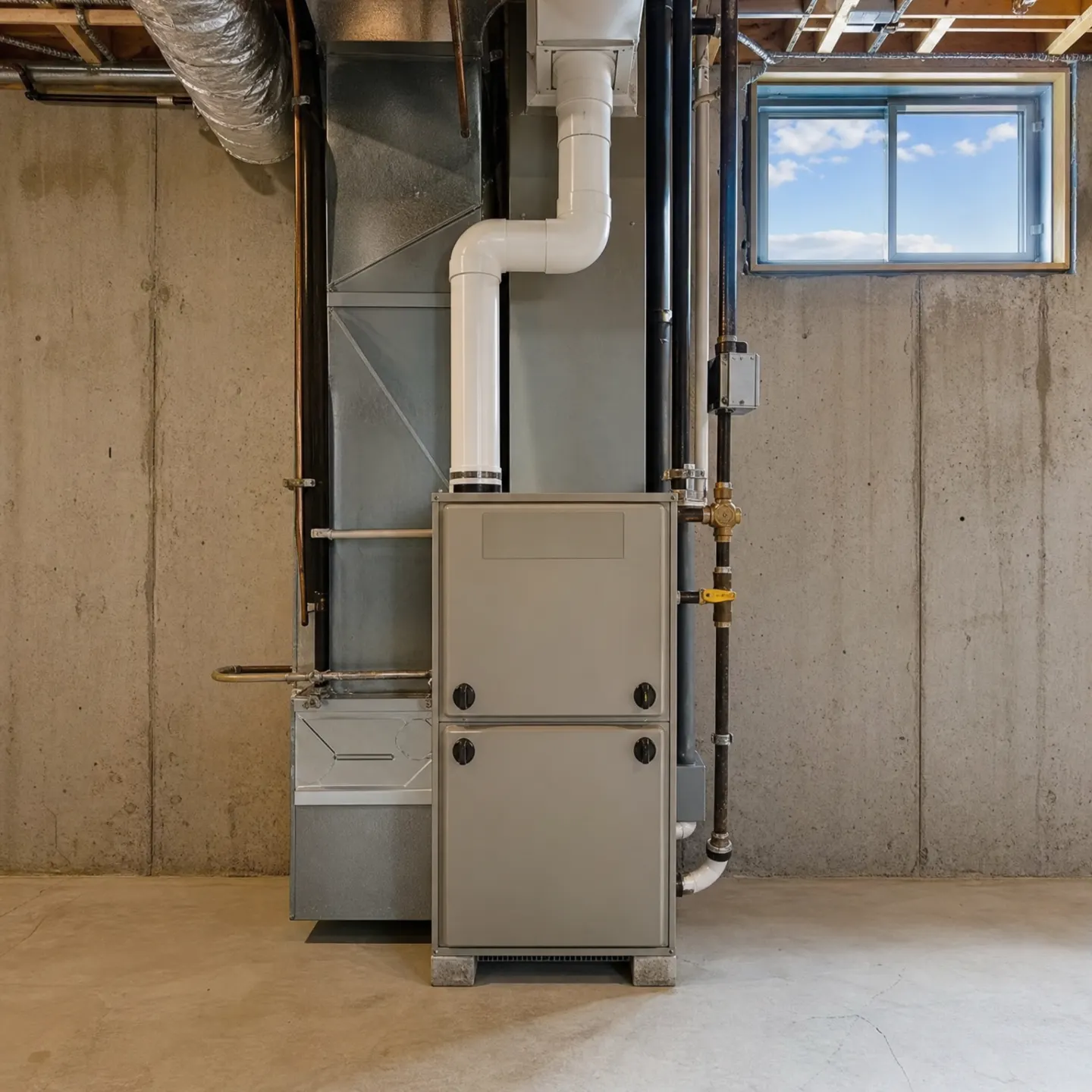
A gas furnace doesn't get left in place when a new one goes in. The old heat exchanger, burners and blower come out, the gas line gets capped or reconnected to the new unit, and the old vent connection gets sealed or redone to match what the new furnace needs. If the new furnace vents differently than the old one did, that old vent gets closed off properly so it isn't left open to the outside.
A furnace is mostly steel, and steel gets recycled rather than landfilled. Whoever hauls it out typically takes it to a scrap yard that strips the metal from whatever wiring and insulation won't recycle. None of that is the homeowner's job to arrange. It should already be part of the installation, not something billed separately or left for you to haul to the curb.
Estimates for a typical Eagle County home, from EIA household energy data, Colorado fuel prices and NOAA climate normals. Your home will differ.
The old furnace comes out first, and that part goes fast. What takes the time is everything around it. New venting if the new unit needs it. A check that the gas line matches the new furnace's input. Ductwork connected the way it's supposed to be, not just hooked back up. Once the new unit is set, it gets fired up and watched. That means checking the flame, checking the temperature rise across the heat exchanger, and making sure the blower is moving enough air. A furnace that's never been tested under load is still a guess, not a finished job. Expect the house to be without heat for part of the day while this happens, and expect some noise. By the end, someone should walk through the thermostat with you and say what the first few weeks of running it should look and sound like.