



A stack of split firewood along the base of a black vertical-board building wall, with a gravel path, dry grass, and pine trees under an overcast sky.

Furnace Installation in Durango, CO

Tell us about the job

Takes about a minute. No obligation.

Step 1 of 3: Equipment

Utility gas heats 47.0% of homes in La Plata County, more than any other fuel. Add in bottled or LP gas at 24.8% and most homes here are already set up to burn gas for heat. If that's what your house has now, replacing the furnace with another gas unit is usually the straightforward path. The installer sizes the new furnace to your house and connects it to the gas line and venting already there, rather than adding anything new. Electric heat is far less common here, so switching away from gas is more the exception than the rule.

10 months
September through June, your furnace is on duty
16°F
the average winter night it heats against
80% AFUE
the federal minimum any new unit must meet
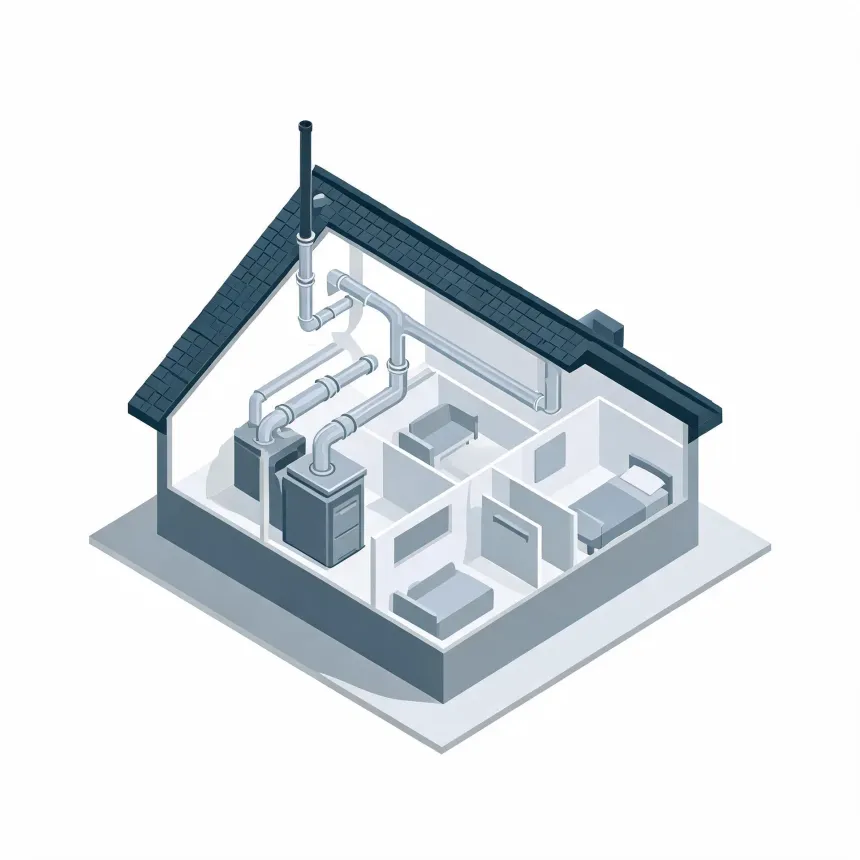
Isometric illustration of a cutaway house showing a furnace unit with ductwork and a flue pipe running through the interior rooms, which contain simple furniture.
Your furnace works hardest from November through April.

NOAA nClimDiv, 1991–2020 normals

Your furnace in Durango runs from September through June, with overnight lows averaging 16°F in December and January.

A furnace sized for an easier climate will fall behind here, so get the sizing right for this house before you decide on a unit.

A furnace sized right for this cold doesn't need to be special

Heat runs September through June
Winter nights average 16°F
128 winter storms from 2015 to 2024
Winter storms hit this county 128 timesBetween 2015 and 2024, winter storms hit La Plata County 128 times. That is weather for the furnace to run through, not a reason to size it differently.

August is the month to get this done. Heat comes on in September here and runs clear through June, so there's no slow season to fall back on once the old furnace quits. Scheduling the install before the weather turns means the installer isn't rushing to get heat back on in a house that needs it that night, and you're not picking a unit under pressure. Ten months of runtime a year is hard on a furnace, and if yours is getting old, it's worth replacing on your terms rather than waiting for it to fail once it's already cold.

Size it for how hard it works here

A new system here will work harder than most, every year. Size it right and don't buy on price alone.

Find a contractor
A man in a dark cap, navy T-shirt and tan work pants, seen from behind, carries a canvas tool bag up porch steps toward a dark blue front door, with a potted shrub in a blue planter to the right.
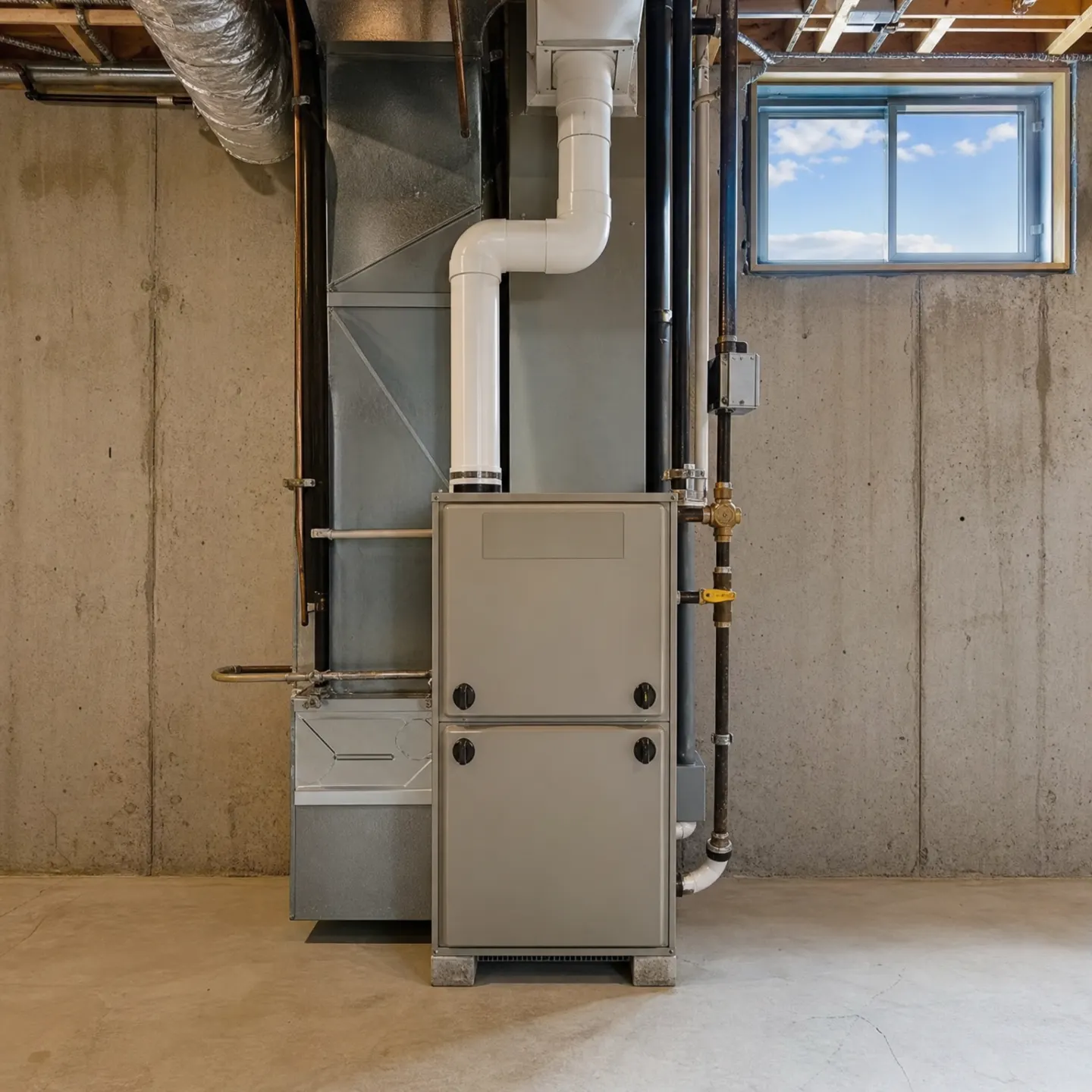
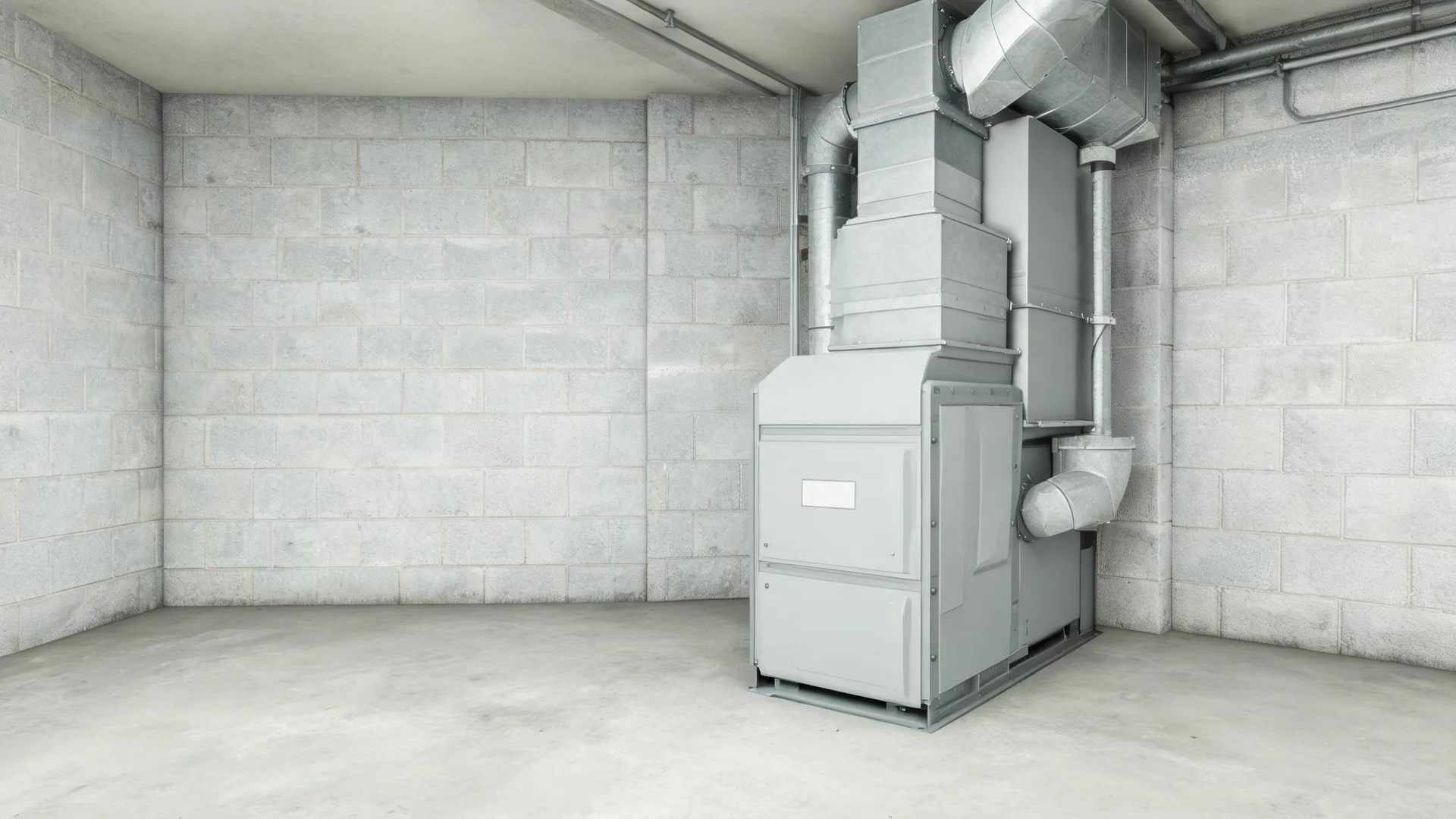
A gray gas furnace with attached ductwork and piping installed in an unfinished concrete basement.

Ten months of runtime starts with getting the size right

Getting the size right means an installer works out a load calculation for this house, a room-by-room count of what it takes to hold 16°F nights off, not a guess based on square footage alone. Skip that step and you end up with a furnace that strains every night from December through February, or one that short-cycles in the shoulder months because it's too big. Ask to see the load calculation before you settle on a unit.

Bigger isn't a safety margin

An oversized furnace heats the house fast, shuts off, then starts again soon after. That short cycling keeps the heat exchanger from ever reaching a steady temperature, and it's the starts and stops that wear out an igniter or a blower motor, not the running.

The math is room by room

A load calculation works out how much heat escapes through the walls, windows and ceiling of each room, then adds that up for the whole house. A house with more window area or a layout that loses heat faster needs a different furnace than one just like it on paper, and square footage alone can't tell you that.

A gray forced-air furnace with sheet-metal ductwork stands in an unfinished basement with exposed wooden joists, concrete walls, and a hanging incandescent bulb.

A high-efficiency gas furnace would save about $100 a year to run in La Plata County compared with a gas furnace.

  • A high-efficiency gas furnace$470 a year
  • A gas furnace$570 a year

Estimates for a typical La Plata County home, from EIA household energy data, Colorado fuel prices and NOAA climate normals. Your home will differ.

Installation day starts before the crew touches the old furnace. They'll size up the space, check the clearances, and make sure the new unit can actually fit where the old one sat, or where you want it instead. Expect the gas to be shut off and the old furnace disconnected first, then pulled out. The new furnace gets set, leveled, and connected to the gas line, the vent, and the ductwork. Every joint and connection gets checked for gas leaks before anything runs. Once it's hooked up, the installer fires it and runs it through a full cycle, checking the flame, the airflow at the vents, and the temperature rise, before calling it done.