


A twilight street scene featuring illuminated timber-frame and stone houses with a mountain range visible in the background.

Furnace Installation in Rifle, CO

Tell us about the job

Takes about a minute. No obligation.

Step 1 of 3: Equipment

Utility gas heats 64.8% of the occupied homes in Garfield County, more than electricity and LP gas combined. If your old furnace burns gas, a new one almost certainly will too. The gas line, the vent and the spot in the house built around it are already set up for that fuel, so matching it is usually the straighter path compared to switching to electric heat. Where a furnace still makes sense for the house, the decision is mostly about size and efficiency, not which fuel to pick.

10 months
September through June, your furnace is on duty
16°F
the average winter night it heats against
65%
of homes here heat with gas, so most furnaces here burn gas
80% AFUE
the federal minimum any new unit must meet
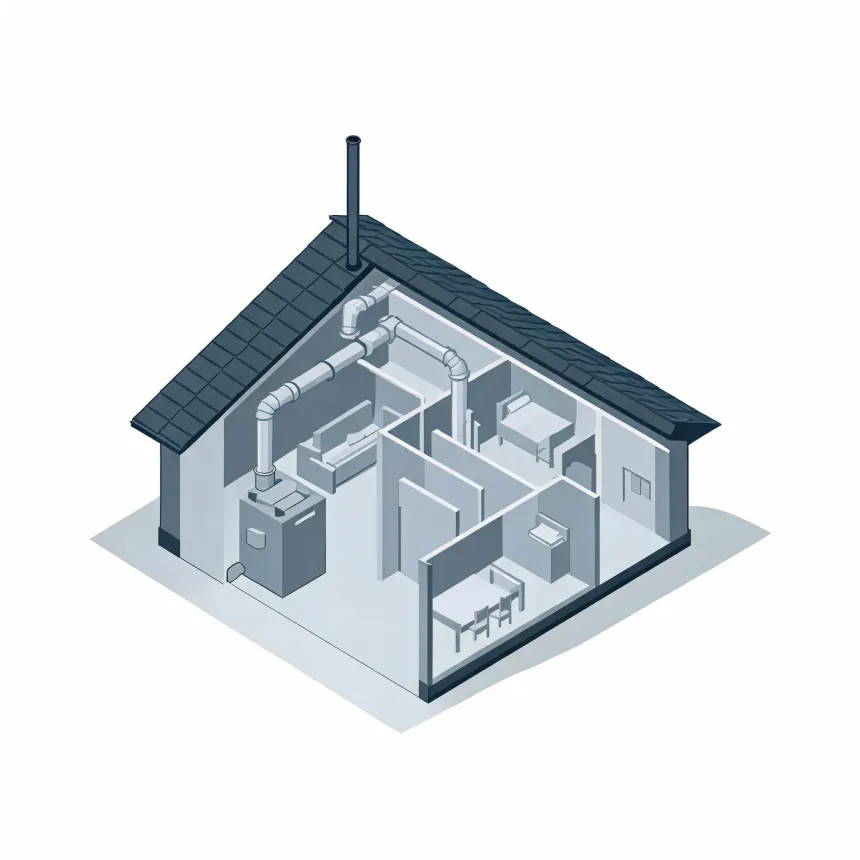
Isometric cutaway illustration of a small single-story house showing interior rooms with furniture, a furnace unit with attached ductwork running to a roof flue, and a dark shingled roof.
Your furnace works hardest from October through April.

NOAA nClimDiv, 1991–2020 normals

Natural gas ran Colorado homes $10.09 per million Btu in 2024.

A standard-size, standard-efficiency furnace is sized to that cost, nothing in Rifle pushes you toward bigger or pricier.

Ten months of heat a year, down to 16°F, through 258 winter storms

Heat runs September through June
Winter nights average 16°F
258 winter storms from 2015 to 2024

Furnace here runs from September through June, about ten months a year. That leaves August as the one month you can count on it sitting idle. Replacing it then means no space heaters while you wait on a part, no choosing a system in a rush because the old one quit on the first cold night. A contractor can take the time to size it right and check the ductwork and venting before anything is hooked up, instead of working around a family that already has no heat. By September it's just on, doing its job for the next ten months.

Go with the standard fit

A standard size and efficiency fit fine here. There's no local reason to go bigger or pricier.

Find a contractor
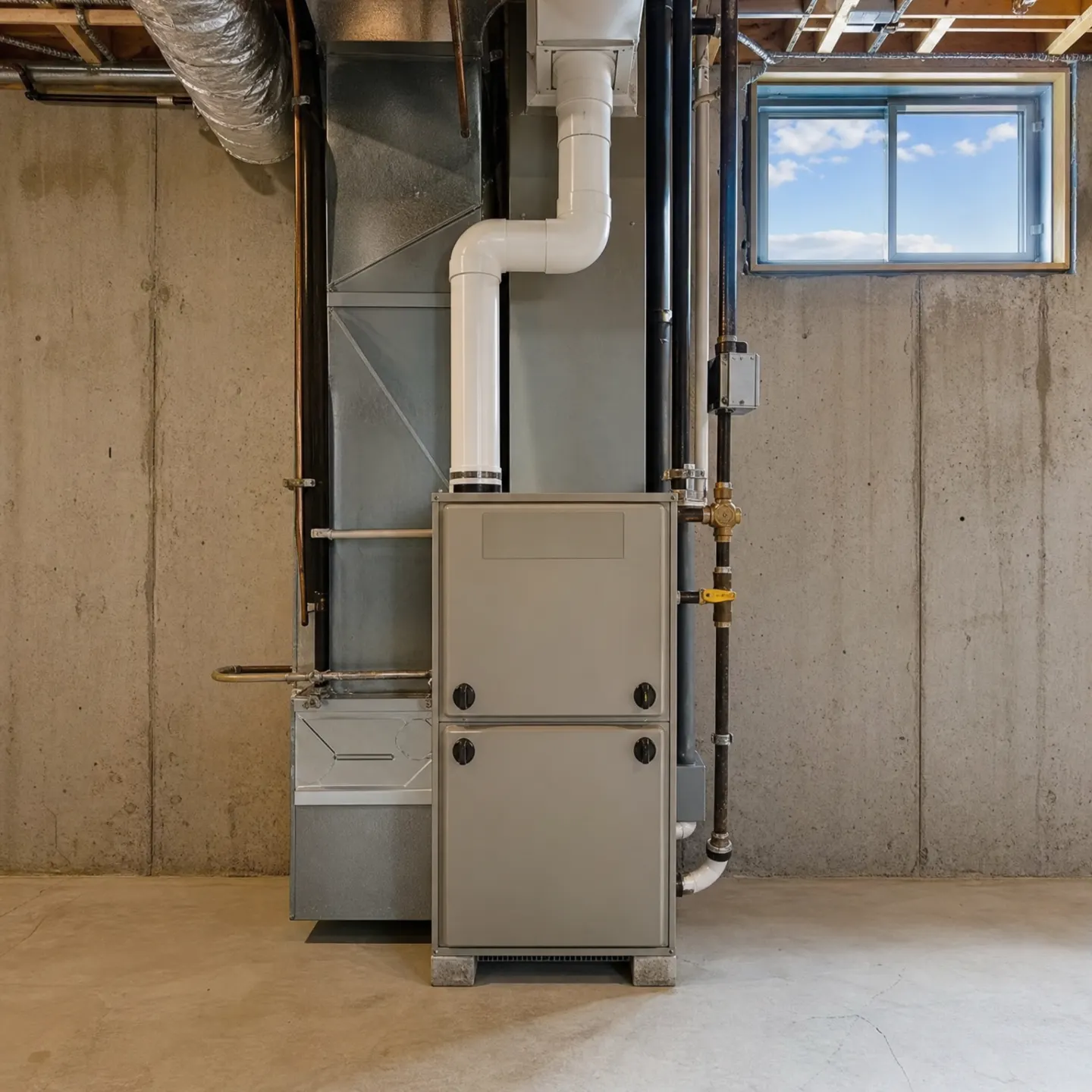
A gray gas furnace with attached ductwork and piping installed in an unfinished concrete basement.

Ten months a year means it has to be sized for this house, not guessed at

Ten months a year is most of the year, and a furnace running that long has to be sized for this house, not whatever the last one happened to be. Too small and it runs flat out trying to hold the place through those 16°F nights. Too big and it short cycles, kicking on and off instead of running steady. Either way the parts wear sooner than they should. A contractor who measures the house before quoting a size is doing the part of the job that actually matters here.

The size comes from a heat loss calculation, not the old unit's rating

A contractor works out furnace size by measuring the house. Square footage, window area, insulation, ceiling height, how many exterior walls each room has. All of that gets run together into a heat loss number, the amount of heat the house sheds on the coldest expected night. The furnace gets matched to that number. Going by the nameplate on the old unit, or guessing based on its age, skips the parts of the house that actually decide how much heat it needs.

Oversized and undersized both wear the system out faster

A furnace too big for the house heats it fast, shuts off, then starts again a few minutes later. That short cycling puts more wear on the igniter and blower motor than steady running does, and rooms farther from the furnace end up colder than the ones nearby. A furnace too small never gets ahead of the cold. It runs long stretches at full output and still struggles on the coldest nights. Either way the parts work harder than they should for the life of the system.

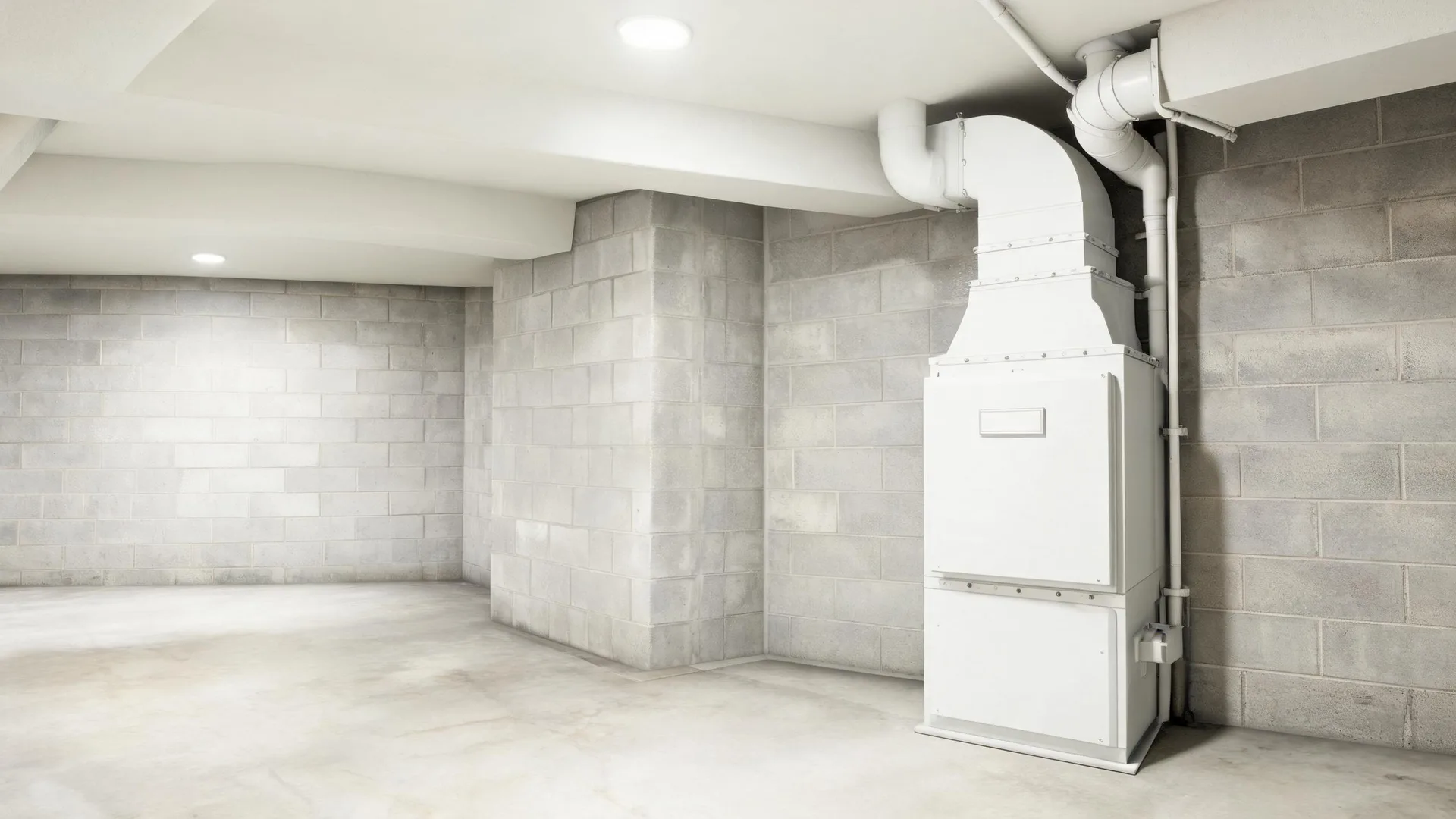
An unfinished basement containing a gray HVAC furnace with ductwork, exposed wooden joists, a concrete floor, and miscellaneous clutter in one corner.

A high-efficiency gas furnace would save about $110 a year to run in Garfield County compared with a gas furnace.

  • A high-efficiency gas furnace$500 a year
  • A gas furnace$610 a year

Estimates for a typical Garfield County home, from EIA household energy data, Colorado fuel prices and NOAA climate normals. Your home will differ.

Installation day starts with the old furnace coming out, along with whatever venting and ductwork connections won't work with the new one. The gas line gets connected, the vent run goes in to match the new furnace's venting type, and the ductwork gets tied in, sometimes with modifications if the new unit's a different size than the old one. Once it's hooked up, a contractor fires it and checks gas pressure, checks the temperature rise across the heat exchanger, and watches it cycle at least once before calling it done. That last check matters as much as the install itself. A furnace that's wired right but never had its airflow and gas pressure verified can run for a while before a problem shows up, and by then it's not a same-day fix anymore.