


A row of illuminated timber-frame and stone houses photographed at dusk, with evergreen trees and a mountain range in the background.

Furnace Installation in Colorado Springs, CO

Tell us about the job

Takes about a minute. No obligation.

Step 1 of 3: Equipment

Gas heats most homes in El Paso County, close to seven in ten. If your house already has a gas line run to it, a gas furnace is the straightforward replacement, and a contractor sizing the new one will look at your ductwork and your home's heat loss rather than just matching the old unit's output. Electricity heats about a quarter of homes here, usually through heat pumps or electric furnaces, and that's a different installation with different venting needs. A small share run on propane, which matters if you're outside the gas utility's service area. Worth checking which fuel your current system uses before you start comparing quotes, since that decides what the installation actually involves.

9 months
September through May, your furnace is on duty
17°F
the average winter night it heats against
69%
of homes here heat with gas, so most furnaces here burn gas
80% AFUE
the federal minimum any new unit must meet
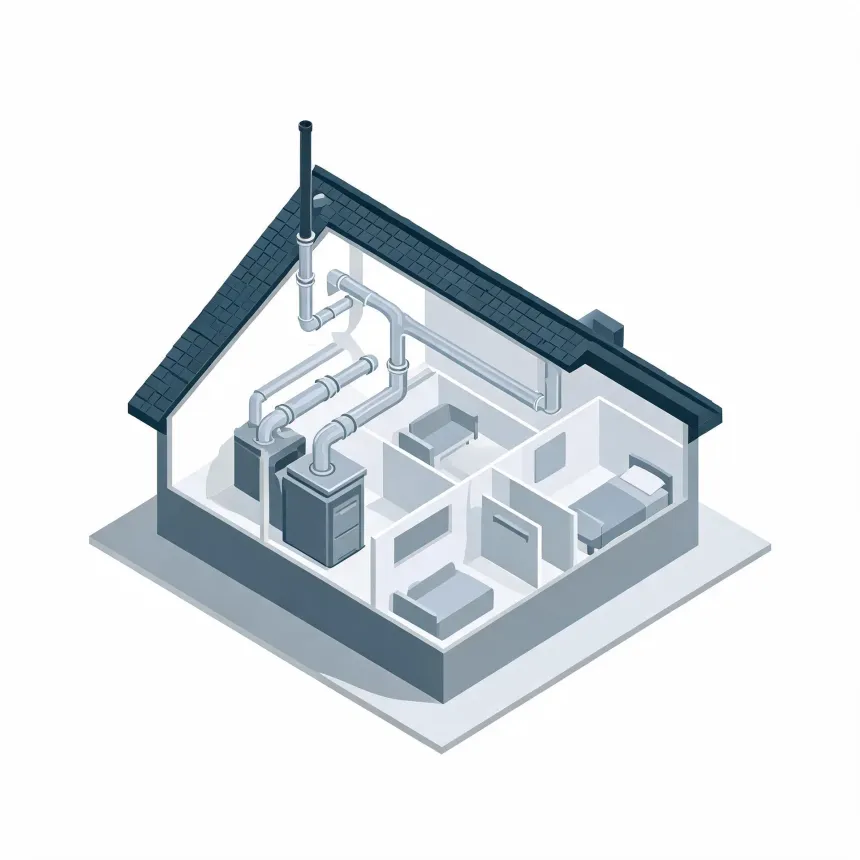
Isometric illustration of a cutaway house showing a furnace unit with ductwork and a flue pipe running through the interior rooms, which contain simple furniture.
Your furnace works hardest from November through April.

NOAA nClimDiv, 1991–2020 normals

Natural gas ran $10.09 per million Btu in Colorado last year.

A standard furnace sized to your home's heat loss is the right call here, nothing bigger needed to justify the cost.

Nine months of heat, nights near 17, and 223 storms to push through

Heat runs September through May
Winter nights average 17°F
223 winter storms from 2015 to 2024
Heat from September to MayNine months a year of furnace use. August is the month to get it done.

El Paso County falls under zone 5B, a cool climate zone where the furnace carries most of the load. Any non-weatherized gas furnace built from November 19, 2015 on has to hit at least 80 percent AFUE, and that's the floor here, not a feature to ask for. That floor is set to rise, with a much higher minimum taking effect for furnaces built a few years out. For now, an 80 percent unit is still legal and still common. Check the manufacture date on anything you're quoted, since the standard it has to meet depends on when it was built, not when it's installed.

A standard furnace, sized right, is built for what this county throws at it

El Paso County has seen 717 hail events and 223 winter storms over the past ten years. None of that calls for a bigger furnace or a higher-end one. It's a reason to have it installed by a licensed contractor who sizes it to your home's heat loss and gets the venting right, so it holds up through what the county actually sees.

Find a contractor
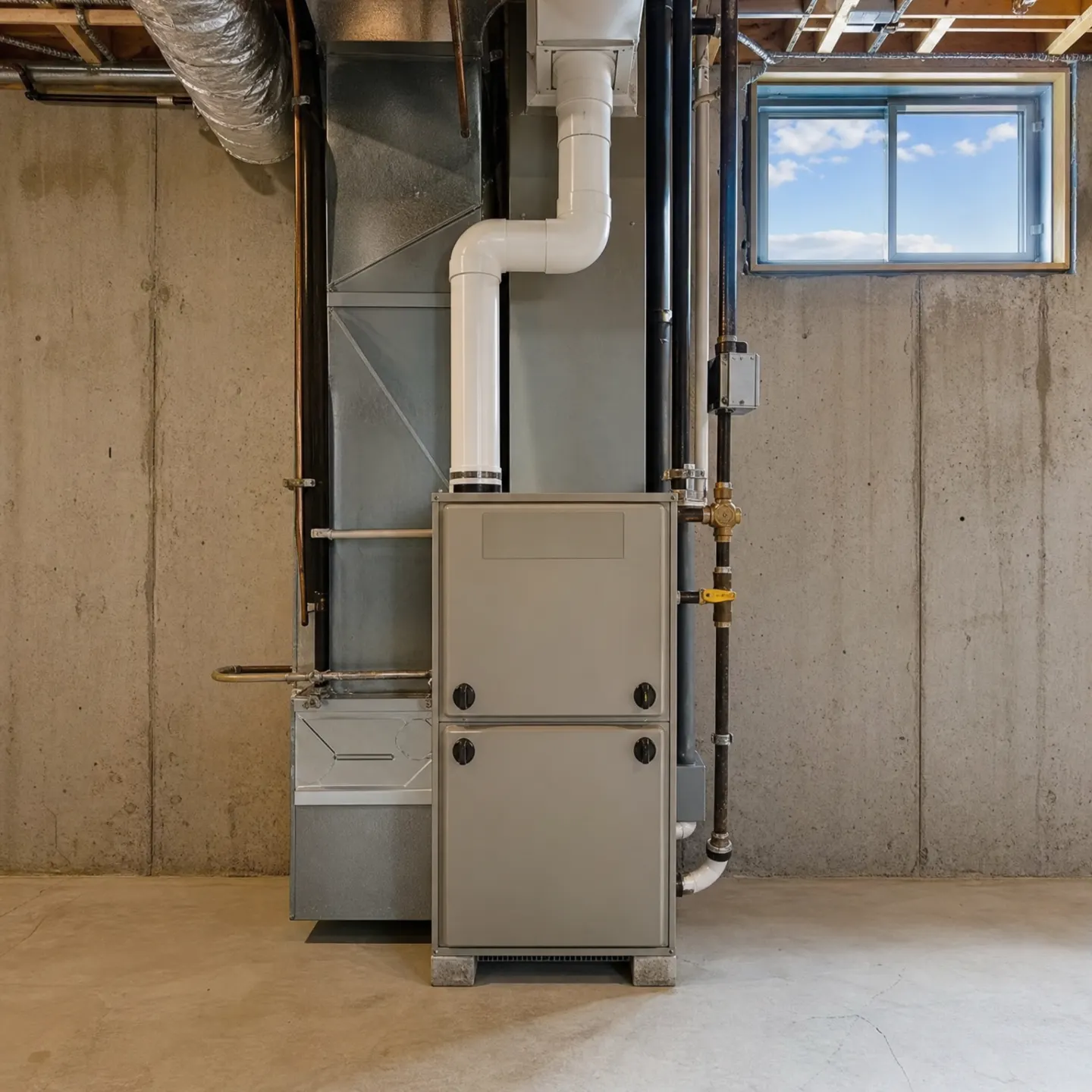
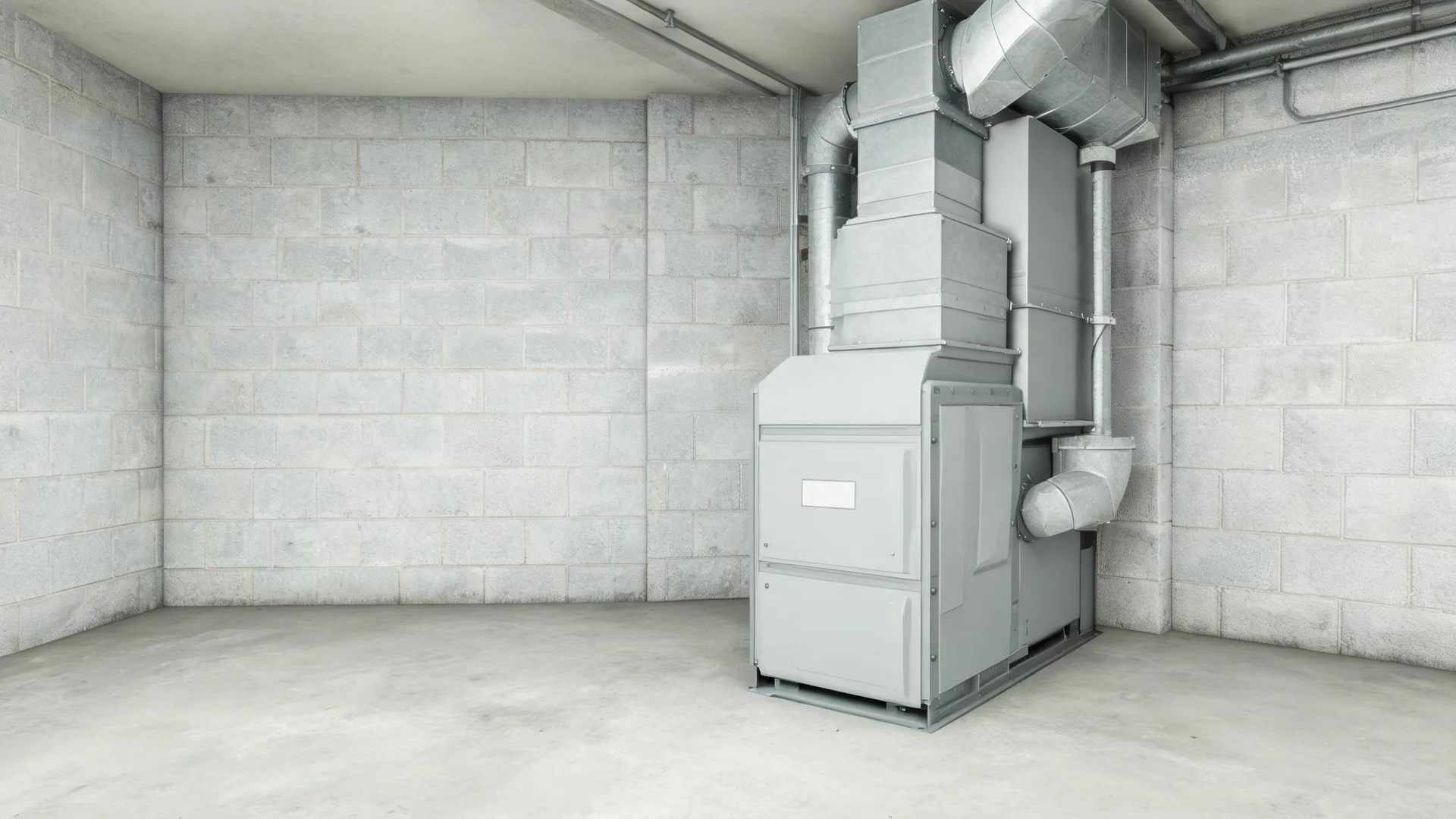
A gray gas furnace with attached ductwork and piping installed in an unfinished concrete basement.

Nine months a year is a long time to run on a guess

Nine months of heat and nights averaging 17 add up to a long run for one furnace. Getting the size right from the start matters more here than most places, since there's little downtime to make up for a unit that's working too hard or cycling too often. A contractor who sizes to your home's heat loss, not just the old unit's output, is doing that job properly. One who skips straight to matching the old number is guessing at a load that may not be the same as when that furnace went in.

Ask for a load calculation, not a quote off the old unit

A contractor should measure your home's heat loss room by room before naming a size. If a quote shows up fast with no questions about insulation, windows or square footage, they're matching the old furnace, not sizing the new one. The old unit might have been wrong from the day it was installed.

Ask what happens to the ductwork, not just the furnace

A furnace moves air through the ducts already in the house. If those ducts are too small or too leaky for the new unit's output, the furnace can run fine and the rooms still won't heat evenly. A contractor who checks duct size and seals before install is doing more than selling you a box.

An unfinished basement featuring exposed ceiling joists, a metal HVAC unit with round ductwork, a hanging light bulb, and scattered boxes and debris along the left wall.

A high-efficiency gas furnace would save about $90 a year to run in El Paso County compared with a gas furnace.

  • A high-efficiency gas furnace$410 a year
  • A gas furnace$500 a year

Estimates for a typical El Paso County home, from EIA household energy data, Colorado fuel prices and NOAA climate normals. Your home will differ.

The old furnace still has to come out, and that's its own job, not an afterthought tacked onto the install. A gas unit has to be disconnected from the gas line properly, not just unplugged from the ducts, and the vent that ran from it needs to be capped or removed so it isn't left open to the outside. Whoever hauls it away should also be checking whether the chimney or vent pipe was shared with anything else in the house, like a water heater, because taking out the furnace can change how that vent drafts. None of this is hard, but it's work a contractor should walk you through before the new unit goes in, not explain afterward.