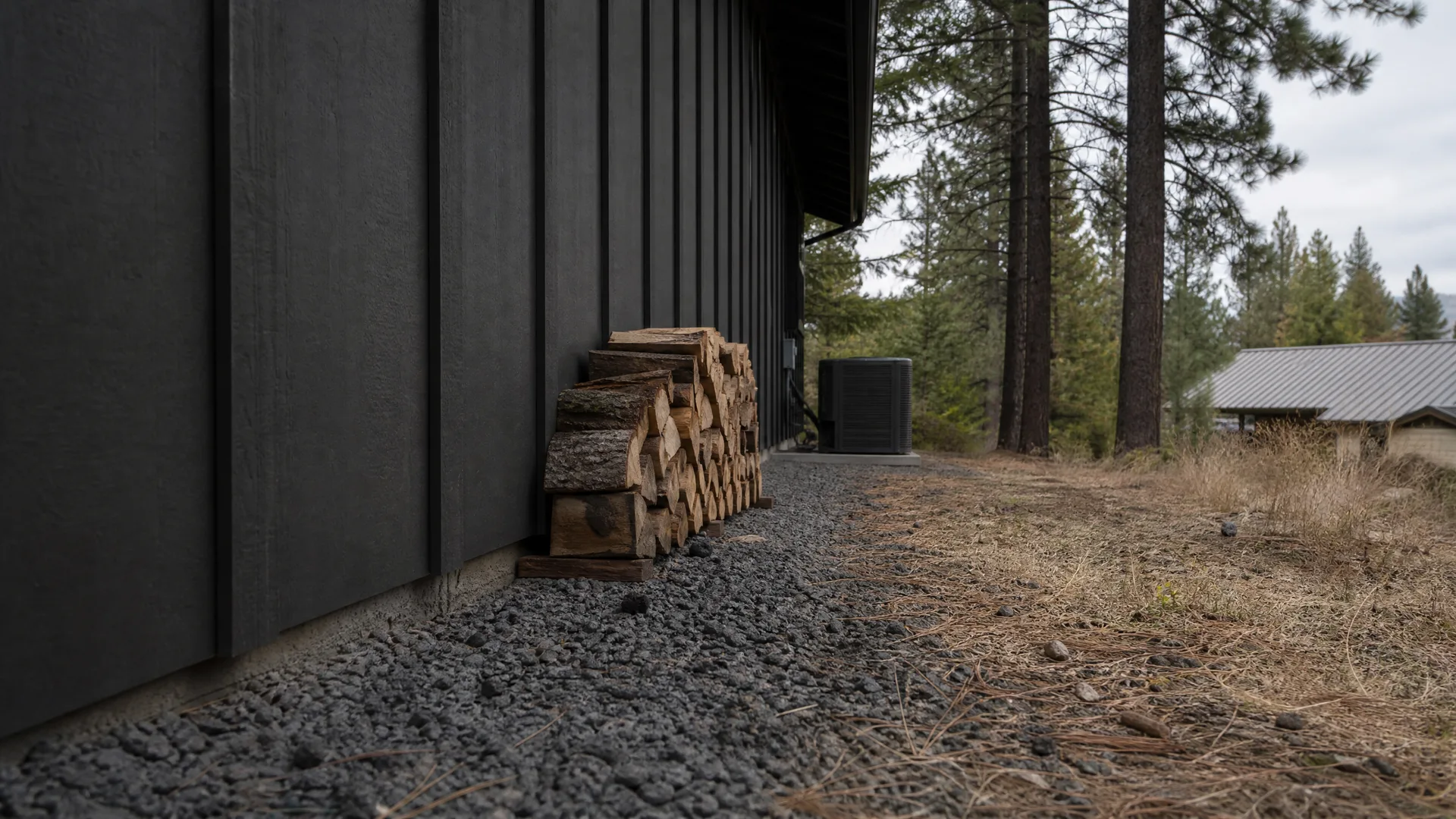



Dark vertical wood siding along the side of a house with a stack of split firewood and an outdoor condenser unit on a gravel strip, with pine trees, dry grass and a metal-roofed outbuilding in the background.

Furnace Installation in Woodland Park, CO

Tell us about the job

Takes about a minute. No obligation.

Step 1 of 3: Equipment

Natural gas ran $10.09 per million Btu across Colorado homes in 2024. That's the number that should drive your decision on a new furnace. A unit with a higher AFUE turns more of that gas into heat instead of sending it out the flue, and at this price per Btu the gap between a mid-efficiency and high-efficiency furnace shows up on your bill every month, not just on the sticker. Woodland Park sits high enough that winters lean on a furnace hard, so that difference compounds over a lot of run hours. Ask what AFUE rating you're actually being quoted, not just the brand or the size.

11 months
August through June, your furnace is on duty
10°F
the average winter night it heats against
57%
of homes here heat with gas, so most furnaces here burn gas
80% AFUE
the federal minimum any new unit must meet
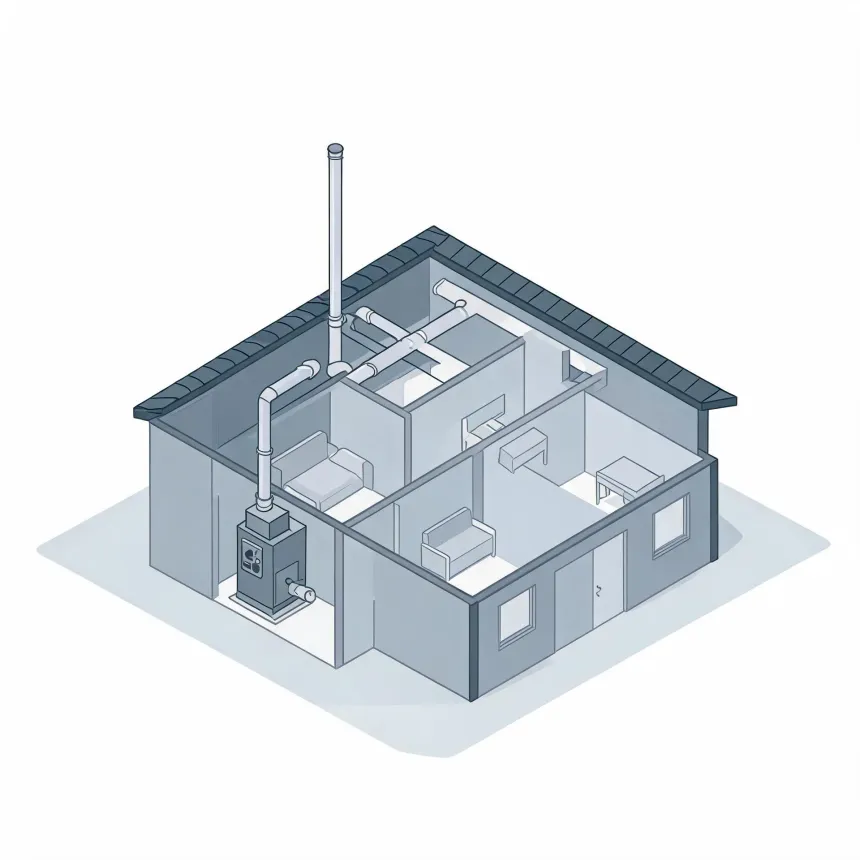
Isometric grayscale illustration of a cutaway single-story house showing interior rooms with furniture, a furnace unit connected to ductwork and a tall vertical flue pipe extending above the roof.
Your furnace works hardest from October through April.

NOAA nClimDiv, 1991–2020 normals

Furnaces with the same AFUE number can still perform differently once they're matched to your ductwork.

Ask what static pressure the installer measured, not just what size furnace they're quoting.

Most of Woodland Park already runs on gas, so a new furnace usually just replaces what's there

56.9% of homes heat with gas
Heat runs August through June
Winter nights average 10°F

Heat runs here from August through June, so July is the only month a furnace sits idle. That makes July the month to replace one, before the demand starts up again. Wait until the season is running and you're picking from whatever unit a contractor has on hand that day, installed fast because the house is cold. Replace it in July and there's time to get the AFUE rating right and have it sized to your ductwork instead of just swapped in. With eleven months of run time here, that planning is worth more than it would be somewhere heat only runs a few months a year.

Efficiency pays here

Power costs more here, so an efficient system pays you back on every bill.

Find a contractor
A man in a cap, gray jacket and tan cargo pants, seen from behind, carries a worn canvas duffel bag up steps toward a dark navy front door, with a potted shrub beside the entry.
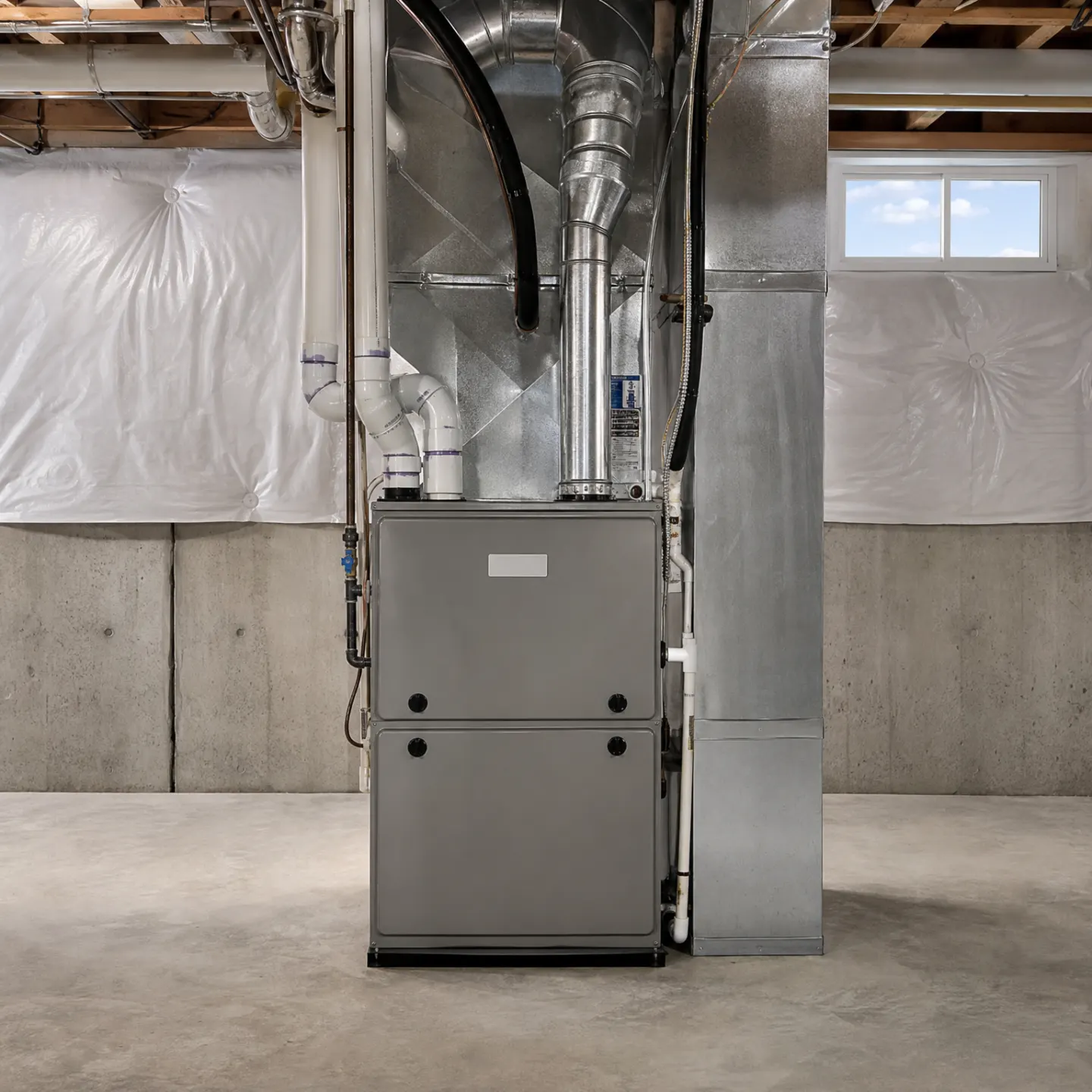
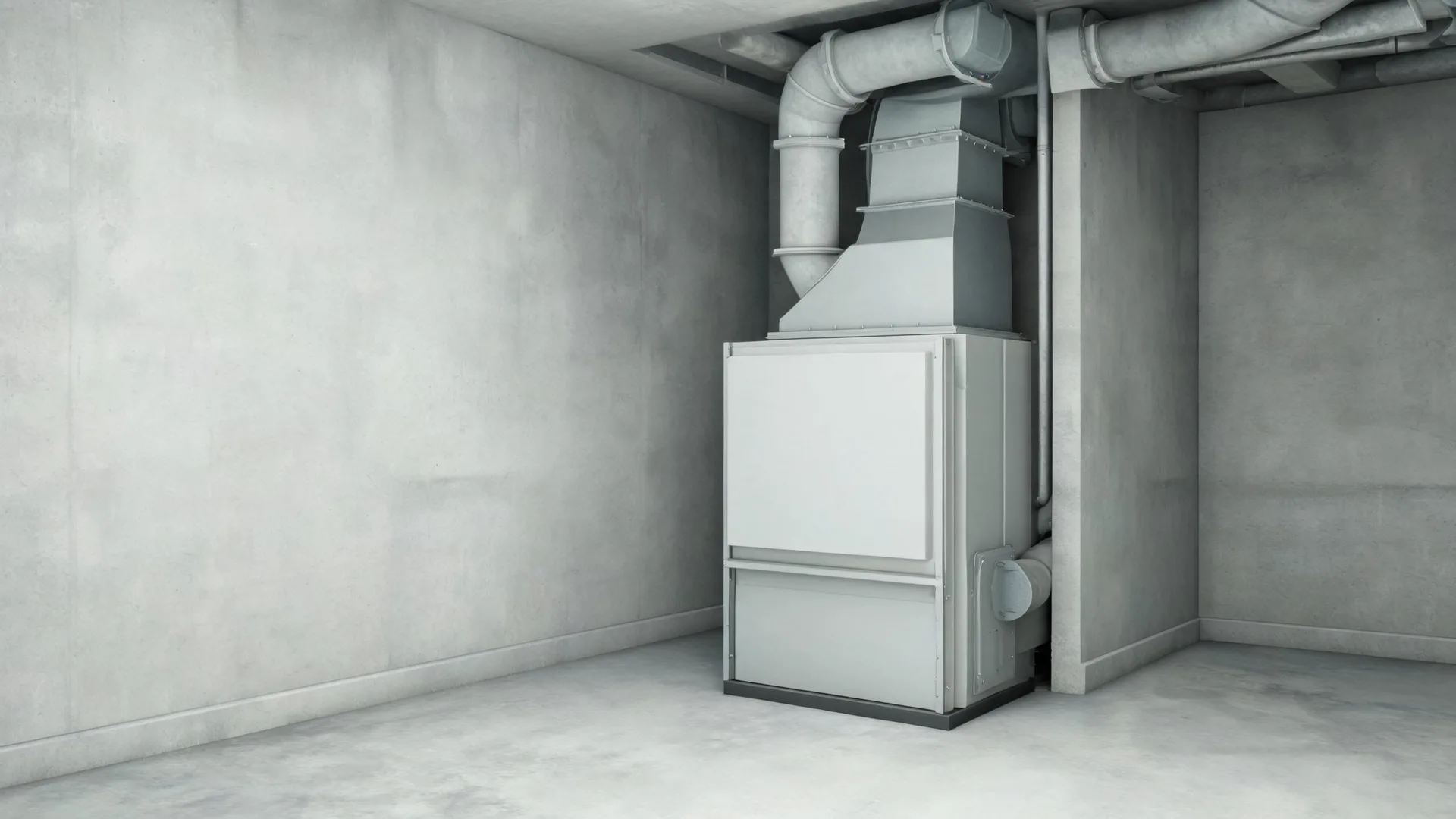
A gray residential gas furnace installed in an unfinished basement, connected to sheet-metal ductwork and PVC pipes.

The label tells you where it starts, not what you'll get

AFUE is a measure of fuel use, not output. It tells you how much of the gas burned actually becomes heat in your house, and how much goes straight out the flue. That rating holds steady on paper for the life of the furnace. What you actually get from it does not. A dirty burner, a clogged filter, or a cracked heat exchanger can push a high-AFUE furnace to perform like a cheaper one. A furnace that gets its yearly service tends to hold close to its rated efficiency for years. So the number on the sticker is where it starts. What happens after install and every year of upkeep after that decides whether you keep it.

The old furnace gets disconnected, not just unplugged

A gas furnace has a line running to it and a flue venting to the outside. Both get properly capped or removed as part of the swap, not left for later. An installer worth hiring treats this as part of the job, not an afterthought once the new unit is in.

Your ductwork stays, so it gets checked either way

The old furnace goes, but the ducts it was feeding don't. Whoever installs the new one should be measuring static pressure and airflow against what's already there, because a furnace sized for the house but not matched to the ducts will run louder, shorter-cycle, or unevenly from room to room.

An unfinished basement containing a metal furnace with ductwork, exposed wooden joists on the ceiling, cardboard boxes, a coiled cable, and a single hanging incandescent bulb.

A high-efficiency gas furnace would save about $120 a year to run in Teller County compared with a gas furnace.

  • A high-efficiency gas furnace$570 a year
  • A gas furnace$690 a year

Estimates for a typical Teller County home, from EIA household energy data, Colorado fuel prices and NOAA climate normals. Your home will differ.

Installation day starts with the old furnace coming out, not the new one going in. The gas line gets shut and capped. The old flue connection comes apart. The area gets cleared before anything new is set in place. Setting the furnace itself is usually the fastest part of the day. Connecting it right is what takes the time, the gas line, the flue venting, the return and supply plenums, the thermostat wiring, each one checked rather than just hooked up. Before the installer leaves, the system gets fired and run through a full cycle, checking the flame, the temperature rise, and the airflow at the vents. A furnace that gets fired up and left without that check can run with a problem nobody notices until the first cold morning it can't keep up.