


A two-story black-clad house with a gabled shingle roof stands behind a wire fence, surrounded by deciduous trees and a wide grassy field in the foreground under an overcast sky.

Furnace Installation in La Junta, CO

Tell us about the job

Takes about a minute. No obligation.

Step 1 of 3: Equipment

Most homes in Otero County heat with utility gas, 77.6 percent of them. If your house already has a gas furnace, putting in another one is usually the straightforward path. The gas line, the venting and the return ductwork are already sized for that kind of system. Electricity heats 13.3 percent of homes here, and bottled or LP gas heats 5.6 percent. If your home runs on one of those instead, say so when you talk to a contractor, since the venting and fuel supply work will follow different rules.

7 months
October through April, your furnace is on duty
19°F
the average winter night it heats against
78%
of homes here heat with gas, so most furnaces here burn gas
80% AFUE
the federal minimum any new unit must meet
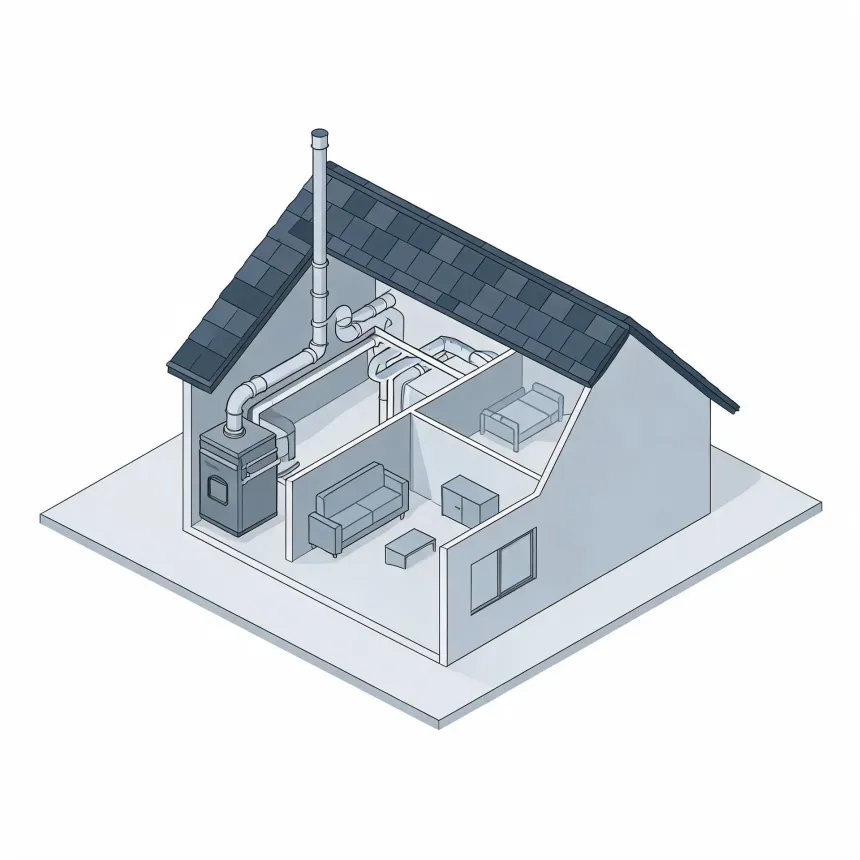
Isometric cutaway illustration of a small gabled house showing a furnace with flue pipe and ductwork connecting to interior rooms containing a sofa, bed, and cabinets.
Your furnace works hardest from November through March.

NOAA nClimDiv, 1991–2020 normals

Furnaces here run from October through April, with overnight lows averaging 19°F in January.

A standard-sized furnace at standard efficiency handles that fine, with nothing here that calls for oversizing.

What Otero County's weather means for your furnace, not its size

160 severe weather events from 2015 to 2024
13% of homes statewide lost power a day or more in 2024
82 damaging wind events from 2015 to 2024

Half the homes in Otero County were built in 1958 or earlier. If yours is one of them, the furnace going in now almost certainly isn't the first one the house has had. That matters for sizing more than for the unit itself. Ductwork laid out decades ago was built around the equipment of that era, and a new furnace has to move air through the same runs and the same return. A contractor sizing the job should look at what's already there, not just swap in whatever the old furnace was rated for. If the ductwork was altered or added onto over the years, say so, since that changes what the new system needs to handle.

What your new furnace has to meet

Any furnace installed in La Junta has to clear 80 percent AFUE, the federal minimum for this type. That floor holds until the end of 2028, when it rises to 95 percent. A furnace meeting today's minimum may qualify for a federal tax credit, worth checking with your contractor before you settle on a unit.

Find a contractor
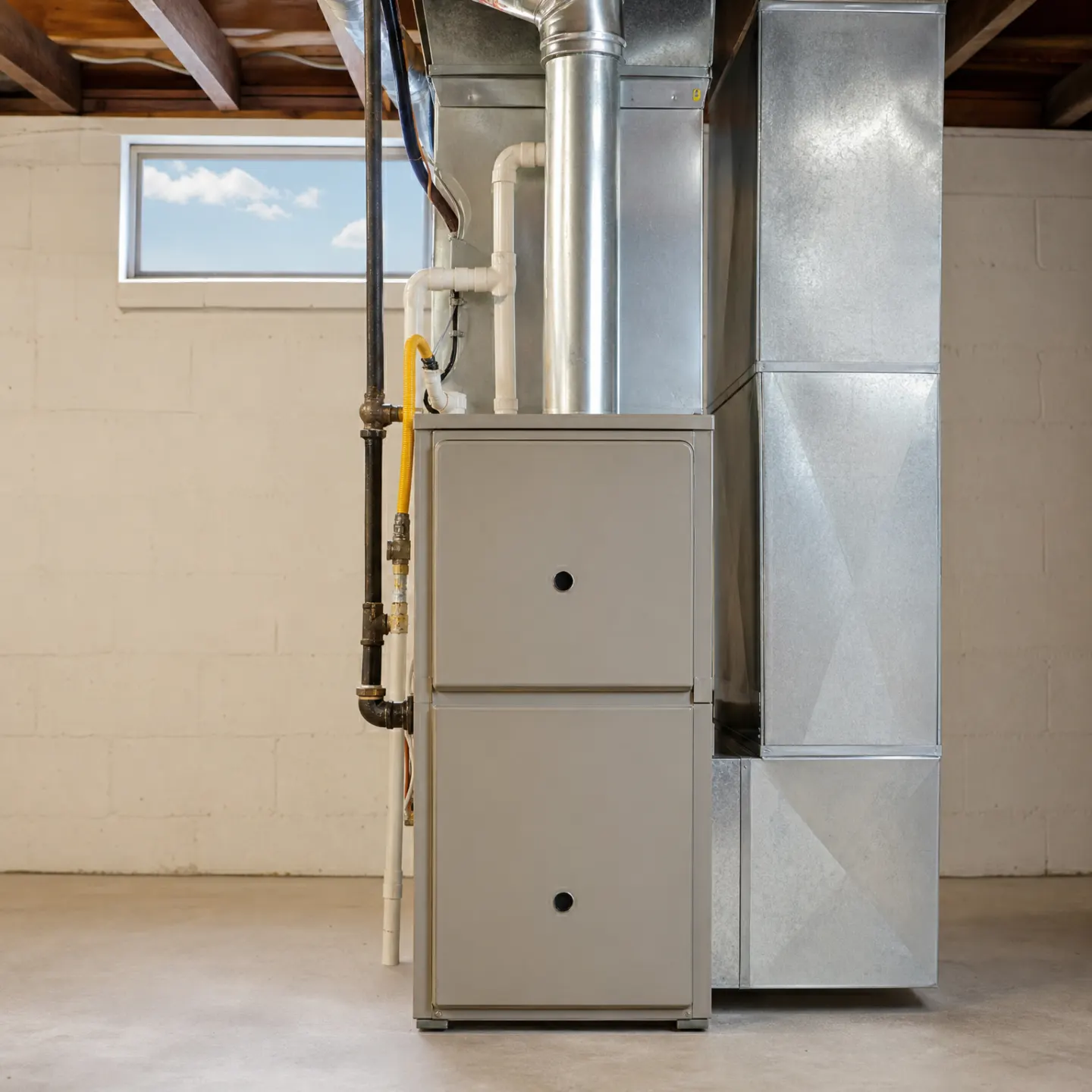
A gas furnace with attached ductwork, gas piping, and condensate lines installed in a concrete-block basement.

Get it done in September, before the heat has to go on

Heat here runs October through April, seven months straight. September is the month before that starts, which makes it the month to get a new furnace in. Pick a day that works, have the contractor size it against the ductwork already in the house, and it's done before the first cold morning asks for it. Wait until the furnace fails on its own, and the timing gets picked for you instead.

Sizing is a calculation, not a guess

A furnace is sized by working out how much heat the house loses on the coldest days, room by room, not by matching the number stamped on the old unit. That calculation accounts for square footage, window area, insulation and ceiling height. Houses the same size can still need different sized furnaces because one holds heat better than the other.
Oversizing causes its own problems

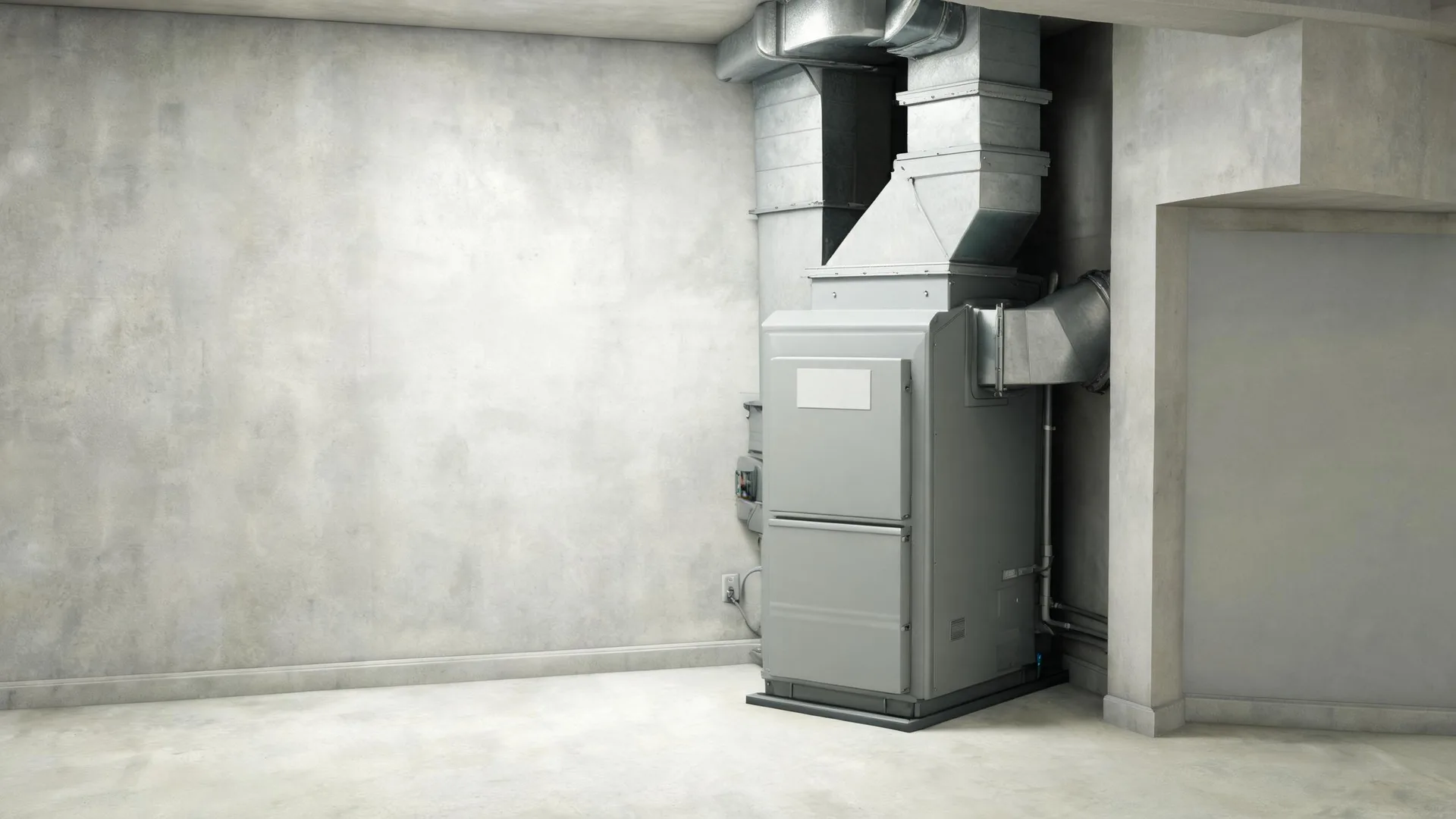
A furnace that's too big for the house heats the air fast, hits the thermostat setting, and shuts off again before it's finished a full cycle. That short cycling wears on the heat exchanger and the blower motor, and it leaves rooms far from the thermostat colder than the rest of the house. Bigger isn't a safety margin here, it's a different set of problems.

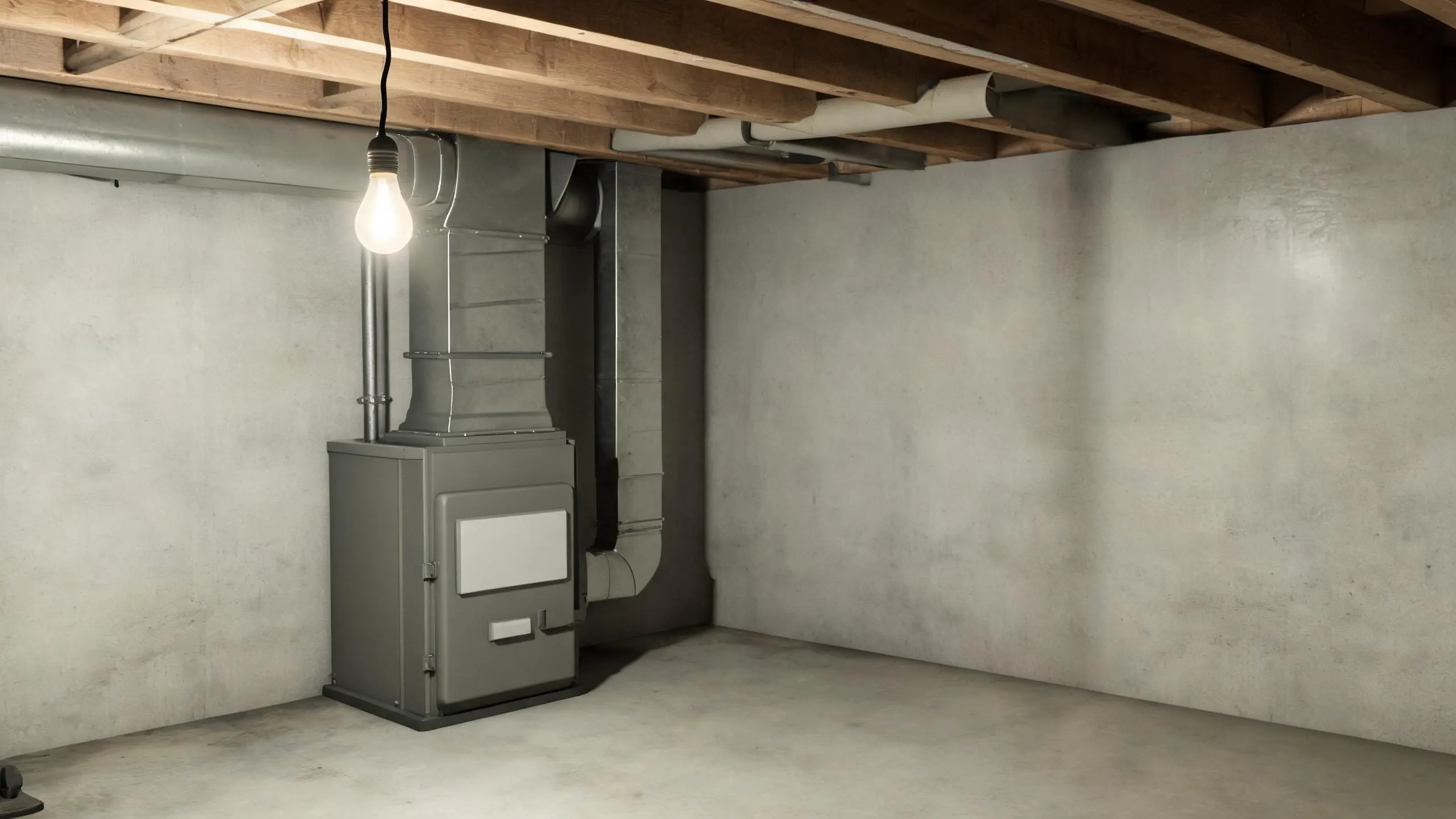
A bare concrete basement containing a gray gas furnace with metal ductwork and a vertical flue pipe, lit by a single hanging bulb.

A high-efficiency gas furnace would save about $70 a year to run in Otero County compared with a gas furnace.

  • A high-efficiency gas furnace$320 a year
  • A gas furnace$390 a year

Estimates for a typical Otero County home, from EIA household energy data, Colorado fuel prices and NOAA climate normals. Your home will differ.

Installation day starts with the old furnace coming out, along with anything tied to it that's being replaced, like a mismatched thermostat or a cracked section of plenum. The new unit gets set in place and leveled, then connected to the gas line, the vent, and the return and supply ducts. Every joint in that ductwork gets sealed, since a leak there wastes heat before it ever reaches a room. The gas line gets pressure tested, and the vent run gets checked for the right pitch so exhaust actually leaves the house instead of backing up. Once it's hooked up, the contractor fires it, watches the flame, checks the temperature rise across the heat exchanger, and confirms the blower is moving the right amount of air. Only after all of that checks out does the thermostat get programmed and handed back to you.