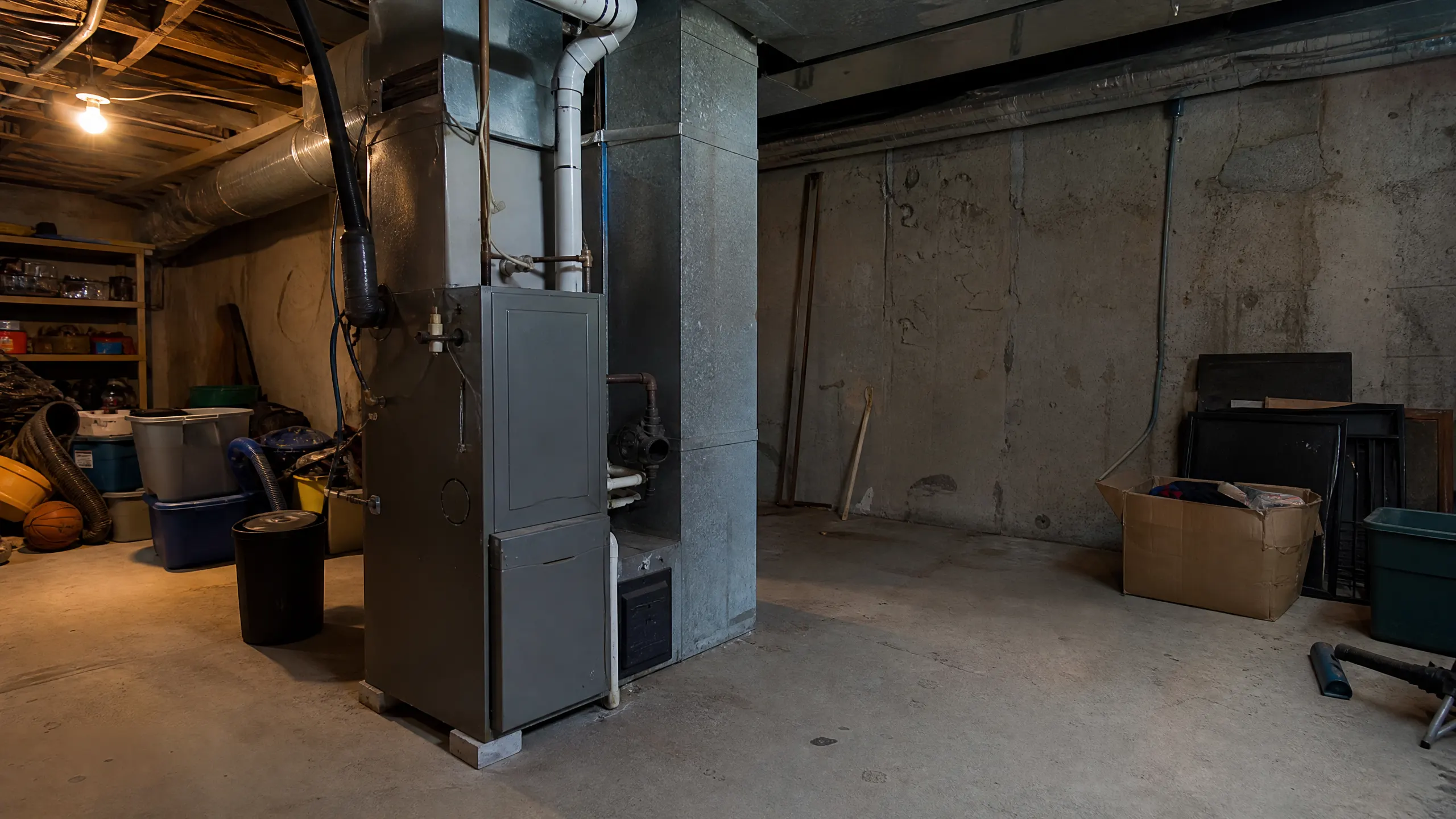




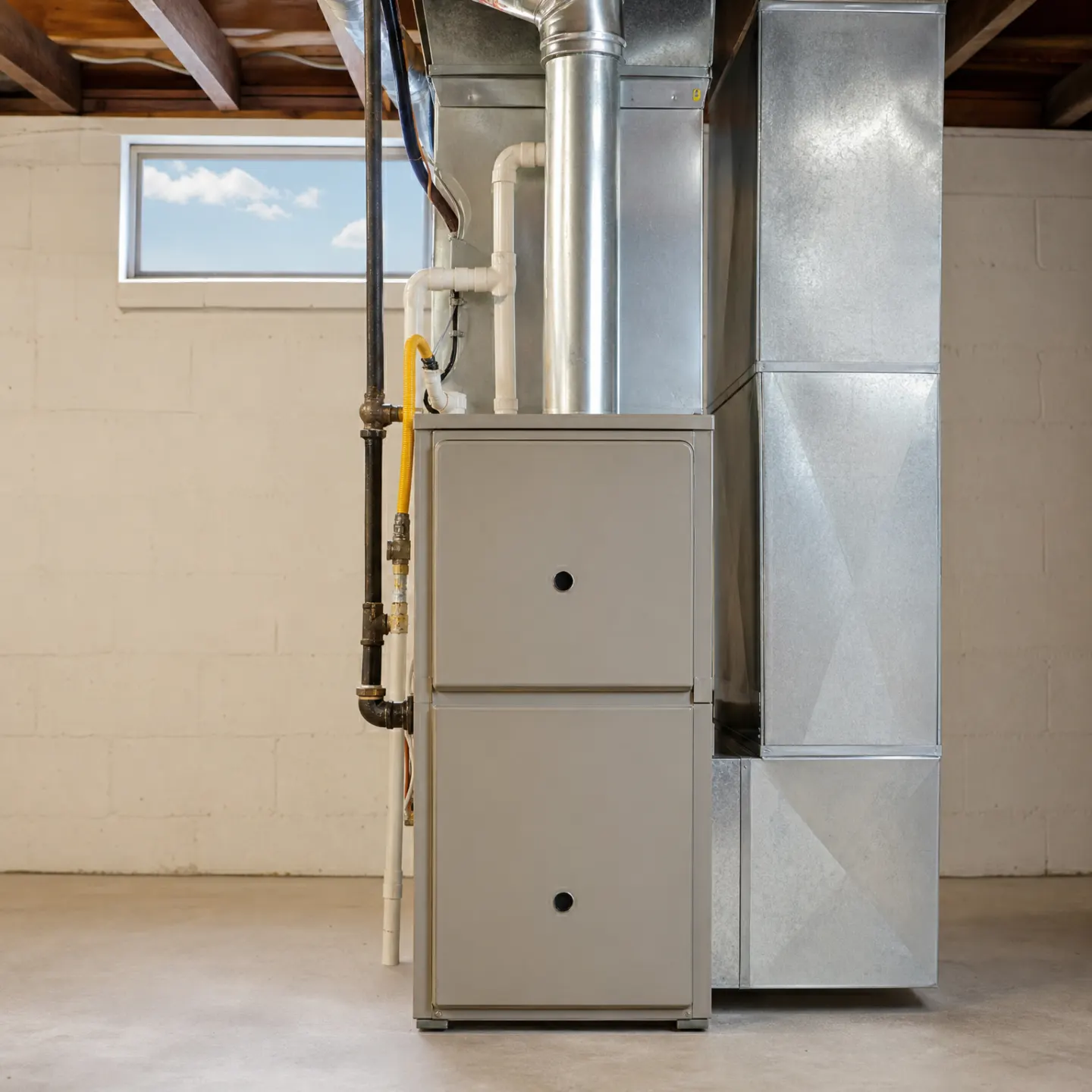
A gray forced-air furnace with ductwork stands in an unfinished concrete basement surrounded by storage items and clutter.

Furnace Installation in Greeley, CO

Tell us about the job

Takes about a minute. No obligation.

Step 1 of 3: Equipment

Gas heats 73% of homes in Weld County, more than every other fuel combined. If your old furnace burns gas, a new gas furnace is almost always the straightforward choice, since the gas line, the vent and the gas meter are already there. Electric furnaces and heat pumps work too, and about 18% of homes here run on electric heat, but switching fuels means new wiring or a new electrical circuit, sometimes a panel upgrade. Staying with gas skips all of that. It also means the contractor is installing the kind of system most houses around here already have, so sizing it right for a Greeley winter is familiar work, not a guess.

8 months
October through May, your furnace is on duty
16°F
the average winter night it heats against
73%
of homes here heat with gas, so most furnaces here burn gas
80% AFUE
the federal minimum any new unit must meet
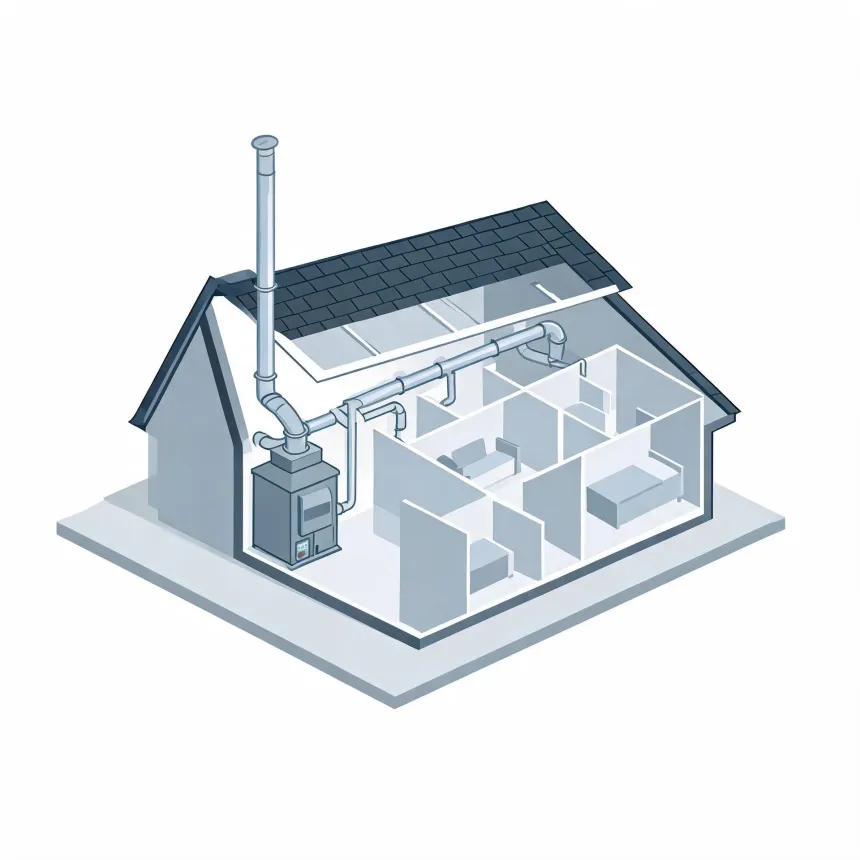
Isometric cutaway illustration of a house showing interior rooms with furniture, a furnace unit with a tall flue pipe outside, and ductwork running through the attic.
Your furnace works hardest from November through March.

NOAA nClimDiv, 1991–2020 normals

Furnaces in Weld County run from October through May, about eight months of the year.

A furnace sized for this job has to carry a Greeley winter, not just pass a mild one.

A Greeley winter calls for a correctly sized furnace, not an oversized one

Heat runs October through May
Winter nights average 16°F
42 winter storms from 2015 to 2024
Get it done before OctoberFurnaces here start running in October and work through May.

Ask for the heat output written as a number on paper, not a guess from the size of the old unit. Furnaces can carry the same label and still move air differently, and what matters is how much heat comes out against how much fuel goes in. Ask what happens to the old vent pipe, since a smaller, newer furnace in the same spot can need a different kind of venting to work safely. Ask about the blower motor too. A variable speed motor runs quieter and holds a steadier temperature than a single speed one, and that difference shows up every day the furnace runs. If the ductwork is staying as is, ask whether it was sized for the furnace going in, not just the one coming out.

A standard furnace does the job here

Weld County sees plenty of hail, wind and winter storms, but none of that changes what a furnace has to do inside the house. A standard furnace, sized right for a Greeley winter, is what this job calls for. Get the size and venting right and the rest of the install is routine.

Find a contractor
A gas furnace with attached ductwork, gas piping, and condensate lines installed in a concrete-block basement.

Sized to the house, not to the unit it's replacing

A furnace too big for the house short cycles. It heats the space fast, shuts off before it finishes a full heating cycle, then kicks back on a few minutes later. That start-stop pattern wears on the igniter and the blower motor faster than steady runtime would, and it leaves rooms farther from the furnace colder than the ones nearby, because the air never runs long enough to push all the way through the ductwork. A furnace too small never gets ahead of the load. It runs constantly on the coldest days and still can't hold the thermostat setting, so it puts more hours on the blower motor over a season than a correctly sized one would. The right size comes from a load calculation, a room by room accounting of how much heat the house loses through its walls, windows and roof. That number, not the size of the furnace already in the house, is what the new one gets matched to.

Size and venting set the price before anything else gets picked

A furnace has to match the heat loss of the house it's going into, and getting that number right takes a load calculation, not a tape measure on the old unit. Venting adds to the job too. A high efficiency furnace vents through PVC pipe out a side wall, while an older style vents up through a metal flue, and moving from one to the other means new venting, not just a new furnace dropped into the old spot.

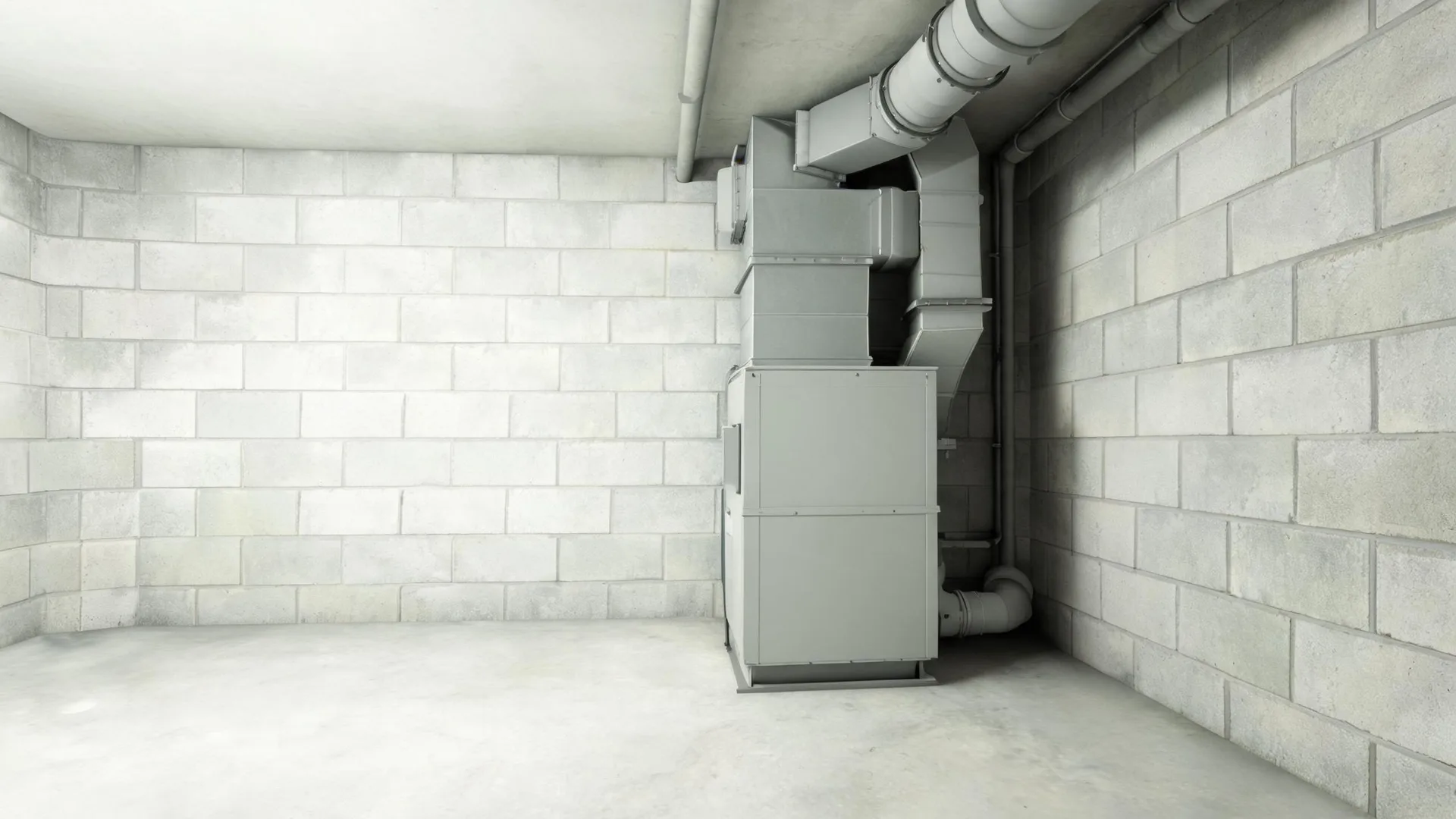
The ductwork already there decides how much else gets touched

If the ducts were sized for the furnace coming out, they may not move enough air for the one going in, especially if the new furnace has a variable speed blower. A contractor who finds that out during the install, instead of before, ends up modifying duct runs or adding a return on the spot. Checking it ahead of time is what keeps the job to the furnace itself.

An unfinished concrete basement containing a metal HVAC air handler, exposed wooden ceiling joists with sheet-metal ducts, a hanging bare bulb, copper pipes, and stacked cardboard boxes.

A high-efficiency gas furnace would save about $80 a year to run in Weld County compared with a gas furnace.

  • A high-efficiency gas furnace$410 a year
  • A gas furnace$490 a year

Estimates for a typical Weld County home, from EIA household energy data, Colorado fuel prices and NOAA climate normals. Your home will differ.

The old furnace comes out first. Gas gets shut off, the ductwork and venting get disconnected, and the unit gets hauled out. That part takes a while on its own. Setting the new furnace in place is usually quick. Most of the day goes to the connections. The duct transitions get sealed. New venting gets run if the furnace calls for it. The thermostat and blower get wired in, and the gas line gets pressure tested before anything gets lit. Once it's running, a good contractor checks the temperature rise across the furnace against what the manufacturer specifies. That number says whether it's burning gas and moving air the way it should. The last step is commissioning. Static pressure in the ducts gets checked. The heat exchanger gets checked for carbon monoxide. The flue gets confirmed as drafting properly. Nobody calls the job done before that.