




A single-story black board-and-batten house with a dark standing-seam metal roof, timber entry porch posts on stone bases, set among tall pine trees with dry grass in the foreground under an overcast sky.

Furnace Installation in Montrose, CO

Tell us about the job

Takes about a minute. No obligation.

Step 1 of 3: Equipment

Gas heats 62.1% of homes in Montrose County, more than any other fuel. If your old furnace runs on gas, putting in another gas furnace is usually the straightforward call. The gas line is already there, and a contractor can size the new unit to the ductwork you already have. Electricity and propane heat the rest of the homes here, so neither is unusual if that's what your house runs on. What matters most is matching the new furnace to the fuel already running to your house, not switching to something else mid-project.

8 months
October through May, your furnace is on duty
18°F
the average winter night it heats against
62%
of homes here heat with gas, so most furnaces here burn gas
80% AFUE
the federal minimum any new unit must meet
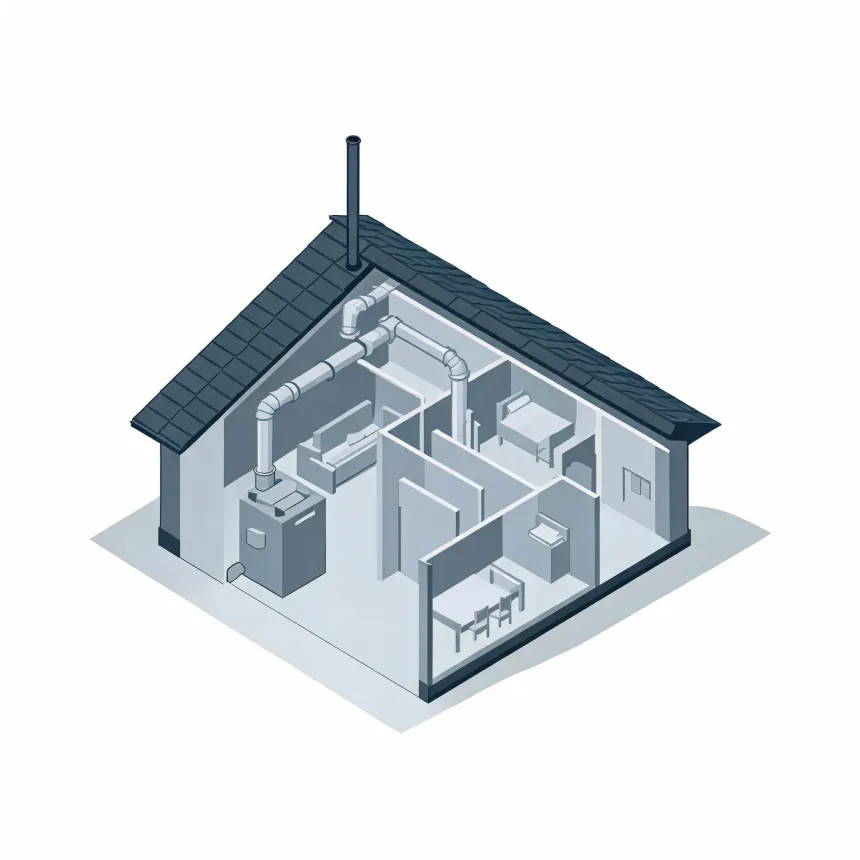
Isometric cutaway illustration of a small single-story house showing interior rooms with furniture, a furnace unit with attached ductwork running to a roof flue, and a dark shingled roof.
Your furnace works hardest from November through March.

NOAA nClimDiv, 1991–2020 normals

Winter storms have hit Montrose County 202 times between 2015 and 2024.

A furnace installed here needs to start every time, since a storm is the wrong moment to find out it won't.

Eight months of heat, nights near 18, and winters that don't let up

Heat runs October through May
Winter nights average 18°F
202 winter storms from 2015 to 2024
A standard furnace does the jobGas ran $10.09 per million Btu across Colorado in 2024, nothing here that calls for sizing up

Heat comes on in October here and runs through May. September is the month to get a new furnace in, not the first cold week when yours won't start. A failed furnace in October means space heaters for a few days or a week while a contractor fits you in, and that's with eight months of heat still ahead. Replacing it in September means the install happens when it's convenient to schedule, not when it's urgent. The new furnace sits ready before it's needed, and the old one never has to make it through one more winter it wasn't going to finish.

Go with the standard fit

A standard size and efficiency fit fine here. There's no local reason to go bigger or pricier.

Find a contractor
A man in a gray shirt and tan work pants, seen from behind, climbs porch steps toward a dark blue front door while carrying a canvas tool bag, with a potted shrub to the right.
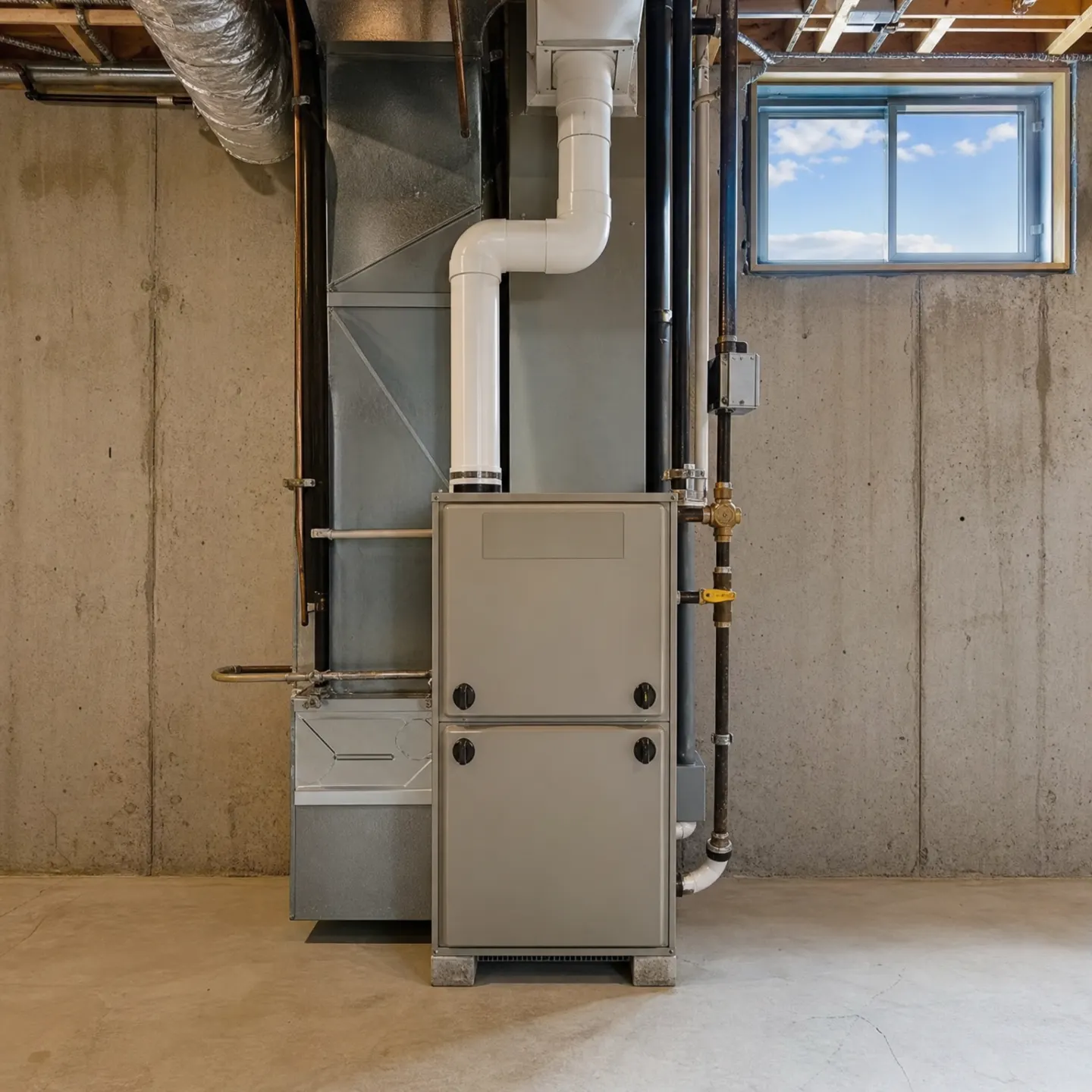
A gray gas furnace with attached ductwork and piping installed in an unfinished concrete basement.

The rating on the label only pays off on a furnace that's sized right

The AFUE number on the label tells you how much of the fuel burned turns into heat in the house, not how warm the house gets or how big a furnace you need. A higher-rated furnace wastes less fuel out the flue on every cycle it runs. That number plays out over the furnace's whole life, not on any one cold day. It won't make a poorly sized furnace perform better, and it won't fix ductwork that can't carry the air the blower is pushing. Get the size and the duct match right first. The AFUE rating is what it's worth after that.

Ask what the AFUE rating means for this unit

Every furnace has an AFUE rating on the label, and it tells you how much of the fuel it burns turns into heat for the house versus going out the flue. A contractor quoting a system should be able to give you that number without looking it up. Ask what it is and ask why that rating fits your house, not just what the unit costs.

Ask how the furnace will be matched to the ductwork

A furnace pushes air through the ductwork already running through the house, sized years ago for whatever unit was in there then. Ask the contractor whether the new furnace's blower output matches what that ductwork can carry. A furnace moving more air than the ducts can handle runs noisy and uneven, overheating some rooms while others stay cold.

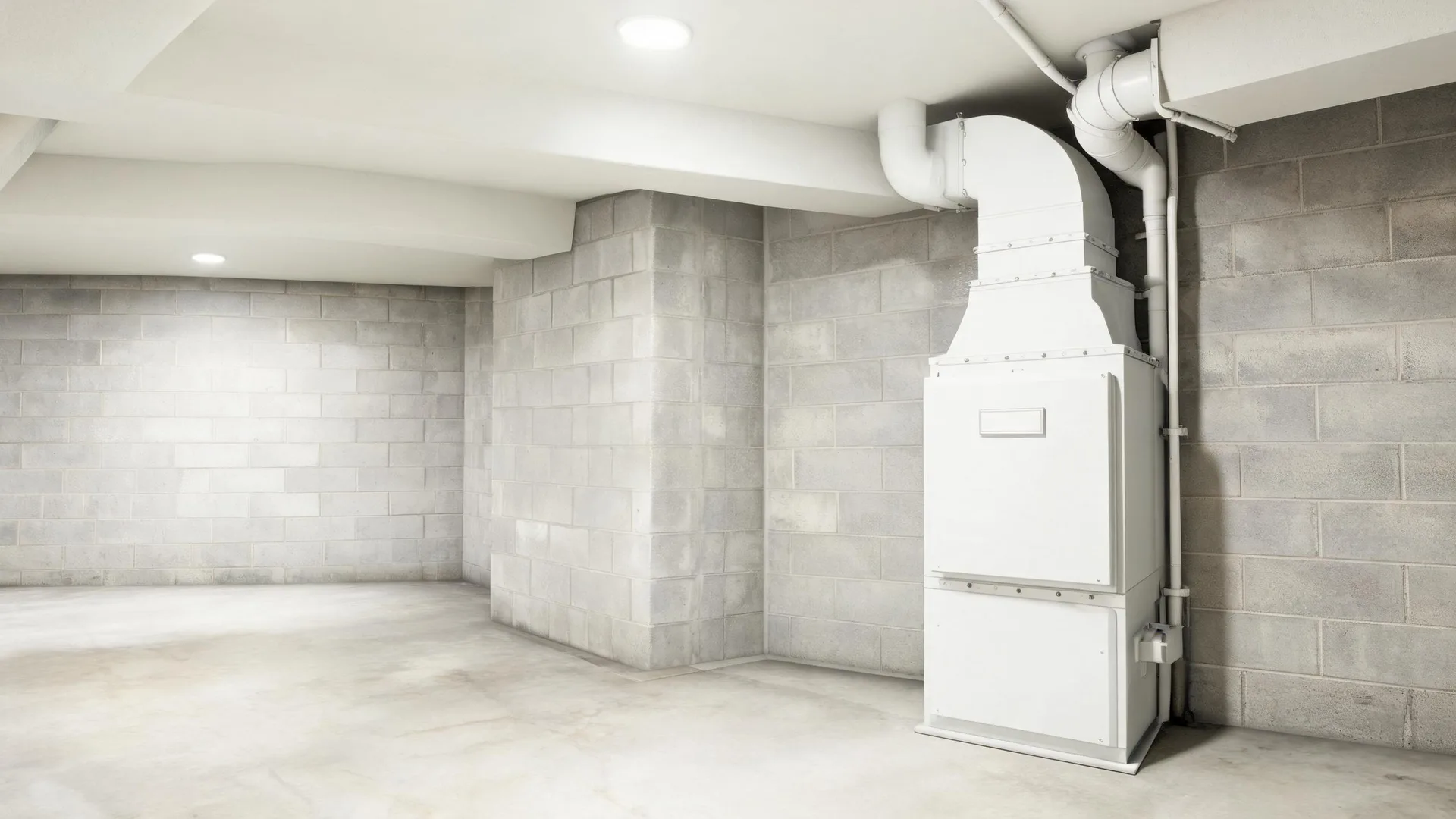
An unfinished basement containing a gray HVAC furnace with ductwork, exposed wooden joists, a concrete floor, and miscellaneous clutter in one corner.

A high-efficiency gas furnace would save about $90 a year to run in Montrose County compared with a gas furnace.

  • A high-efficiency gas furnace$420 a year
  • A gas furnace$510 a year

Estimates for a typical Montrose County home, from EIA household energy data, Colorado fuel prices and NOAA climate normals. Your home will differ.

Installation day starts with the old furnace coming out, along with the vent pipe and any ductwork connections that don't fit the new unit. A contractor checks the gas line, the electrical connection and the venting before the new furnace ever gets set in place, since each has to match what the new unit needs. The furnace gets set, connected to the ducts, hooked to the gas line and wired in, then the vent is run and sealed. Once it's connected, the contractor fires it up, checks the flame, checks for gas leaks, and lets it run through a cycle to see that it heats and shuts off the way it should. Before they leave, they should walk you through the thermostat and tell you what the first checkup should look for.