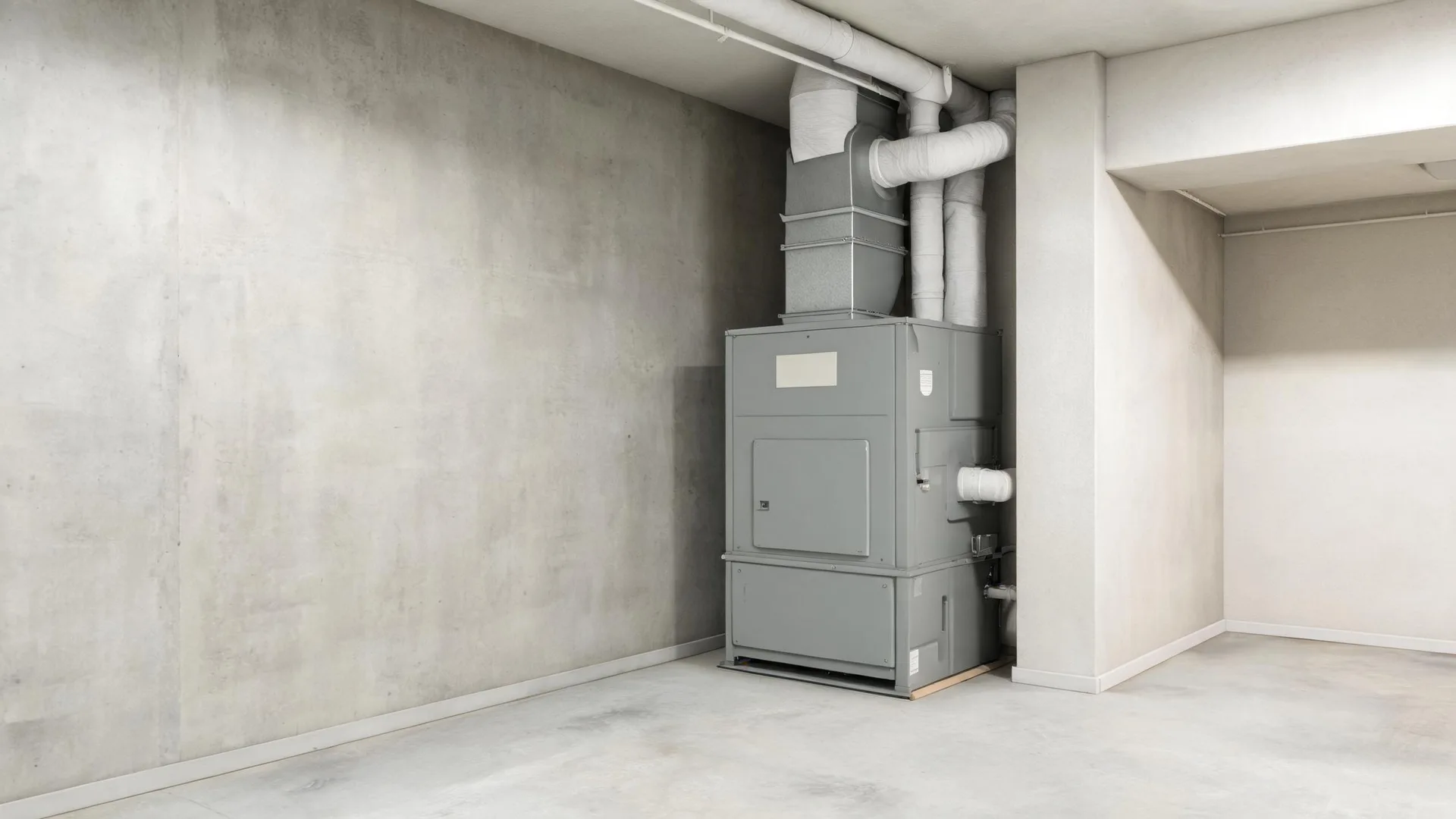
Gas costs more to burn here
Colorado homes paid $10.09 per million Btu of natural gas in 2024. A furnace that wastes heat is burning money at that rate every time it runs.
Takes about a minute. No obligation.
Colorado homes paid $10.09 per million Btu of natural gas in 2024. A furnace that wastes heat is burning money at that rate every time it runs.
Two furnaces can heat the same house and cost different amounts to run all winter. The difference comes down to how much of that gas turns into heat in your rooms instead of going out the flue.
NOAA nClimDiv, 1991–2020 normals
Gas heats half the homes in Grand County, more than any other fuel.
A gas furnace is the straightforward choice to install when the one going in already ran on gas.



Grand County falls under zone 7, the coldest tier in the 2021 energy code, since heat runs here most of the year. Any furnace installed has to meet the federal minimum for that: 80.0 percent efficiency, meaning at least 80 cents of every gas dollar becomes heat in the house. That floor rises to 95.0 percent for furnaces built on or after December 18, 2028. A homeowner installing now can still choose a unit at the current minimum or one already built to the higher standard. Either one qualifies for installation, but only one of them is burning less gas to do the same job.
At $10.09 per million Btu, the efficiency rating on the furnace you choose decides what this winter costs, and every winter after it. That choice gets made once, when the unit goes in.
Find a contractor
This furnace will run in every month of the year, not just the cold ones. That kind of runtime puts more hours on the igniter, the blower motor, and the heat exchanger than a furnace sees in a house that gets to sit idle part of the year. More hours means parts wear sooner, and it means getting the size right matters more here than it would somewhere milder. A furnace that's too big for the house will short cycle, switching on and off more than it should, and that short cycling is its own kind of wear. Get the sizing right at install and the unit runs the way it's built to, month after month, instead of working against itself.
A furnace gets sized to the house with a load calculation, not a chart based on floor space. That calculation looks at the walls, the windows, the ceiling height, how the place is insulated. Two houses the same size can need different furnaces. An installer who skips this step and goes by rule of thumb is guessing, and the homeowner pays for that guess every month the furnace runs.
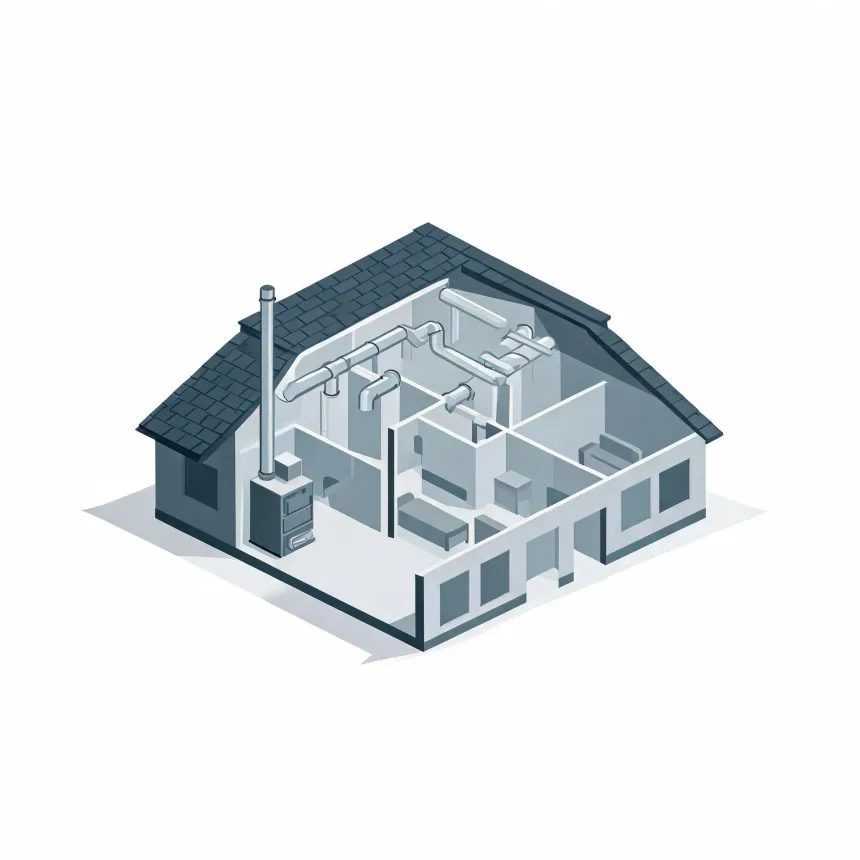
A new furnace has to move air through the ducts that are already in the house. If those ducts are too small or too leaky for the unit going in, the furnace works harder to push air through them, and rooms still end up uneven. Sometimes the right fix is duct work alongside the furnace itself, not just a swap in the closet. An installer should check this before quoting the job, not after.
Estimates for a typical Grand County home, from EIA household energy data, Colorado fuel prices and NOAA climate normals. Your home will differ.
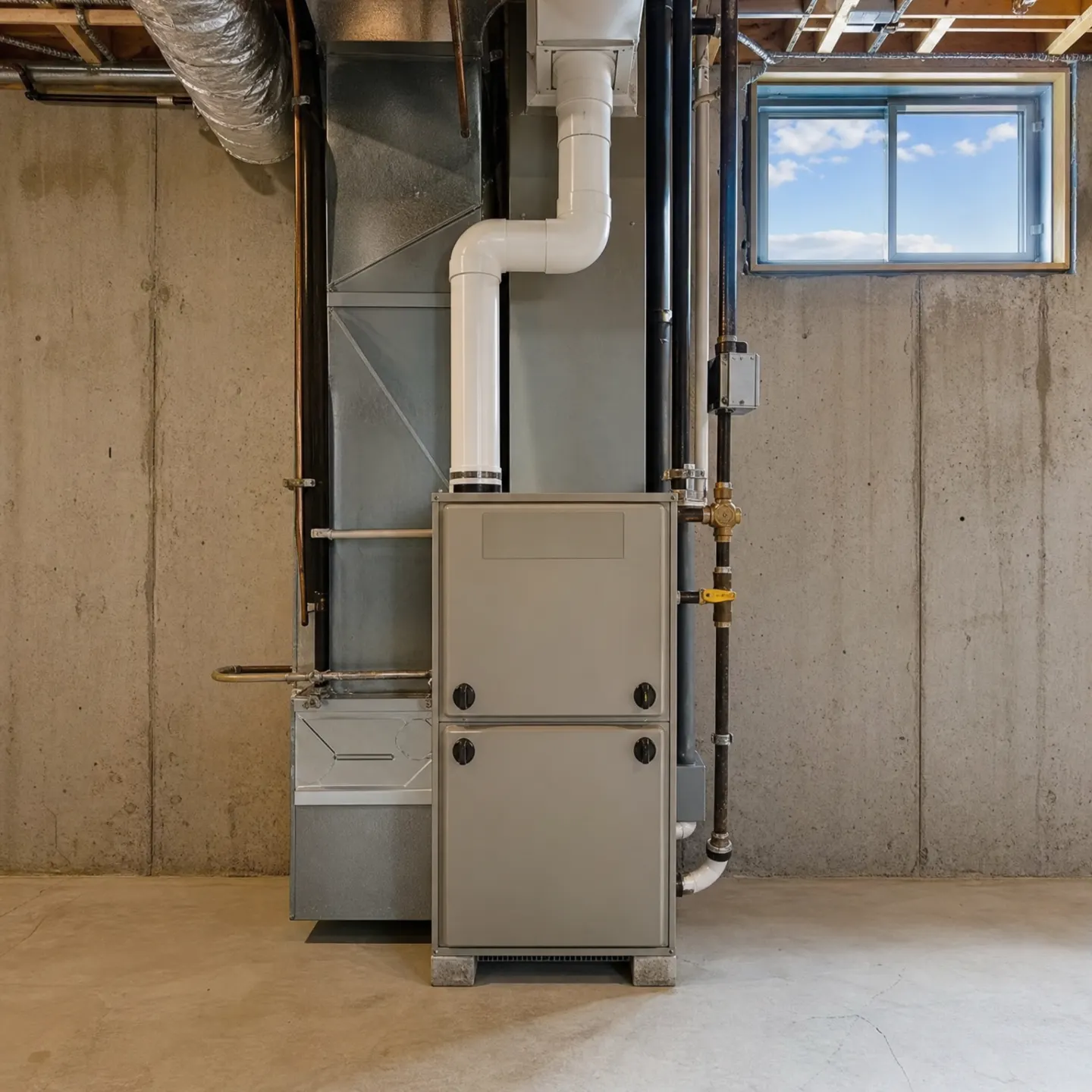
Installation starts with the old furnace coming out, and that's its own job if the house still has duct work or venting built around it. The new unit gets set in place, then connected on three sides: gas line, duct work, and venting. Each gas joint gets checked for leaks before anything is fired up. The venting matters as much as the furnace itself, since it carries combustion byproducts out of the house, and it has to be sized and sloped the way the manufacturer specifies, not however the old one happened to run. Once it's connected, the installer fires the unit and checks the flame, then watches the temperature rise across the heat exchanger to confirm it's burning the way it should. Only after that gets tested does the job end.