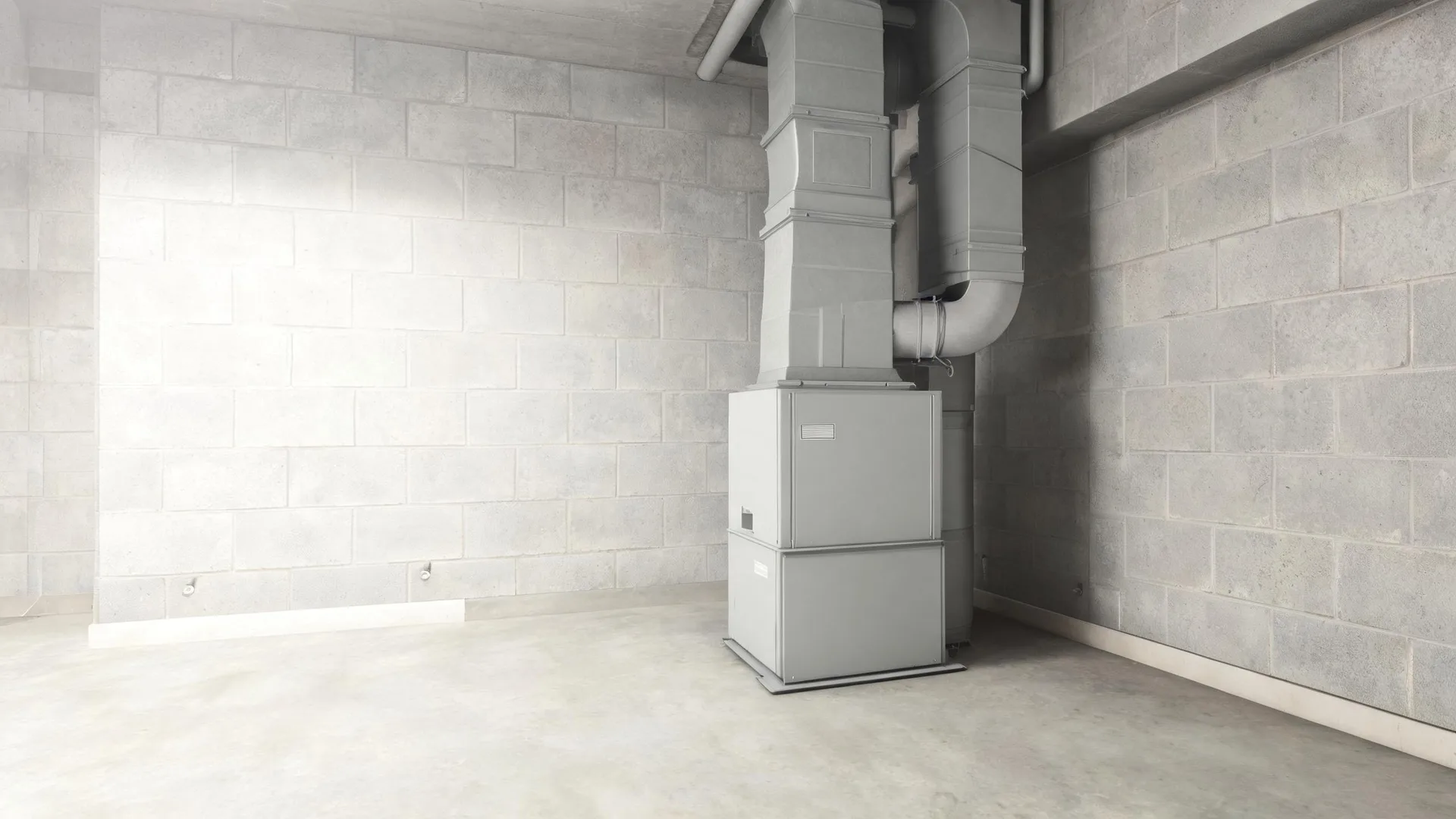
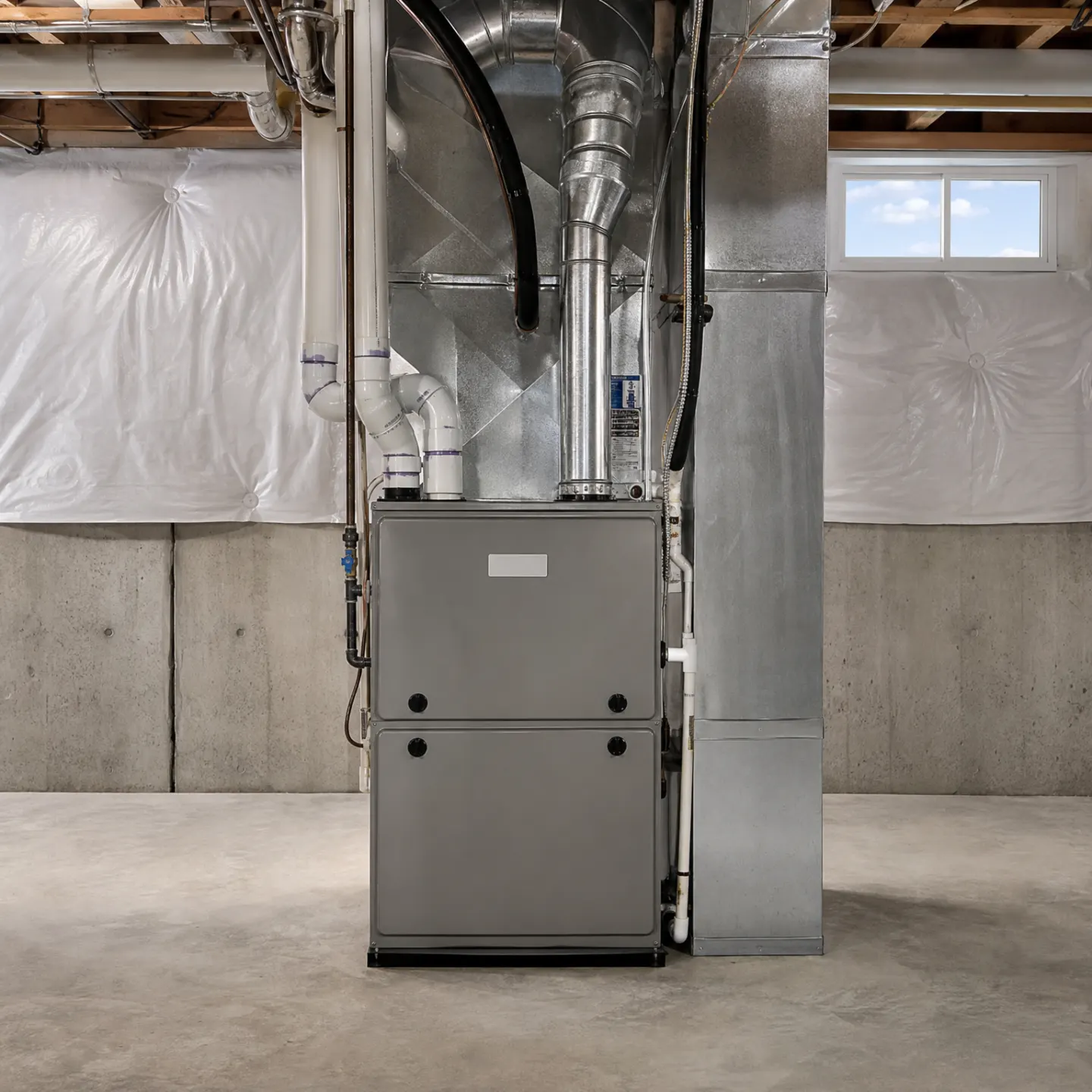
Gas is the common fuel here
Utility gas heats 40.8% of homes in Montezuma County, more than any other fuel. Bottled or LP gas heats another 28.9%. Between the two, most furnaces in this county run on gas, not electricity.
Takes about a minute. No obligation.
Utility gas heats 40.8% of homes in Montezuma County, more than any other fuel. Bottled or LP gas heats another 28.9%. Between the two, most furnaces in this county run on gas, not electricity.
If your old furnace ran on gas, a new gas furnace uses the gas line and vent already in place. That keeps the job closer to a straight swap instead of adding new fuel supply or electrical capacity for a different kind of system.
NOAA nClimDiv, 1991–2020 normals
Your furnace will run about eight months of the year here, October through May.
A furnace sized for mild winters will fall behind in Cortez. Size it for 19 degree nights, not the average.

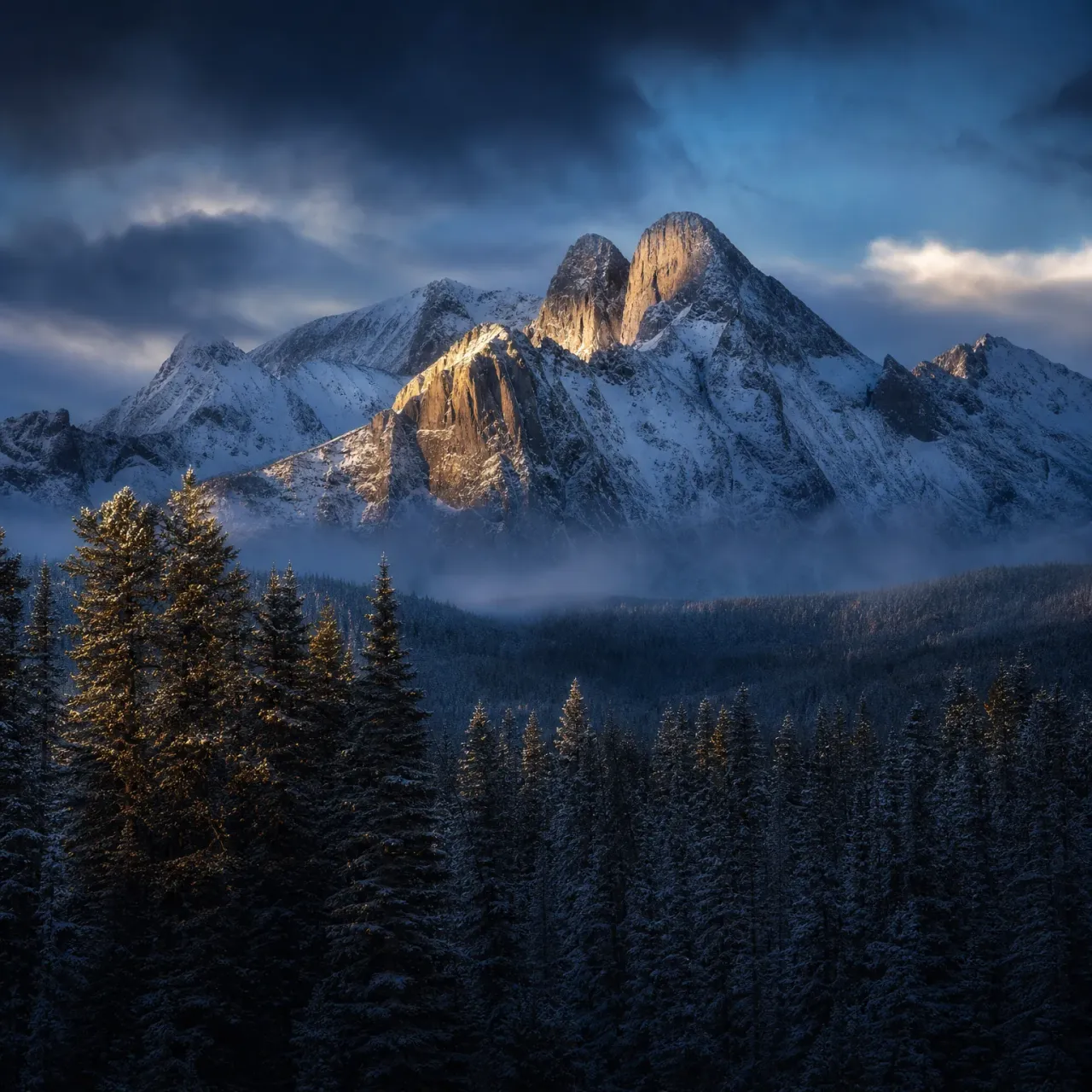
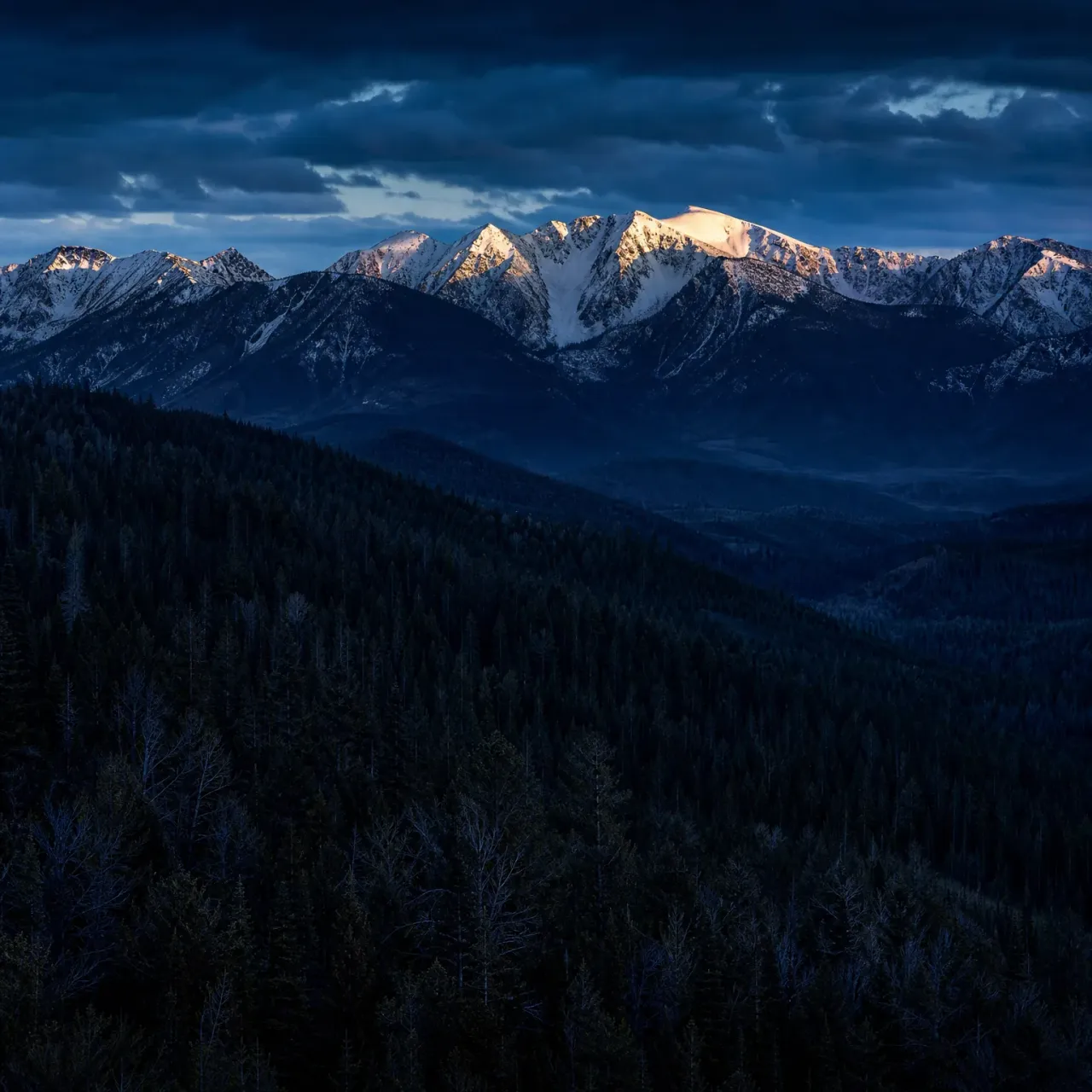
September is worth marking on the calendar. Heat starts up again in October here and runs through May, so a furnace that fails partway through that stretch leaves you without options for months, not weeks. Getting the install done in September means a crew can take time on the sizing and the venting instead of rushing a same-day fix while you have no heat. It also means you're picking the unit, not settling for whatever's on the truck that day. Wait until the first cold snap and you're choosing from whatever's available, on whatever timeline a busy crew can offer.
Montezuma County falls in climate zone 5B, where any new gas furnace has to meet at least 80 percent AFUE. That minimum holds until the end of 2028, when it steps up to 95 percent for furnaces built after that date. A furnace bought now only has to clear the lower bar, but one built to the higher standard burns less gas doing the same job.
Find a contractor
Eight months of heat, overnight lows averaging 19 degrees, and winter storms hitting this county 115 times over the last decade. That's what this furnace runs against every winter. A unit sized right for those nights cycles on, holds steady, and shuts back off. One sized for the average runs longer to catch up, and the parts that start and stop the most feel that first, the igniter, the blower motor. Get the sizing right and the furnace spends those eight months working, not struggling to keep up.
The AFUE rating is the share of gas that turns into heat for the house. The rest goes out the flue unused. A higher-rated furnace wastes less of what it burns, winter after winter, for as long as it runs. A lower-rated furnace sends more of that gas straight outside.
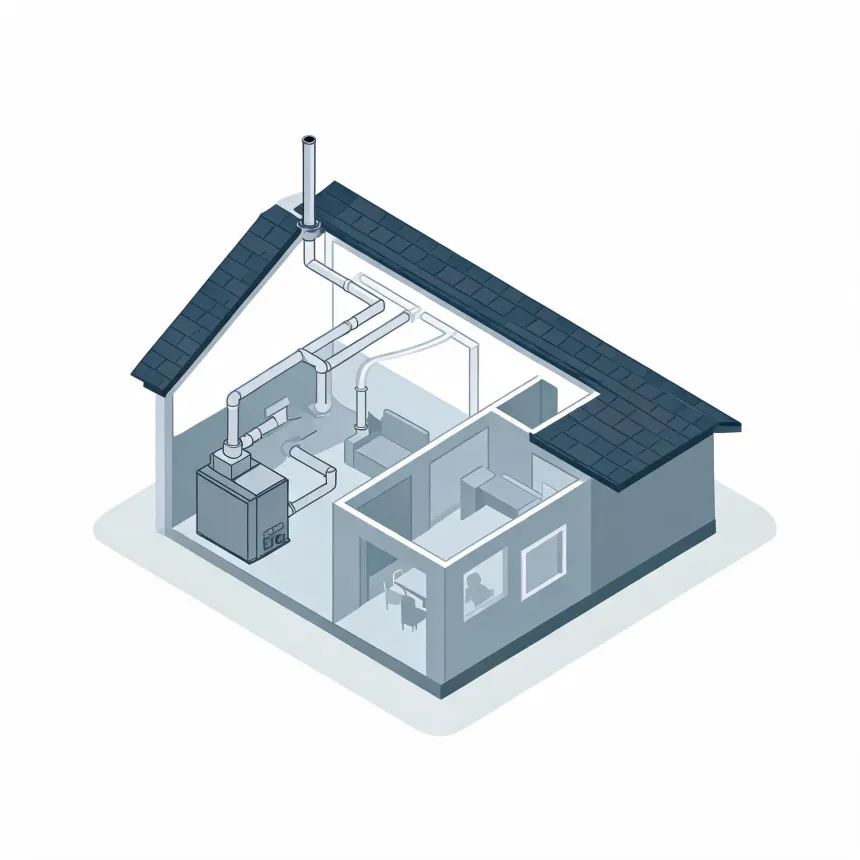
A furnace built to a higher AFUE isn't just a better-tuned version of a cheaper one. It vents differently, often through PVC pipe out a wall instead of a metal flue through the roof, because the exhaust runs cooler. That changes what the installer has to run and where. Ask what rating you're buying before you ask what it costs, since the venting is part of that number, not separate from it.
Estimates for a typical Montezuma County home, from EIA household energy data, Colorado fuel prices and NOAA climate normals. Your home will differ.
The old furnace comes out first, and that's when a crew sees what the last install actually left behind. The new unit gets set, leveled, and the gas line connected and checked for leaks before anything else happens. Venting comes next, sized to the furnace going in, not just reused from the old one. Ductwork gets connected and sealed where it meets the furnace, since a loose joint there wastes heat before it ever reaches a room. The system gets fired up and run through a full cycle, checking that it ignites cleanly, the blower kicks on, and it shuts off the way it should. Before anyone leaves, the thermostat gets set up and the airflow gets checked room by room.