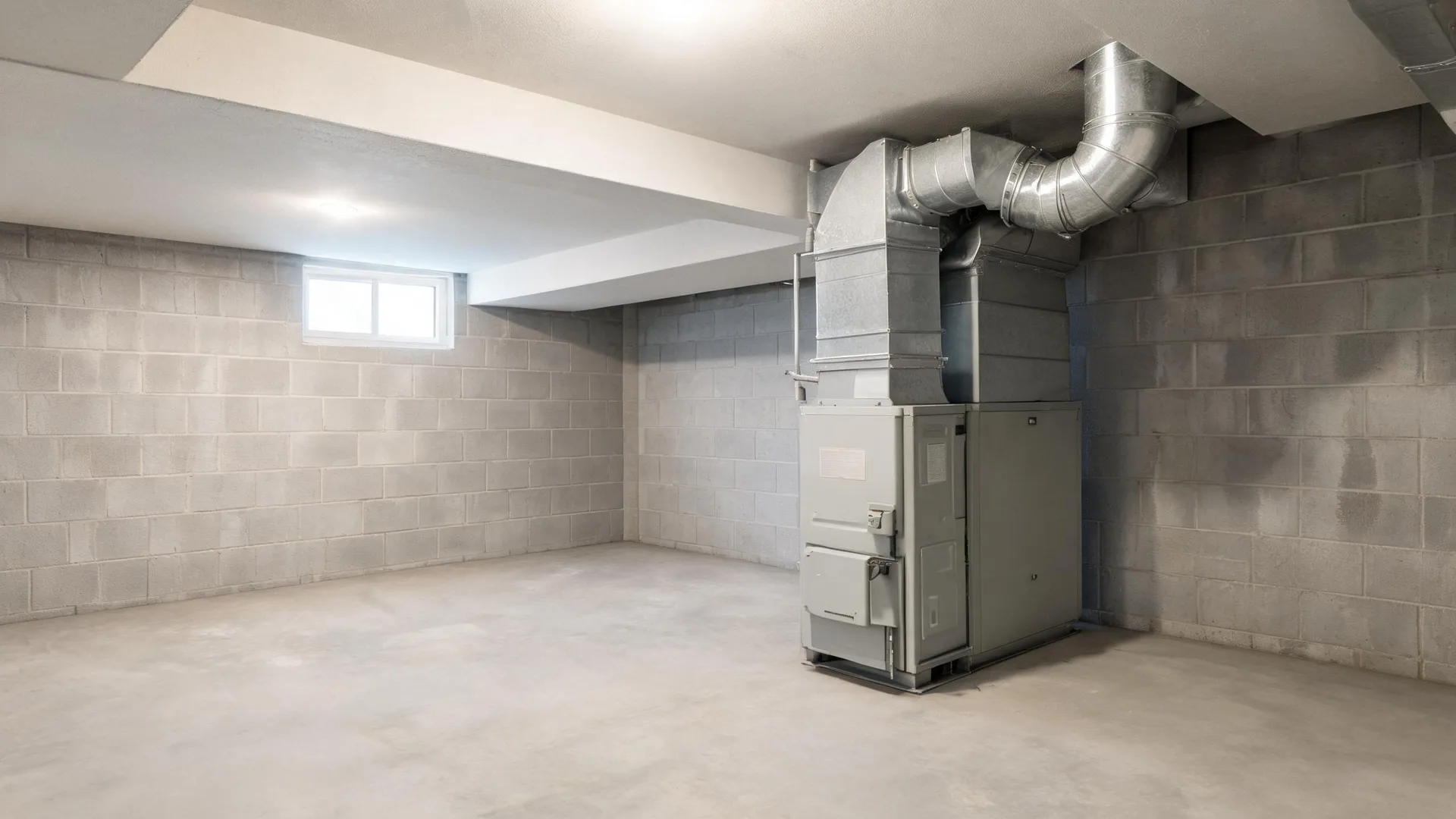
Gas is the default here
Utility gas heats 64.9% of homes in Fremont County. If your house already has a gas line run to a furnace, putting in another gas furnace is the straightforward path.
Takes about a minute. No obligation.
Utility gas heats 64.9% of homes in Fremont County. If your house already has a gas line run to a furnace, putting in another gas furnace is the straightforward path.
A gas furnace is the system most contractors in this area install and work on. That means parts are on hand and whoever you hire has likely seen your model before.
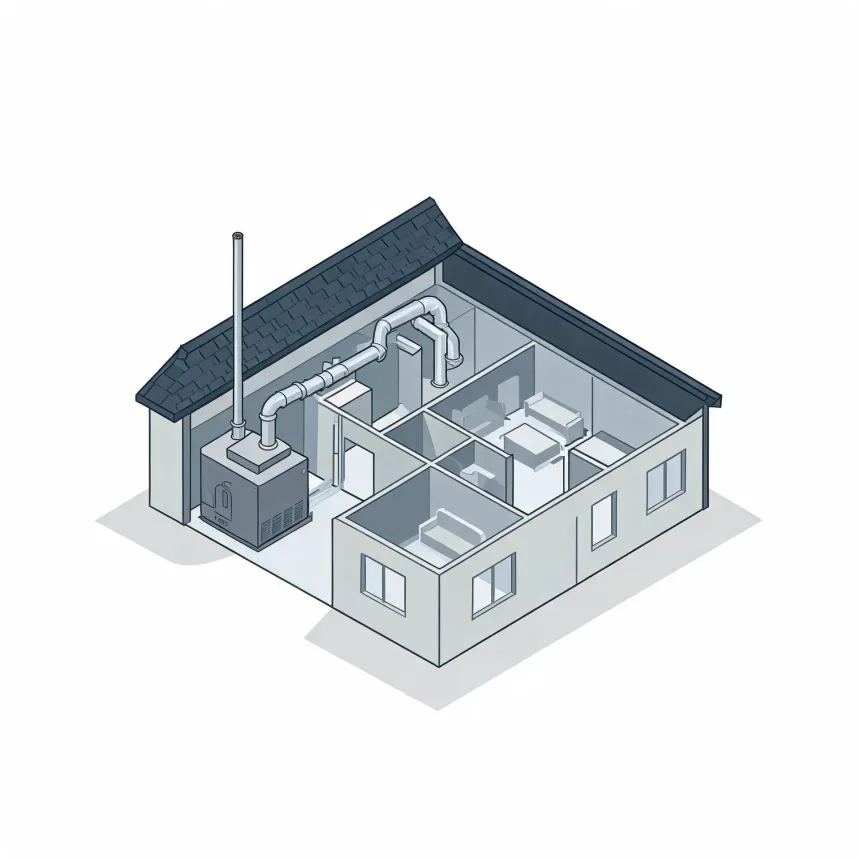
NOAA nClimDiv, 1991–2020 normals
The furnace is one piece of the job, not the whole bill.
Sizing the system to the house and matching the ductwork to it is what decides whether the install goes smoothly or turns into extra work.




A furnace for a Cañon City home doesn't need to be oversized or loaded with extra stages to handle this area. Half the homes here were built in 1981 or earlier, and half since, which is a normal spread and not a sign that houses here need special treatment. Mobile homes make up 14% of the housing stock, and those do need a furnace rated for manufactured housing rather than a standard model, so it's worth checking which type your house needs before anything gets ordered. Outside of that one distinction, a contractor sizing a furnace here is doing the same load calculation they'd do anywhere, based on your house, not the county.
Any furnace installed here now has to hit at least 80.0 percent AFUE, the federal minimum for this area. That floor is set to jump to 95.0 percent for furnaces built from December 2028 on, so what qualifies today won't always. A federal tax credit is available on qualifying high-efficiency equipment, worth asking about while you're comparing systems.
Find a contractorHeat runs here from September through May. That's most of the year, not just the cold snap in January. Overnight lows average 15°F through December, January and February, so on a winter night the furnace is holding a big gap between outside and the temperature you've set, for hours at a stretch. A unit sized and installed right carries that load season after season without issue. One that's undersized or poorly matched to the ductwork has to run longer to close the same gap, and the parts that start and stop it wear sooner for it.
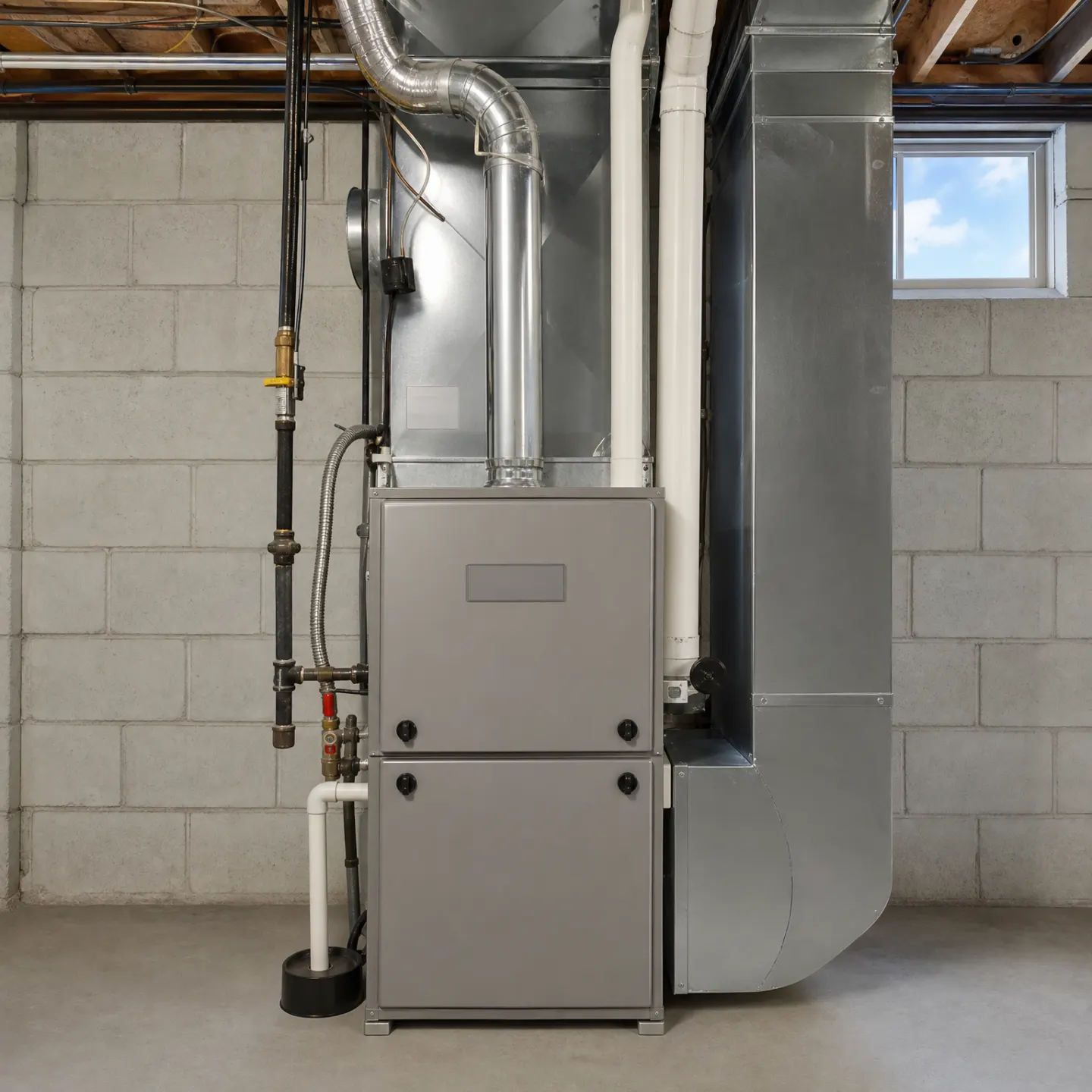
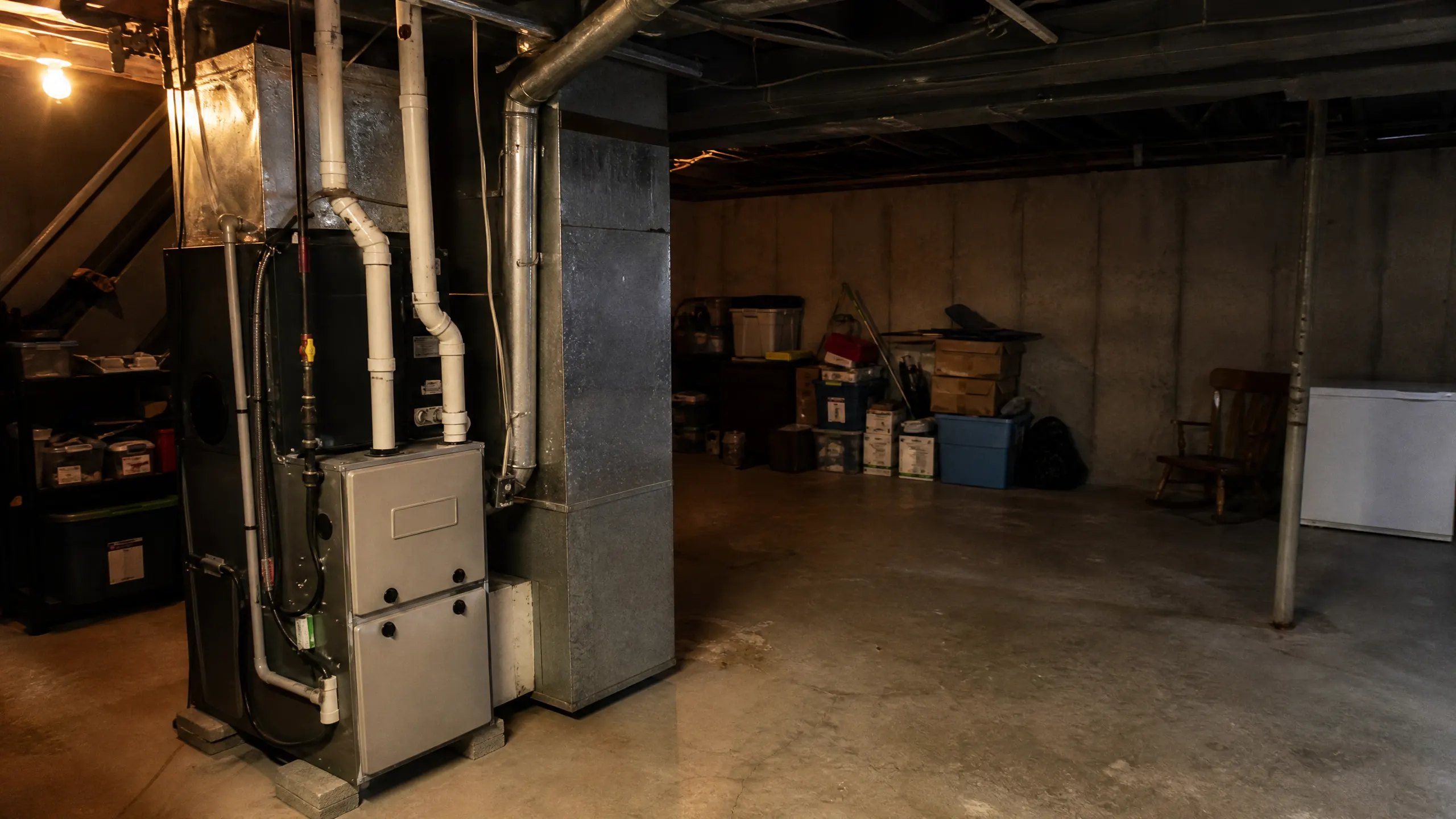
A contractor disconnects the gas line, the vent pipe and the duct connections, then takes the whole cabinet out. It has to come out to get the new furnace sized and set where it belongs, especially if the new one is a different height or width.
The heat exchanger and cabinet are steel, and most of what's left gets scrapped and recycled rather than hauled to a landfill. If the old furnace still has a working pilot or standing ignition system, some of those parts get pulled for reuse before the rest is scrapped.
Estimates for a typical Fremont County home, from EIA household energy data, Colorado fuel prices and NOAA climate normals. Your home will differ.
The old furnace has to be gone before anyone can measure for the new one. Once it's out, the installer checks the opening it leaves, because the new cabinet may not be the same height or width, and the duct collar it connects to has to line up square or get rebuilt until it does. The gas line gets pressure tested before it's hooked to the new furnace, not just reused as is. Venting is checked too. A high-efficiency furnace vents through PVC pipe run to the outside wall, not up the old metal flue, so that part of the job can mean new pipe where none existed before. Once the furnace is set, leveled and connected, the installer fires it up and checks the flame, the temperature rise across the heat exchanger, and the airflow at the vents before calling the job done.