



Illuminated timber-and-stone luxury homes along a residential street at dusk, with snow-capped mountains visible in the background.

Heat Pump Installation in Steamboat Springs, CO

Tell us about the job

Takes about a minute. No obligation.

Step 1 of 3: Equipment

Electricity in Routt County runs 16.81 cents per kilowatt-hour on average. That is higher than most counties in the country pay. A heat pump runs on electricity for every degree it moves, so that rate applies to every hour it runs. In a place where power already costs more, the efficiency of the unit itself carries more weight than it would somewhere else. Two systems can heat the same house and leave you with very different bills, just because of how much electricity each one needs to do it.

10 months
September through June, your system heats
11°F
the average winter night it heats against
74°F
the average summer afternoon it cools against
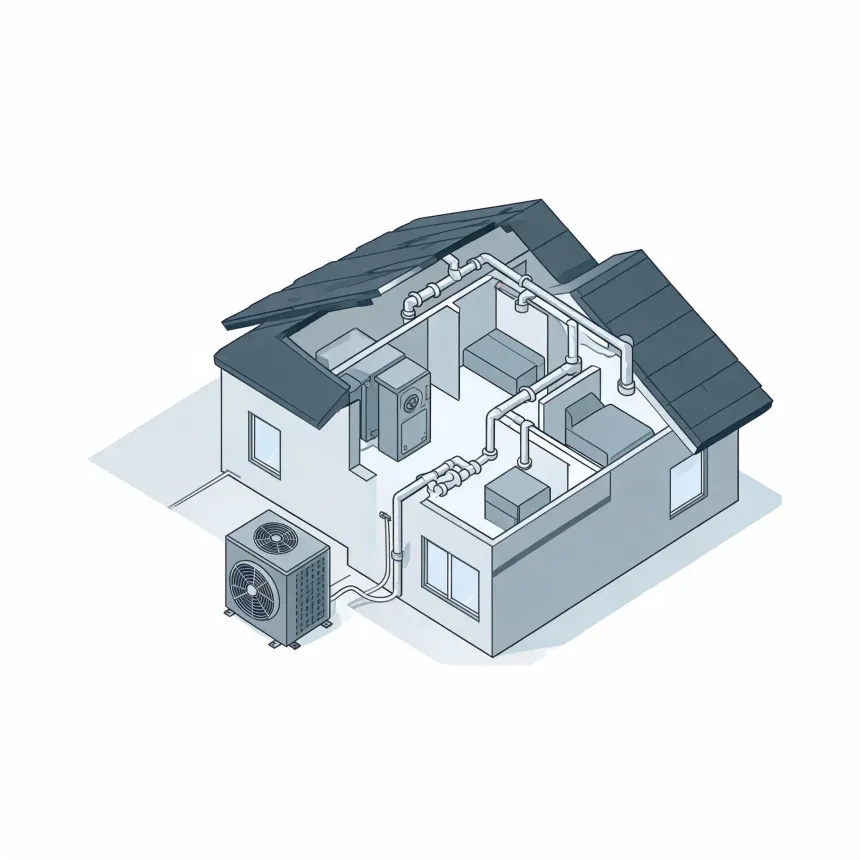
Isometric grayscale illustration of a cutaway two-story house showing interior ductwork, an indoor air handler unit, and an outdoor condenser unit on a pad beside the building.

Routt County logged 202 winter storms between 2015 and 2024, and a heat pump has to keep pulling heat out of air that keeps getting colder.

A unit sized for an easy climate will struggle here, so getting the size right matters more than the price on the sticker.

Gas heats this county, so a heat pump here usually means adding to that system, not tearing it out

45.6% of homes heat with gas
47 damaging wind events from 2015 to 2024
202 winter storms from 2015 to 2024

Routt County falls under climate zone 7 in the 2021 energy code, the cold end of the scale. Any split-system heat pump installed here has to meet the federal minimum for that class of equipment: at least 14.3 Btu of heat moved per watt-hour of electricity over the summer, and at least 7.5 Btu per watt-hour over the winter. That floor rules out the lower end of what gets sold in milder parts of the country. A unit that clears the federal minimum by a wide margin will often qualify for a federal tax credit, which brings down what the install costs you up front. Worth checking which models on your list qualify before you decide.

The right system pays you back here more than most places

Get the sizing and the equipment right at install and that electric rate works for you instead of against you, bill after bill. The difference between an efficient heat pump and a mediocre one shows up every month you run it.

Find a contractor
A man in a dark shirt and work boots carries a canvas tool bag filled with tools up wooden porch steps toward a navy blue front door of a shingled house, with a potted shrub to the right.
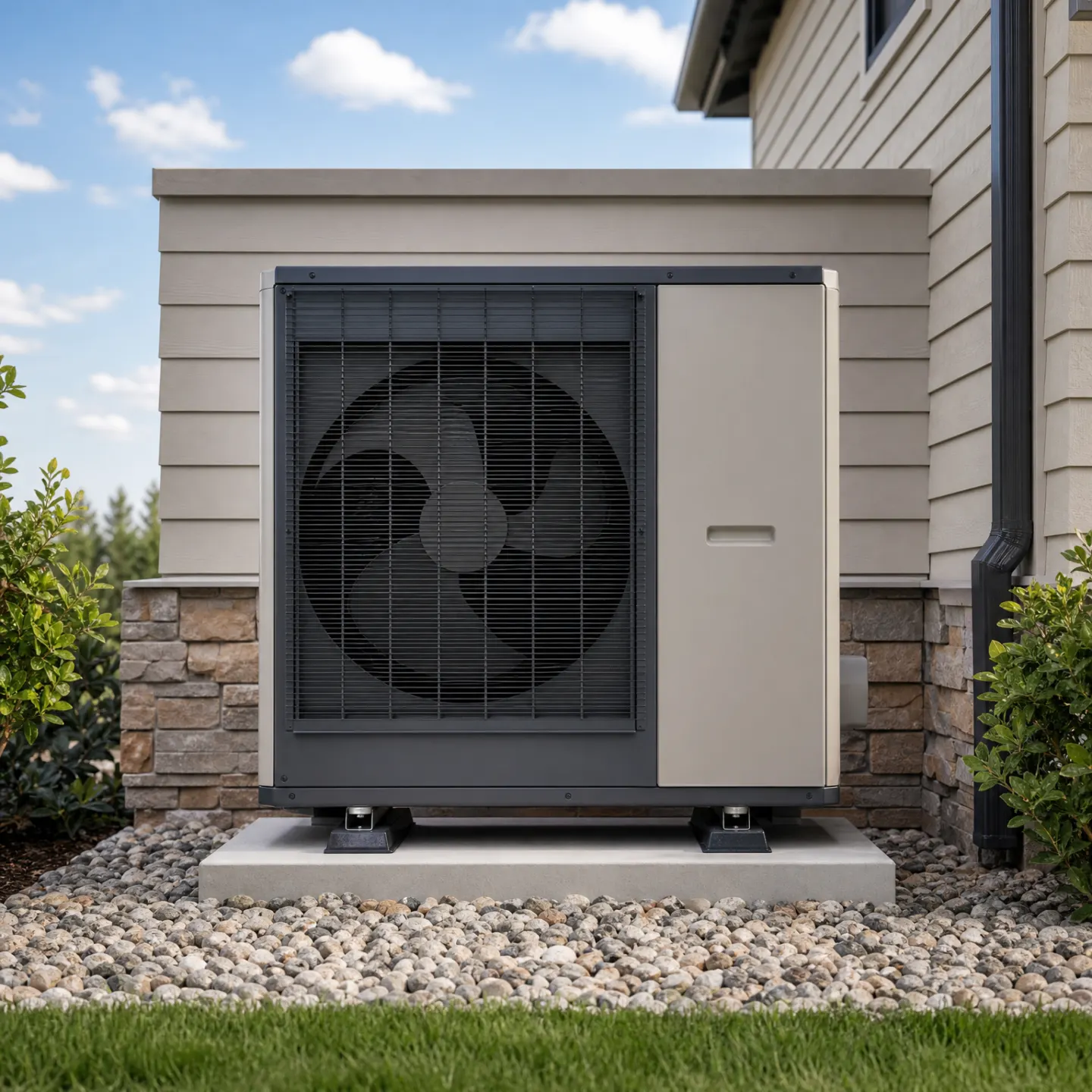
A gray heat pump outdoor unit mounted on a concrete pad next to the stone-accented exterior wall of a house.

Ten months of heat a year means August is the month to act

Heat runs here from September through June, about ten months of the year. That's most of the calendar carried by one machine. Homes in this county start running heat in September, which means August is the month to have the new system already in and tested, not the month to start shopping. Wait for the old one to fail once the cold sets in, and you're choosing from whatever a crew has on the truck that day, not the unit sized right for your house. An install finished in August gets checked and adjusted while the weather still allows it.

The old system doesn't have to come out

If a furnace is already doing the work, a heat pump can be installed alongside it instead of replacing it outright. The two share the ductwork, and a device called a changeover control decides which one runs based on the outdoor temperature. The heat pump carries the load most of the time, and the furnace takes over when it gets too cold for the heat pump to keep up efficiently. Nothing about the gas side has to be torn out for this to work.
What a contractor checks before deciding

Whether that old furnace stays in service comes down to its condition, not just its age. A contractor will look at the heat exchanger, check the venting, and confirm the blower can still move air the way the new system needs. A furnace with years of life left is worth keeping as backup. One that's already struggling is better replaced now, while the ductwork is open and being worked on, than pulled out later as a second project.

What you pay for an installation comes down to how much work the job takes, not just the equipment sitting on the truck. A straightforward swap, same location, same ductwork, same electrical panel, costs less than a job where the lines have to run further or the panel needs an upgrade to handle the new load. Heat pumps pull more electrical current than the gas furnace they're paired with, and some older panels don't have the spare capacity for that without an upgrade. Ductwork matters too. If the existing ducts were sized for a furnace, a contractor has to check whether they can handle what the heat pump moves, since airflow needs run differently between the two. Where the outdoor unit goes, how much refrigerant line has to run, and whether a new thermostat or changeover control needs wiring all add labor before the equipment even turns on. None of that shows up on a spec sheet, but it shows up in the quote.

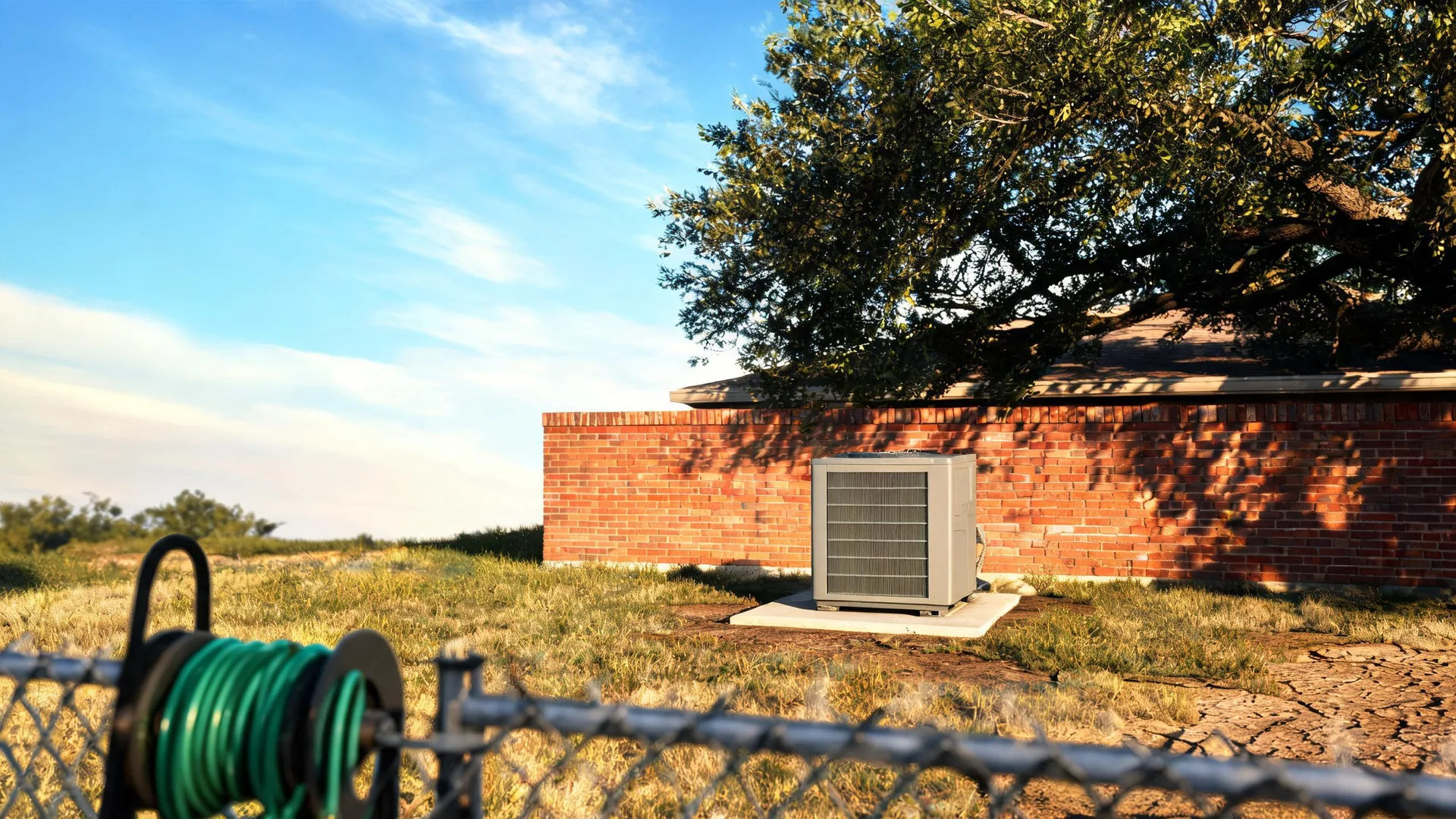
Routt County saw 250 severe weather events between 2015 and 2024, with damaging wind hitting 47 times and winter storms affecting the county 202 times. That matters for where the outdoor unit goes and what sits around it. A contractor will want it clear of the spot where snow slides off the roof, up on a stand above where drifts pile up, and away from branches that could come down on it. It also matters for what happens when the power goes out. A heat pump stops moving heat the moment the electricity does, and statewide, 13% of Colorado households lost power for 24 hours or more in 2024. If gas backup heat stays in place, it keeps working through an outage that would otherwise leave the house cold. Worth asking what happens to heat and hot water here if the power drops for a day.