Electricity here runs 16.75 cents a kilowatt-hour
That is higher than what most US counties pay. A heat pump runs on electricity, so every degree it has to make costs more here than it would somewhere else.
Takes about a minute. No obligation.
That is higher than what most US counties pay. A heat pump runs on electricity, so every degree it has to make costs more here than it would somewhere else.
Two heat pumps can heat the same house and use different amounts of power doing it. In a county where power costs this much, that difference shows up on your bill every month, not just once.
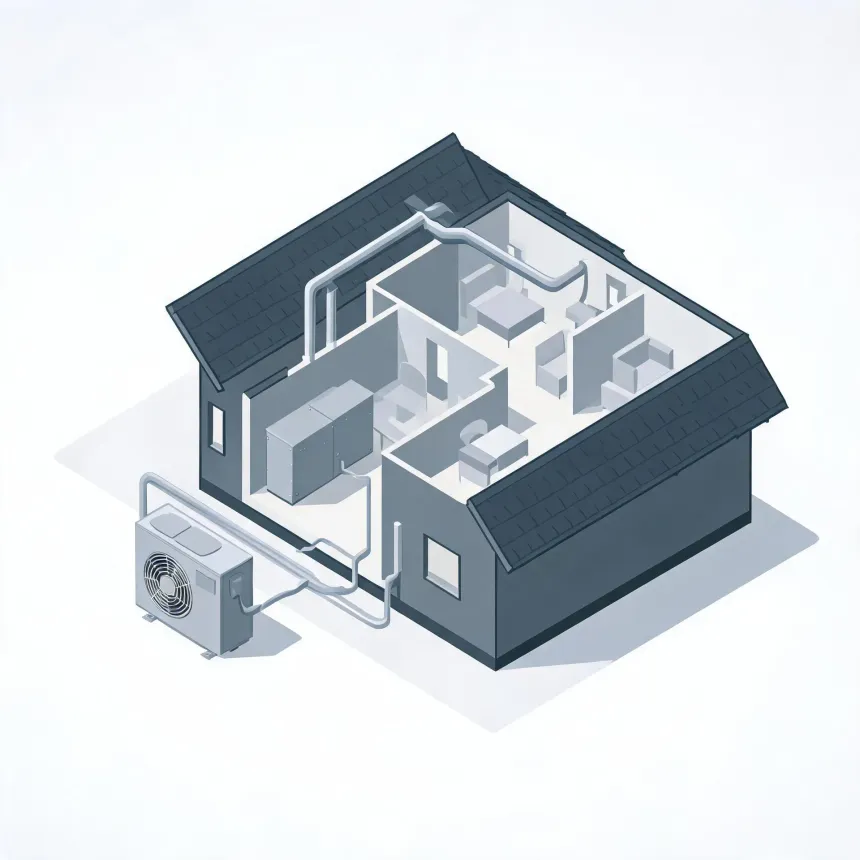
Rio Grande County logged 199 winter storms and 52 damaging wind events between 2015 and 2024.
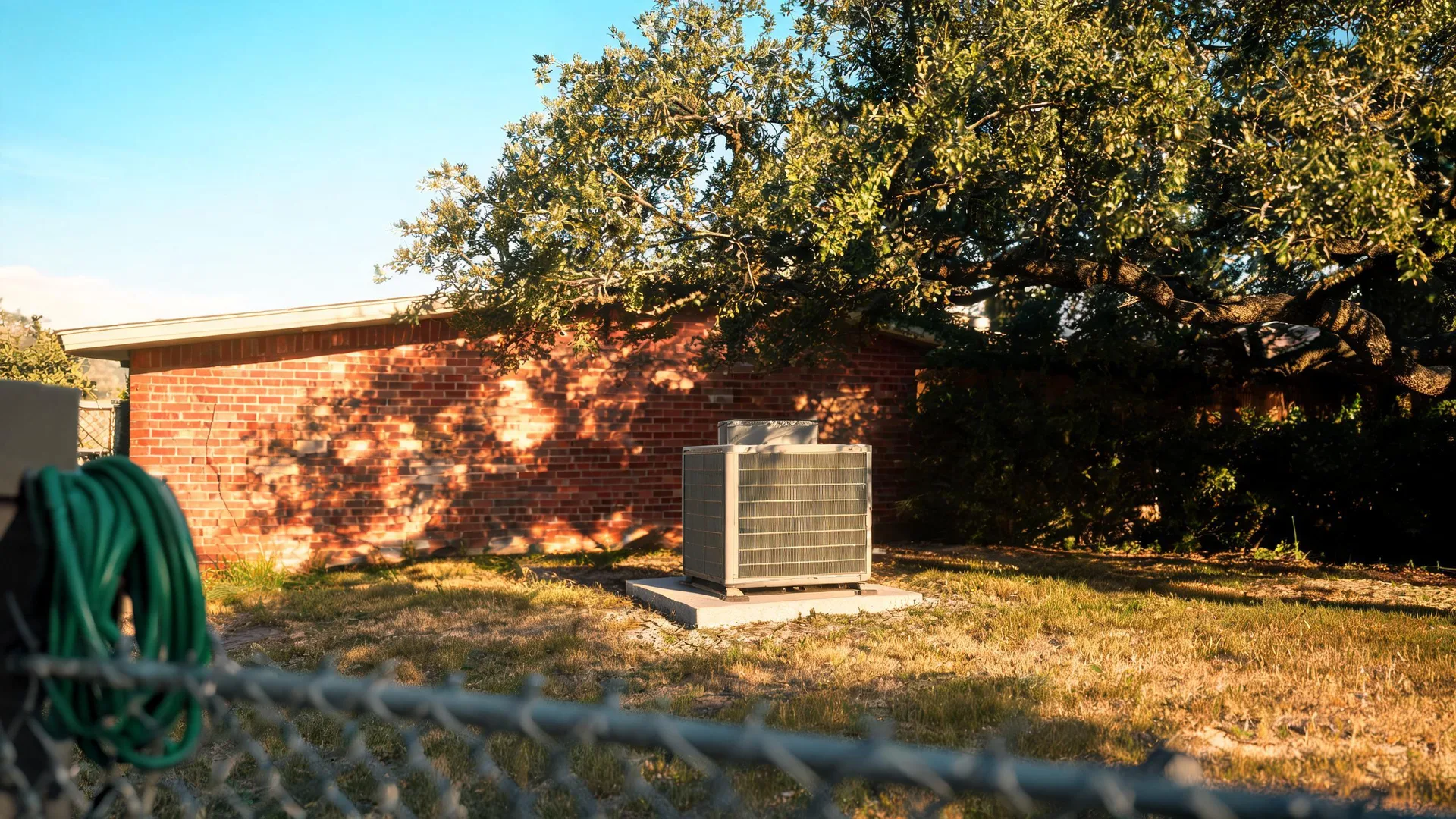
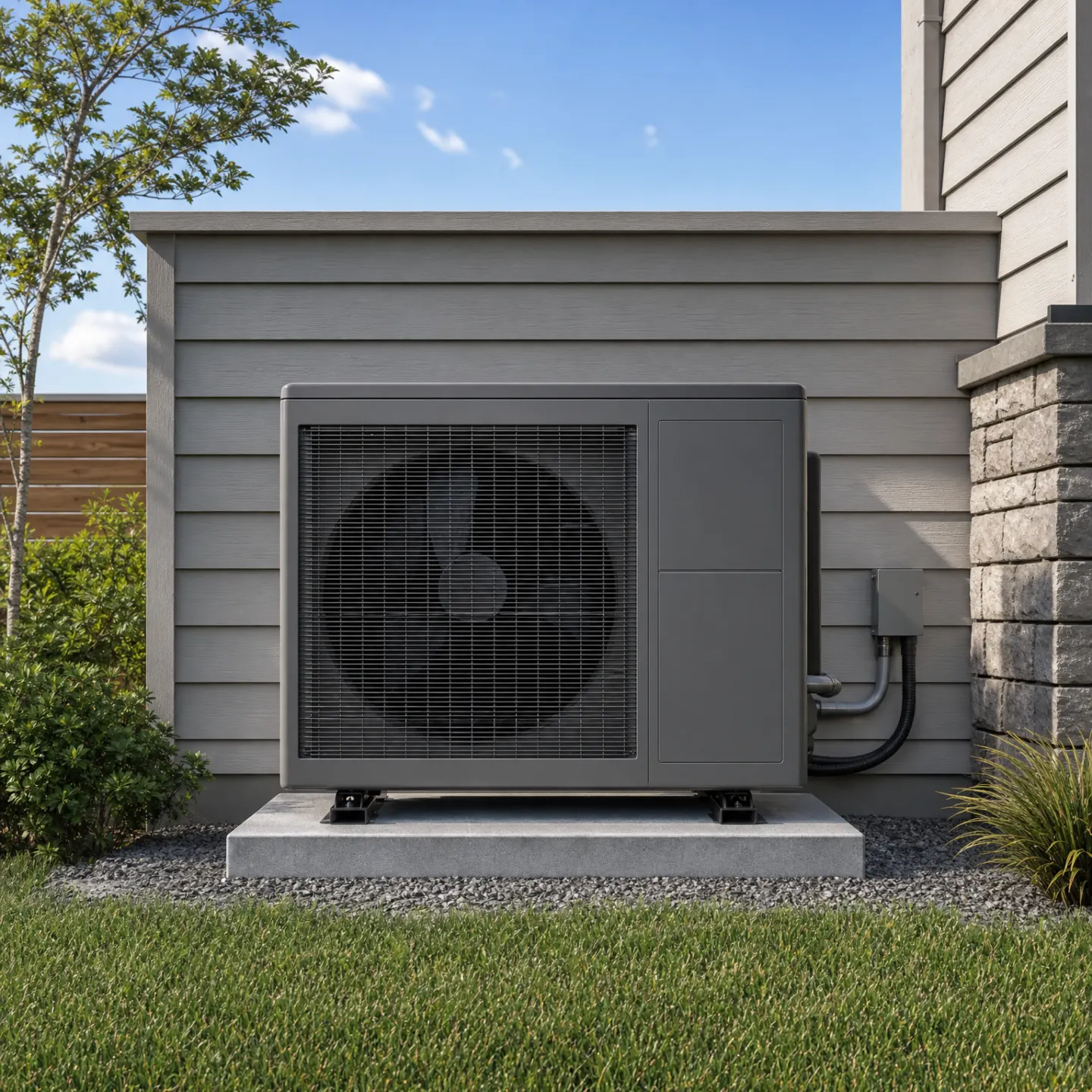
An outdoor heat pump unit sits outside through all of it, so where it goes and how it's protected is part of the installation.
Rio Grande County falls under zone 7 in the 2021 energy code, one of the coldest ratings there is. Any heat pump going in here has to meet that standard. For split systems built from 2023 on, the federal minimum is 7.5 Btu of heat for every watt-hour of electricity over the winter, and 14.3 Btu over the summer. That's the floor, not a target. It sets what can legally go into your house, but it doesn't tell you how a unit will actually hold up heating through a Monte Vista winter. There's also a federal tax credit available for qualifying systems, worth asking about when you're comparing equipment.
Settle which unit is going in before the install starts. Power here costs more than in most places, so the gap between an efficient heat pump and a mediocre one shows up on your bill all winter and all summer, not once. That's the comparison worth making now, while you still have the choice.
Find a contractorThat wears on more than the compressor. Winter storms hit this county 199 times between 2015 and 2024, and damaging wind another 52. Whatever sits outside is built to take that, but the install still matters. How the unit is mounted, where it sits, what shields it from blowing snow and wind, that's decided the day it goes in, not after the first bad storm proves it wrong.
A heat pump carries two efficiency numbers, one for keeping the house warm and one for keeping it cool. A unit can be strong at one and only average at the other. If you only look at a single number on the sticker, you might be comparing the wrong half of what the machine does.
That number comes from lab testing, not from a real house on the coldest night of the year. A heat pump works hardest exactly when the air outside is farthest from room temperature, and that's when its true output drops furthest below the rated figure. The rating tells you how the unit performs under easy conditions. It doesn't tell you what it has left when the weather turns hard.
Sizing a heat pump isn't a guess based on square footage. A contractor works out the heat loss and heat gain for the house, room by room, looking at wall and ceiling insulation, window area, and air leaks, to find out how much heating and cooling the place actually needs. Go too big and the unit short cycles, turning on and off in quick bursts instead of running steady, which wears on the compressor and leaves the air feeling damp and uneven. Go too small and it runs flat out on the coldest and hottest days and still can't keep up, leaning hard on backup heat strips that cost far more to run than the compressor itself. The right size keeps the unit running in long, steady cycles most of the time, which is where a heat pump holds its efficiency and its parts hold up longest. That calculation also decides duct sizing and airflow, so getting it right affects more than just the outdoor unit.
Outages are part of what you're planning for, not just storms. Statewide, 13% of Colorado households lost power for a day or more in 2024. Rio Grande County's own storm count, 199 winter storms and 52 damaging wind events between 2015 and 2024, is why that matters here. A gas furnace with no power won't fire either, so backup heat needs its own plan, whether that's a generator hookup or knowing how the house holds heat without one. Where the outdoor unit sits matters too, clear of snow slide paths and wind, on a stand that keeps it above drifting snow.