This county sees real storm activity
Boulder County logged 408 severe weather events between 2015 and 2024. That includes 161 winter storms, 125 hail events, and 120 damaging wind events. A tornado touched down once in that span too.
Takes about a minute. No obligation.
Boulder County logged 408 severe weather events between 2015 and 2024. That includes 161 winter storms, 125 hail events, and 120 damaging wind events. A tornado touched down once in that span too.
13% of Colorado households went at least a full day without power in 2024. A heat pump runs on electricity, for heat and for hot water if it's tied into your system. Where the outdoor unit sits and what backs it up both matter.
Heat runs in homes here from September through June.
Install the heat pump in August so the system is tested and running before the first cold morning, not during one.




Boulder County falls under zone 5B in the 2021 energy code, a cool, dry climate where heating carries more of the load than cooling. Any split-system heat pump installed here has to meet the federal minimum that took effect in 2023: at least 14.3 Btu of heat moved per watt-hour of electricity over the summer, and at least 7.5 Btu per watt-hour over the winter. That rule applies everywhere, but the heating number matters more here, since the system leans on heating most of the year. Not every heat pump on the market clears both numbers. A contractor sizing a system for this zone should be able to tell you where the unit you're considering lands against each one.
Installing now means deciding where the outdoor unit sits and what happens to heat and hot water when the power drops, while it's still on the table. Once the system is in and running, those decisions are harder to revisit.
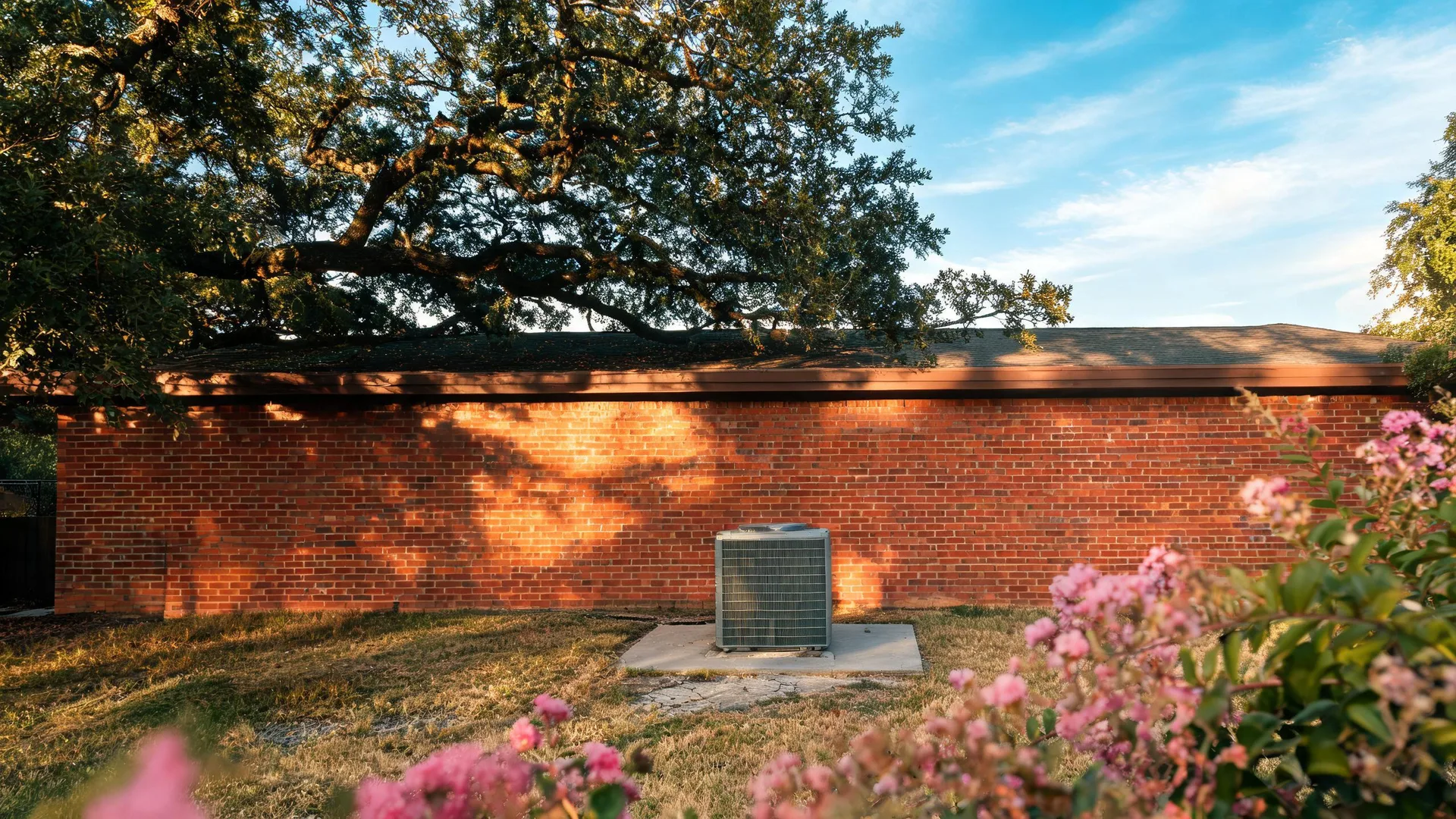
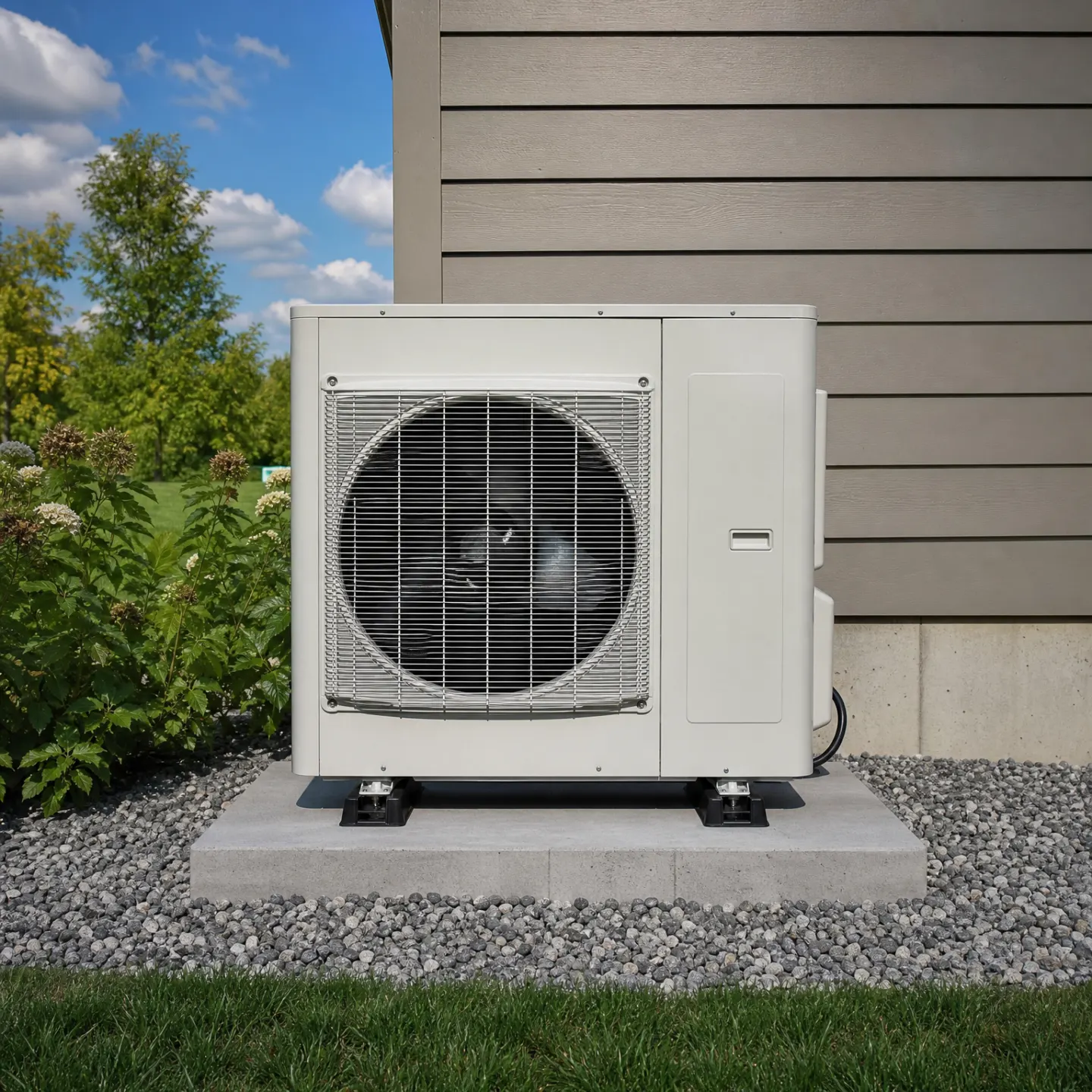
Find a contractorThe outdoor unit sits outside through all of it, the wind, the hail, the snow piling up around the base. Installing it with that in mind means picking a spot with cover where one exists, setting it up off the ground so drifting snow doesn't bury the coil, and having a contractor who sizes it to keep recovering heat through a hard freeze, not just on a mild day. None of that shows up on a spec sheet. It shows up the first time a storm rolls through after installation.
A contractor sizes and sets the new heat pump, then disconnects the furnace or AC once the new line set and wiring are ready. The old equipment keeps running until the new one can take over, so there's no gap with no heat or cooling in the house.
Most installs here pair the heat pump with the existing furnace rather than removing it. The heat pump carries the heating and cooling load most of the year, and the furnace stays connected as backup for the coldest stretches. Removing a working furnace is a separate decision, not a required step.
Sizing a heat pump isn't about matching the old furnace's output. A contractor works out heat loss and heat gain for the house itself: how much heat escapes through the walls, windows and roof on the coldest day, and how much heat builds up inside on the hottest one. That calculation drives the size of the unit, not a guess based on square footage. Too big and the system short cycles, turning on and off instead of running steady, which wears the compressor and leaves rooms feeling clammy. Too small and it runs flat out without keeping up, especially once the temperature drops hard. The ductwork gets checked too, since a unit sized right but choked by undersized ducts still won't deliver the air it's rated for.
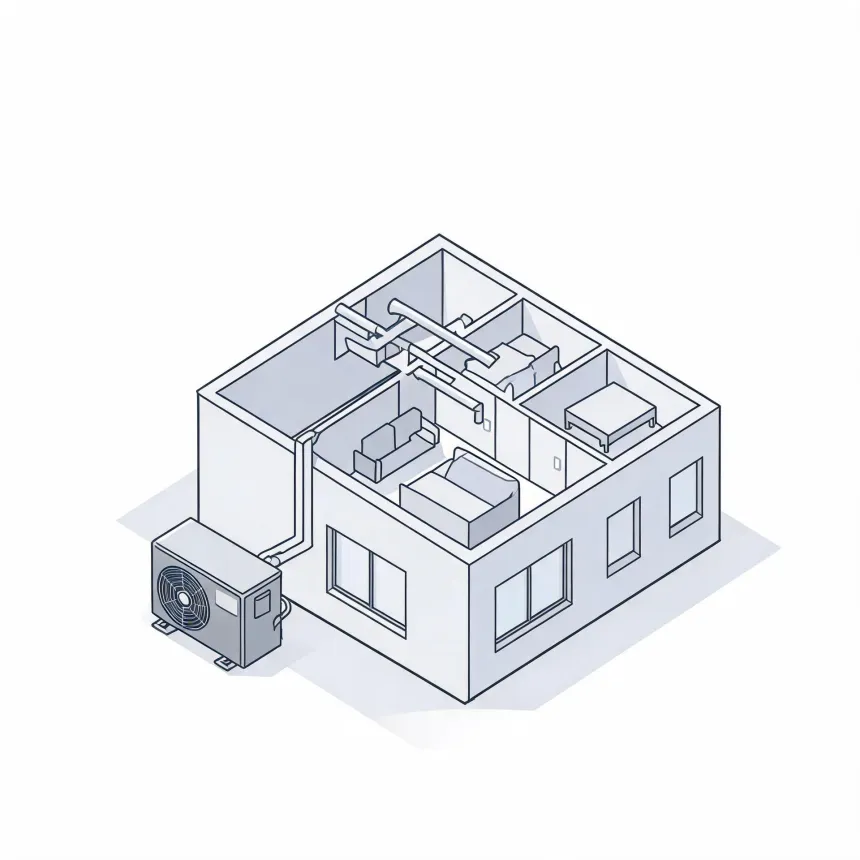
Install day starts with the outdoor unit and the indoor coil, not the thermostat on the wall. A crew sets the outdoor unit on its pad first, then runs the line set between it and the air handler or existing furnace, since that's what carries refrigerant back and forth. Electrical work comes next: a dedicated circuit for the outdoor unit, and often an upgrade to the disconnect box beside it. Once the lines are connected, the system gets evacuated with a vacuum pump to pull out moisture and air, because either one left in the lines ruins the refrigerant charge. Only after that does the refrigerant go in, charged to the exact weight the manufacturer specs for the length of line run. The last step is commissioning: checking airflow at the vents, confirming the charge against pressure readings, and letting the system run a full heating and cooling cycle before the crew leaves.