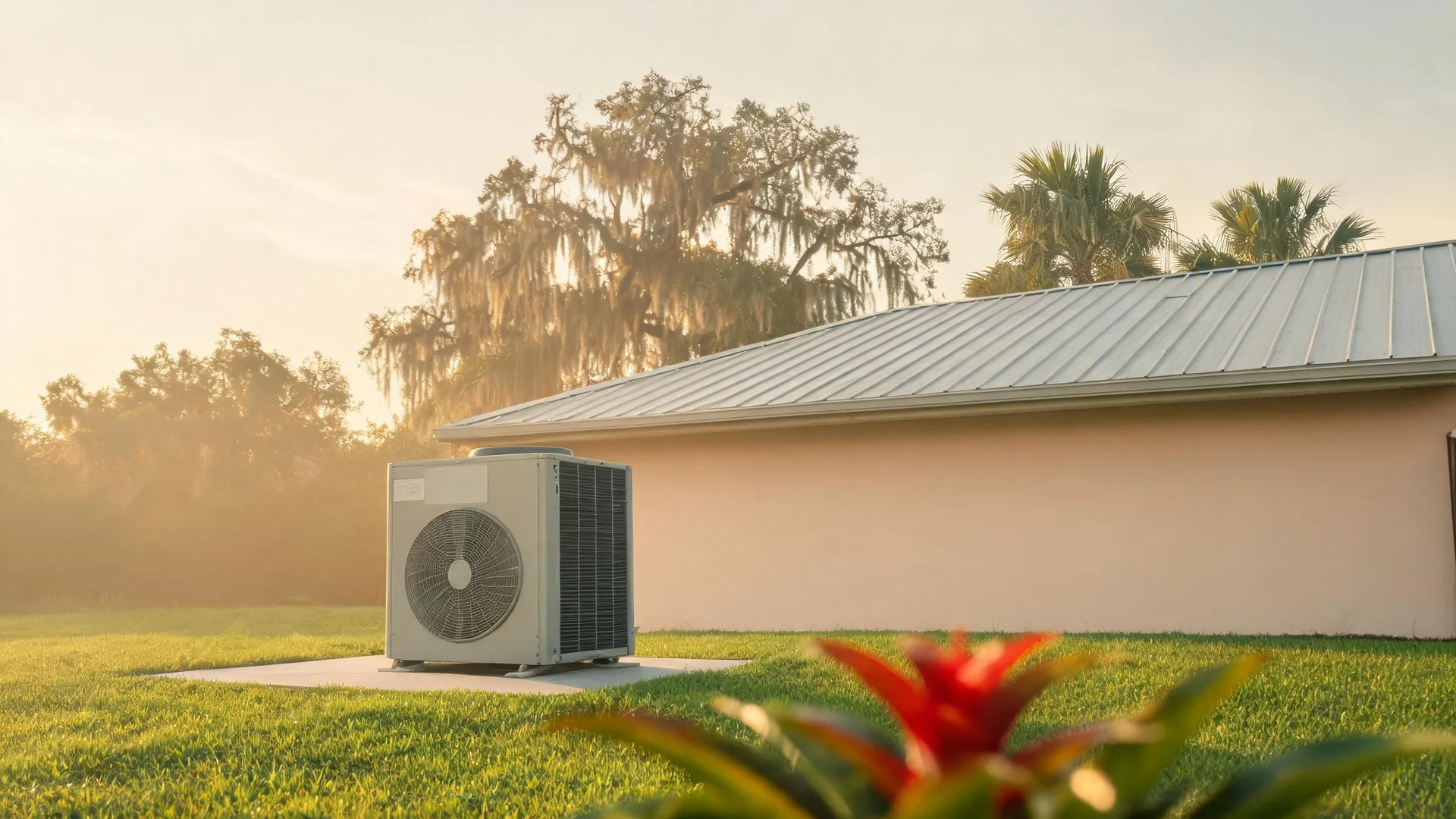
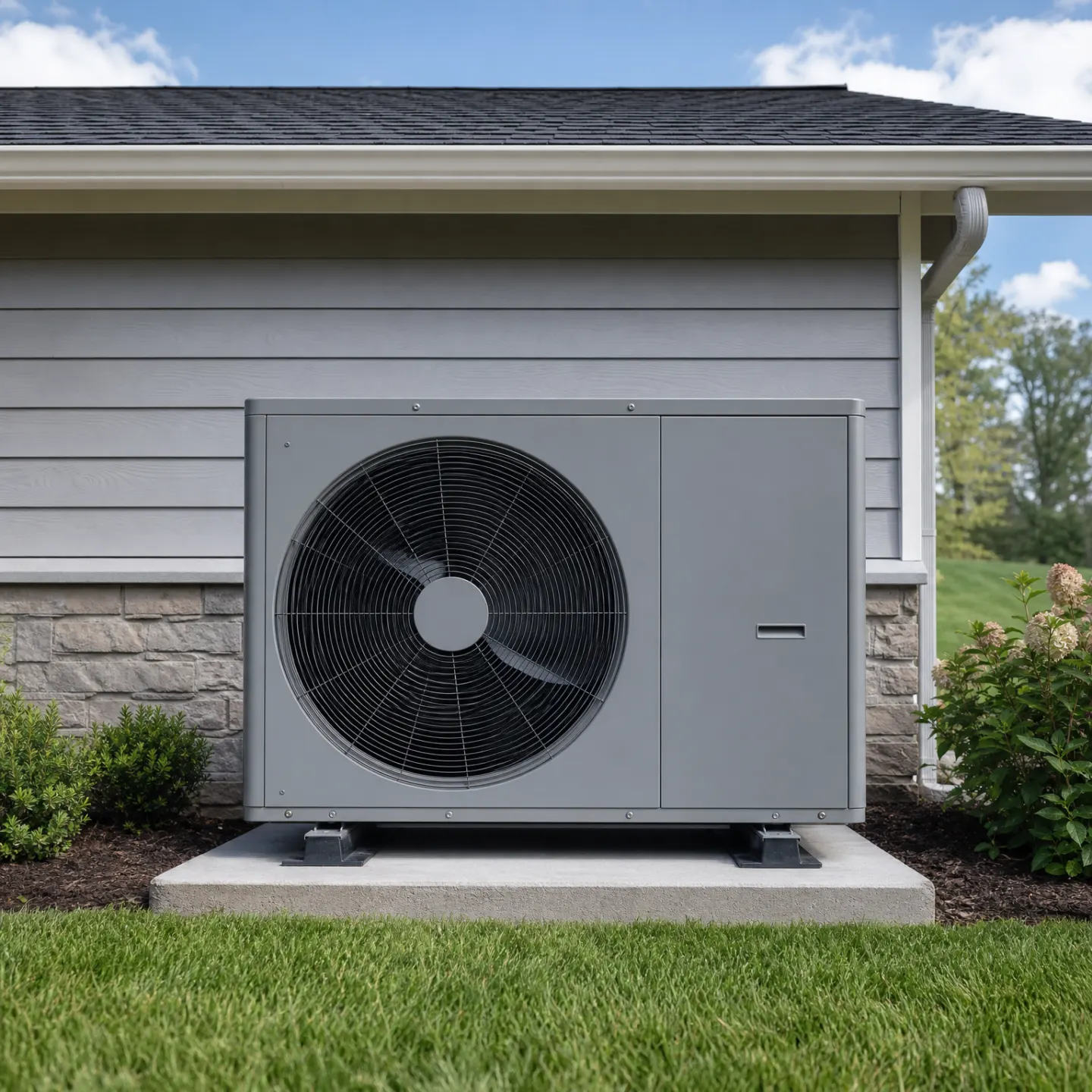
Hail and wind are regular visitors here
Jefferson County logged 152 hail events and 114 damaging wind events between 2015 and 2024, on top of 113 winter storms. An outdoor heat pump unit sits outside year round, taking whatever comes.

Takes about a minute. No obligation.
Jefferson County logged 152 hail events and 114 damaging wind events between 2015 and 2024, on top of 113 winter storms. An outdoor heat pump unit sits outside year round, taking whatever comes.
13% of Colorado households went at least a full day without power in 2024. A heat pump needs electricity to run, so an outage that long affects both heat and hot water, not just the lights.
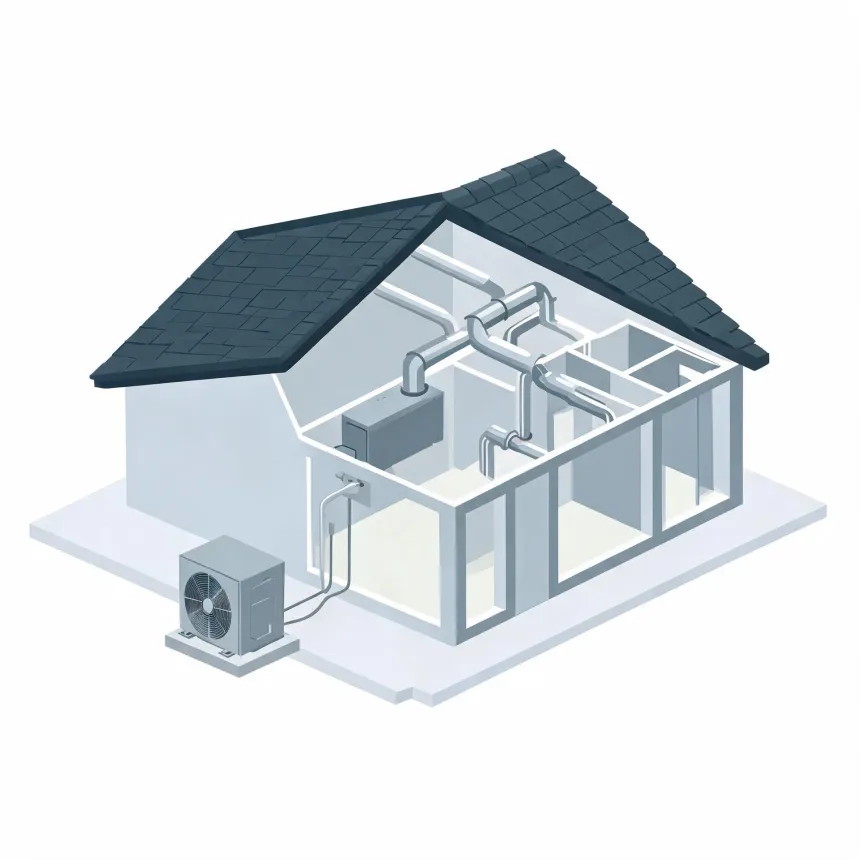
NOAA nClimDiv, 1991–2020 normals
Gas heats 72.2% of homes in Jefferson County.
A heat pump installed alongside that gas furnace can switch over to it when the power is out.




Electricity in Jefferson County runs 15.88 cents per kilowatt-hour on average. A heat pump moves heat instead of burning fuel to make it, so it gets more warmth out of each kilowatt-hour than straight electric heat does. That matters more here than somewhere with cheap power, because every inefficiency shows up on the bill at a higher rate. The efficiency rating on the unit being installed is worth asking about for this reason alone. A system sized and installed right keeps that rate working for you instead of against you, all year.
Pick the install for this. Have the contractor place the outdoor unit where hail and wind do the least damage, and ask what the system does for heat and hot water when the power goes out. If it's going in next to a gas furnace, make sure the switchover is part of the setup, not an afterthought.
Find a contractorThis unit is going to sit outside through every one of those storms, running most months of the year. That adds up to a lot of hours taking hail, wind and snow load while it's actually working, not parked. Ask the contractor about a unit with a solid cabinet and coil guard, and where it goes matters as much as what it is. A spot under an eave or away from the fence line takes less of a beating than one sitting out in the open.
A heat pump's rating covers heating and cooling separately, since it's doing opposite jobs in different months. One number tells you how it performs pulling heat in from outside, the other tells you how it performs rejecting heat in cooling mode. A unit can be strong on one side and average on the other, so look at both before deciding.
That number comes from lab conditions: correct refrigerant charge, matched indoor and outdoor units, ductwork sized to move the air the system expects. Install it with a mismatched coil or a duct system that's too restrictive and the unit won't reach the number on its label. The rating is a ceiling, not a guarantee, and getting there depends on the install as much as the equipment.
What a heat pump installation costs comes down to more than the box on the wall outside. The size of the system matters most. A unit too big for the space cycles on and off and never settles into steady, efficient operation, while one too small runs flat out and still falls short on the coldest days. Getting that size right means someone has to calculate the heat loss and heat gain of the space, not just match the old equipment. Ductwork is the other big piece. If the existing ducts are undersized, leaky, or routed poorly, they may need rework before the new system can move the air it's rated for, and that labor can cost more than the equipment itself. The line set between indoor and outdoor units, the electrical circuit feeding it, and whether the existing disconnect and breaker can handle the new load all factor in too. A straight swap, same place, same ducts, same electrical, is the simplest job there is. Anything that has to be routed, upsized, or relocated adds to it.
Jefferson County falls under zone 5B in the 2021 energy code, a zone where heating carries the bigger load and the air stays dry. Any split-system heat pump installed here, if manufactured from 2023 on, has to hit federal minimums on both sides of that job: at least 14.3 Btu of heat moved per watt-hour in cooling, at least 7.5 Btu per watt-hour in heating. That's not a target to aim for, it's the floor. Equipment that falls under it isn't legal to install here regardless of price or brand. Ask the contractor to show the rating on whatever unit they're proposing before it goes in, not after.