Two ratings, two jobs
The label carries two numbers. SEER2 covers cooling, HSPF2 covers heat. A heat pump works both sides of the year, so both numbers matter for what it costs you to run, not just one.
Takes about a minute. No obligation.
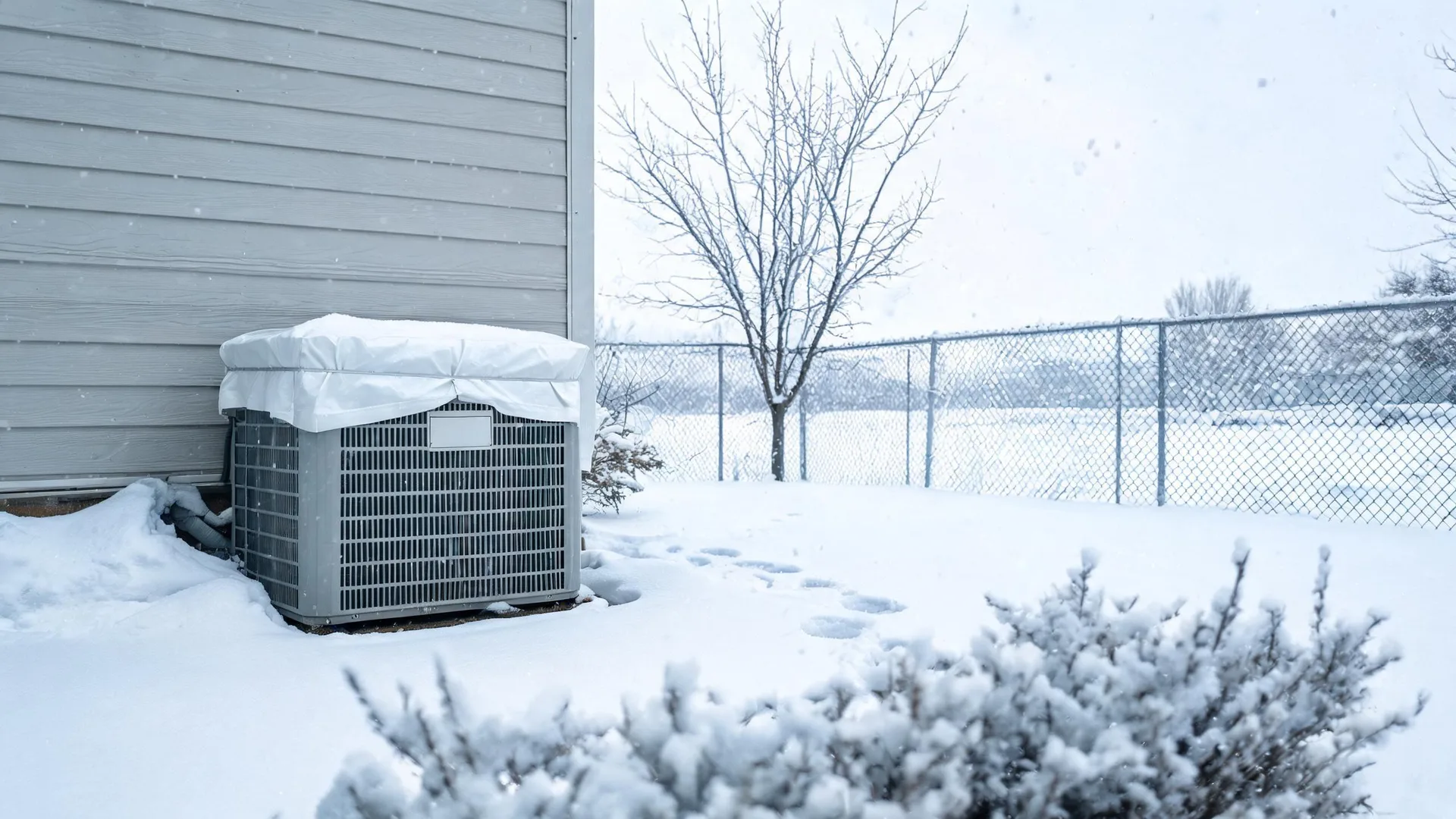
Mesa County logged 182 winter storms and 152 damaging wind events between 2015 and 2024, plus 14 hail events and a tornado. The outdoor unit sits through all of it, year after year, with no wall around it. Statewide, 13% of Colorado households went at least a day without power in 2024. A heat pump needs power to run, for heat in the winter and air conditioning in the summer, so a long outage matters more here than in a place with milder weather. None of this says your home will get hit. It says the risk is common enough in this county to plan for before the install, not after.
NOAA nClimDiv, 1991–2020 normals
Heat here runs nine months, September through May.
Install before August and the new system is ready before it has to carry the house.



Electricity in Mesa County averaged 15.80 cents per kilowatt-hour in 2025. A heat pump runs on that rate every month it operates, for heat and for cooling both. The efficiency rating on the unit decides how many of those kilowatt-hours it takes to do the job. A higher-efficiency model costs more to install and less to run, and at this rate that difference shows up on every bill, not just a few of them. Ask the installer what SEER2 and HSPF2 numbers they are quoting, and compare them against what you have now.
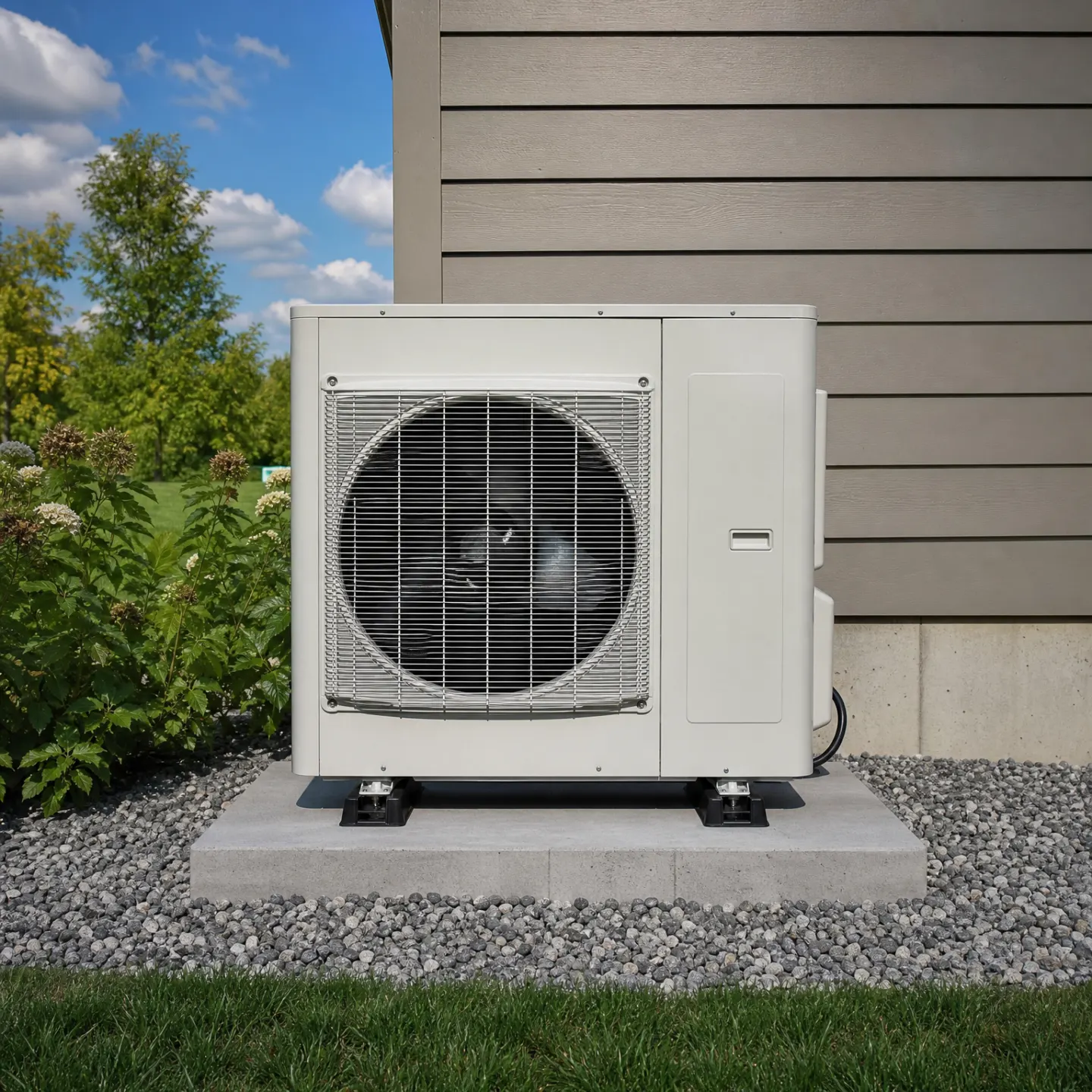
Where the installer puts the outdoor unit and what's around it matters here. Ask about a pad placement that's clear of roof runoff and falling branches, and whether a backup plan for heat and hot water makes sense for your home. Settle it during the install, while it's still a question on paper.
Find a contractorThe outdoor unit sits outside through every storm that comes through, then goes right back to running once the weather clears. That kind of load adds up faster here than in a place with calmer weather. When you're comparing bids, ask whether the installer is sizing the unit for this county's weather or just for the square footage of the house. A unit sized right from the start carries the load without straining, year after year.
The label carries two numbers. SEER2 covers cooling, HSPF2 covers heat. A heat pump works both sides of the year, so both numbers matter for what it costs you to run, not just one.
That number comes from lab conditions. Ductwork that leaks, a unit sized wrong for the house, or a thermostat set to fight itself all pull the real result below what the label promises. The rating tells you what the equipment can do. The installation decides how much of that you actually get.
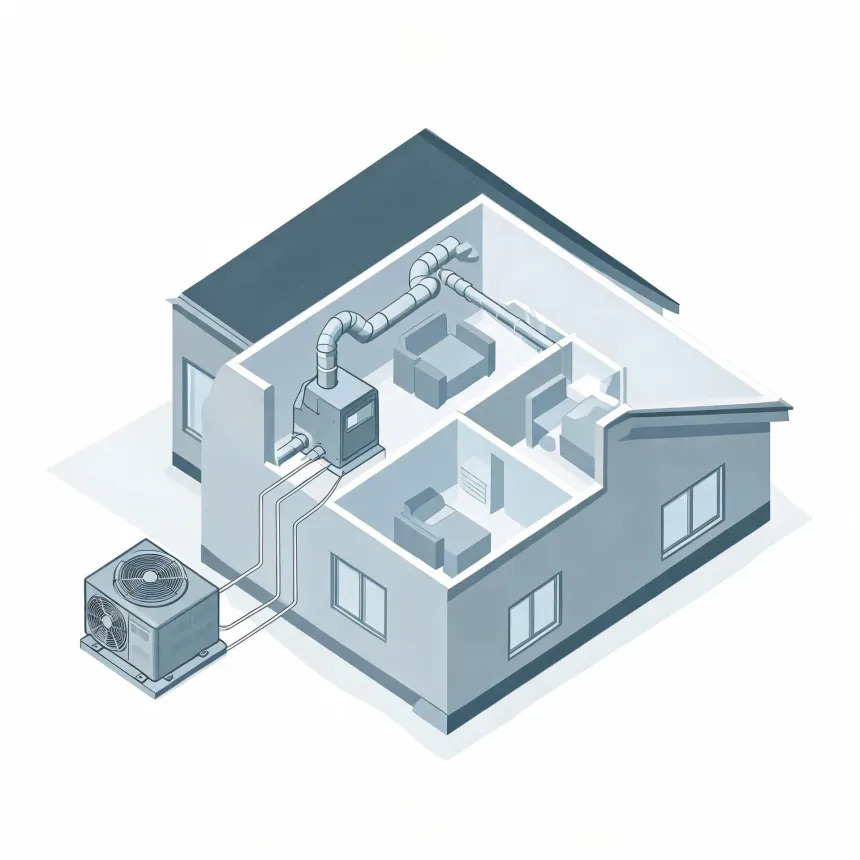
A heat pump quote is really three things bundled together: the equipment, the ductwork it ties into, and the labor to size and set it up right. Ask what's included before you compare a single number between bids. Find out what happens to the existing ductwork, since a heat pump moves a different volume of air than a furnace and old ducts sized for gas heat don't always carry it well. Ask how the installer is sizing the unit, and whether that's a room-by-room load calculation or a guess based on the old system's size. Ask what backup heat the system uses when outdoor temperatures drop low, since most heat pumps pair with some form of supplemental heat for the coldest days. Ask about the warranty on the compressor separately from the warranty on labor, because those run on different terms and come from different parties. The lowest bid and the best-fit system are not always the same system.
Utility gas heats 73.5% of homes in Mesa County, far more than any other fuel. Electricity is next at 18.9%, with LP gas making up most of what's left. That split matters for a heat pump install, because most of the houses an installer sees here still have a gas furnace to work around or replace. If your ductwork was built for gas heat, ask how the installer plans to tie the heat pump into it, or whether the furnace stays on as backup heat for the coldest days. A county running mostly on one fuel means installers here have the experience with gas-to-heat-pump jobs specifically, not just heat pumps in general.