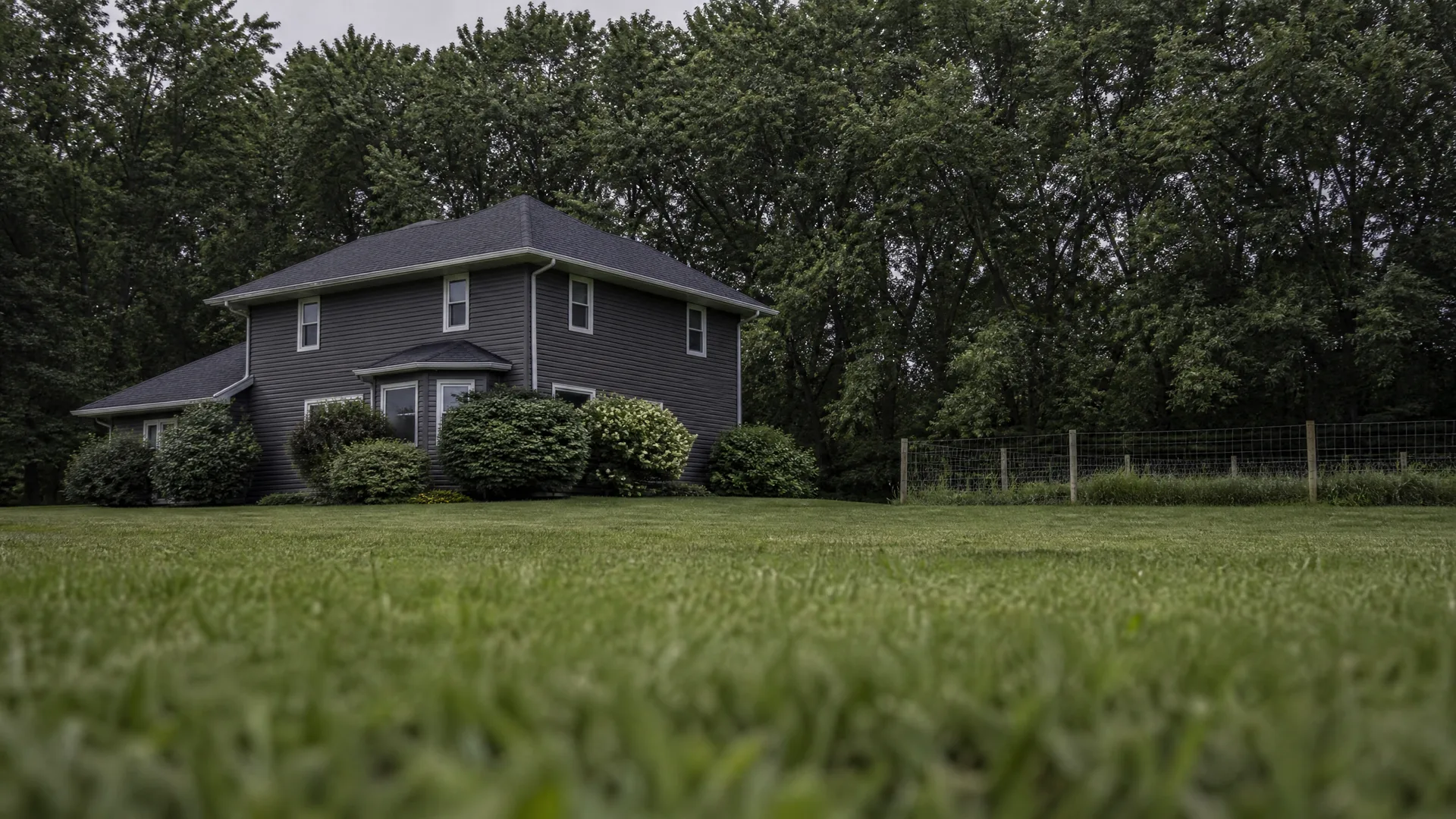



A two-story dark gray sided house with a shingled hipped roof stands behind shrubs and a lawn photographed from ground level, with dense green trees behind it and a wire fence to the right.

Heat Pump Installation in Fort Morgan, CO

Tell us about the job

Takes about a minute. No obligation.

Step 1 of 3: Equipment

Just over half the homes in Morgan County heat with gas, and most of the rest run on electricity. Gas furnaces are what a lot of contractors here know best, and ductwork built for a gas furnace is usually sized to work with one. A heat pump can still go in alongside that setup, paired with the furnace for backup on the coldest nights, or it can take over heating and cooling on its own. Which setup makes sense depends on what's already in the house and what the ducts can handle, so that's worth going over with the contractor before deciding.

8 months
October through May, your system heats
3 months
June through August, it cools
16°F
the average winter night it heats against
88°F
the average summer afternoon it cools against
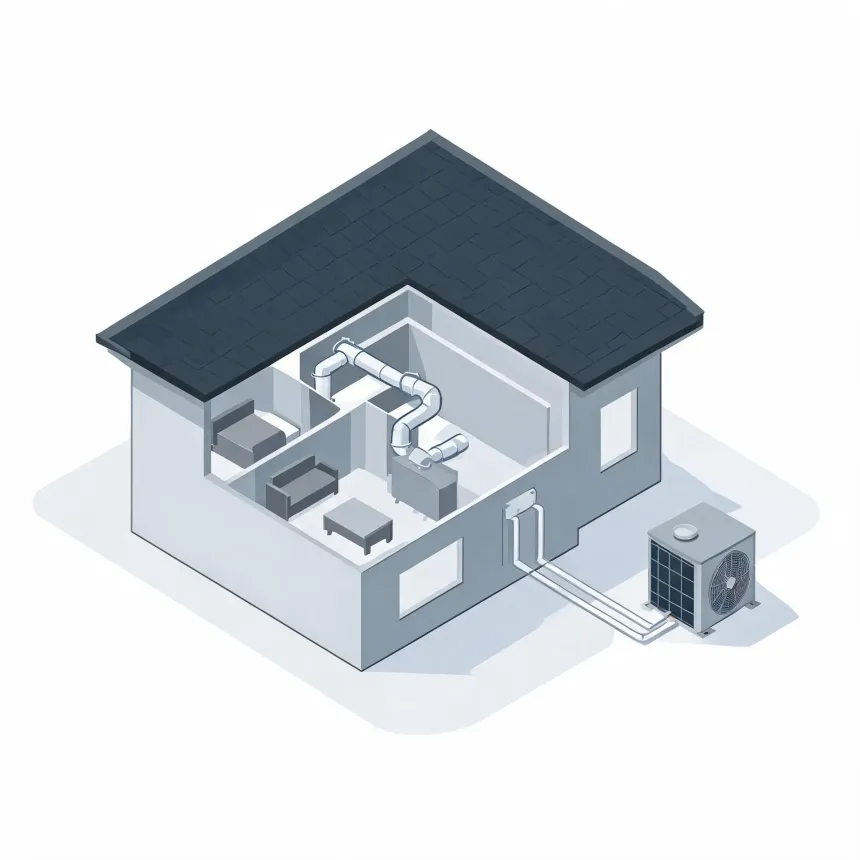
Isometric illustration of a cutaway single-story house showing interior ductwork, an indoor air handler and simple furniture, connected by lines to an outdoor condenser unit beside the building.
Your system heats October through May and cools June through August.

NOAA nClimDiv, 1991–2020 normals

Half the homes in Morgan County were built in 1975 or earlier, half since.

A standard-sized heat pump handles either one, with nothing here that calls for sizing up.

Heat runs October through May here. Install before the cold sets in, not during it.

Cooling runs June through August
Heat runs October through May
55 damaging wind events from 2015 to 2024

Electricity in Morgan County runs about 11.67 cents a kilowatt-hour, cheaper than most of the country. That changes the math on which heat pump to buy. A higher-efficiency model pulls down the power bill, but with power already this cheap, it takes longer to earn back the difference in cost. Here, picking a heat pump for reliability and the right fit for the house makes more sense than chasing the highest efficiency rating on the shelf. A contractor can walk through which models hold up well through a Morgan County winter without asking you to pay extra for savings that take years to show up.

A standard heat pump is the right call here

A standard-sized heat pump holds up fine here. Morgan County sees plenty of hail and wind, and outdoor units are built to take weather like that, so there's no case for oversizing or upgrading equipment on account of storms. Fit the unit to the house, not the forecast.

Find a contractor
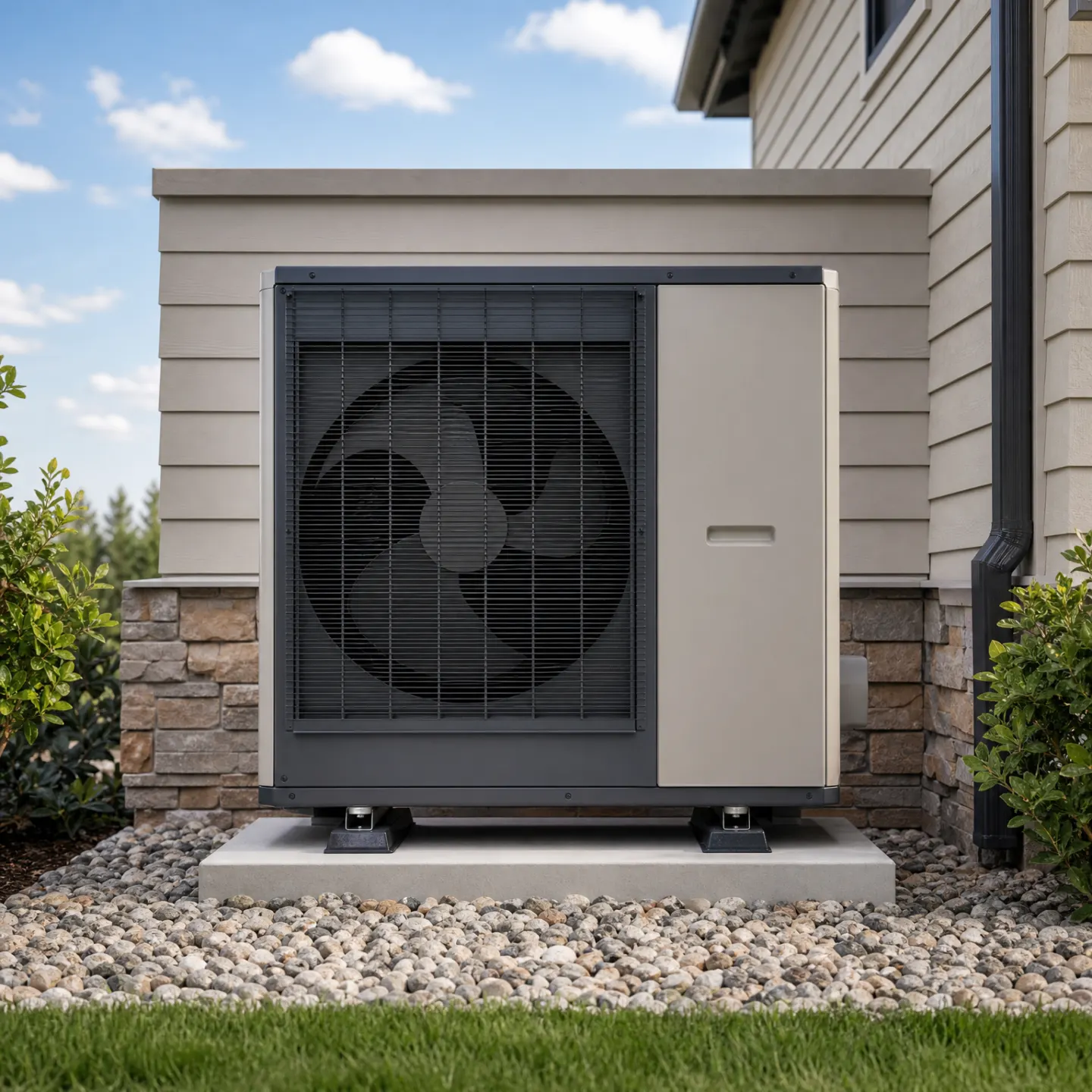
A gray heat pump outdoor unit mounted on a concrete pad next to the stone-accented exterior wall of a house.

What to ask when you're comparing systems

Two systems can carry the same rating and still not be the same machine. Ask what happens at the low end, the point where outside air gets cold enough that the heat pump starts losing ground. Some units hold their output much further down than others before backup heat has to step in. Ask about the compressor too. A variable-speed compressor adjusts its output to match what the house needs, running longer at a lower level instead of cycling on and off. That steadier run time means fewer stops and starts, and fewer stops and starts means less wear on the parts that handle startup, like the capacitor and the contactor. Ask how the system defrosts. Every heat pump builds up frost on the outdoor coil in cold weather and has to reverse itself briefly to clear it. Some do this on a timer whether the coil needs it or not. Others sense frost and only run the cycle when it's actually forming, which wastes less heat. Last, ask what backup heat the system pairs with and how the two are set to work together. The switchover point between heat pump and backup can usually be adjusted, and where it's set changes how much work each one ends up doing over a winter.

The old system doesn't just get hauled off

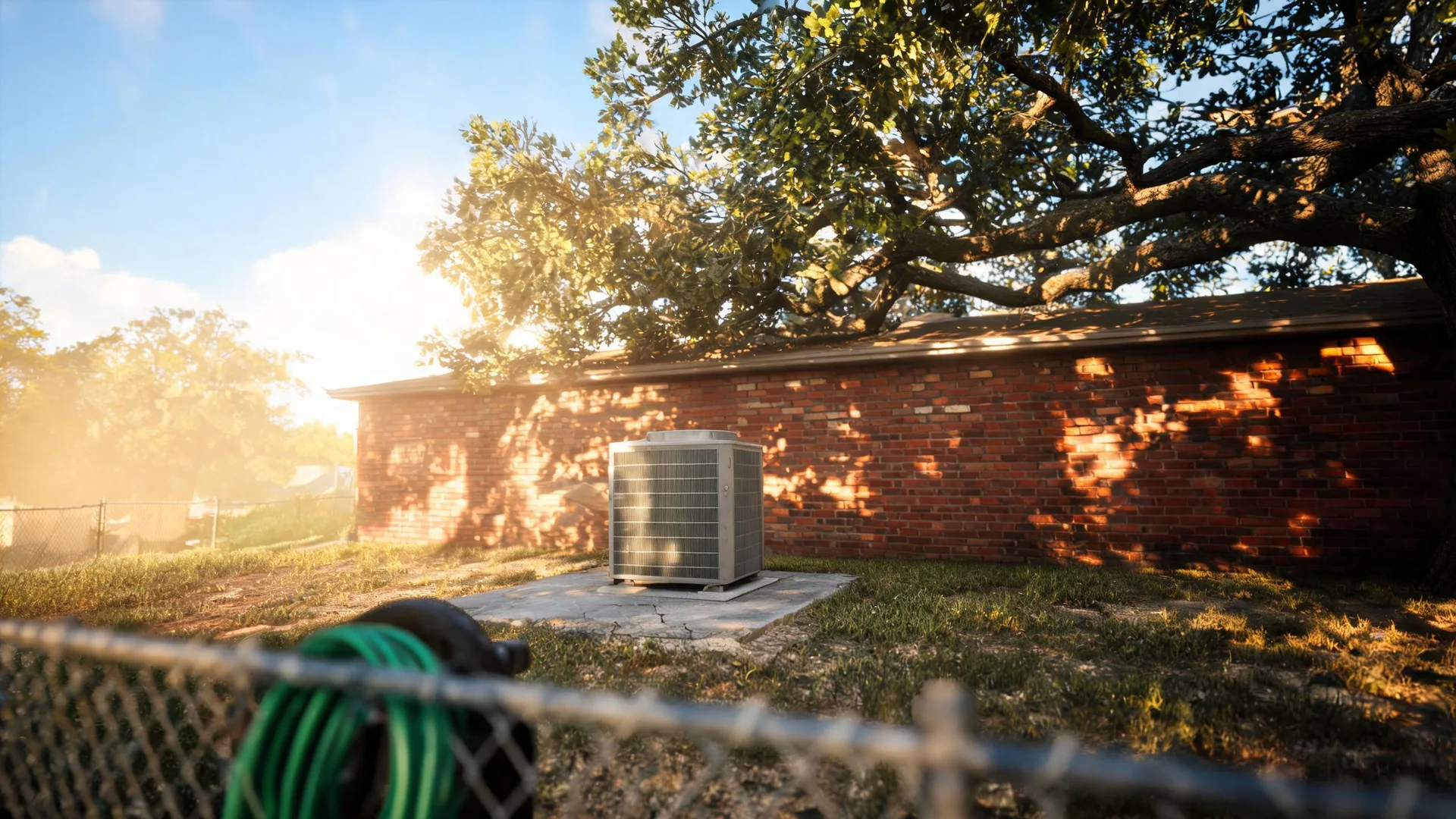
A contractor recovers the refrigerant from the old unit before touching anything with a wrench. That refrigerant can't be vented into the air, it has to be pulled out with a recovery machine and kept in its own tank. Only after that is empty does the line set and the old equipment actually come apart.
What it means for your install

Pulling the old furnace or AC out and setting the heat pump isn't a straight swap, especially if the ducts or the electrical panel need any changes to carry the new system. Walk through the removal and haul-away with the contractor up front, including whether the old equipment's refrigerant lines get capped or fully pulled, so nothing gets left half-finished once the new unit is running.

Morgan County falls in climate zone 5B, a cool, dry zone where a home needs more heat than cooling over the year. Any split-system heat pump installed here, on or after January 1, 2023, has to meet the federal minimum for that equipment: at least 14.3 Btu of cooling for every watt-hour it uses, and at least 7.5 Btu of heat for every watt-hour in winter. That's not a target, it's the floor. Every heat pump sold new has to clear it, so the question for your install isn't whether a unit is efficient enough, it's which one beyond that minimum fits your house and your budget.

Morgan County gets its share of rough weather. Between 2015 and 2024 the county saw 103 hail events, 55 damaging wind events and 24 tornadoes, plus 10 winter storms bringing heavy snow, ice or blizzard conditions. None of that changes what size or grade of heat pump the house needs. Outdoor units are built to take hail and wind, and a standard install holds up the same here as anywhere else in the region. What's worth planning for is the power going out. Statewide, 13% of households lost power for 24 hours or more in 2024, and a heat pump does nothing without electricity to run it. If that matters to you, ask the contractor about backup options before the system goes in, not after the next storm knocks the lights out.