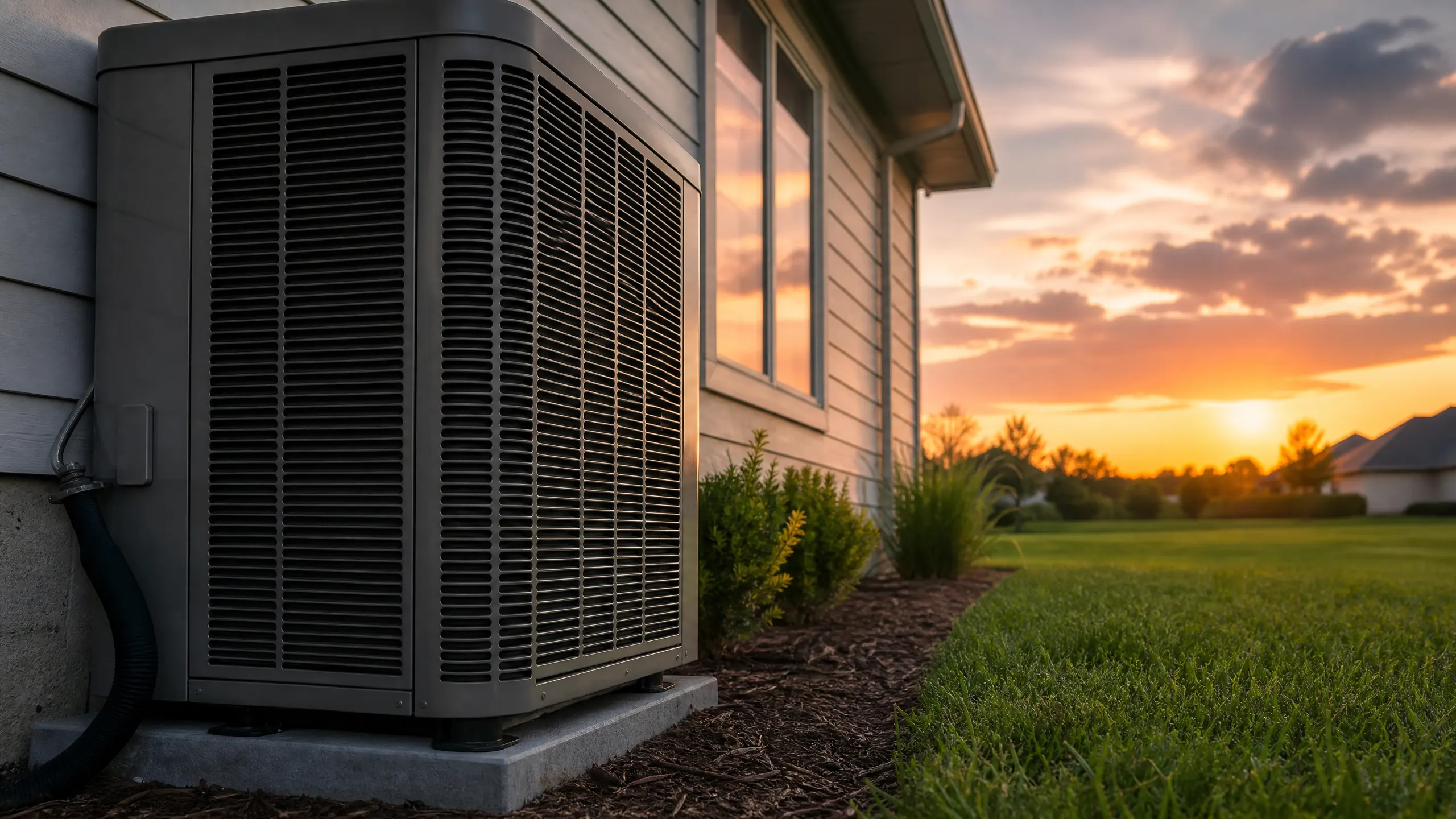



An outdoor air conditioning condenser unit mounted on a concrete pad beside a house at sunset.

Heat Pump Installation in Fairplay, CO

Tell us about the job

Takes about a minute. No obligation.

Step 1 of 3: Equipment

Electricity in Park County ran 15.88 cents per kilowatt-hour in 2025. That's the number a heat pump runs on all winter here, since gas can't do that job for this equipment. A unit that holds its efficiency through cold weather uses less of that power to make the same heat. One that doesn't will pull more kilowatt-hours to get you the same degree, every month, and you pay the difference at that rate. Where power costs what it does here, how the system performs matters more than it would somewhere cheaper.

9°F
the average winter night it heats against
72°F
the average summer afternoon it cools against
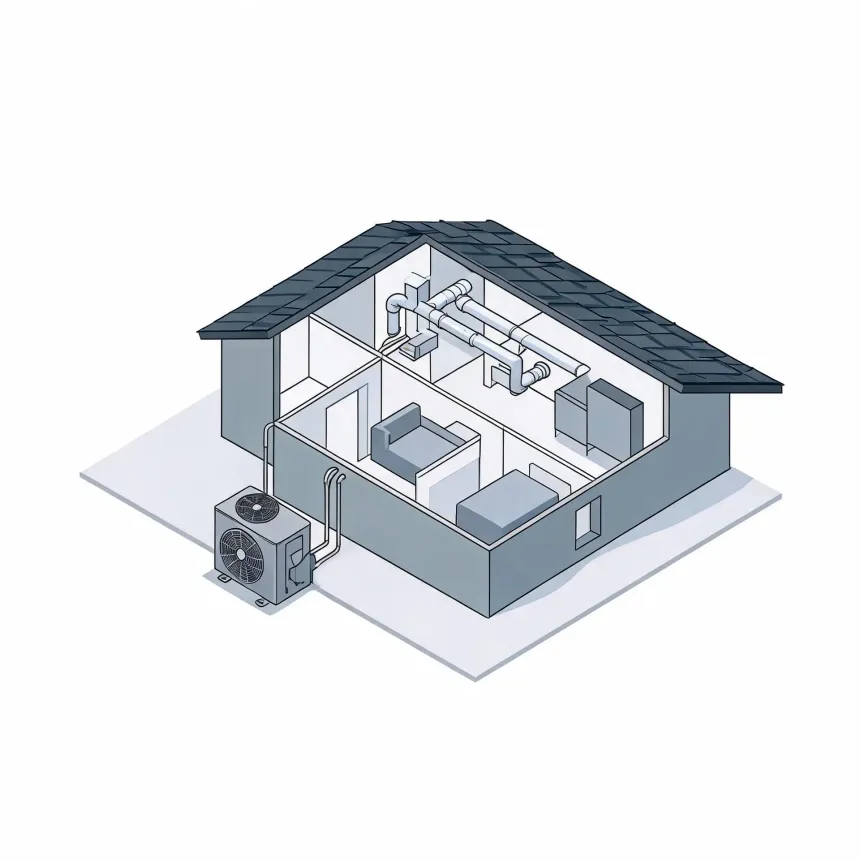
Isometric grey-toned illustration of a cutaway house showing interior rooms, ceiling ductwork and an air handler, connected by lines to an outdoor condenser unit beside the building.

Winters here keep nights near 9 degrees above zero on average, and that cold doesn't let up for months.

A heat pump sized and installed right has to keep pulling heat from that cold air all winter, with no gas furnace to share the load.

Most homes here run on gas, which changes what installing a heat pump means

43.3% of homes heat with gas
74 damaging wind events from 2015 to 2024
11 hail events from 2015 to 2024

Park County falls in climate zone 7, the coldest category the 2021 energy code defines. A heat pump installed here has to meet the federal minimums that took effect for units built from January 1, 2023 on: at least 7.5 Btu of heat delivered for every watt-hour it uses over the winter, and at least 14.3 Btu of cooling for every watt-hour over the summer. Those numbers rule out the low end of what a manufacturer sells. Some of what qualifies may also carry a federal tax credit, worth checking against the specific equipment before you decide. The zone doesn't change. What meets it is what you're choosing between.

The rating on the unit you choose sets what you pay to run it

The efficiency rating on the unit you install is what decides your winter bill, since power is what runs it here and gas isn't part of the job. Ask what HSPF2 number the equipment carries before you settle on one, not after it's installed.

Find a contractor
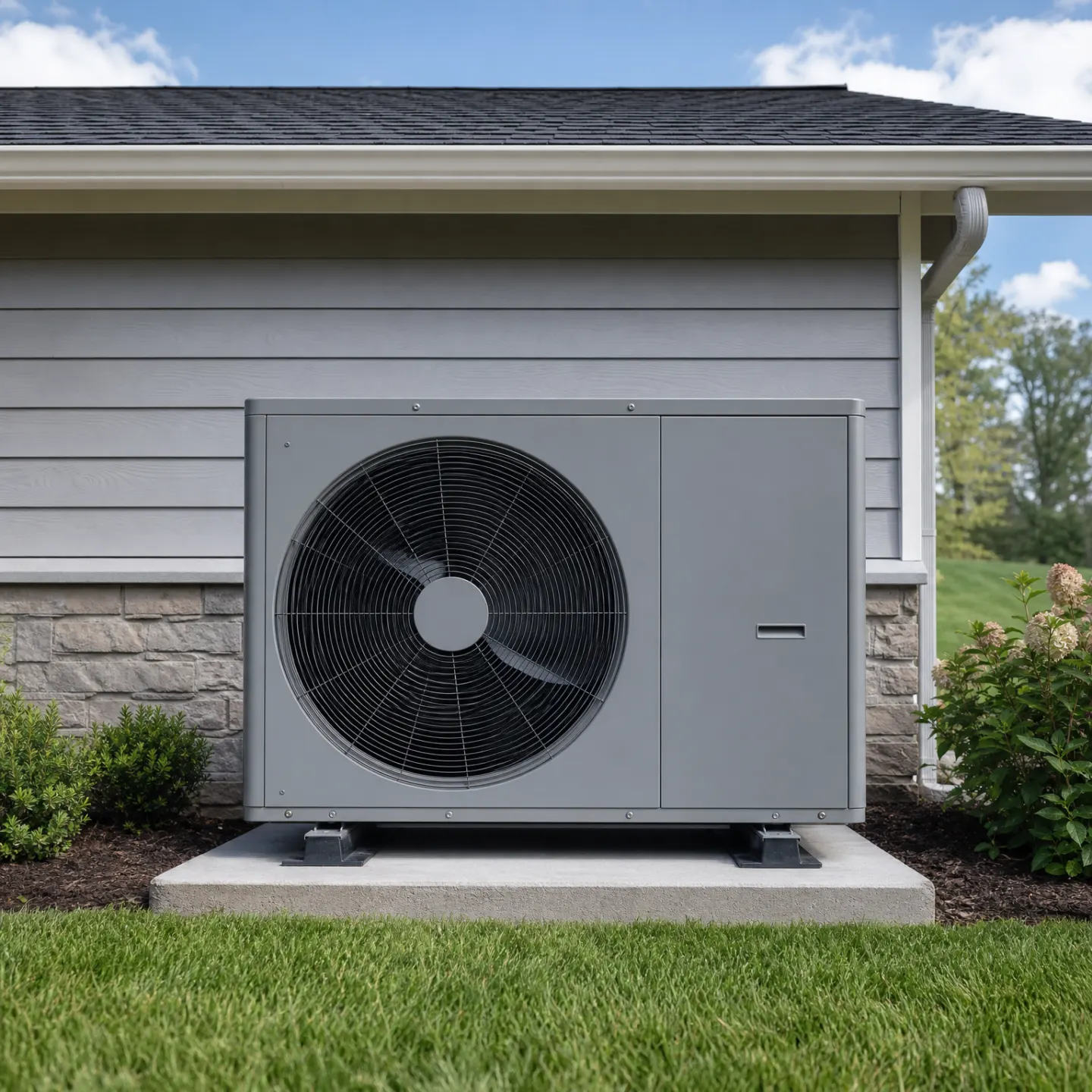
A gray outdoor HVAC unit mounted on a concrete pad beside a house with gray lap siding and a stone foundation.

A machine that never really clocks out

This machine doesn't get a season off. It runs through cold nights all winter pulling heat, then switches over and runs through dry summer heat too. That's close to year-round duty, with no gas furnace to split the work in the cold months. Park County has also logged 74 damaging wind events and 80 winter storms, heavy snow, ice, blizzards, between 2015 and 2024. An outdoor unit sited and installed to handle that keeps working when a poorly placed one starts giving you trouble. Ask the installer where the outdoor unit will sit and what it's rated to handle before it goes in, not after.

The old equipment doesn't just get unplugged

If a furnace or boiler is coming out, the gas line to it gets capped off and the old venting gets dealt with too, not just the appliance. A chimney liner or flue that was only sized for that one appliance may need capping or review once nothing is drafting through it. If the old system had a split condenser outside, the refrigerant has to be recovered from it before anyone cuts a line, not vented. None of this is optional cleanup. It's part of the job.
What stays depends on what the new system reuses

Ductwork, a thermostat run, an electrical disconnect, these sometimes carry over if they're in good shape and sized for the new equipment. A heat pump often asks more of existing ducts than a furnace did, since it moves air at different temperatures and for longer stretches. An installer checking what's there before quoting the job, rather than after, is how you find out what actually gets reused and what doesn't.

A heat pump installation has more going on than the box on the pad outside. The outdoor unit has to be matched to an indoor air handler or coil that can actually move the heat it's producing, and matching the two wrong is one of the most common ways an install underperforms from day one. Line sets have to be sized and run correctly, then checked for leaks before anyone calls the job done. Labor accounts for a real share of the cost too, since this isn't a swap of one box for another, it's running new electrical capacity, setting refrigerant lines, and commissioning a system that has to ramp its output up and down instead of just switching on and off. The more a home's existing ductwork and electrical panel can support without changes, the less work the install takes. Where they can't, that work gets done before the heat pump ever turns on, because a system that's undersized or wired wrong won't hold its rating no matter what the label says.

Install day starts with the equipment that's already there, not the new unit. The old system gets powered down and disconnected before anything else moves. Setting the outdoor unit means leveling a pad and giving it clearance on all sides, since airflow around it affects how it performs for as long as it runs. Indoors, the air handler or coil gets tied into the ductwork or, if the job calls for it, into new line sets run to the outdoor unit. Those refrigerant lines get evacuated and pressure tested before any charge goes in, because a leak you don't catch that day is one you'll be chasing later. Once everything's connected, the system gets commissioned, run through its paces, checked against its rated output, and set up so the controls actually match the equipment. A job that skips that last step can leave a unit running on default settings instead of ones suited to the space it's heating and cooling.