



Illuminated timber-and-stone houses line a residential street at dusk, with evergreen trees in the foreground and a silhouetted mountain range behind them.

Heat Pump Installation in Woodland Park, CO

Tell us about the job

Takes about a minute. No obligation.

Step 1 of 3: Equipment

Electricity in Teller County runs 17.53 cents per kilowatt-hour on average, higher than most counties in the country. A heat pump runs on electricity for both heating and cooling, so that rate applies to the system year round. In most places a few cents either way barely registers on the bill. Here it adds up faster, on every degree the system moves. The efficiency rating on the unit you choose matters more in a county paying this much than it would somewhere paying less.

11 months
August through June, your system heats
10°F
the average winter night it heats against
73°F
the average summer afternoon it cools against
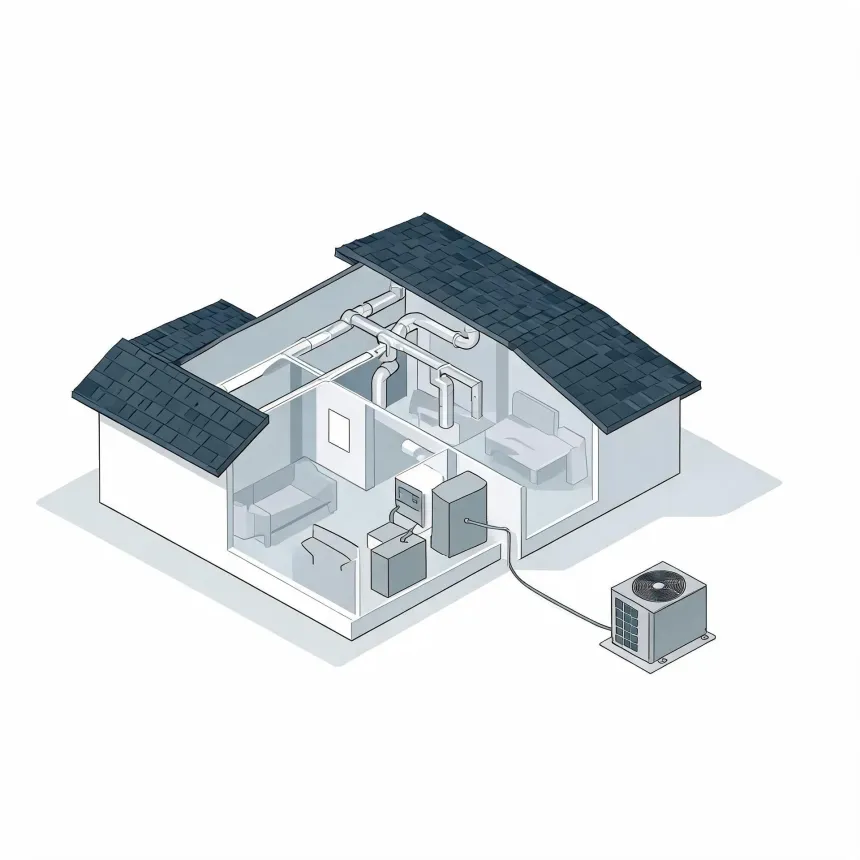
Isometric cutaway illustration of a single-story house showing interior ductwork, an indoor air handler and furnace unit, and an outdoor condenser connected by a line, on a white background.

Gas heats 56.9% of homes in Teller County, more than any other fuel.

Most heat pump installs here go in alongside the gas furnace already in the house, not in place of it.

Weather here is hard on a system that has to keep running

249 severe weather events from 2015 to 2024
13% of homes statewide lost power a day or more in 2024
99 damaging wind events from 2015 to 2024

Heat in Teller County runs about eleven months a year, from August through June. July is the only real gap. If you're replacing a heat pump, that gap is the window to do it in. Wait until August and you're making the decision while the house is already cold, picking from whatever unit and whoever can get out to you fastest. Get it installed in July and the contractor has time to size it right for a house that holds overnight lows near 10°F all winter, and you're not without heat while it goes in.

The rating on the unit decides what every bill after looks like

The rate per kilowatt-hour is fixed. The only thing left to choose is how much power the system uses to heat and cool this house, and that comes down to the efficiency rating on the unit. A higher rating costs more up front and less on every bill after. In a county paying what this one pays for electricity, that difference is worth asking about before the unit is picked, not after it is installed.

Find a contractor
A man in a cap, dark shirt and tan work pants walks up porch steps toward a navy blue front door, carrying a canvas tool bag beside a potted shrub.
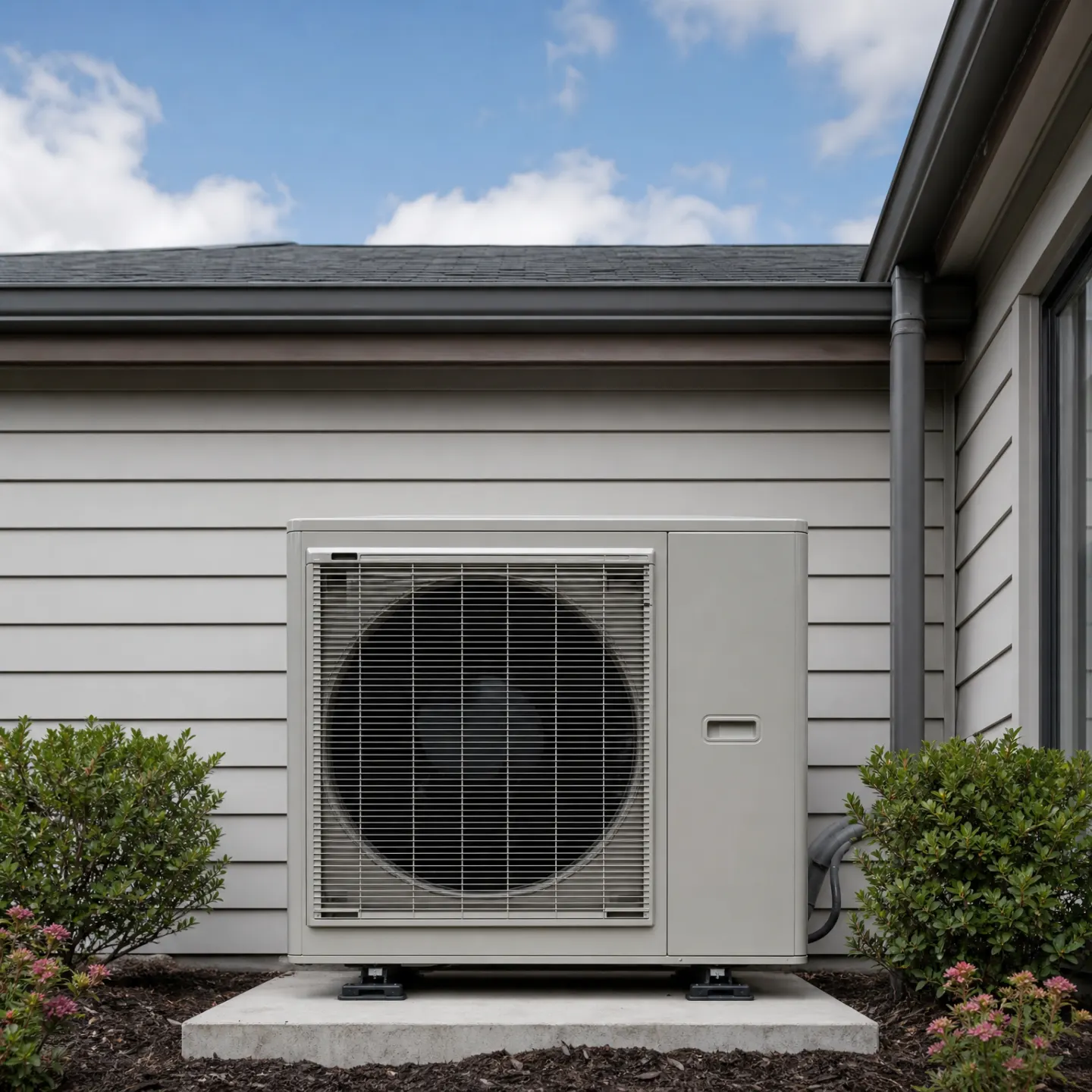
A gray heat pump condenser unit mounted on a concrete pad against the gray lap-siding exterior wall of a house.

A system that doesn't get a season off

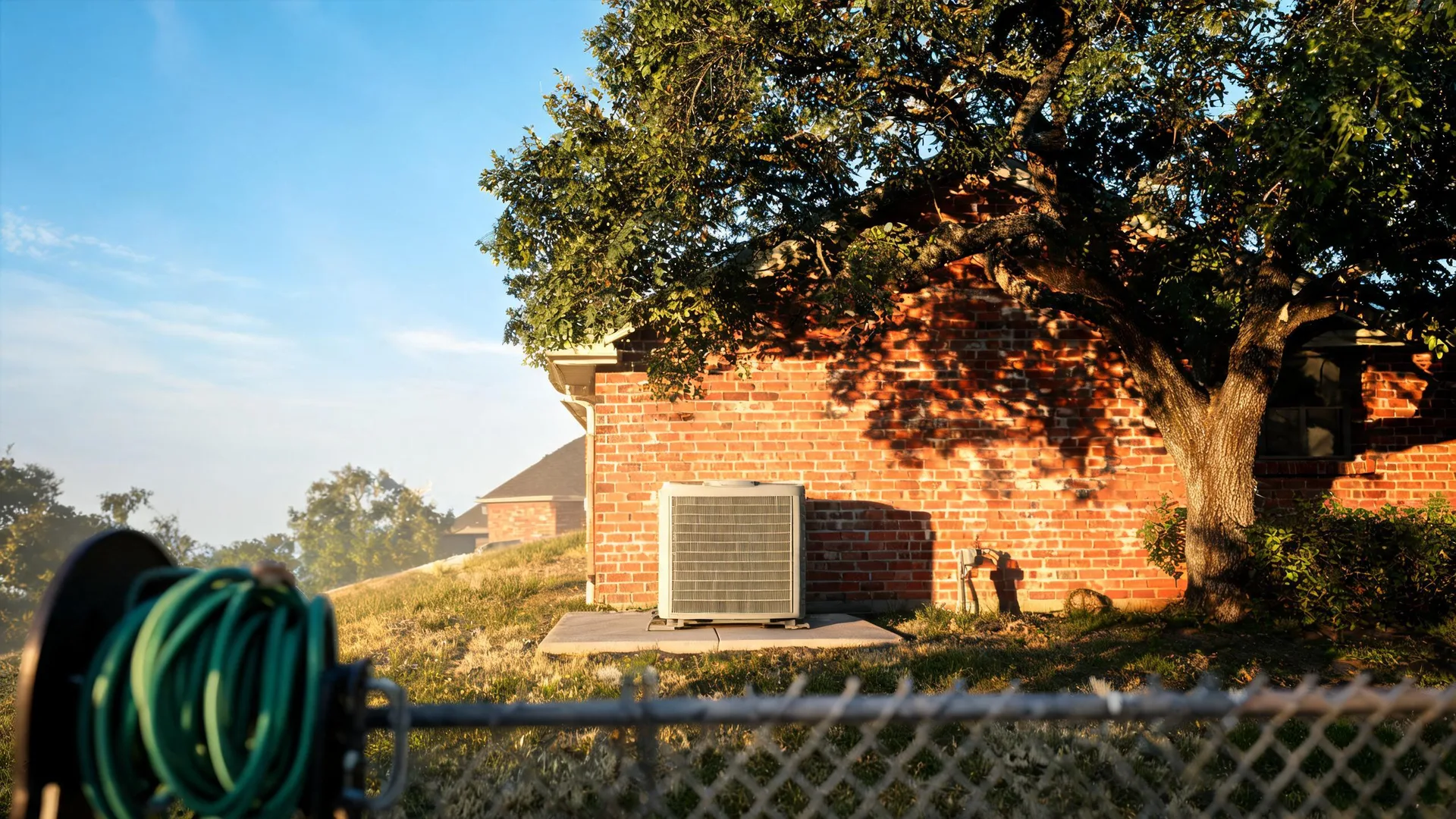
The outdoor unit sits outside through everything this county gets. Damaging wind hit Teller County 99 times between 2015 and 2024. Winter storms, the heavy snow and ice kind, hit 121 times in that same stretch. Hail came through 26 times. None of that is a reason to skip a heat pump. It's a reason to size it for this house and have it installed by someone who accounts for what it sits through, not just what it costs on the shelf.

Ask what the rating means at the low end

Every heat pump has an efficiency rating, but that number comes from a lab test at mild temperatures. Ask what the unit actually puts out at the coldest temperatures it will face. Some systems lose a lot of capacity as the outdoor air gets colder, others hold up better. Two units with the same rating on paper can behave very differently on the coldest night of the year.
Ask how the installer is sizing it, not just pricing it

A heat pump sized by square footage alone can end up wrong for the house. Ask whether the contractor is running a load calculation based on the walls, windows, and insulation, or just matching the size of whatever is being replaced. The unit also needs to be matched to the ductwork already in the house. A system too big for the ducts short cycles, one too small runs constantly and still falls short on the coldest days.

What you pay for a heat pump install comes down to a handful of things, and the unit itself is only one of them. Labor is a big piece of it, sizing the system, running or adapting the ductwork, setting the refrigerant lines between the outdoor and indoor units. If the home has no ductwork at all, that changes the job. Electrical work is another piece. A heat pump needs its own dedicated circuit, and if the panel doesn't have room or the wiring isn't rated for it, that work has to happen before the unit goes in. Where the outdoor unit sits matters too. It needs clearance on all sides for airflow and service access, and running line sets and drainage to an awkward spot takes more time than a straightforward one. None of this is optional work tacked on. It's what makes the system actually work once it's in.

Teller County falls under zone 5B in the 2021 energy code, a cool, dry zone where heating carries most of the load. Any split-system heat pump installed here has to clear the federal minimums for units built from 2023 on: at least 14.3 Btu removed per watt-hour over the summer, at least 7.5 Btu delivered per watt-hour over the winter. That sets a floor, not a ceiling. Units above it exist, and in a county paying this much per kilowatt-hour, the gap between a unit at the floor and one above it shows up on the bill every month the system runs.