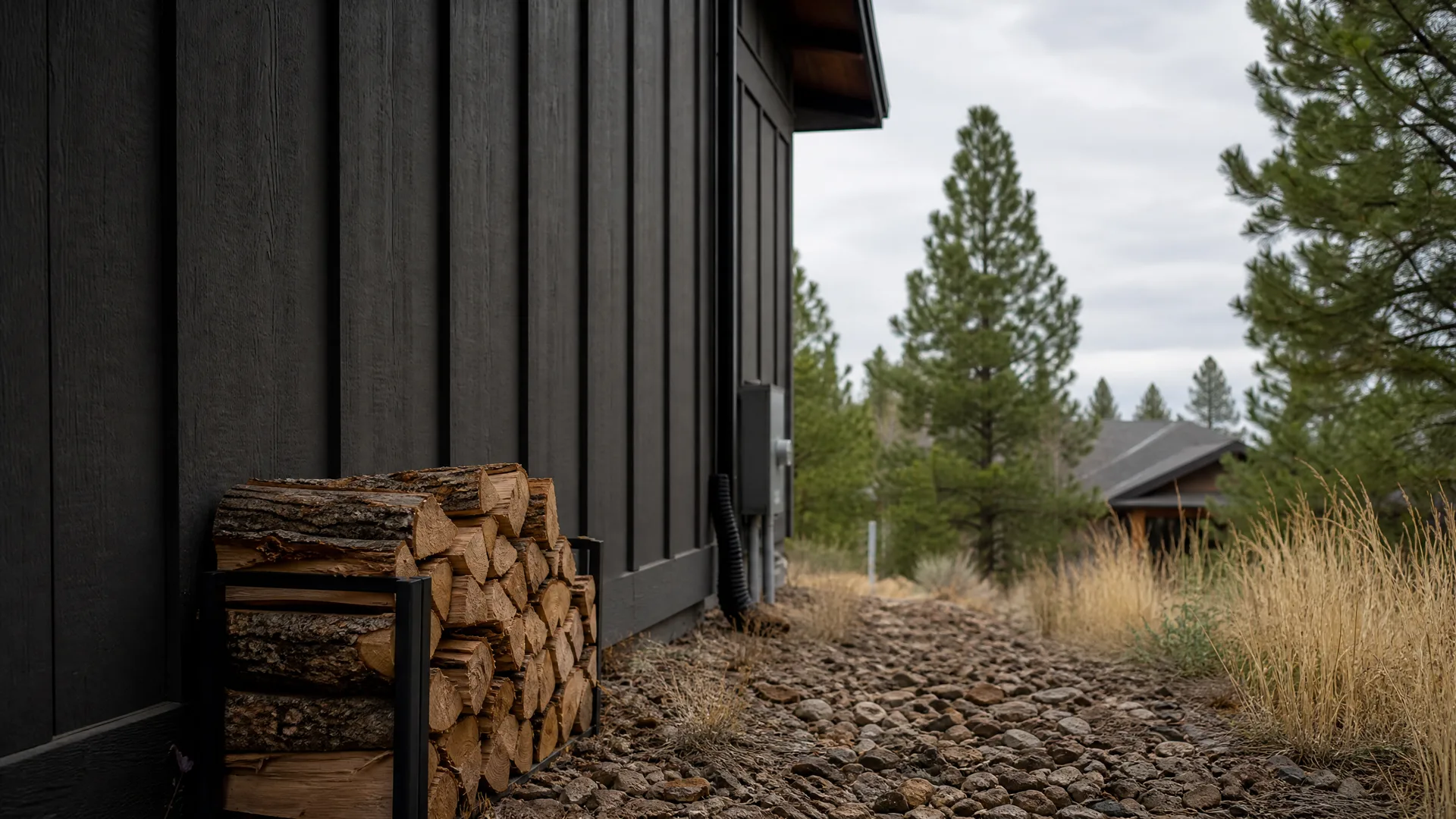


A stack of split firewood in a metal rack sits against the dark vertical-board exterior wall of a house, beside a gravel path with dry grass and pine trees under an overcast sky.

Heat Pump Installation in Durango, CO

Tell us about the job

Takes about a minute. No obligation.

Step 1 of 3: Equipment

Electricity in Colorado runs 14.92 cents per kilowatthour, and that's what powers a heat pump through every month of the year. A unit with a higher efficiency rating pulls less power for the same heat, so that rate hits your bill less hard each time it runs. In a mountain town like Durango, where the heat pump is working through cold stretches and not just mild ones, those cents add up fast. Worth asking any contractor you talk to about the efficiency rating of the unit they're quoting, not just the price to install it.

10 months
September through June, your system heats
16°F
the average winter night it heats against
79°F
the average summer afternoon it cools against
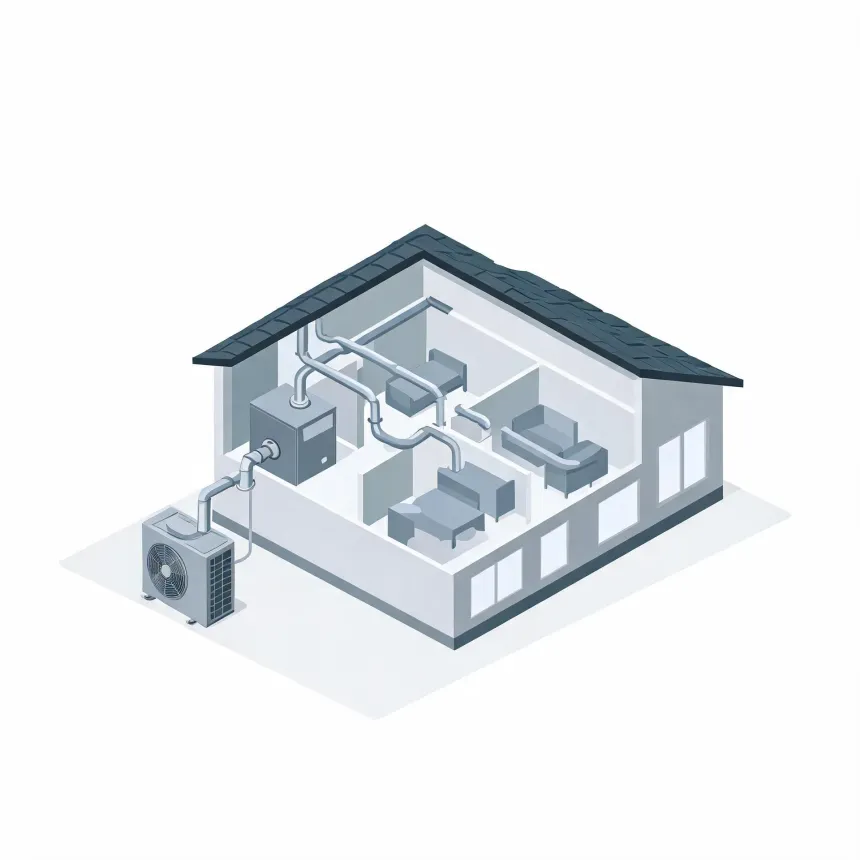
Isometric cutaway illustration of a single-story house showing an indoor air handler, branching ductwork through rooms with furniture, and an outdoor condenser unit connected by a line outside the wall.

Heat here starts in September and runs until June.

Get the install done in August, before the first cold morning asks something of it.

Most of Durango heats with gas, so a heat pump here is usually added alongside it, not swapped in for it

47% of homes heat with gas
30 damaging wind events from 2015 to 2024
8 hail events from 2015 to 2024

Winter is the hard season for a heat pump here, with overnight lows averaging 16°F across December, January and February. That's the stretch where a lesser unit struggles to pull heat from the air. But cooling barely enters into it. Durango doesn't have the long, brutal summers that wear down the compressor on the other side of the job. The strain on a heat pump here is mostly one-directional, which means you don't need to pay for the top cooling capacity to get a system that holds up. What you want is a unit built to handle cold mornings well, paired with the gas furnace most homes already have for when it gets coldest.

A new heat pump here has to clear a cold-climate standard. Get one in before the cold does.

Any heat pump installed here now has to meet federal minimums of 14.3 SEER2 and 7.5 HSPF2, so the baseline is already set before you start comparing quotes. La Plata County sits in climate zone 5B, a cold, dry zone where heating does most of the work, and the rating you want to ask about is the heating side, not the cooling side. Getting the install done now means starting with a system built for exactly that.

Find a contractor
A man in a dark long-sleeve shirt and brown work pants, seen from behind, carries a worn canvas tool bag as he steps up porch stairs toward a navy blue front door of a light gray clapboard house, with a potted shrub beside the entry.
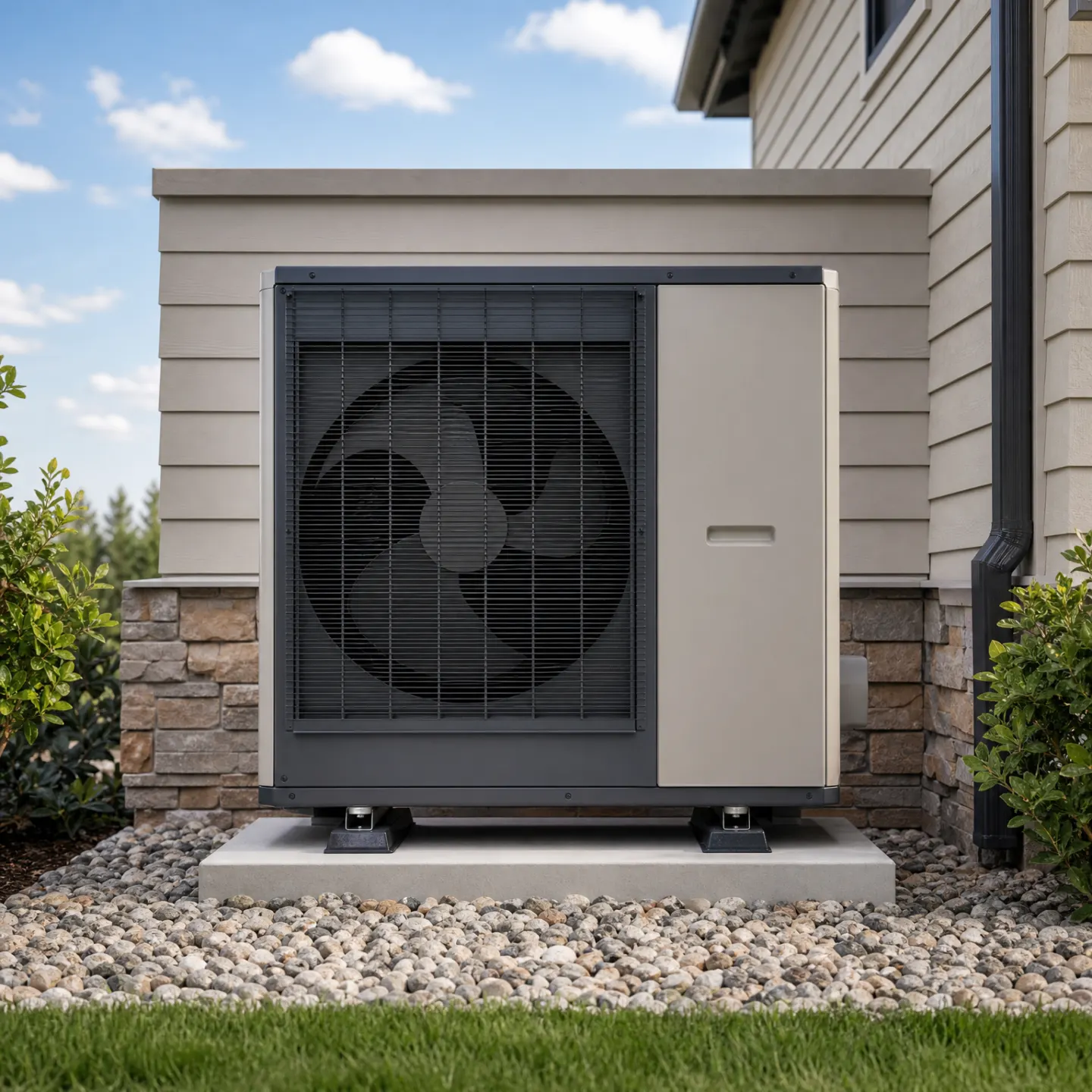
A gray heat pump outdoor unit mounted on a concrete pad next to the stone-accented exterior wall of a house.

The weather here tests the cabinet, not the compressor

The outdoor unit sits through all of it, winter storms included. La Plata County has seen 128 of them between 2015 and 2024, heavy snow and ice mostly, not the hail or wind that dents a cabinet or bends a fan blade. That's weather a unit sits through, not weather that wears on the compressor. Since the compressor isn't fighting long summers here either, you're paying for cold-weather performance, not for a unit built to survive a beating.

The old furnace usually stays

When a heat pump goes in alongside gas heat, there's no old heating system to haul away. The furnace keeps its job for the coldest mornings, and the heat pump takes over everything short of that. What changes is the controls, since something now has to decide which one fires when the thermostat calls for heat.
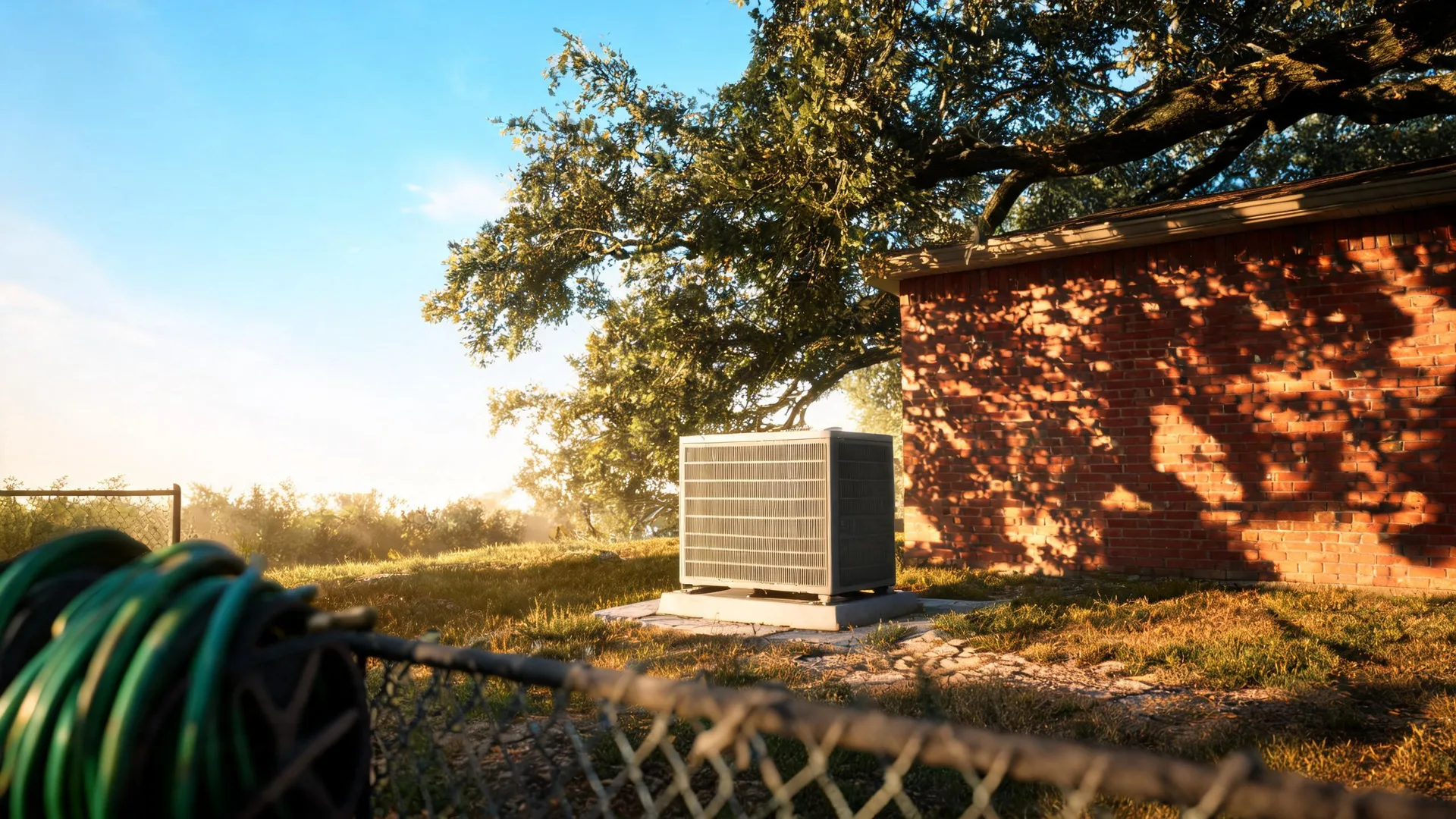
If something does come out

An old AC condenser is the usual thing to go, since the heat pump does what it did and then some. Whoever installs the new unit disconnects the old refrigerant lines and the electrical whip, then either reuses the existing pad or swaps it for one sized to the new cabinet.

Ask how the heat pump and the furnace talk to each other, since that decides whether this install works out. The thermostat needs to know when to let the heat pump run and when to hand off to the furnace, and that handoff is called the balance point. Set it too low and the heat pump keeps running on mornings when it's straining to pull any heat out of the air, costing more than the furnace would have. Set it too high and the furnace fires more than it needs to, and you lose the savings the heat pump was supposed to bring. Ask who sets that point, whether it can be adjusted later, and whether it lives in the thermostat or in the outdoor unit's own controls. Also ask about the low-temperature rating on the heat pump itself, not just its efficiency number, since that tells you how far it can keep pulling heat before the furnace needs to take over.

Installation day starts outside, before anyone touches a wire. The outdoor unit needs a pad that's level and clear of roof runoff. If the old condenser's pad doesn't sit right for the new cabinet, that gets settled first. Indoors, the furnace gets tied into a new control board. That board is really the heart of the job, since the heat pump and the furnace need a shared thermostat or controller that knows which one to call. Line sets get run between the indoor and outdoor units, pressure tested, then pulled to a vacuum to clear out any air and moisture before refrigerant goes in. Once it's charged, the system gets run through heat mode and the defrost cycle, and whoever's doing the work watches it hand off to the furnace before they call it finished.