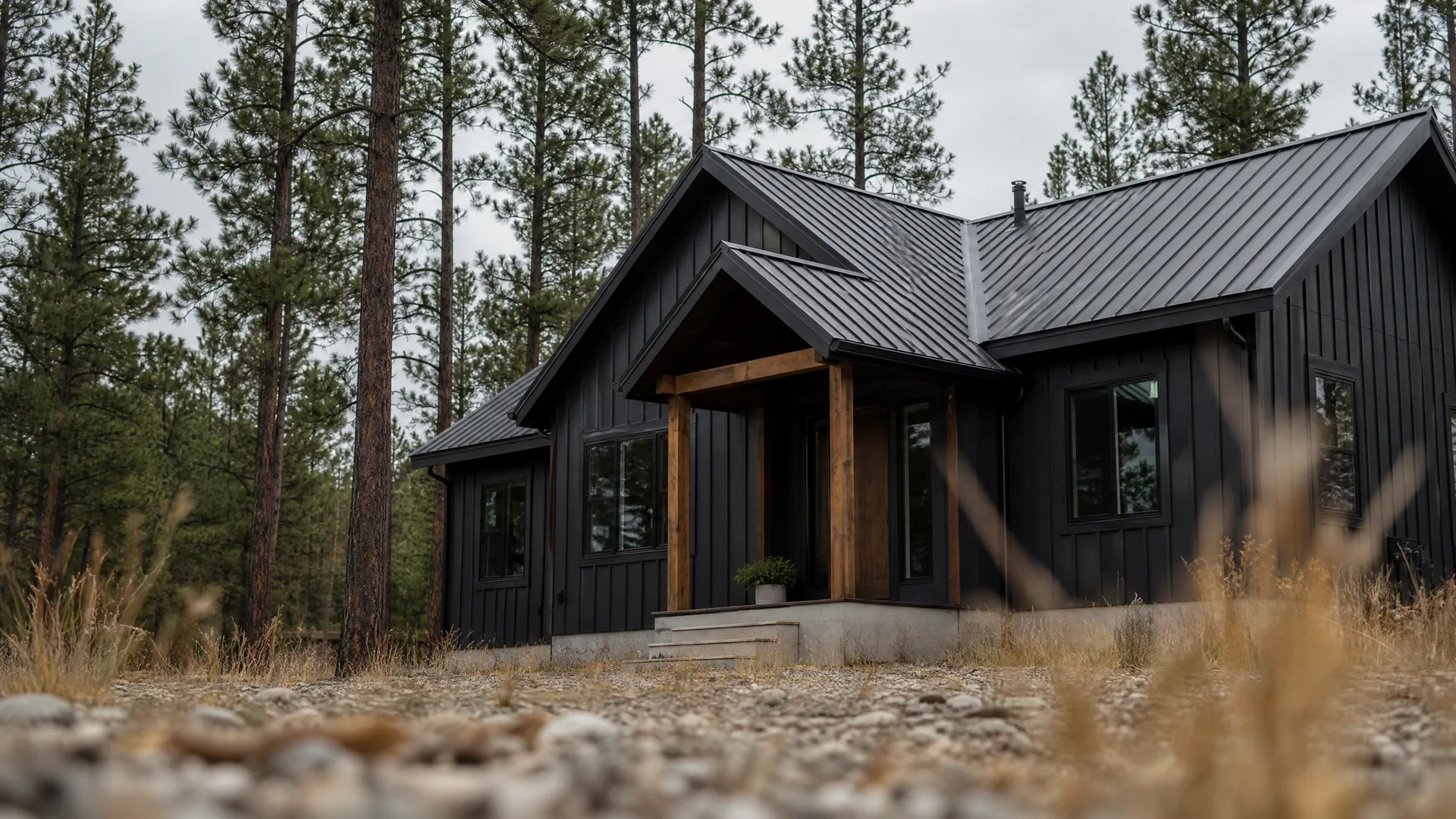
A single-story black board-and-batten house with a dark metal gable roof and wood-post covered entry porch, set among pine trees with dry grass and gravel in the foreground.

Heat Pump Installation in Fort Collins, CO

Tell us about the job

Takes about a minute. No obligation.

Step 1 of 3: Equipment

Weather here gets rough

Larimer County recorded 359 severe weather events between 2015 and 2024. That included 155 hail events, 102 damaging wind events, 97 winter storms and 2 tornadoes. Statewide, 13% of Colorado households lost power for 24 hours or more in 2024.

Your heat pump sits outside in it

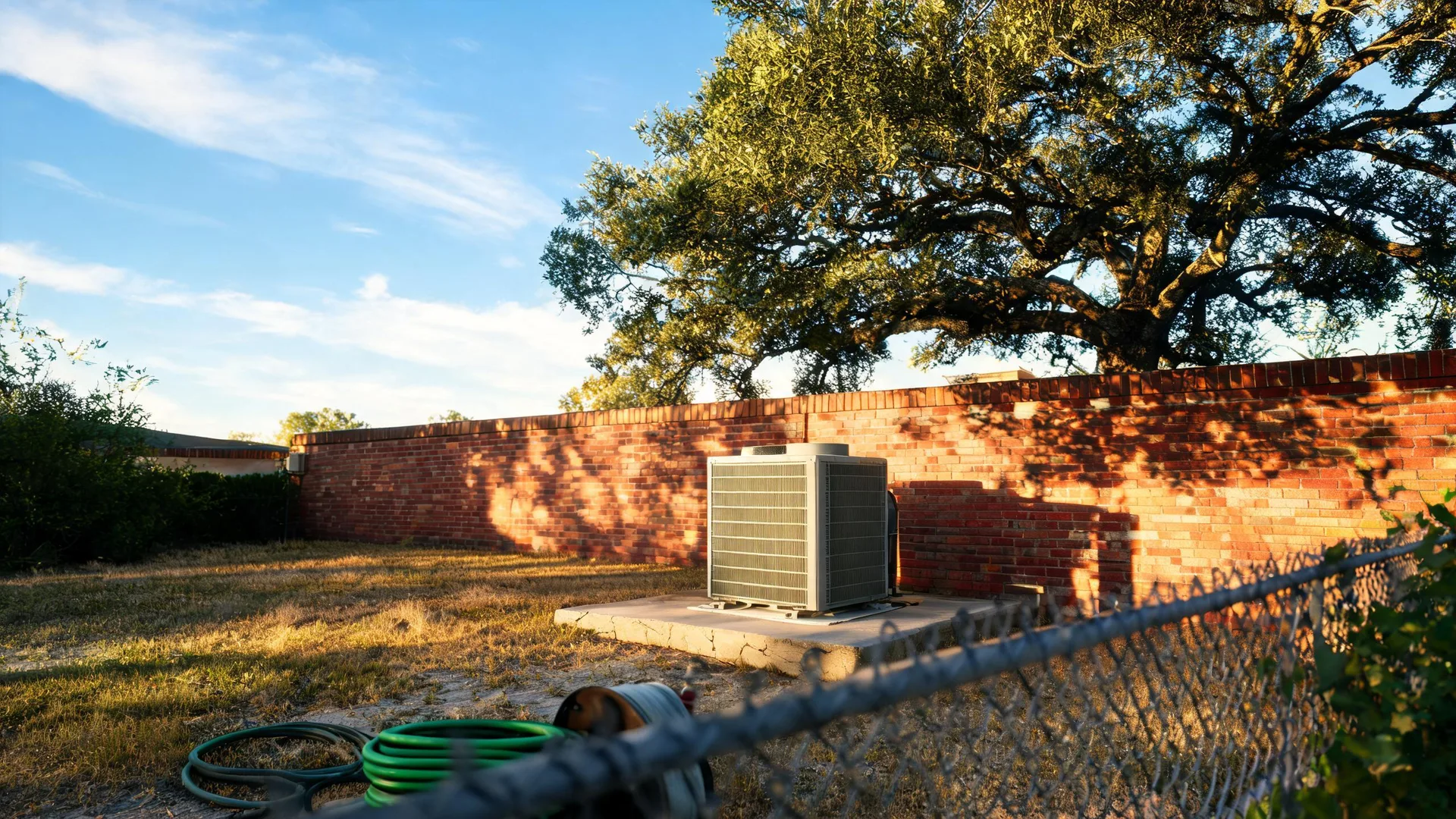
The outdoor unit takes whatever the weather does, hail, wind-blown debris, snow load. And when the power goes out, a heat pump stops producing heat or hot water until it comes back. Where the unit goes and what backs it up are both worth deciding before installation, not after a storm.

10 months
September through June, your system heats
15°F
the average winter night it heats against
76°F
the average summer afternoon it cools against
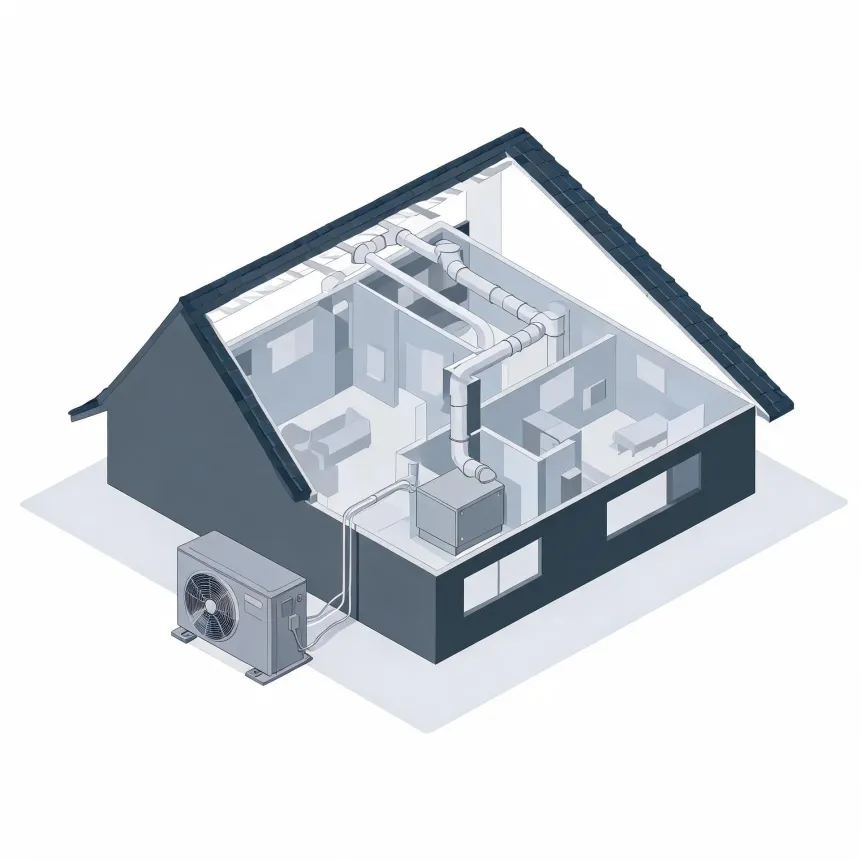
Isometric cutaway illustration of a single-story house with a dark gabled roof, showing interior rooms with ductwork leading to an indoor air handler and an outdoor condenser unit connected by lines on the ground outside.

Heat runs here from September through June, about ten months a year.

Installing before September means it's working on your schedule, not during the first cold snap.

At 14.80 cents a kilowatt-hour, efficiency is what keeps the bill down

Power here costs 14.80 cents per kilowatt-hour
102 damaging wind events from 2015 to 2024
155 hail events from 2015 to 2024

That outdoor unit will see real weather in a Larimer County yard. Hail hit the county 155 times between 2015 and 2024. Damaging wind came through 102 times in the same stretch, and winter storms, the heavy snow and ice kind, hit 97 times. Those aren't once-in-a-decade numbers, they're close to yearly. A heat pump sized and installed to handle that is worth more than one that only looks good on the price sheet.

Plan for the outage before the unit goes in

The spot the installer picks for that outdoor unit, and what it's protected against, is part of the install itself, not an afterthought. Same with backup: if keeping heat or hot water through an outage matters to you, that's a decision for this installation, not a call you make once the power's already out.

Find a contractor
A man in a cap, dark jacket and tan pants carries a worn duffel bag as he climbs porch steps toward a dark blue front door beside a potted shrub.
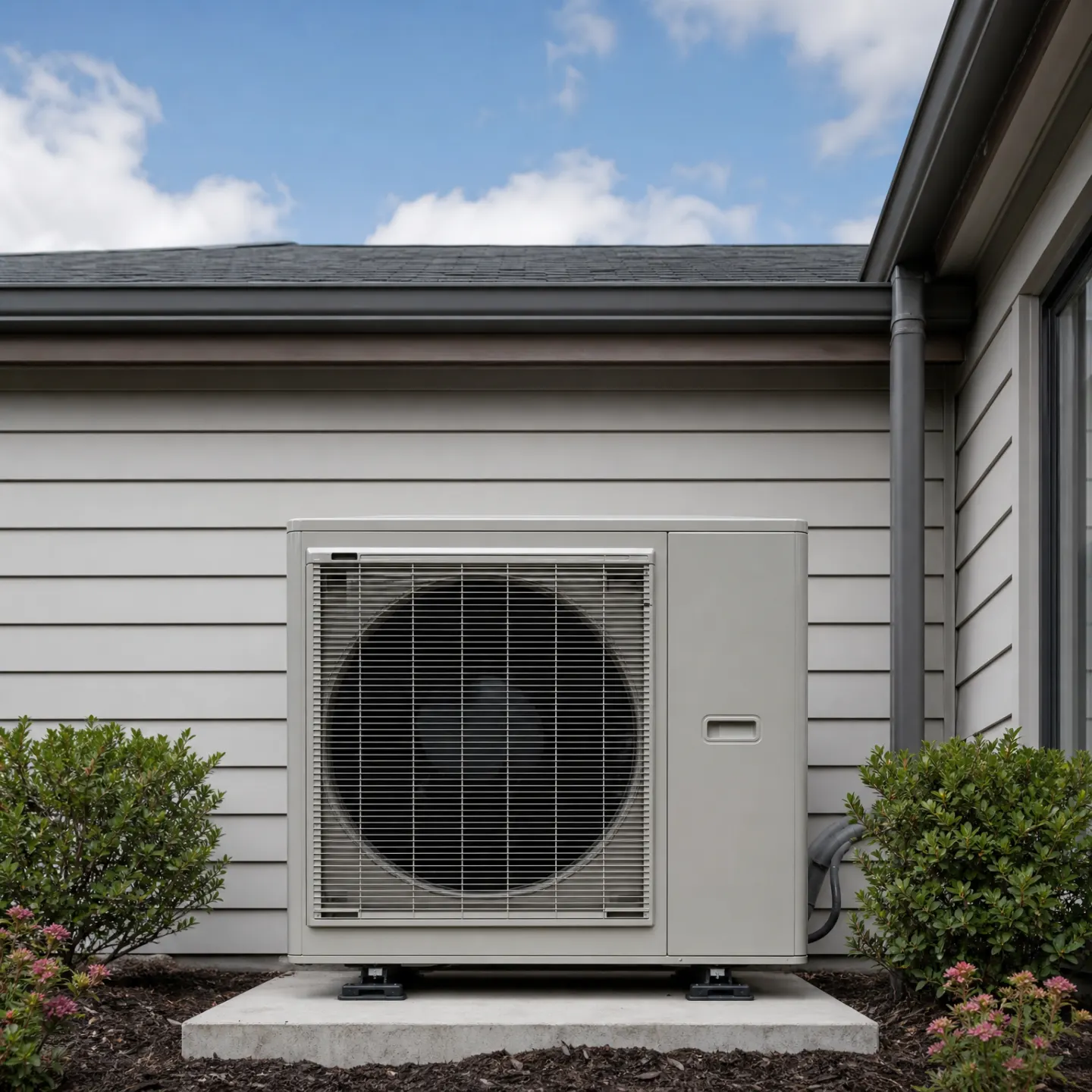
A gray heat pump condenser unit mounted on a concrete pad against the gray lap-siding exterior wall of a house.

Questions That Matter More Than the Price Sheet

Every system on a spec sheet claims an efficiency rating and a capacity number. Ask how those numbers were tested, because a rating earned in a lab at mild conditions can drop once the outdoor temperature swings hard in either direction. Ask what happens to heating output as it gets colder outside. Every heat pump loses some capacity in cold weather, and the ones worth buying have a published figure for how much they lose and down to what temperature, not just a vague assurance that they handle cold climates. Ask what the backup heat source is and how the system decides to switch over to it. Ask about the sound rating, since the outdoor unit runs far more hours across the year than a traditional air conditioner ever did, and it sits right outside a window or a patio. Ask what the warranty actually covers, parts or labor or both, and whether it stays valid only if the original installer does the service work. A compressor is the most expensive part to replace, so find out how many years it carries and whether that coverage transfers if the house sells. None of that shows up on the glossy page comparing models side by side. It shows up when you ask the installer directly and see whether they have a real answer or a brochure answer.

Two boxes, one price

A heat pump installation is really two machines: the outdoor unit and the indoor air handler or coil. Labor to run new line sets, set a pad, and tie into the ductwork or electrical panel is where the job gets bigger or smaller. A straight swap where the old equipment matches up costs less to install than a change in system type or capacity.

What backup adds to the job

If the plan includes a way to keep the system running through an outage, that's extra equipment and extra wiring beyond the heat pump itself, a transfer switch, a generator hookup, or backup heat strips wired into the air handler. Deciding on that before installation means the electrician does it once, as part of one job, instead of opening the wall back up later.

Sizing a heat pump isn't about picking the biggest unit available. Too large and it short cycles, blasting the space with heat or cold air then shutting off before it finishes pulling moisture out of the air or settling the temperature. Too small and it runs constantly, struggling to keep up on the hottest and coldest days, and you feel it in the corners of the house that never quite reach the thermostat setting. A contractor works out the right size with a load calculation, which looks at the square footage, the windows, the insulation, the ceiling height, and how the place is laid out. That number drives everything after it, the size of the ductwork, the capacity of the air handler, even where the outdoor unit gets set. Skip the calculation and guess from the old system's size, and you inherit whatever was wrong with the first install too.

Gas heats 69.2% of homes in Larimer County, more than two out of three. Electricity, mostly heat pumps and electric furnaces already, accounts for 24.5%. So most installs here are a switchover, not a swap of one heat pump for another. That changes the job. The gas furnace or boiler comes out, or stays as backup, and new wiring has to carry the electrical load the old system never needed. An installer who's done this conversion in this county knows what that load means for the panel before the quote gets written, not after.