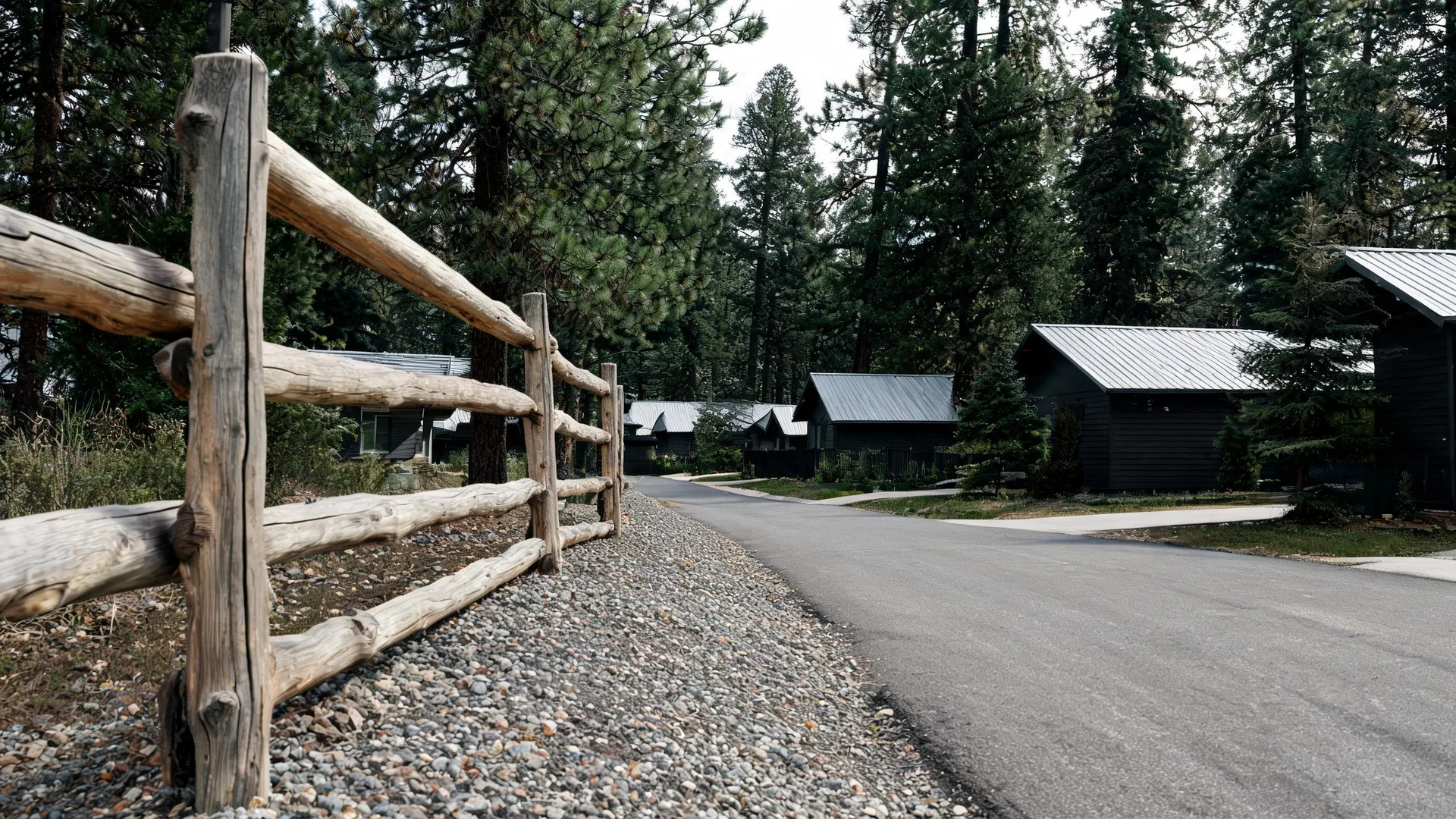




A paved road bordered by gravel and a weathered split-rail log fence curves past dark-sided cabins with metal roofs among tall conifer trees.

Heat Pump Installation in Granby, CO

Tell us about the job

Takes about a minute. No obligation.

Step 1 of 3: Equipment

Electricity in Grand County runs 16.74 cents per kilowatt-hour on average, and that is higher than what most counties in the country pay. A heat pump run on electricity, so that rate applies to every hour it works. Some units pull a lot more power than others to produce the same heat, and in a county paying above average, that gap shows up fast. A unit with a weak efficiency rating will cost more here than the same model running in a place with cheaper power. What you pay to run it depends on the equipment as much as the rate.

8°F
the average winter night it heats against
72°F
the average summer afternoon it cools against
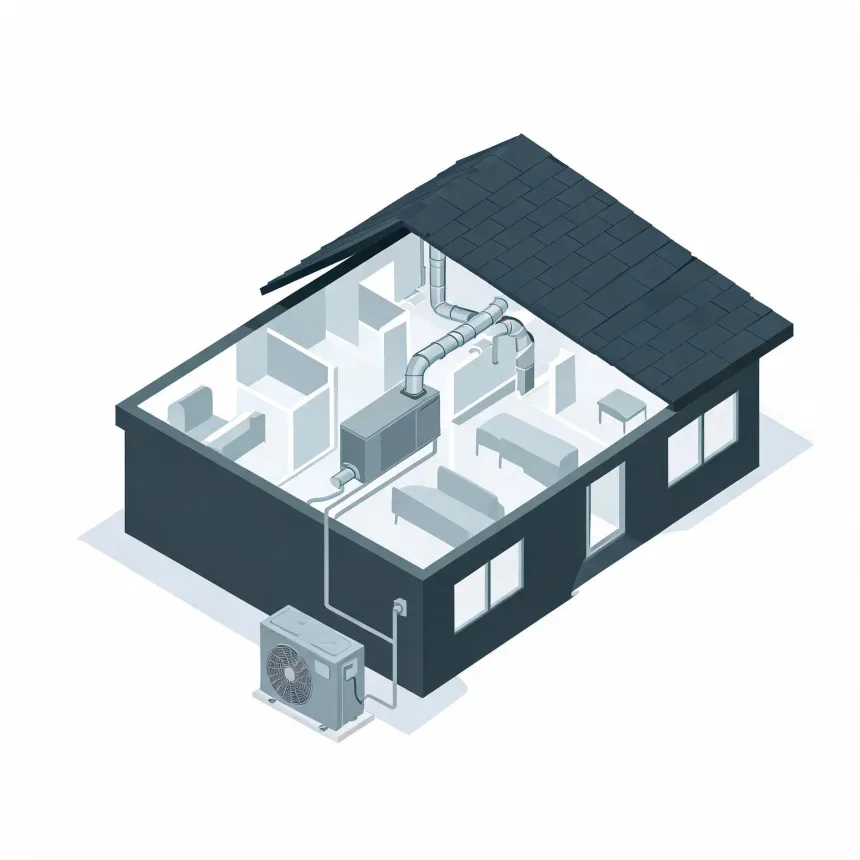
Isometric cutaway illustration of a single-story house showing interior rooms, ceiling ductwork connected to an air handler, and an outdoor condenser unit linked by a line set.

Half the homes in Grand County heat with gas.

A heat pump that works alongside the furnace, instead of replacing it, fits how this county already heats.

A heat pump here works through blizzards, wind and nights near 8 degrees

56 damaging wind events from 2015 to 2024
139 winter storms from 2015 to 2024
Winter nights average 8°F

Grand County falls in climate zone 7, the coldest tier under the 2021 energy code, since heat runs here most of the year. That rating does not change what a contractor can sell you, but it shapes what makes sense to install. Federal rules already set a floor: any split-system heat pump built from 2023 onward has to deliver at least 7.5 Btu of heat for every watt-hour it uses over the winter, and remove at least 14.3 Btu for every watt-hour over the summer. Those are minimums, not targets, so every unit on the market today clears them. In a zone 7 county, where the equipment runs hard for months at a time, the gap between a unit that barely clears that floor and one built well past it is what shows up on the power bill.

The rating on the unit decides what it costs you to run

Ask what efficiency rating the installer is quoting, not just the price. Power here runs above the national average, and a heat pump bills for every hour it works. The difference between a unit that barely clears the federal minimum and one built well past it is a difference you pay for all winter.

Find a contractor
A man in a dark shirt and tan work pants, seen from behind, climbs stone steps toward a navy front door while carrying a waxed canvas tool tote, with a potted lavender plant beside the entry.
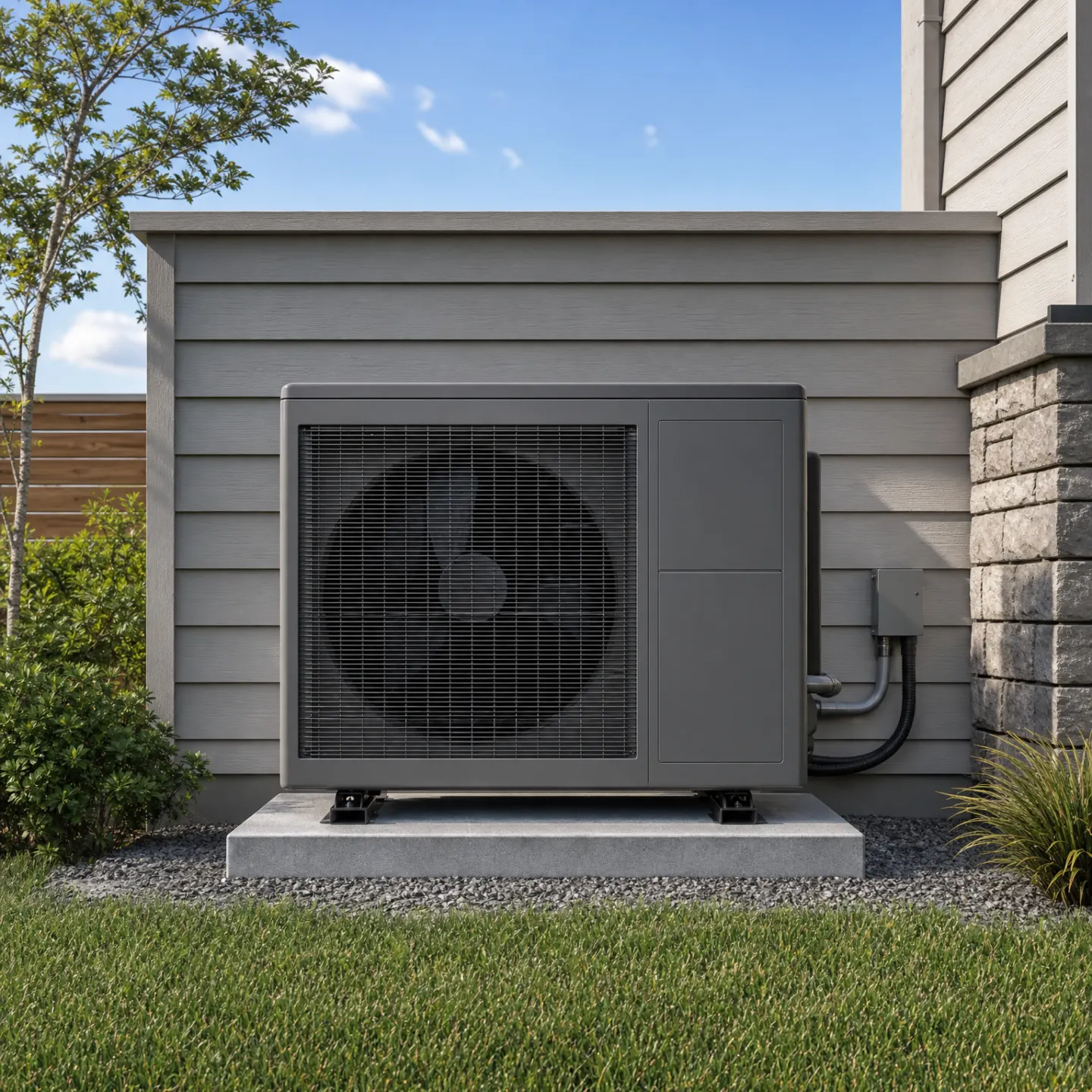
A gray heat pump outdoor unit mounted on a concrete pad next to a residential house with lap siding and stone accents.

This runs through storms most places never see

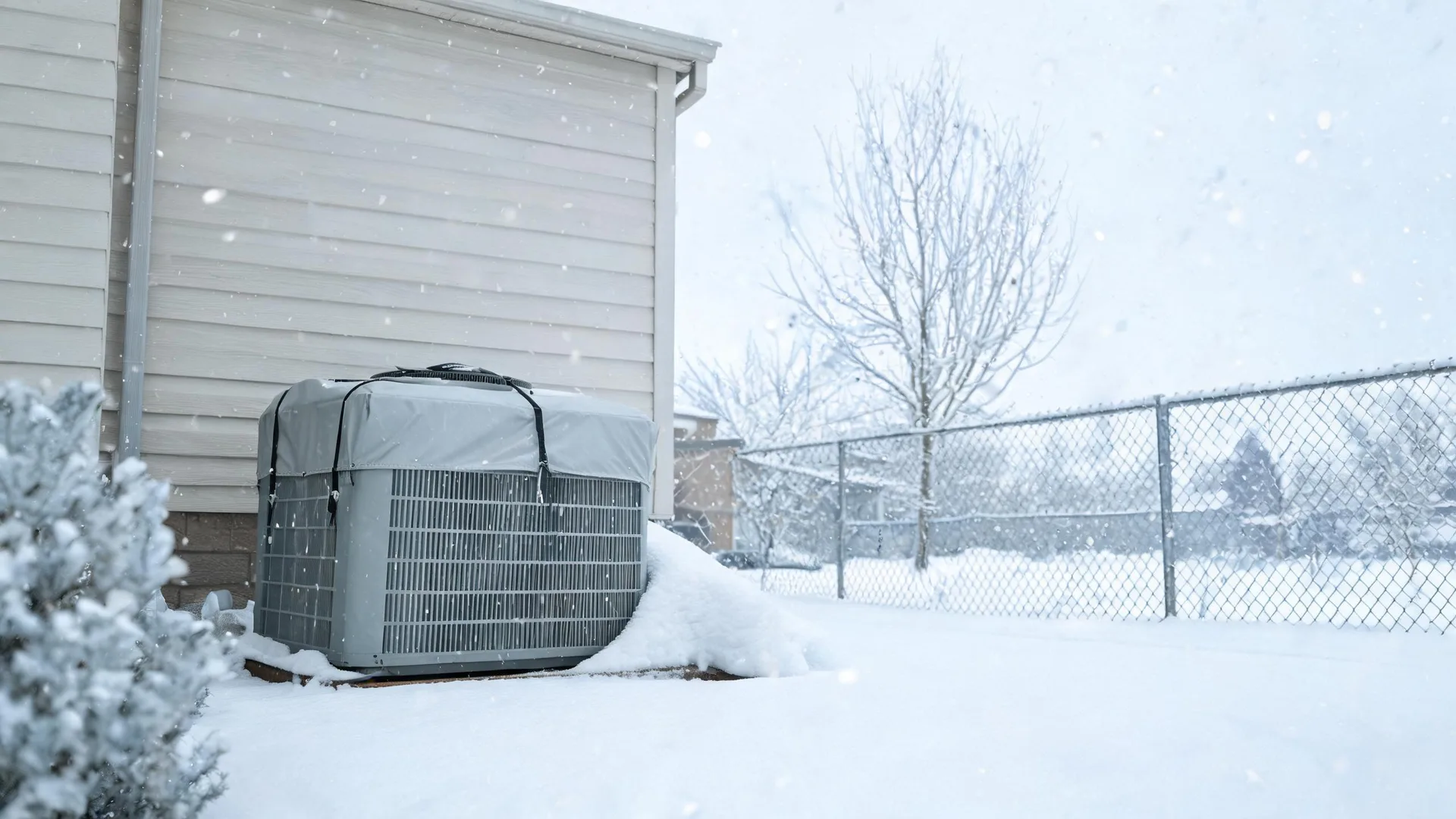
Grand County saw damaging wind 56 times between 2015 and 2024, and winter storms, heavy snow, ice and blizzards, hit 139 times in that same stretch. A heat pump installed here sits outside through all of it. Ask the installer what the unit is rated to handle in wind and cold, not just what it costs to put in. The install matters as much as the equipment: a unit mounted and sealed right keeps working through the storms that come most winters, and one put in cheap gives out right when you need it most.

The old equipment doesn't just get hauled off

A furnace or AC coming out usually has refrigerant in the lines, and that refrigerant can't legally go in the trash. A licensed contractor recovers it with a pump and tank before anything gets disconnected. The same goes for oil in an old compressor. Once that's done, the unit itself is mostly steel and copper, so it gets scrapped rather than landfilled.
What stays and what goes depends on the setup

If the heat pump is going in alongside an existing furnace, the furnace stays and only the outdoor condenser and any old AC ductwork tie-ins get touched. If the heat pump is replacing a straight AC system, that outdoor unit comes out whole. Either way, the line set connecting outdoor to indoor usually gets replaced rather than reused, since old lines can carry contamination into new equipment.

The rating on the label is a ratio, not a grade. It tells you how much heat the unit moves for the power it draws, nothing more. A higher number means the compressor and coil are doing more work per watt, so the system cycles less to hold the same temperature. That ratio holds whether the unit sits in an easy climate or a hard one, but a hard climate asks the equipment to prove it more often. The label also carries two separate numbers, one for heating and one for cooling, because a heat pump is rated both ways and a unit can be strong in one and average in the other. Ask the installer to show you both, not just the one that sounds best.

Install day starts with the old equipment shut down and the lines opened so refrigerant can be recovered before anything gets disconnected. Once that's clear, the crew sets the outdoor unit on its pad or bracket and runs new line set to the indoor coil or air handler. Every joint gets brazed, then pressure tested, because a leak that shows up months later means opening the wall or the line hidden behind it again. After the lines hold pressure, the system gets evacuated to pull out moisture and air, since either one left in the lines ruins how the refrigerant cycles. Only after that does the system get charged, and a good installer weighs the charge in rather than guessing by pressure alone. The last hour is spent running the system in both directions, heating and cooling, and checking that the thermostat, the defrost cycle and the airflow at the vents all match what the equipment is supposed to do.