Storms come through often
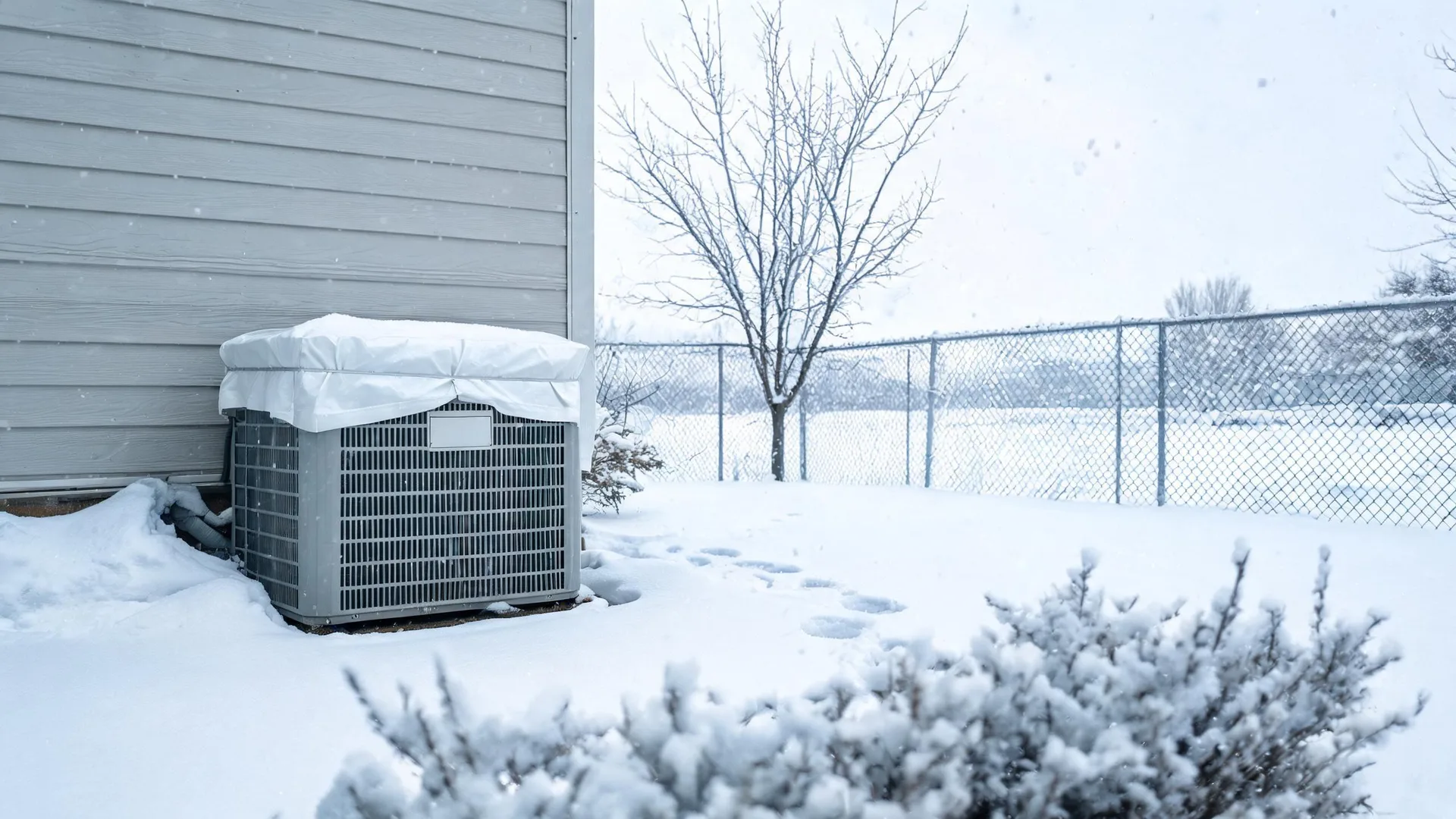
Weld County recorded 637 severe weather events between 2015 and 2024. That includes 388 hail events, 172 cases of damaging wind, and 34 tornadoes. A heat pump's outdoor unit sits outside through all of it.
Takes about a minute. No obligation.
Weld County recorded 637 severe weather events between 2015 and 2024. That includes 388 hail events, 172 cases of damaging wind, and 34 tornadoes. A heat pump's outdoor unit sits outside through all of it.
13% of Colorado households went at least 24 hours without power in 2024. A heat pump needs electricity to heat and cool. When the power is out, so is your system, and so is your hot water if it runs on electricity too.
NOAA nClimDiv, 1991–2020 normals
Weld County logged 388 hail events and 42 winter storms between 2015 and 2024.
A heat pump installed here has to hold up to hail on the outdoor unit and keep heating through ice and blizzards.



Weld County falls under zone 5B in the 2021 energy code, a cool, dry climate where the heating load outweighs cooling. That rating does not relax what a heat pump has to meet. Any split-system heat pump built from January 1, 2023 onward must deliver at least 7.5 Btu of heat for every watt-hour of electricity it uses over the winter, and remove at least 14.3 Btu for every watt-hour over the summer. Those are federal floors, not local ones, so they apply here the same as anywhere else. A system that meets them qualifies for a federal tax credit. One that falls short doesn't, no matter how it's priced.
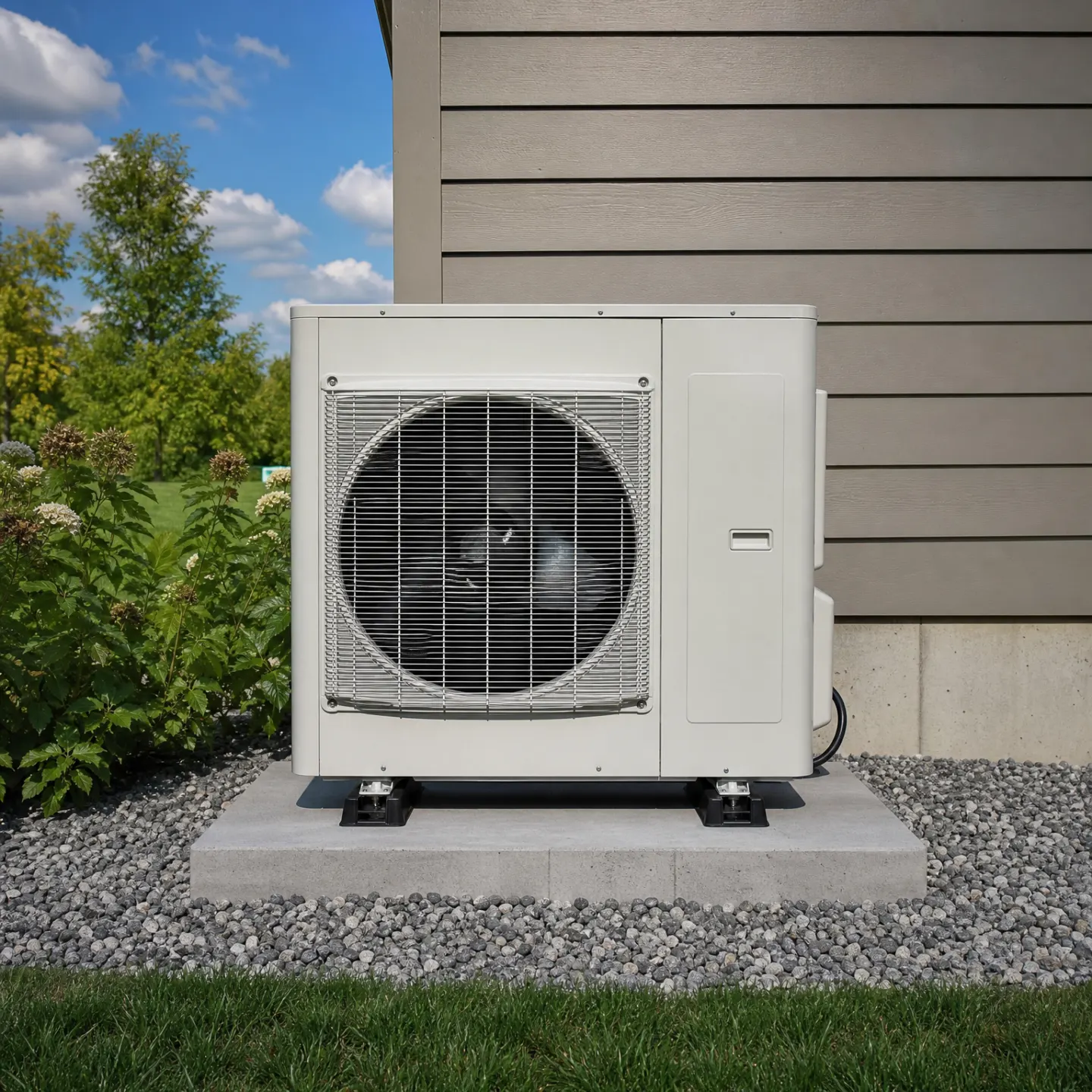
Where the outdoor unit sits and how it's protected matters here. So does knowing what keeps heat and hot water going when the power drops. Get those questions settled during installation, while the system is being planned, not after a storm takes the power out.
Find a contractor
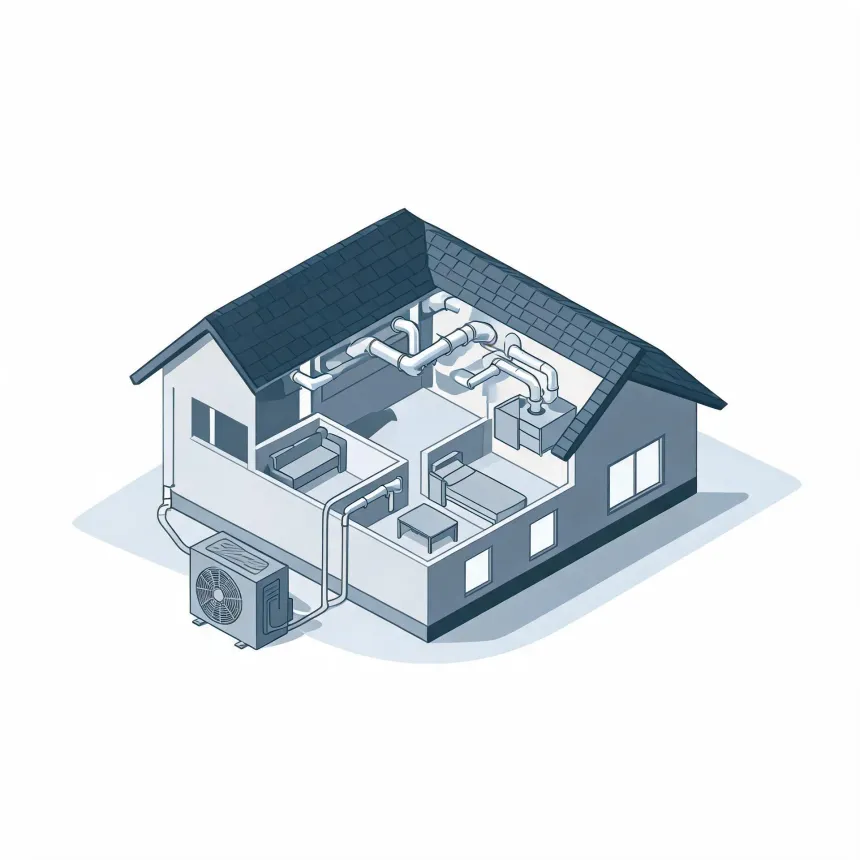
An old furnace or AC doesn't just disappear once the new heat pump goes in. A technician disconnects it, caps or removes the gas line and flue if the furnace was gas-fired, and pulls the refrigerant from the old AC's lines with a recovery machine before anything gets cut apart. Venting a system's refrigerant into the air is against the law, so that step happens no matter who's doing the work. Once it's disconnected, the old equipment gets hauled out, and the refrigerant goes off to be reclaimed or destroyed properly. If the furnace is staying on as backup heat, only the outdoor condenser and indoor coil come out, and the furnace itself is left alone, still wired and vented the way it always was. That's the setup that lets the furnace take over without any extra work later.
A straight swap where the new unit matches the old one's place and power is the simplest job there is. Cost climbs when the ductwork needs rework, when the electrical panel needs a new circuit or more capacity, or when the line set has to run somewhere it didn't before. Two houses with the same size heat pump can land at very different totals depending on what else the job touches.
Heat pumps come in different tiers of efficiency and different stages of operation, single-stage, two-stage, or variable-speed. A variable-speed compressor that adjusts its output to match the load costs more than a single-stage unit that's either on full or off. Ducted and ductless setups price differently too, and so does the size of the unit relative to the space it has to cover.
A couple of questions matter more than the sales brochure. Ask what happens to heat and hot water when the power goes out, and whether the system can work with a backup power source if one gets added later. Ask how the outdoor unit is mounted and whether the installer has accounted for runoff, ice, and wind load on the spot it's going. Ask for the heating and cooling output at the actual temperatures the system will see, not just the rating at a mild test condition, since a heat pump's capacity drops as the outside air gets colder. Ask whether the system is single-stage, two-stage, or variable-speed, because that changes how it handles a mild day versus the coldest night of the year. And ask what backup heat source kicks in if the heat pump can't keep up on its own, and how that switch happens.
Gas heats 73% of homes in Weld County. Electricity accounts for 18%, and propane another 6.8%. That gas majority is why most heat pump installs here are dual fuel, not all electric. The heat pump handles the mild days, and the furnace already in place takes over when it gets too cold for the heat pump to keep up efficiently. Keeping that furnace as backup also means heat doesn't depend on the outdoor unit alone. If a hailstorm or an outage takes the heat pump down, the gas furnace is still there to run.