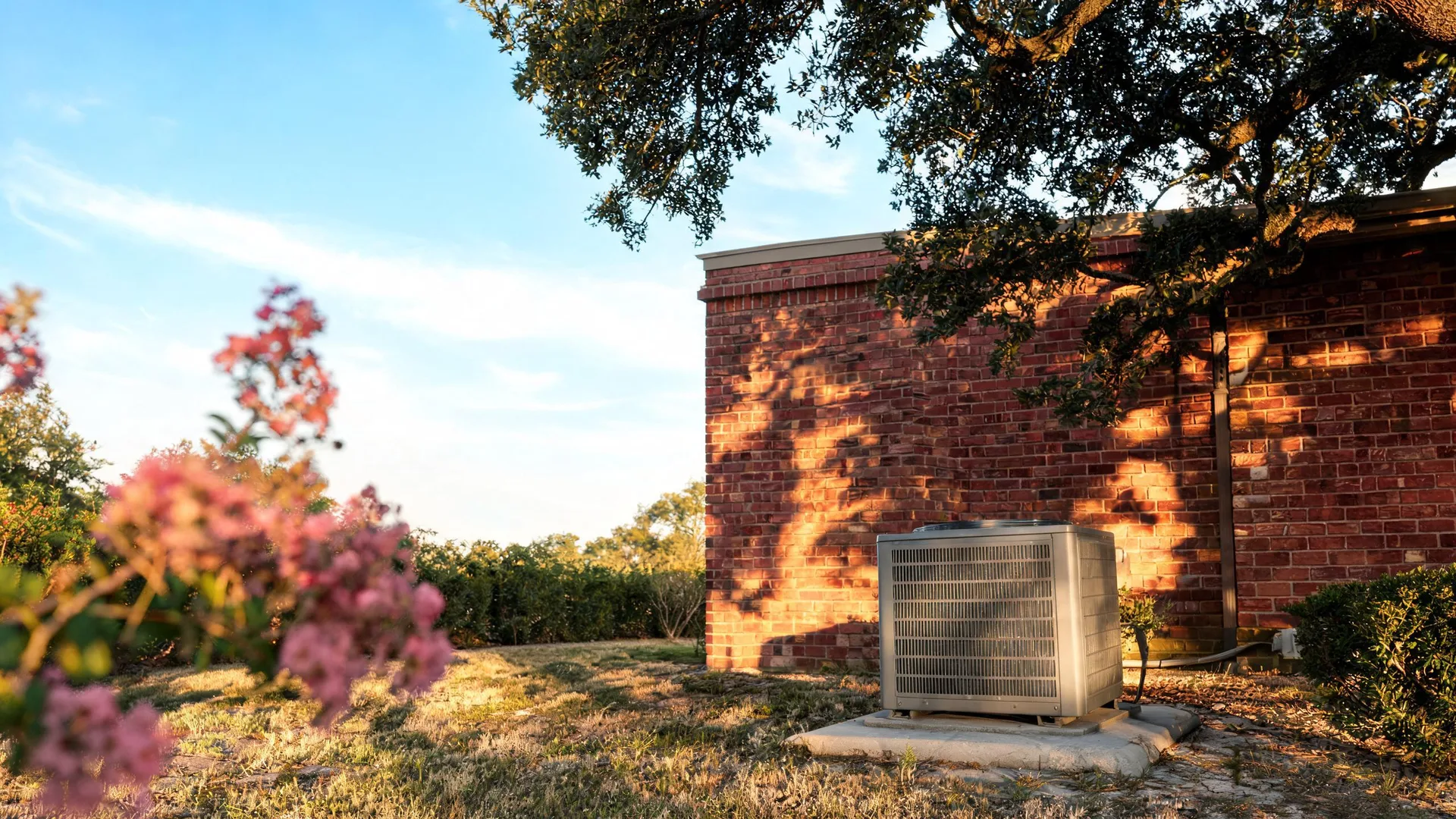
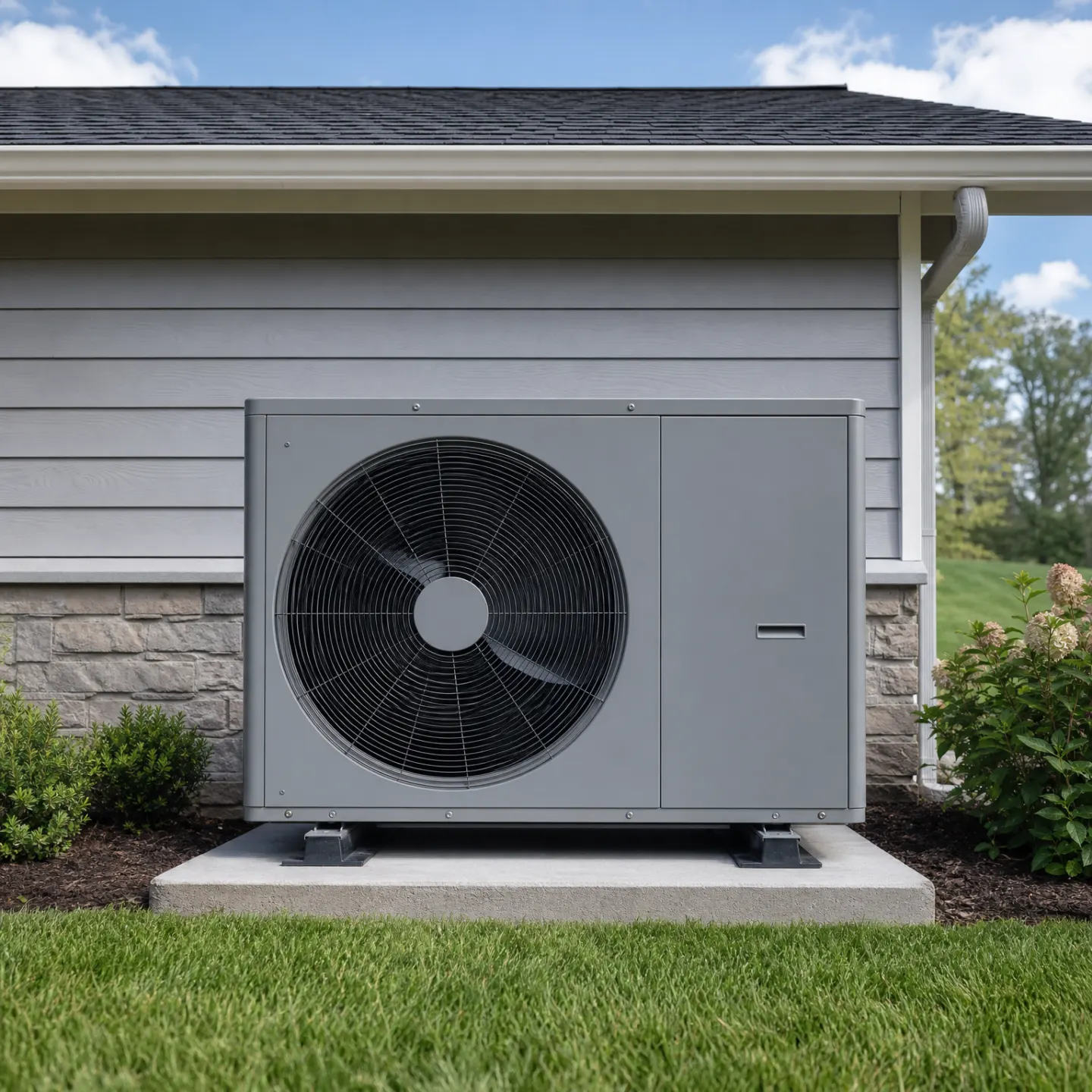
Electricity here runs 18.05 cents a kilowatt-hour
That is higher than what most US counties pay. A heat pump runs on electricity, so that rate applies to every hour it operates.
Takes about a minute. No obligation.
That is higher than what most US counties pay. A heat pump runs on electricity, so that rate applies to every hour it operates.
A heat pump installed here is going to run on the more expensive fuel in the county, so the unit's efficiency rating carries more weight in what you pay than it would somewhere with cheaper power.
Gas heats close to half the homes in Alamosa County.
A heat pump going into a gas-heated home is usually an addition or a change in fuel, not a swap of one heat pump for another.
Heat here starts in September and runs through May, nine months of the year. That gives you until August to get a new heat pump in place. Installing before the first cold night means it gets commissioned and tested before it has to carry the house, not patched in on an emergency call once the need is already there. Overnight lows here average 8°F across December, January and February, and that is when you want the system running as designed, not when someone is troubleshooting a rushed install in the cold. Doing the work in summer puts the job on your schedule instead of the weather's.
The rate is already set before a unit ever gets installed. Picking one for how it performs at that rate, not just its upfront price, is the decision that pays off on the bill every month it runs.
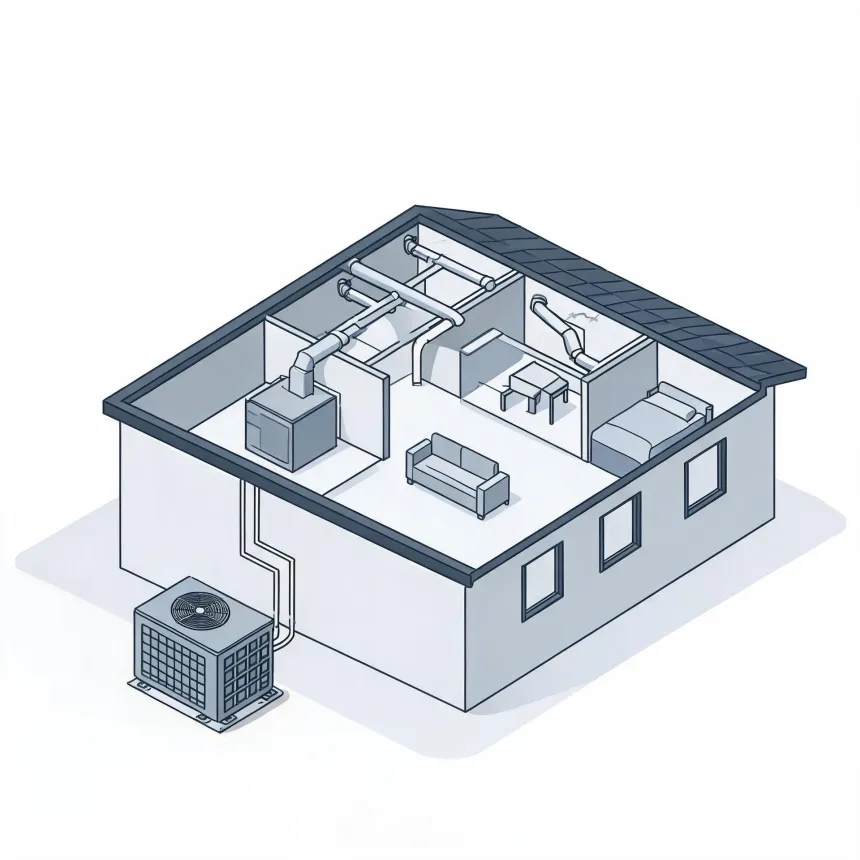
Find a contractorTaking out the old system is usually straightforward if it's a furnace or an air conditioner coming out to make room for the new lines and the air handler. A straight swap, heat pump for heat pump, goes even faster, since the line set and pad are often already there. What matters more is what's left behind. Old refrigerant has to be recovered, not vented, and that takes a licensed hand. If ductwork is being reused, it gets checked before the new system ever turns on, since a heat pump moves a different volume of air than what was running through those ducts before. A system that's been quietly failing for years can also leave corrosion or a cracked heat exchanger behind it, so whatever replaces it goes in on a clean, inspected base rather than on top of a problem nobody looked at.
A heat pump has to be sized to the house, not picked off a shelf. That takes a load calculation, room by room, looking at square footage, window area and insulation. Oversize it and the unit short cycles, wearing out the compressor early. Undersize it and it runs flat out in the worst weather and still can't keep up. The sizing work takes time before a single part is ordered, and it shapes which unit even qualifies for the job.
If ducts are already in place and sized right for a heat pump, installation is mostly swapping equipment and connecting line sets. If the ducts are undersized, leaky, or were built for a furnace that moved air differently, they need rework before the new system can perform the way it's rated to. That duct work, not the heat pump itself, is often what separates a quick install from a long one.
A couple of numbers on a spec sheet matter more than the rest. HSPF tells you how the system performs in heating mode over a full season, and SEER2 tells you the same for cooling. A higher number on either one means less electricity for the same amount of comfort, so put real weight on both instead of just the one that gets talked about most. Ask what the system's rated capacity is at low outdoor temperatures, not just at a mild setpoint, since that number tells you how hard the unit has to work on the coldest nights rather than an average day. Ask whether the compressor is single-stage, two-stage, or variable-speed. A variable-speed compressor adjusts its output to match what the house needs at that moment, which usually means steadier comfort and less wear than a unit that only knows on and off. Also ask what backup heat the system pairs with and how the controls decide when to use it, because that decision affects both comfort and the electric bill on the coldest days.
Alamosa County falls under zone 6B in the 2021 energy code, a cold, dry climate with a long heating season. Any split-system heat pump installed here, if built on or after January 1, 2023, has to meet the federal minimums for that equipment: at least 14.3 Btu of cooling delivered for every watt-hour it draws, and at least 7.5 Btu of heat for every watt-hour in heating mode. Those numbers aren't a target to aim for, they're the floor. A unit that can't clear them isn't allowed on the market, so the comparison you're making between models starts above that line, not at it. A federal tax credit is available on top of that for systems that qualify, which is worth asking about before you settle on a model.