This county gets hit
Arapahoe County logged 360 severe weather events between 2015 and 2024. That includes 175 hail events, 97 days of damaging wind, 78 winter storms and 8 tornadoes.
Takes about a minute. No obligation.
Arapahoe County logged 360 severe weather events between 2015 and 2024. That includes 175 hail events, 97 days of damaging wind, 78 winter storms and 8 tornadoes.
In 2024, 13% of Colorado households lost power for 24 hours or more. A heat pump needs power to heat and cool, and the outdoor unit sits outside where hail and wind reach it.
NOAA nClimDiv, 1991–2020 normals
Gas heats 65.4 percent of homes in Arapahoe County.
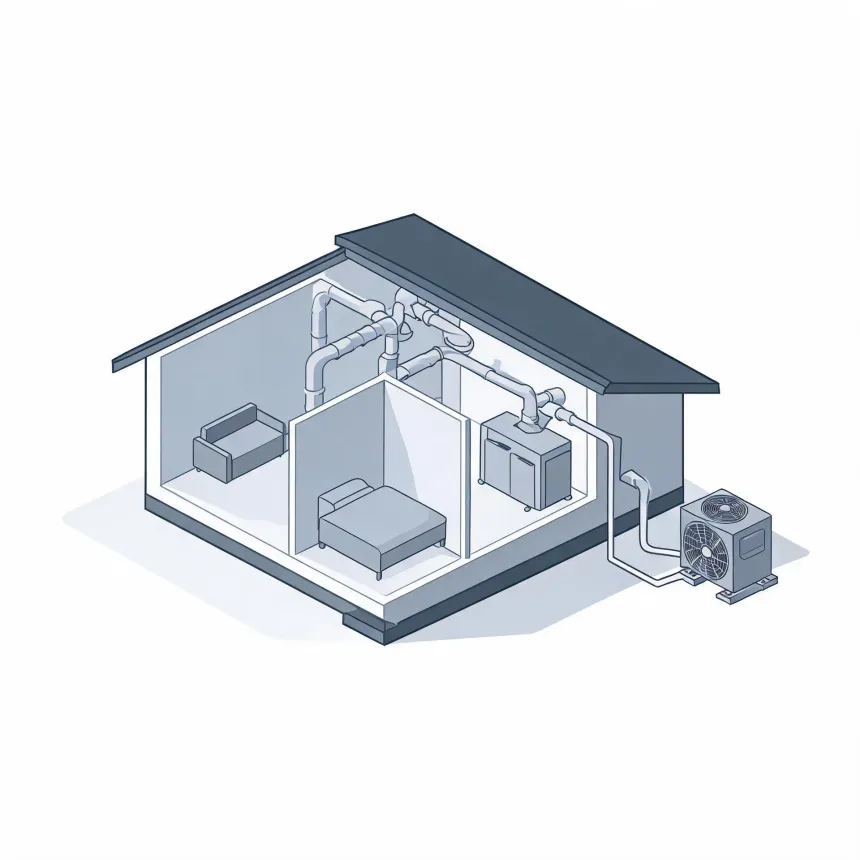
Most heat pump installs here add electric heat to a home that still has a gas furnace, not replace it outright.




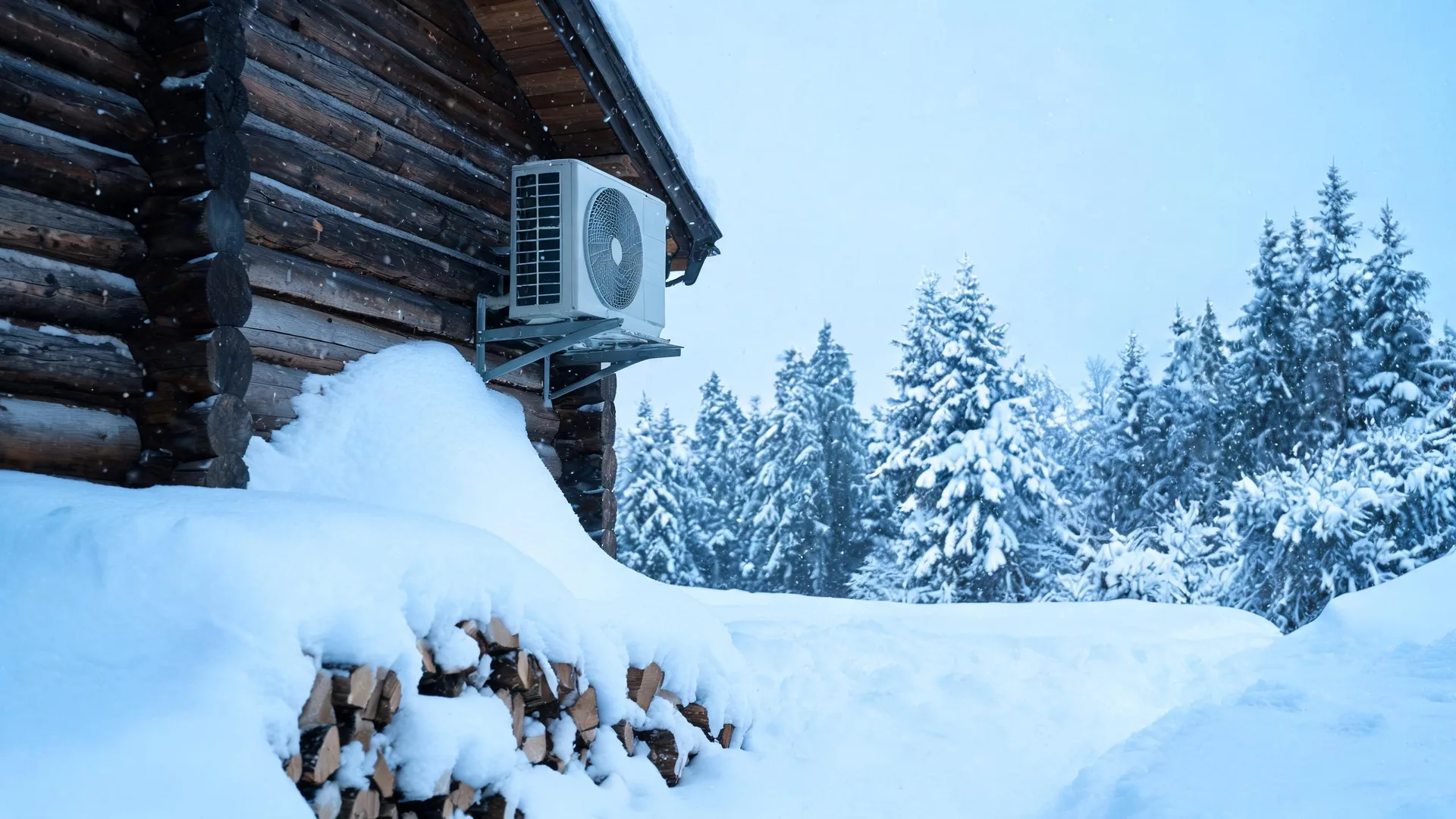
A heat pump here spends the year exposed to real weather, not just heat and cold. Damaging wind hit this county 97 times between 2015 and 2024, and winter storms hit it 78 times in that same stretch. The outdoor unit sits outside through all of it, where hail can dent the housing and wind can rock the fan. It still has to heat the house on the coldest night and cool it on the hottest. A unit sized too small for that work runs longer and harder to keep up, and the parts carrying that extra load wear out first. Pick the installer and the equipment on how well they hold up to that, not just on the quote.
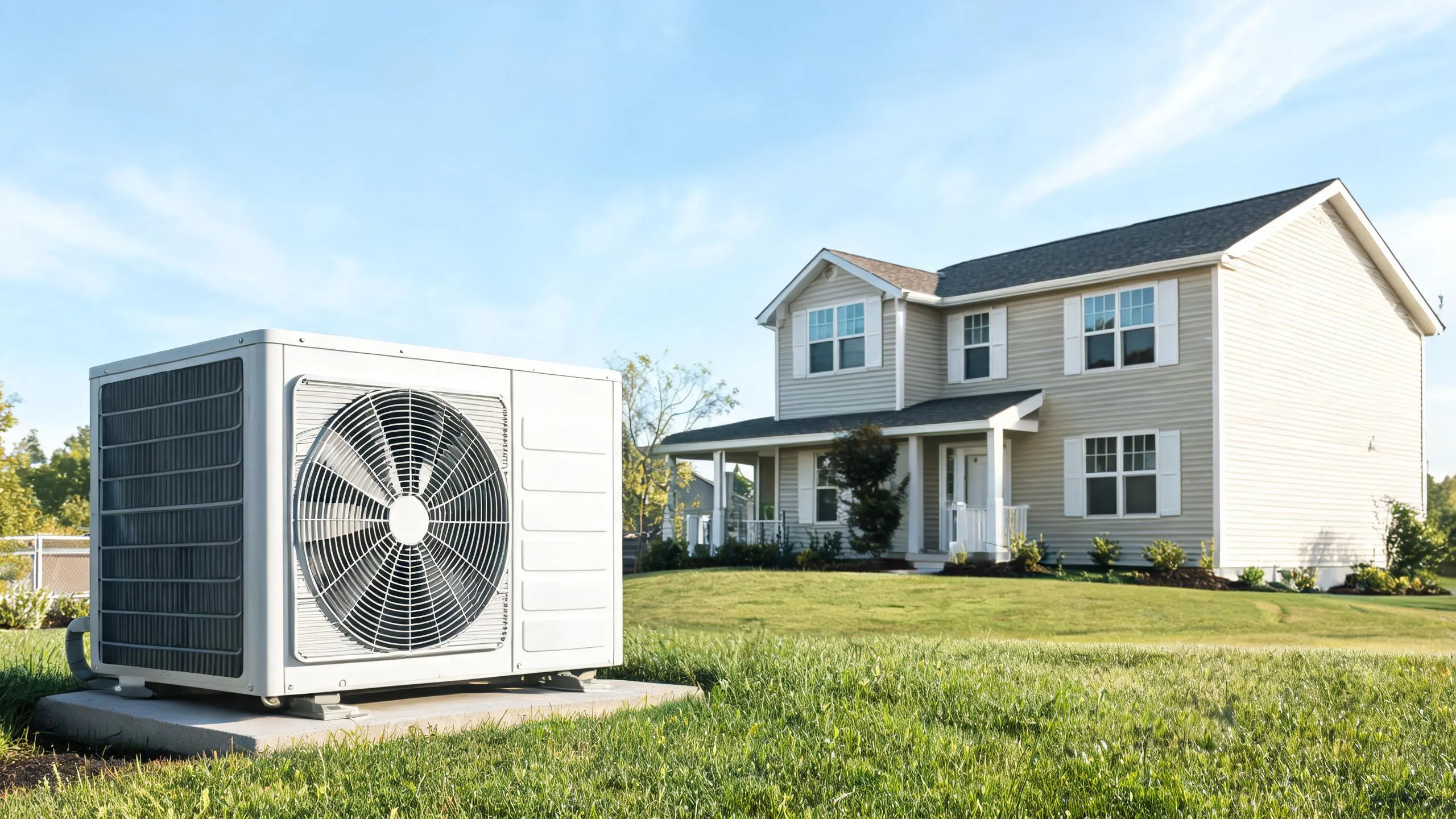
Have the installer place the outdoor unit where hail and wind do the least damage, and ask what happens to heat and hot water if the power drops. That plan is easier to make now, while the system is being chosen, than after a storm already took the power out.
Find a contractorThis clip runs the unit from morning into night, and in a real year that stretch doesn't let up. The outdoor unit sits through every hail event and every windstorm that hits this county, then still has to answer when the house calls for heat or cooling. There's no season where it gets to just sit there. Ask the installer what the equipment is rated to take, not just what it costs to put in.
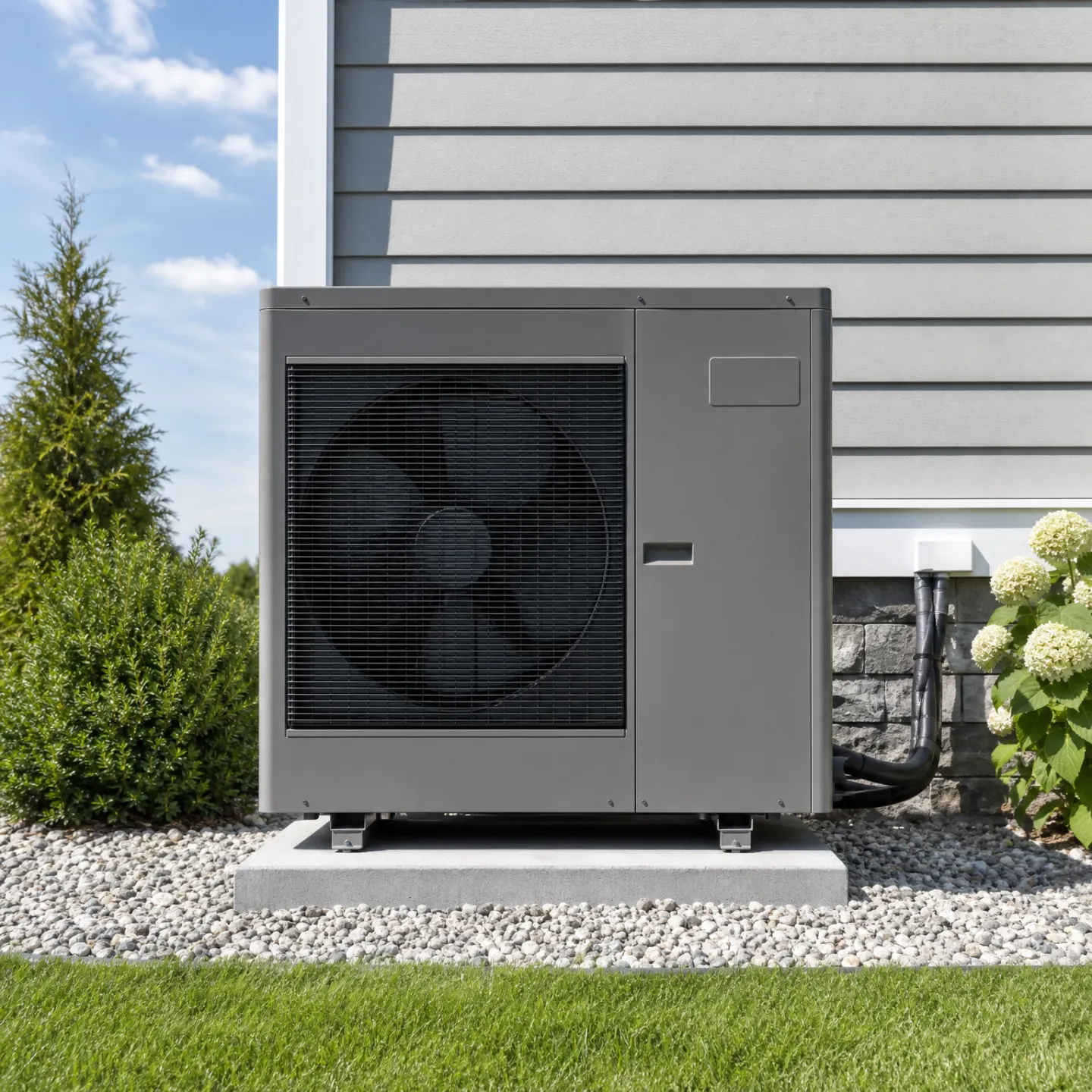
The outdoor unit carries a rating for wind load and some carry a separate rating for hail impact on the cabinet and the coil fins. A thin louvered housing dents easier than a heavier gauge cabinet, and bent fins choke airflow across the coil. Ask the installer to show the rating, not just describe the brand as durable.
A heat pump cannot run during an outage unless something else is feeding it power, and a backup furnace or electric heat strip needs that same power to fire. Ask what the house falls back on when the grid drops, and whether that backup turns on by itself or needs someone to switch it over.
The price of a heat pump install comes down to what the equipment has to do and how much of the house it has to reach. A contractor sizes the unit to the home's heat loss and heat gain, not just its square footage, and getting that sizing right costs more upfront than guessing. If ductwork already exists, the install goes faster and cheaper; if it has to be added or resized, that's its own job before the heat pump ever gets mounted. Line set length between the outdoor unit and the indoor coil matters too, along with how much electrical work the panel needs to carry the new load. A system that keeps the existing gas furnace as backup heat adds a control board and wiring to make the two talk to each other, which is more parts and more labor than a straight swap. None of that shows up on a spec sheet, only on a proper site visit.
Arapahoe County falls in climate zone 5B, a cool, dry zone where the furnace or heat pump does more work than the air conditioner over the year. Any split-system heat pump installed today has to clear a federal floor either way, moving at least 14.3 Btu of heat per watt-hour of electricity it uses to cool the house, and at least 7.5 Btu per watt-hour to heat it. That floor narrows what an installer can legally put in, so two bids at different prices may both meet it, or one may not. A federal tax credit is available on top of that for equipment that qualifies, separate from whatever the installer quotes. Ask whether the specific model meets the climate zone's requirement and whether it qualifies for the credit, not just what it costs installed.