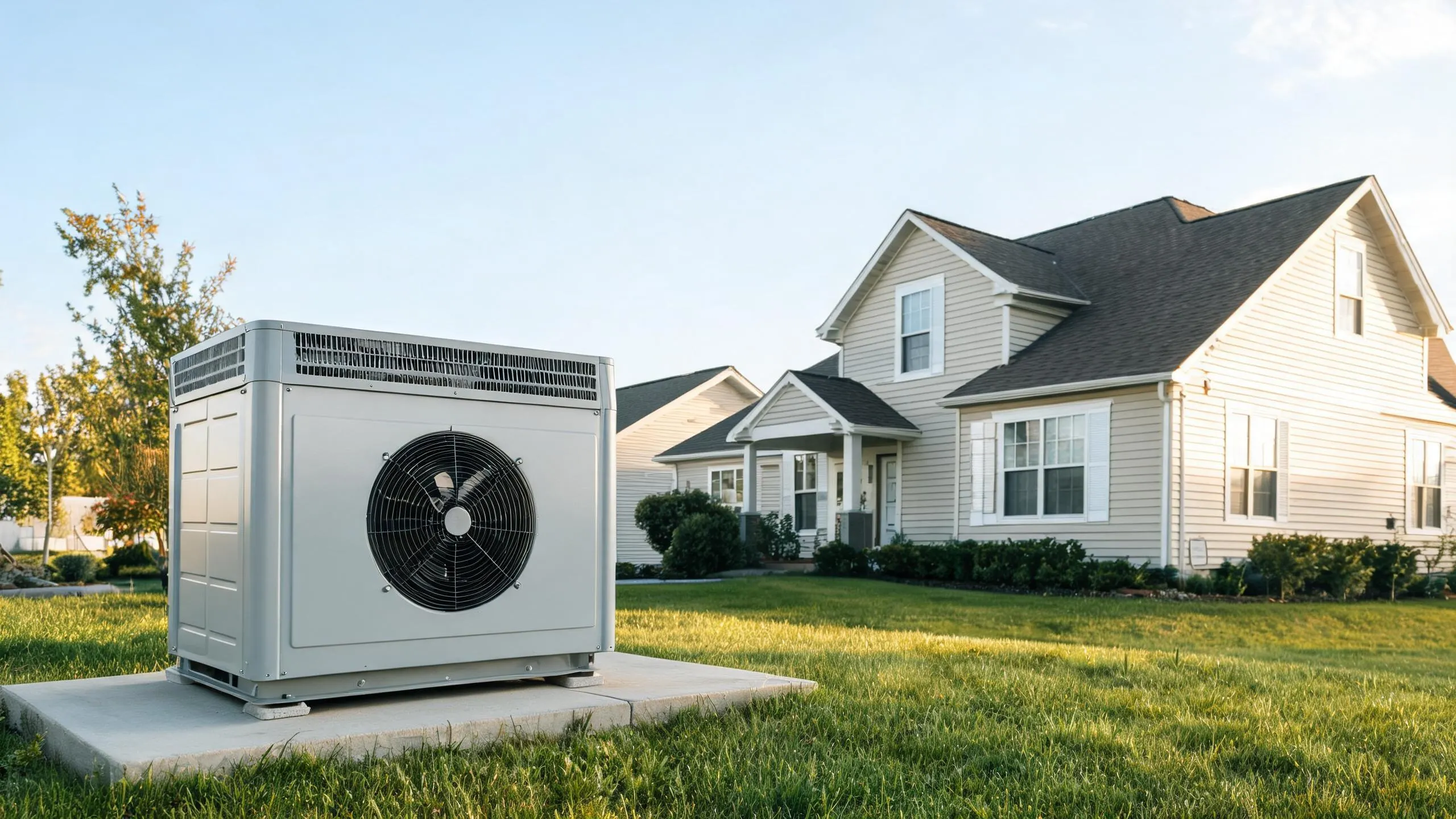




An outdoor heat pump unit mounted on a concrete pad in the front yard of a gray suburban house.

Heat Pump Installation in Castle Rock, CO

Tell us about the job

Takes about a minute. No obligation.

Step 1 of 3: Equipment

Douglas County saw 353 severe weather events between 2015 and 2024. Hail accounted for 158 of those, and damaging wind hit the county 97 times, with three tornadoes touching down in the same stretch. A heat pump's outdoor unit sits outside through all of it, taking whatever the weather sends. Winter storms, heavy snow, ice, blizzards, affected the county 92 times over that same period, and a heat pump has to keep running through those too. Statewide, 13% of households lost power for a day or more in 2024. An outage that long means no heat and no hot water until it's back on.

9 months
September through May, your system heats
1 months
July through July, it cools
17°F
the average winter night it heats against
81°F
the average summer afternoon it cools against
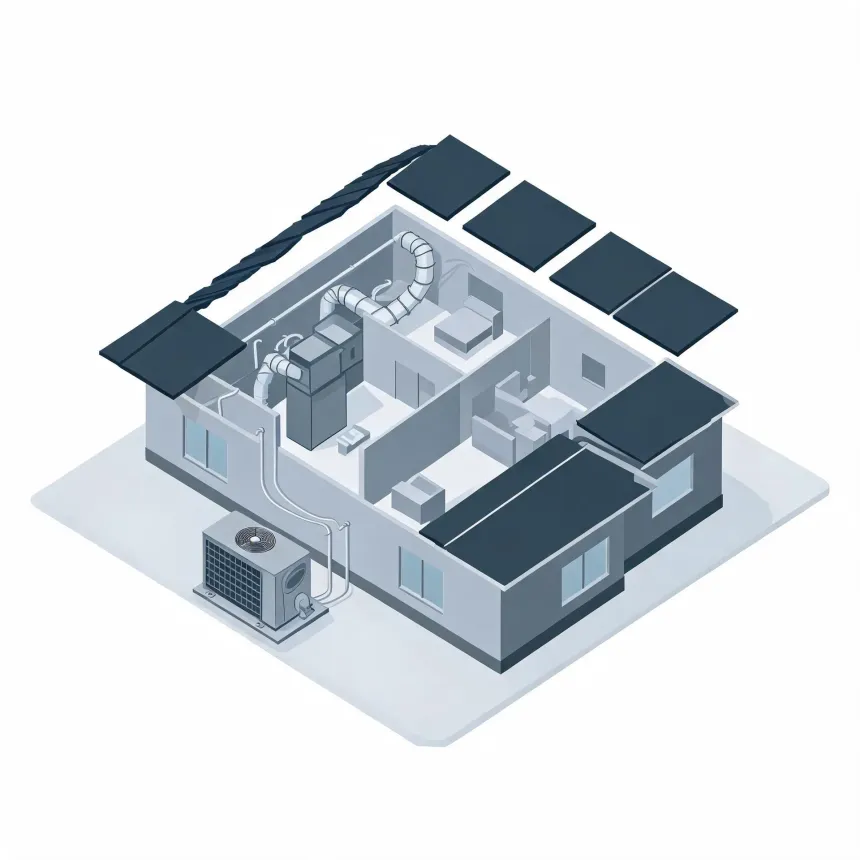
Isometric grayscale illustration of a cutaway single-story house showing interior rooms, ductwork and an air handler, an exterior condenser unit connected by lines, and dark solar panels on the roof.
Your system heats September through May and cools July through July.

NOAA nClimDiv, 1991–2020 normals

Gas heats 73.4% of homes in Douglas County.

Most heat pump installs here pair with the gas furnace already in the house, working alongside it instead of replacing it.

Power here runs 15.79 cents a kilowatt-hour, and this system runs most of the year

Power here costs 15.79 cents per kilowatt-hour
Climate zone 5B
Cooling runs July through July
Pick the Rating That Pays You BackThe HSPF2 rating on the unit decides what the bill looks like every month after installation.

Heat runs nine months here, September through May, with overnight lows averaging 17°F in December, January and February. That's the load the new system carries from day one. August is the month before heat starts, and it's a far better time to install than once the cold has already set in and every contractor's schedule is full. A unit put in before September gets checked out and broken in while the weather is still easy on it, not during a week it can't afford to go down. Cooling only runs in July here, so there's no summer deadline pulling at the schedule. The heating season is the long one, and it's the one worth planning around.

Plan the Install Around the Weather It Has to Survive

Where the outdoor unit goes and how it's mounted matters here. Ask about hail guards and a stand that keeps it clear of drifting snow, and ask what happens to heat and hot water if the power goes out, since a heat pump needs power to run. Settle both before installation, not after the first storm.

Find a contractor
A man in a gray t-shirt and tan work pants, seen from behind, climbs concrete steps toward a dark blue front door while carrying a canvas tool bag, with a potted shrub beside the entry.
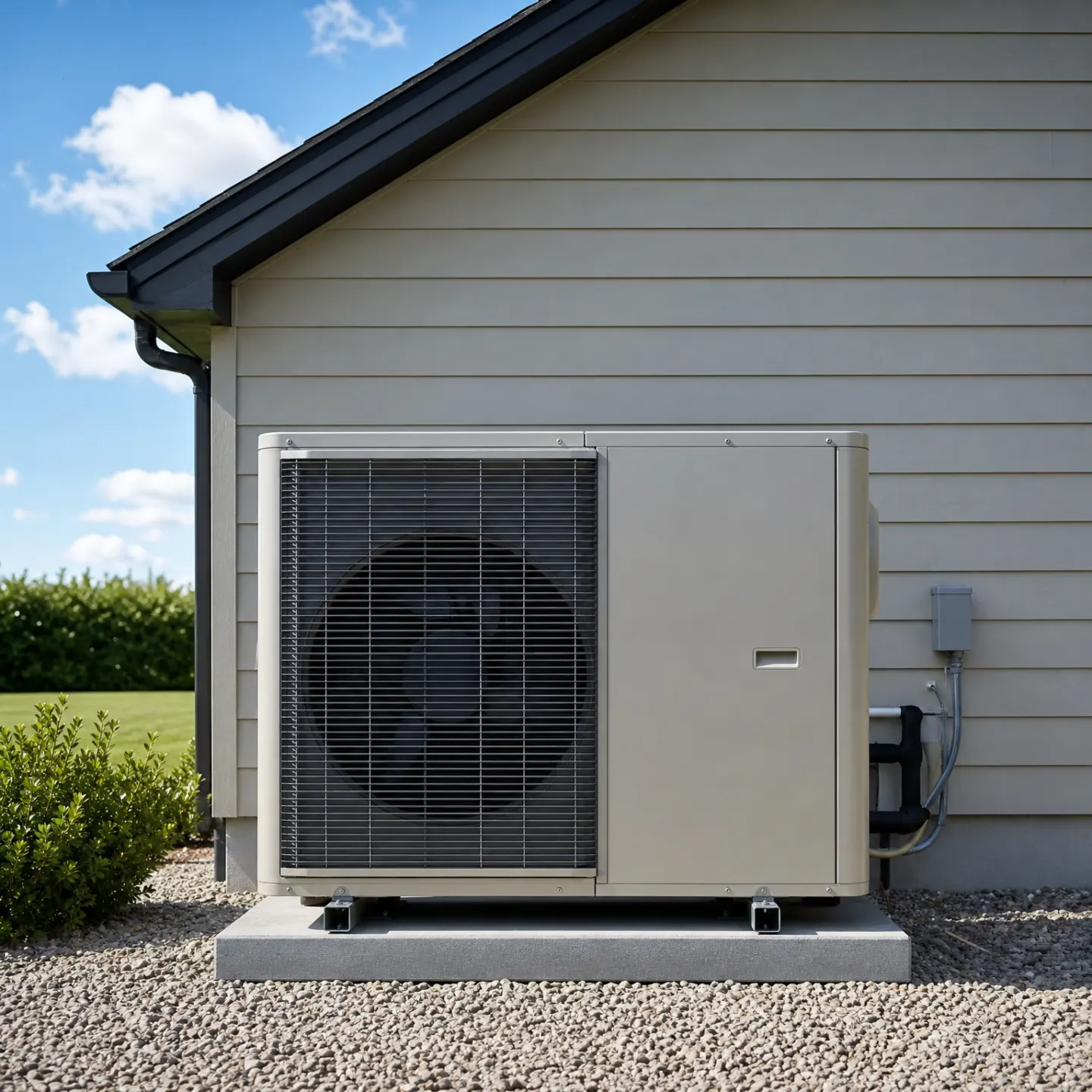
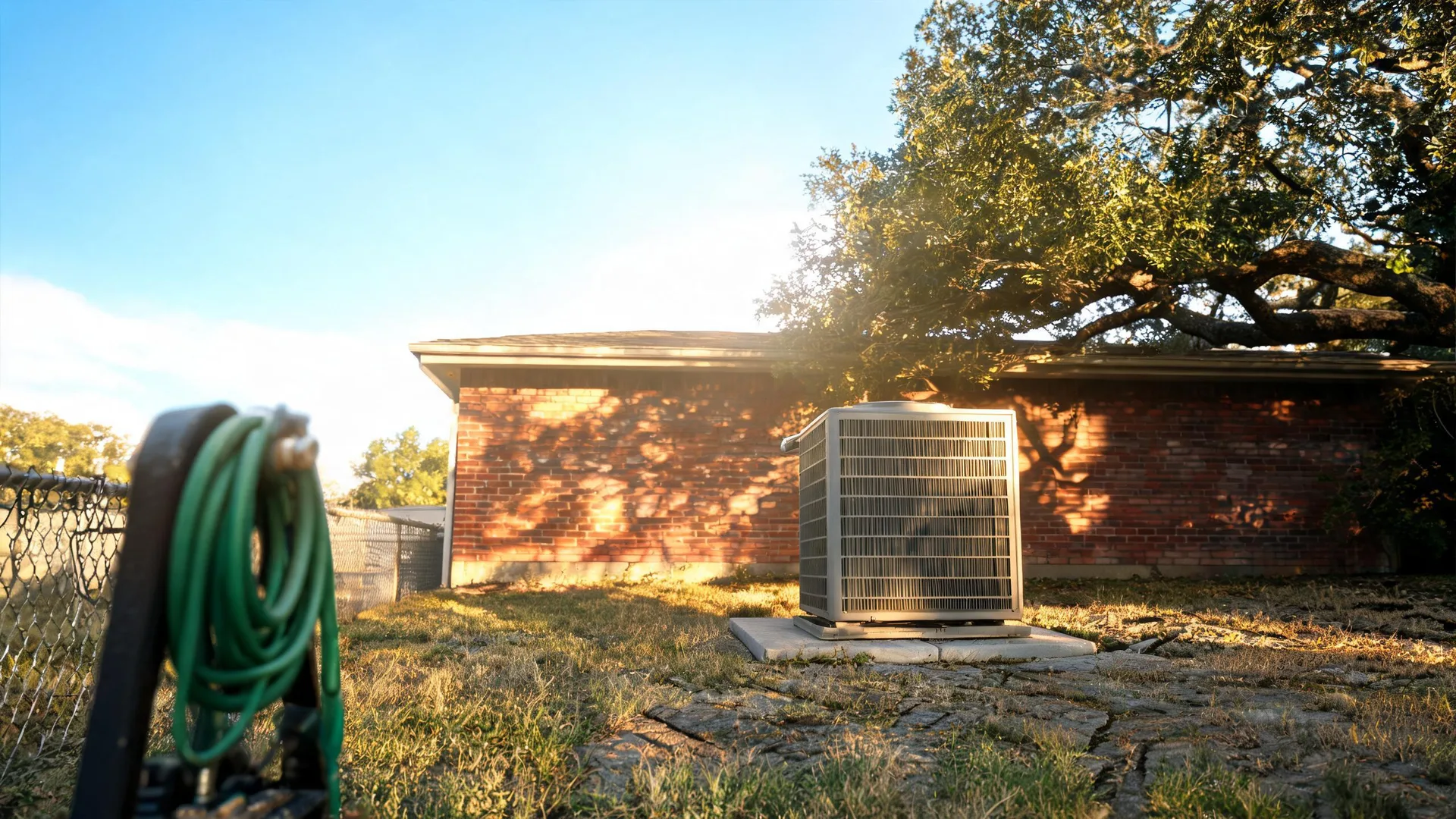
A residential heat pump outdoor unit mounted on a concrete pad next to a house with gray vinyl siding.

The Weather Doesn't Let Up, and Neither Does the Wear

The hail and wind counts above don't let up with time. A new outdoor unit sits through those storms every year it's out there, not just once. Heating load falls on the gas furnace most winters, but the outdoor unit itself is outside through all of it regardless, hail, wind, snow piling up around the base. That's a longer stretch of exposure than the same unit would see in a calmer county, and it's worth asking the installer about a mount and guards built for what this place actually throws at it, not a standard setup meant for milder weather.

The Outdoor Unit Sets the Floor

A heat pump installation starts with a load calculation, not a model number. The installer measures the house, checks the windows and insulation, and sizes the unit to match. Get that wrong and the price moves either way: too small and it struggles, too big and you paid for capacity the house can't use. Everything after that, the line set, the pad, the electrical work, follows from what that calculation says the house actually needs.
What's Already There Changes the Job

Adding a heat pump to a house with existing ductwork is a different job than one that needs ducts run or modified. The electrical panel matters too. Some panels have room for a new circuit, some need an upgrade before the unit can go in. A straightforward swap where the old equipment matches up with the new keeps the job simple. Anything that has to be opened up, rerouted, or brought up to code adds work the quote has to cover.

The rating on a heat pump's label tells you how much heat it moves for the power it draws, nothing more. A higher rating means it pulls less electricity to do the same job, month after month. That difference shows up every billing cycle, not just on the hottest or coldest days. It also shows up in the install itself. Units with a higher rating often need a larger coil or a variable-speed compressor to hit that number, and that can change what ductwork or electrical work the job calls for. A lower-rated unit costs less to buy and install, then costs more every month it runs. The right rating depends on how long the system runs each year and how it's paired with whatever else heats the house, not on buying the highest number available.

Douglas County falls under zone 5B in the 2021 energy code, a cool, dry climate where heating carries the bigger load. Any split-system heat pump installed new has to meet the federal minimums for that kind of system: at least 14.3 Btu of heat moved per watt-hour of electricity over summer, at least 7.5 Btu per watt-hour over winter. Those numbers set the floor. A contractor can quote equipment above that floor, but nothing below it is legal to install. There's also a federal tax credit available on qualifying heat pumps, worth checking into before you settle on a unit.