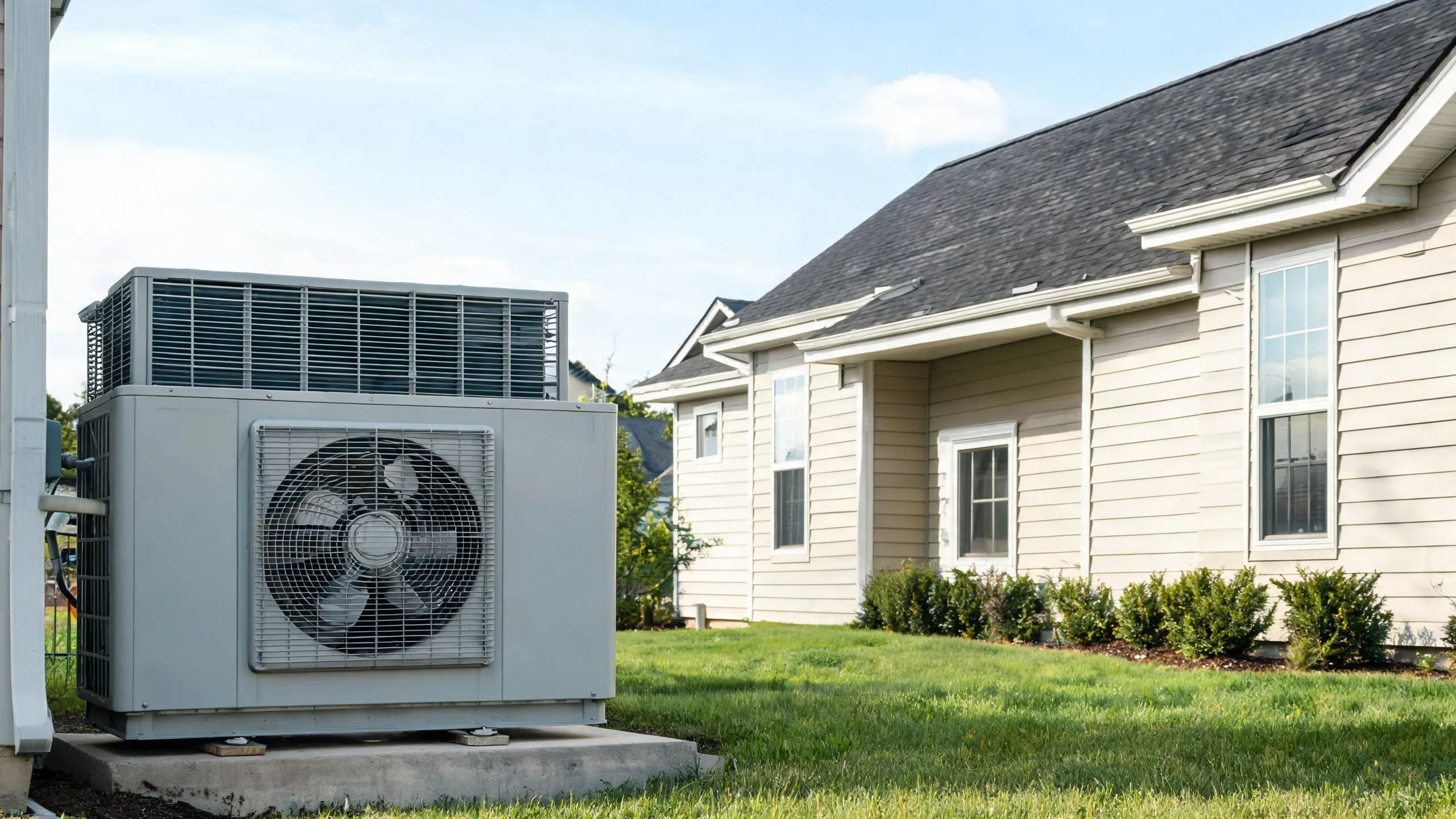

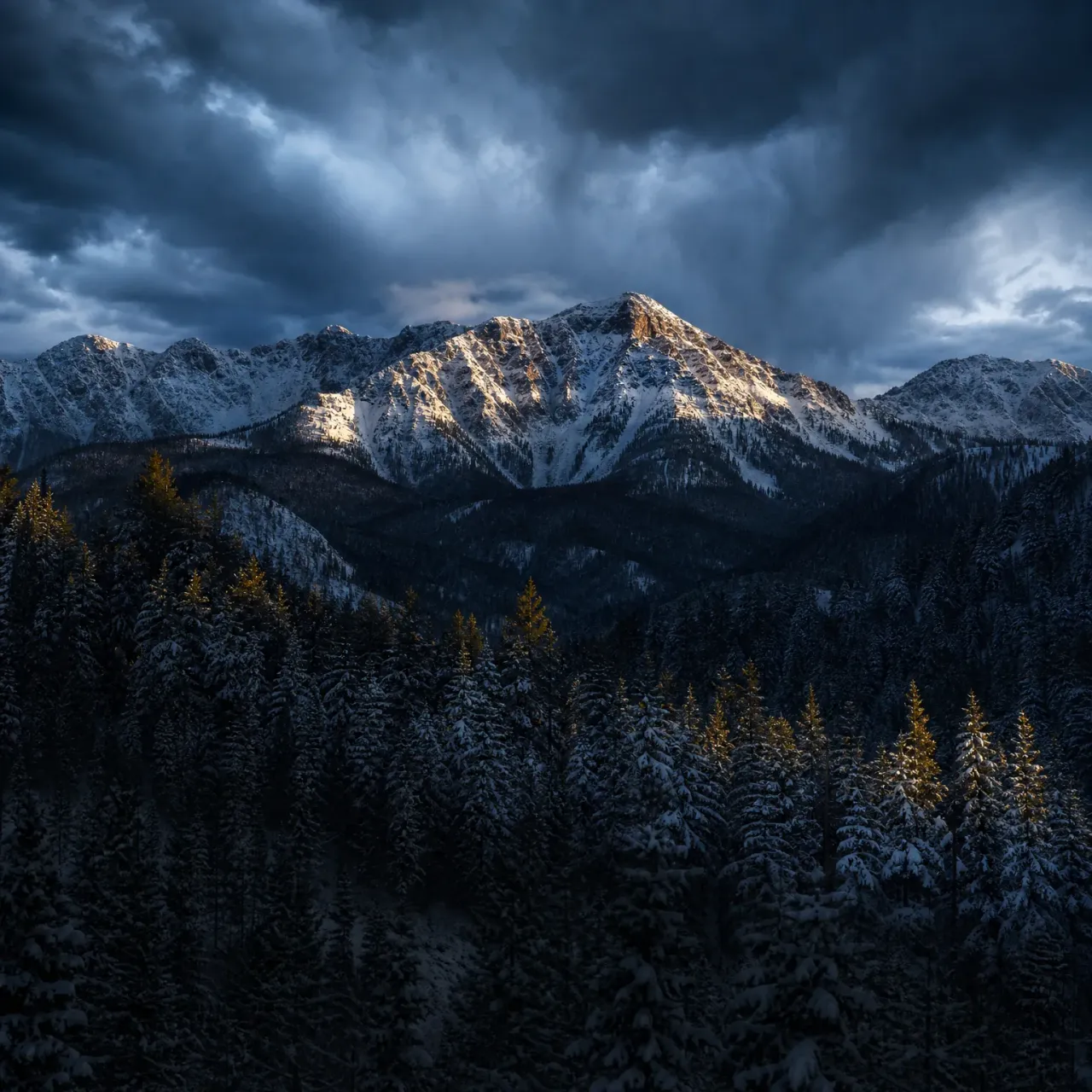
An outdoor HVAC condensing unit on a concrete pad next to a beige single-story house with a dark shingle roof.

Heat Pump Installation in Pueblo, CO

Tell us about the job

Takes about a minute. No obligation.

Step 1 of 3: Equipment

Pueblo County saw 552 severe weather events between 2015 and 2024. That includes 209 damaging wind events, 157 hail events, and 184 winter storms with heavy snow or ice. An outdoor heat pump unit sits outside through all of it, taking wind-blown debris and hail on its coil and fan. Statewide, 13% of Colorado households lost power for 24 hours or more in 2024. A heat pump that keeps a house warm or cools it back down depends on that power being there.

8 months
October through May, your system heats
3 months
June through August, it cools
19°F
the average winter night it heats against
88°F
the average summer afternoon it cools against
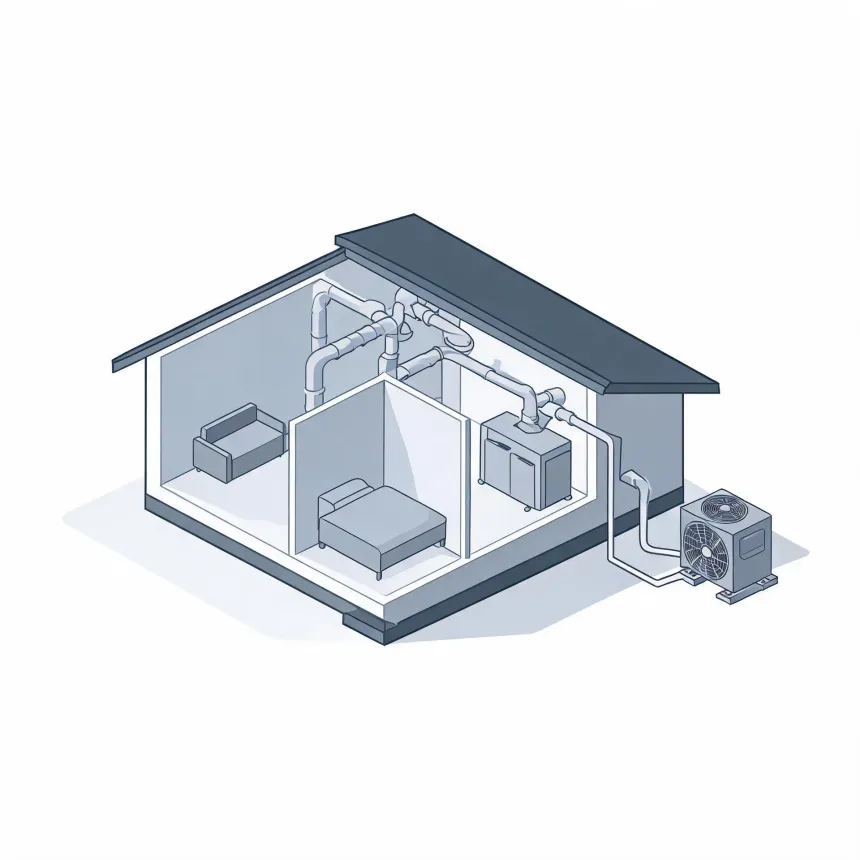
Isometric cutaway illustration of a small house showing interior rooms with furniture, an indoor air handler with ductwork, and lines running to an outdoor condenser unit beside the building.
Your system heats October through May and cools June through August.

NOAA nClimDiv, 1991–2020 normals

Electricity in Pueblo County runs 18.29 cents per kilowatt-hour, more than most US counties pay.

A heat pump sized and installed right earns back that rate difference every month it runs.

Heat pump installed before October works the first cold night, not whenever the crew can get to it

Cooling runs June through August
Heat runs October through May
209 damaging wind events from 2015 to 2024
Most homes here run on gas76.3% of homes in Pueblo County heat with gas, which shapes how a heat pump gets added in

A heat pump here works through more than wind and hail on its coil and fan. Summer air in Pueblo County sits at a 47°F dew point on average, lower than most of the country sees, so the air is dry and the unit doesn't fight humidity the way one in a muggier state does. That's one less load on it. What it does fight is the weather itself, storm after storm across the year, with no stretch where it just sits and idles. A fan blade can loosen, a coil can take a dent, and those show up sooner under that kind of load than the manual assumes. Sizing the unit to the house, and installing it with this weather in mind, is what keeps it standing up to it year after year.

Install it ready for the weather it'll sit in

Plan the install around what this county throws at it. Where the outdoor unit sits, what shields it from hail and wind-blown debris, and what keeps the house warm or cool when the power drops. That's part of the installation, not an afterthought once it's running.

Find a contractor
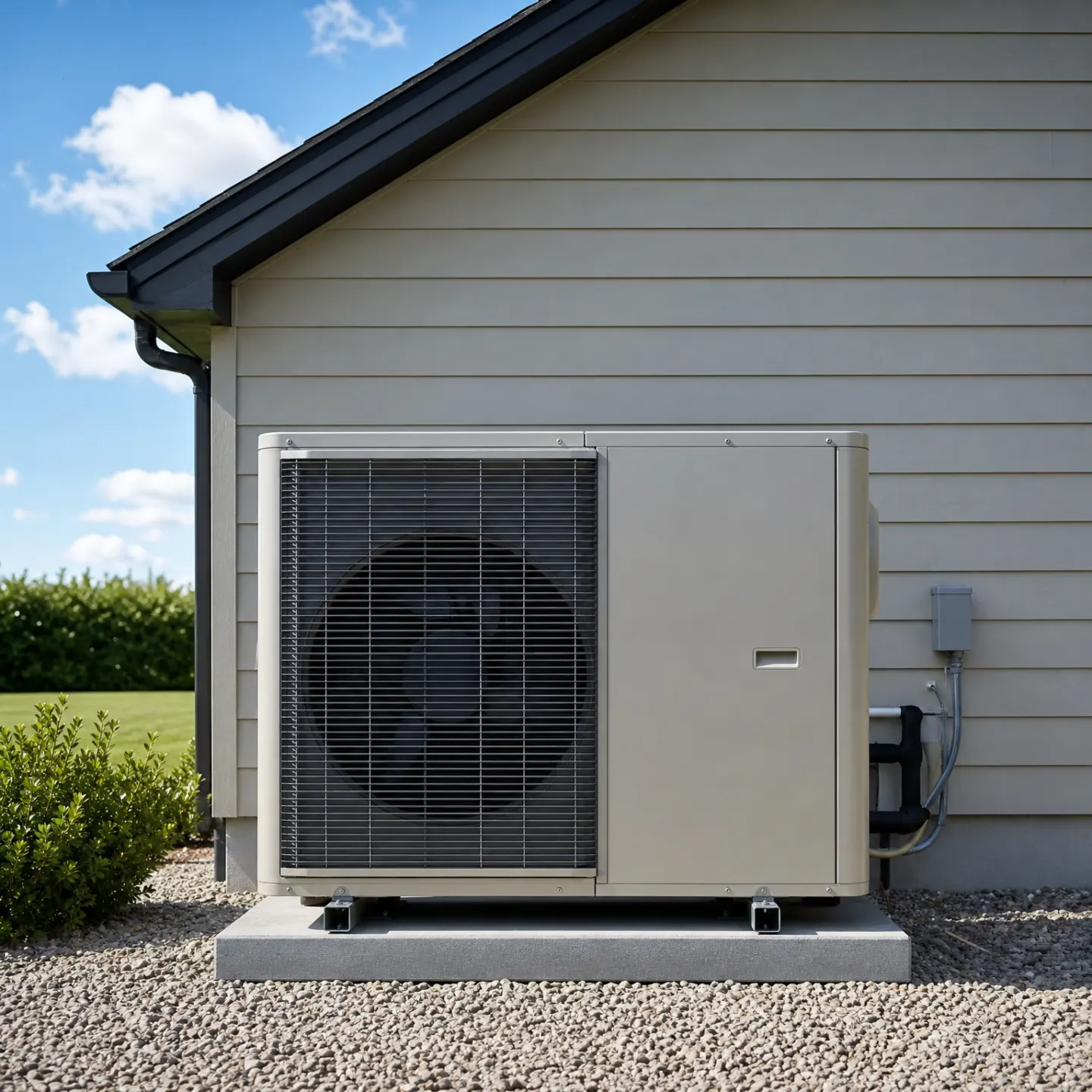
A residential heat pump outdoor unit mounted on a concrete pad next to a house with gray vinyl siding.

This runs across the whole year, not just the easy months

This unit runs on both ends of the year, heating through winter and cooling through summer, with storms landing in either one. Ask what outdoor unit and mounting the installer is proposing, and why, given what this county puts it through over a full year, not just what it costs to put in. A unit sized to the house and set up for this weather is the one still running steady a few winters from now.

Ask what happens to heat when the power cuts out

A heat pump stops moving heat the moment it loses power, same as any electric system. Some installs pair it with a backup source that can run the house, or at least the furnace, when the grid goes down. Ask whether the system being quoted can accept that kind of backup, and whether the controls are set up to switch over on their own or need someone there to do it by hand.
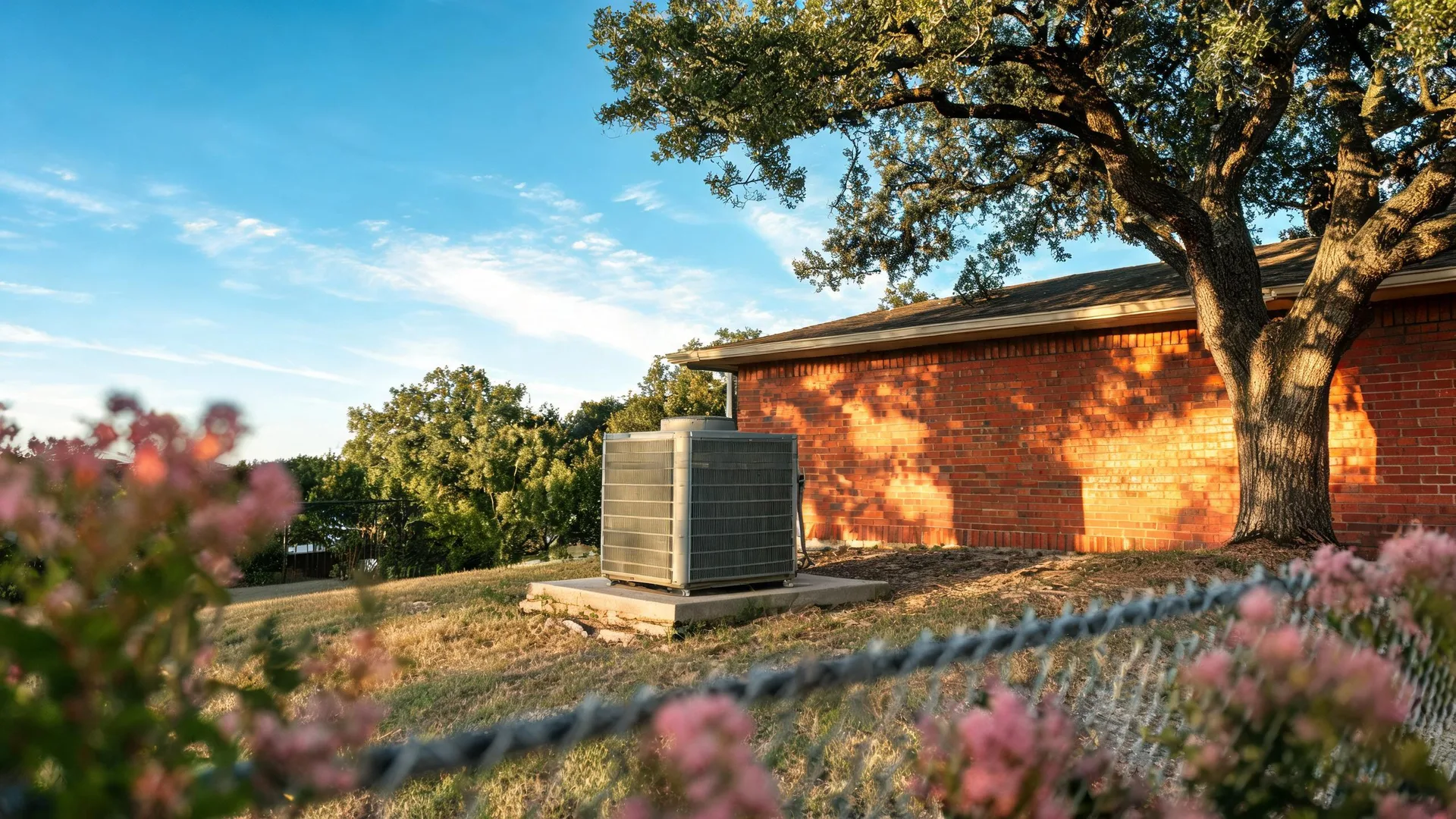
Ask how the outdoor unit is mounted, not just which one

Two installers can quote the same outdoor unit and still give it a different life expectancy, because the mounting pad, the brackets, and how high it sits off the ground all affect what the coil and fan take on from wind and debris. A unit bolted low to a cracked pad takes a beating that the same unit on a proper stand avoids. Ask what pad and mounting hardware comes with the install, not just the equipment model.

A heat pump installation is priced on more than the outdoor unit and the indoor coil. Labor covers running or modifying the line set, setting the electrical disconnect, and in most jobs, swapping the thermostat and checking the ductwork can actually move the air the new system is built to deliver. If the existing ducts are too small or leak at the joints, sealing or resizing them adds to the job, and skipping that step means the equipment underperforms no matter how good it is. Electrical work matters too. A heat pump often draws more dedicated circuit capacity than what's already run to that spot, and if the panel is near its limit, that's its own line item. Removal and disposal of the old equipment, and any refrigerant recovery required by law, factor in as well. The unit itself is only one piece of what's being paid for.

Pueblo County falls in climate zone 5B, a cool, dry zone under the 2021 energy code where heating carries the bigger load over the year. Any split-system heat pump installed here has to meet the federal minimum if it was built on or after January 1, 2023: at least 14.3 Btu of cooling delivered for every watt-hour it draws, and at least 7.5 Btu of heat for every watt-hour in winter. That standard narrows what an installer can legally put in. It also sets a floor, not a ceiling, so two systems can both meet it and still perform differently once storms and power cuts start testing them.