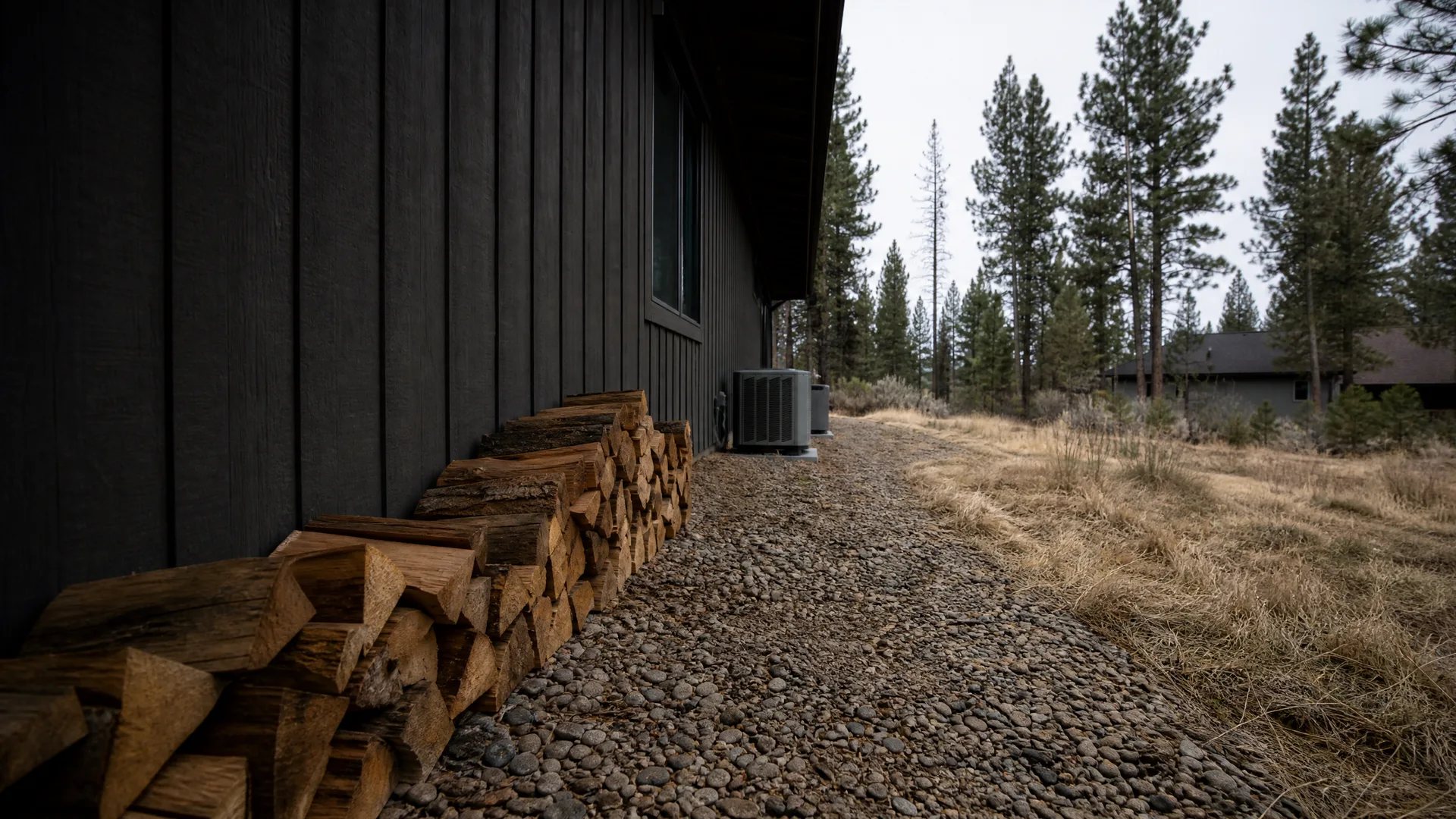




Stacked firewood along the base of a dark vertical-board house wall beside a gravel path, with an air conditioning unit, dry grass, and pine trees in the background.

Heat Pump Installation in Montrose, CO

Tell us about the job

Takes about a minute. No obligation.

Step 1 of 3: Equipment

Montrose County logged 260 severe weather events between 2015 and 2024. Most of that was winter weather, with 202 snow, ice and blizzard events in that span, plus 53 damaging wind events and 4 hail events. A heat pump's outdoor unit sits through all of it, so where it goes and what shields it from wind-driven snow and ice matters as much as the install itself. Statewide, 13% of Colorado households lost power for 24 hours or more in 2024. A heat pump needs electricity to run, so a long outage means no heat and no hot water until power comes back.

8 months
October through May, your system heats
2 months
July through August, it cools
18°F
the average winter night it heats against
83°F
the average summer afternoon it cools against
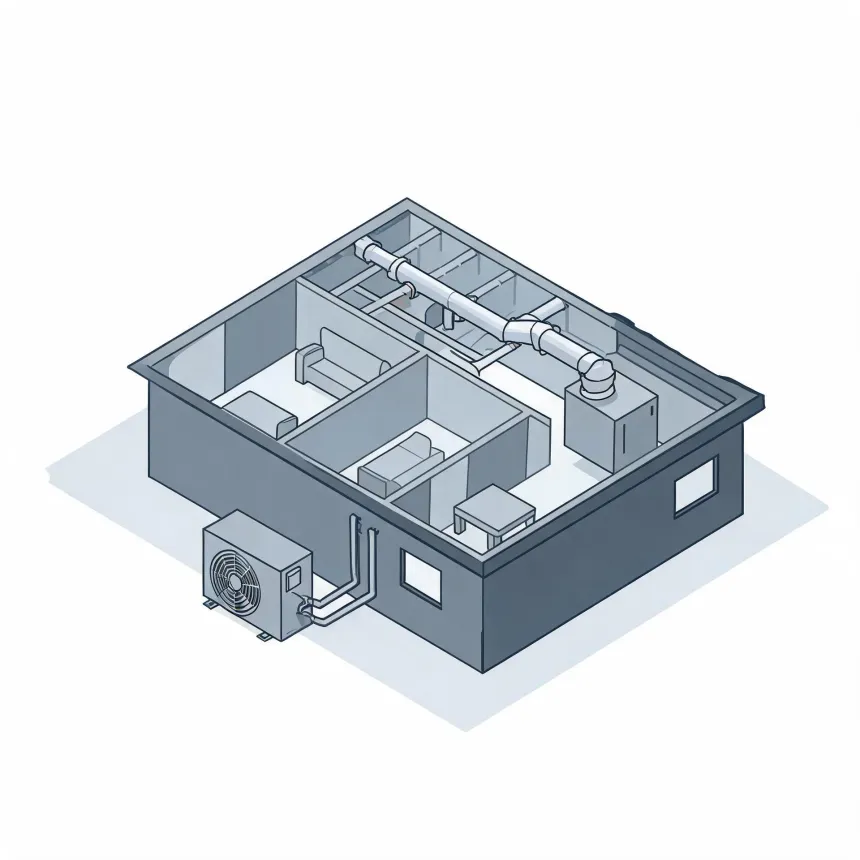
Isometric line illustration of a cutaway single-story building showing interior rooms, ceiling ductwork, an indoor air handler, and an outdoor condenser unit connected by refrigerant lines.
Your system heats October through May and cools July through August.

NOAA nClimDiv, 1991–2020 normals

The rating on the label is tested in mild conditions, not in a hard freeze.

Ask what the unit actually puts out at low outdoor temperatures, not just the number on the sticker.

Most homes here already run on gas, and that shapes what a heat pump has to fit into

62.1% of homes heat with gas
53 damaging wind events from 2015 to 2024
4 hail events from 2015 to 2024
Time it before OctoberHeat runs October through May here, so September is the month to have the new system in and running.

Montrose County falls under zone 5B in the 2021 energy code, a cool zone where the heating load matters more than cooling. Any split-system heat pump installed here, if manufactured from 2023 on, has to clear federal minimums built for that split: at least 7.5 Btu of heat moved for every watt-hour it uses over the winter, and at least 14.3 Btu over the summer. Those numbers set a floor, not a target, so the equipment that qualifies for installation already has to perform across both seasons, not just the easy one. A system meeting those minimums may also qualify for a federal tax credit, which is worth asking about when comparing units.

Plan for the outage before the install, not after

Plan the install around the outage, not just the weather. Ask where the outdoor unit will sit and what will shield it from wind-driven snow. Ask what happens to heat and hot water if the power goes out for a day. That plan is part of the installation, not an extra step after it.

Find a contractor
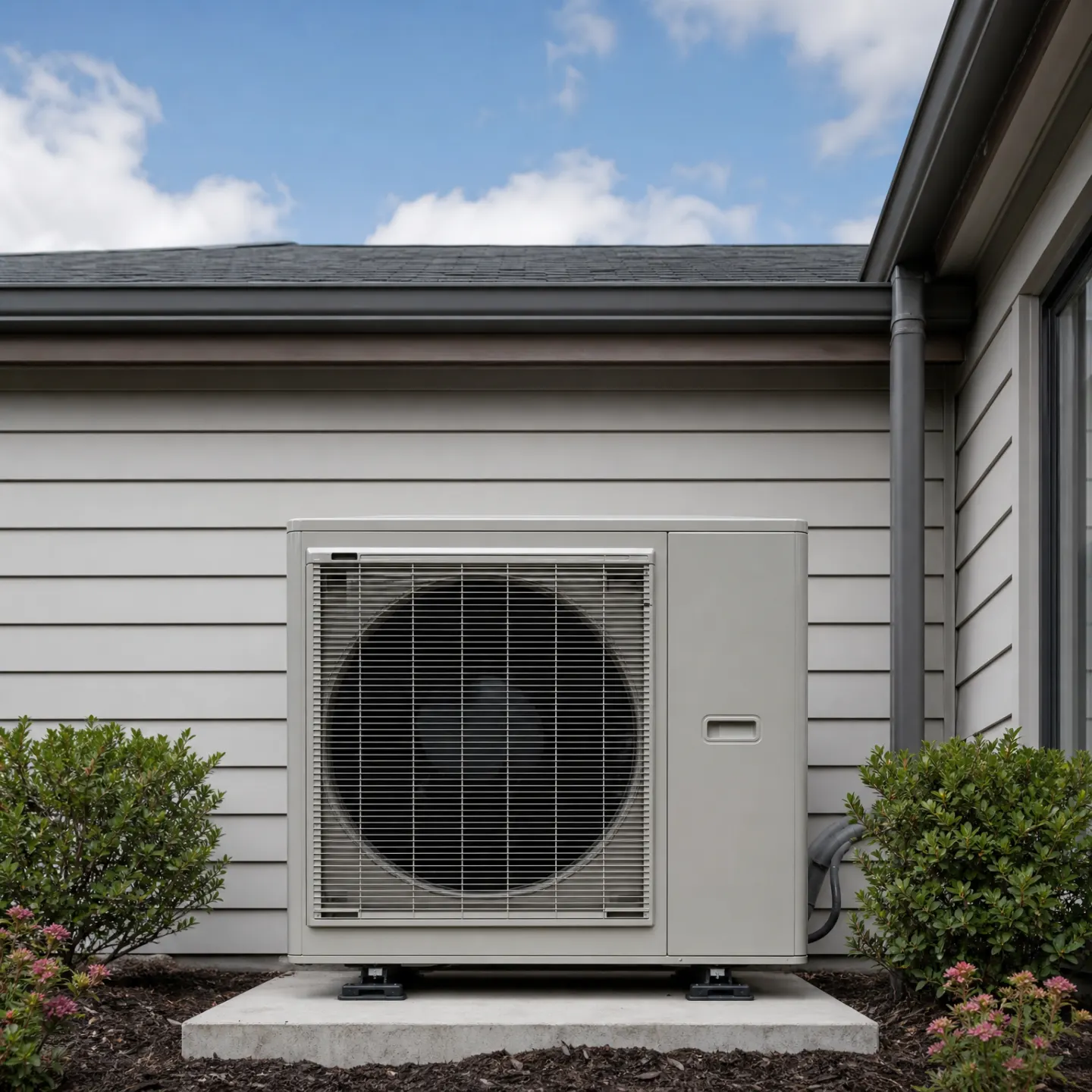
A gray heat pump condenser unit mounted on a concrete pad against the gray lap-siding exterior wall of a house.

What happens to the old furnace

Whatever is heating the house now, something has to happen to it once the heat pump goes in. A furnace or boiler that's still working often stays, wired in as backup for the coldest stretches when a heat pump has to work hardest. That setup is called dual fuel, and it means the old equipment doesn't go anywhere, it just stops being the first thing that runs. If the plan is to replace it outright, the gas line gets capped off and the old unit gets disconnected and hauled out, same as any equipment swap. Either way, the ductwork usually stays. A heat pump moves air through the same supply and return lines a furnace used, so the question isn't whether the ducts can handle it, it's whether they were sized right to begin with. Undersized or leaky ducts will hold back a heat pump's output the same way they held back a furnace's, so it's worth having them checked rather than assumed.

Ask for the load calculation, not a guess off the old furnace

Sizing a heat pump off the equipment it's replacing skips the part that matters. A contractor should run a room by room load calculation on the house itself, counting windows, insulation and square footage, and size the system to that. A unit that's too big will short cycle, turning on and off before it finishes a heating or cooling run. One that's too small will run constantly and still fall short on the coldest days.
Ask how the system handles the coldest stretch of winter

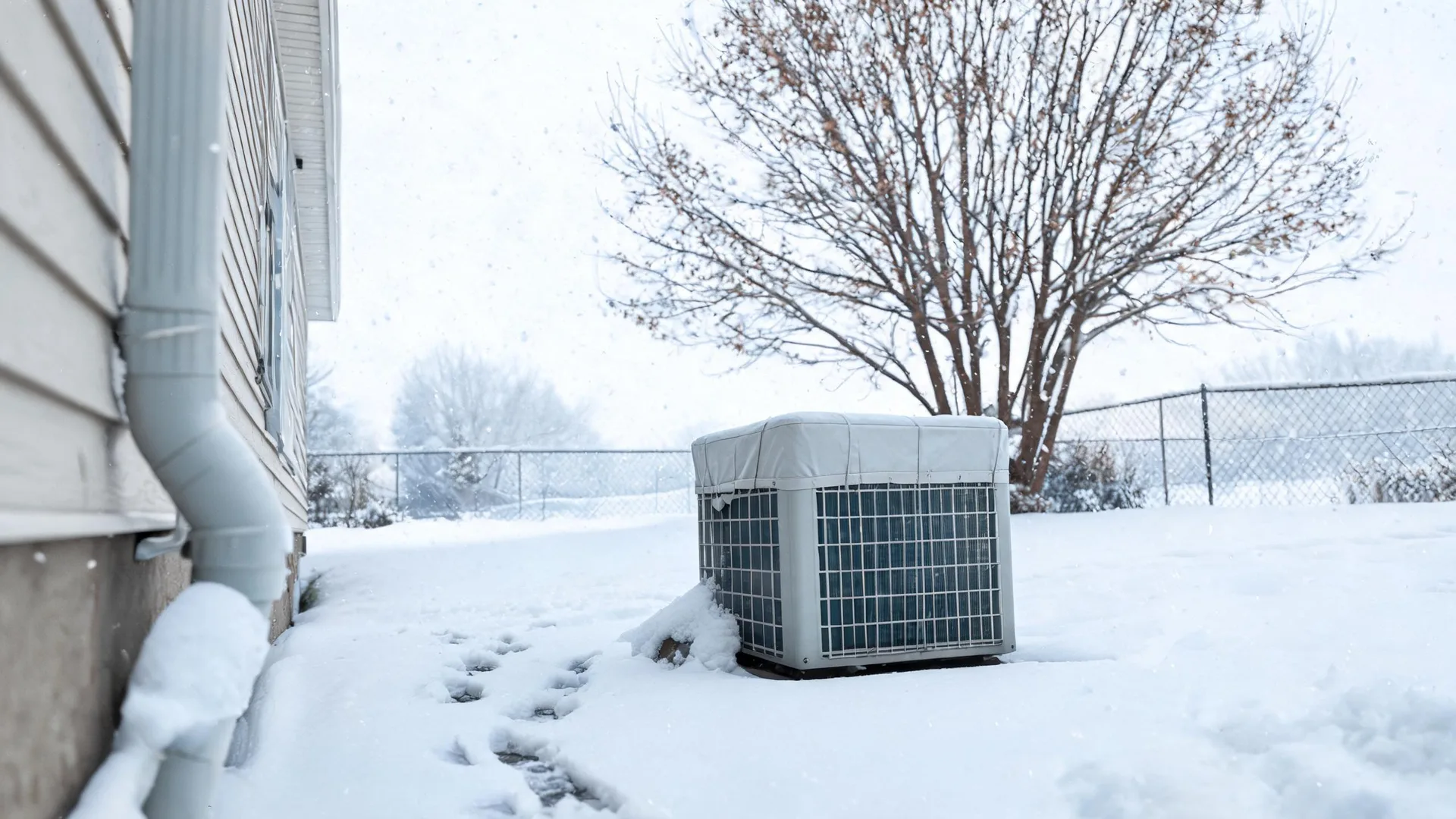
Every heat pump loses capacity as the air outside gets colder, and the point where it needs backup heat is different for every model. Ask what that crossover point is and what kicks in below it, whether that's electric resistance strips, a gas furnace staged in behind it, or something else. A system compared only on its best-case numbers can leave the backup heat doing more work than expected once the real cold sets in.

Installation price follows the work, not the equipment box. A straight swap, same spot, same ductwork, same electrical, is the cheapest version of the job. Everything beyond that adds a step. If the electrical panel doesn't have the capacity for a new circuit, that's a separate job before the heat pump goes in. If the ductwork is undersized, leaky, or routed wrong for how a heat pump moves air, fixing it costs more than the unit sitting at the end of it. Where the outdoor unit goes matters too, since a longer run of refrigerant line or a harder spot to mount it both add labor. The size of the system itself, matched to the house through a load calculation rather than guessed off the old equipment, sets the price of the unit before any of the installation work even starts.

Install day starts before anyone touches the old equipment. The crew sets up the outdoor unit first, usually on a pad or bracket that keeps it level and off the ground, then runs the refrigerant lines between it and the indoor coil. Those lines get connected, pressure tested, and checked for leaks before any refrigerant goes in, since a bad connection now means a callback later. Inside, the indoor coil ties into the existing ductwork, or a new air handler goes in if the system calls for one. Electrical work usually means a new circuit and a disconnect box at the outdoor unit, sized for what the compressor draws. Once everything's connected, the system gets charged, and the crew runs it through a cycle in both directions, heating and cooling, checking temperatures at the vents and pressures in the lines before calling it done. A straightforward swap can wrap in a day. Anything that needs new ductwork or electrical work added first will run longer, since that has to happen before the heat pump itself goes in.