Illuminated stone-and-timber mountain homes line a quiet street at dusk, with evergreen trees and a mountain range in the background.

Furnace Repair in Fairplay, CO

Tell us about the job

Takes about a minute. No obligation.

Step 1 of 3: Equipment

A furnace here runs every month of the year. There's no stretch where it sits idle. Winter nights make that worse: the overnight low averages 9°F through December, January and February, colder than most of the country sees. That means the furnace is pushing hard for a long stretch, not just on the coldest week. An igniter or a blower motor wears faster under that kind of steady demand. When a furnace here starts acting up, that wear is usually part of the story.

9°F
the average winter night it heats against
80 winter storms
in ten years, the nights a failure hurts most
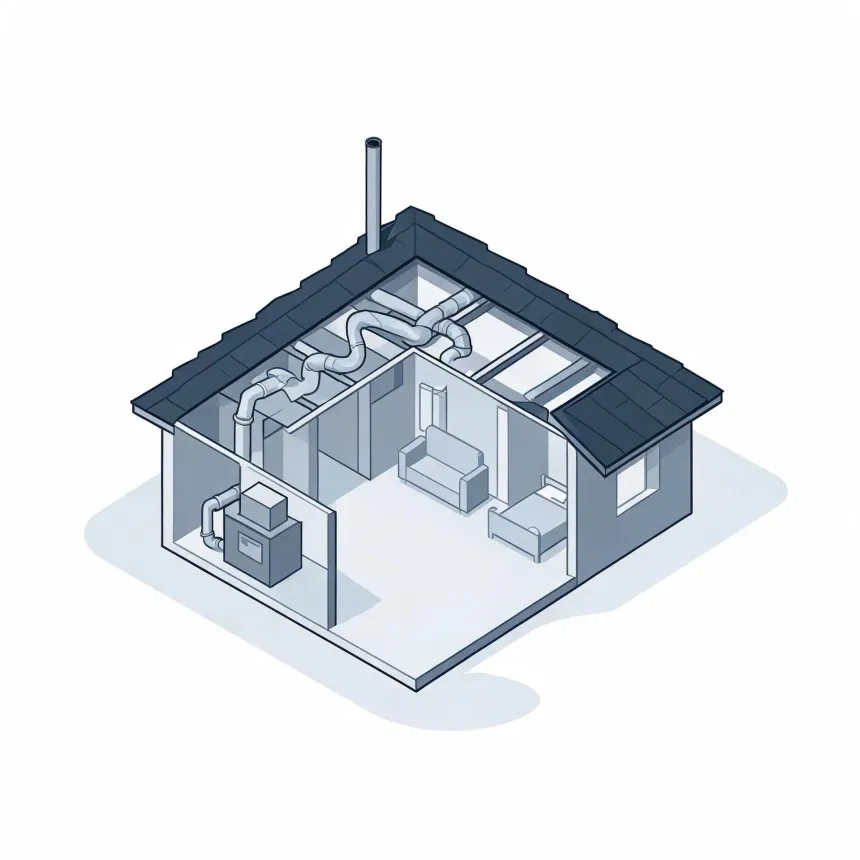
Isometric cutaway illustration of a small house showing a furnace unit connected to ductwork running through the interior and attic, with a chimney on the shingled roof and simple furniture in the rooms.
Your furnace works hardest from October through April.

NOAA nClimDiv, 1991–2020 normals

Natural gas in Colorado ran $10.09 per million Btu in 2024.

A furnace with a cracked heat exchanger or a bad limit switch burns that gas without heating the house right, and you pay for it every month it runs.

Half the homes here were built in 1992 or later, young enough that the furnace likely has years left

Half the homes here were built by 1992
Winter nights average 9°F
Climate zone 7
If your furnace is still young, fix itHalf the homes here were built in 1992 or later, so get it looked at

A furnace that's short cycling or struggling to hold temperature isn't just uncomfortable. It's burning gas the whole time it runs, and at $10.09 per million Btu, that's not a small amount over a Fairplay winter. Waiting on a repair doesn't save money. It just means more months of paying for gas that isn't doing its job. Get a contractor to look at it before the next cold stretch.

Your furnace doesn't get downtime here. Find out what's wearing out.

A furnace that runs every month of the year doesn't get a break to reveal small problems before they become bigger ones. Have a contractor find out what's actually wearing out, so the repair holds.

Find a contractor
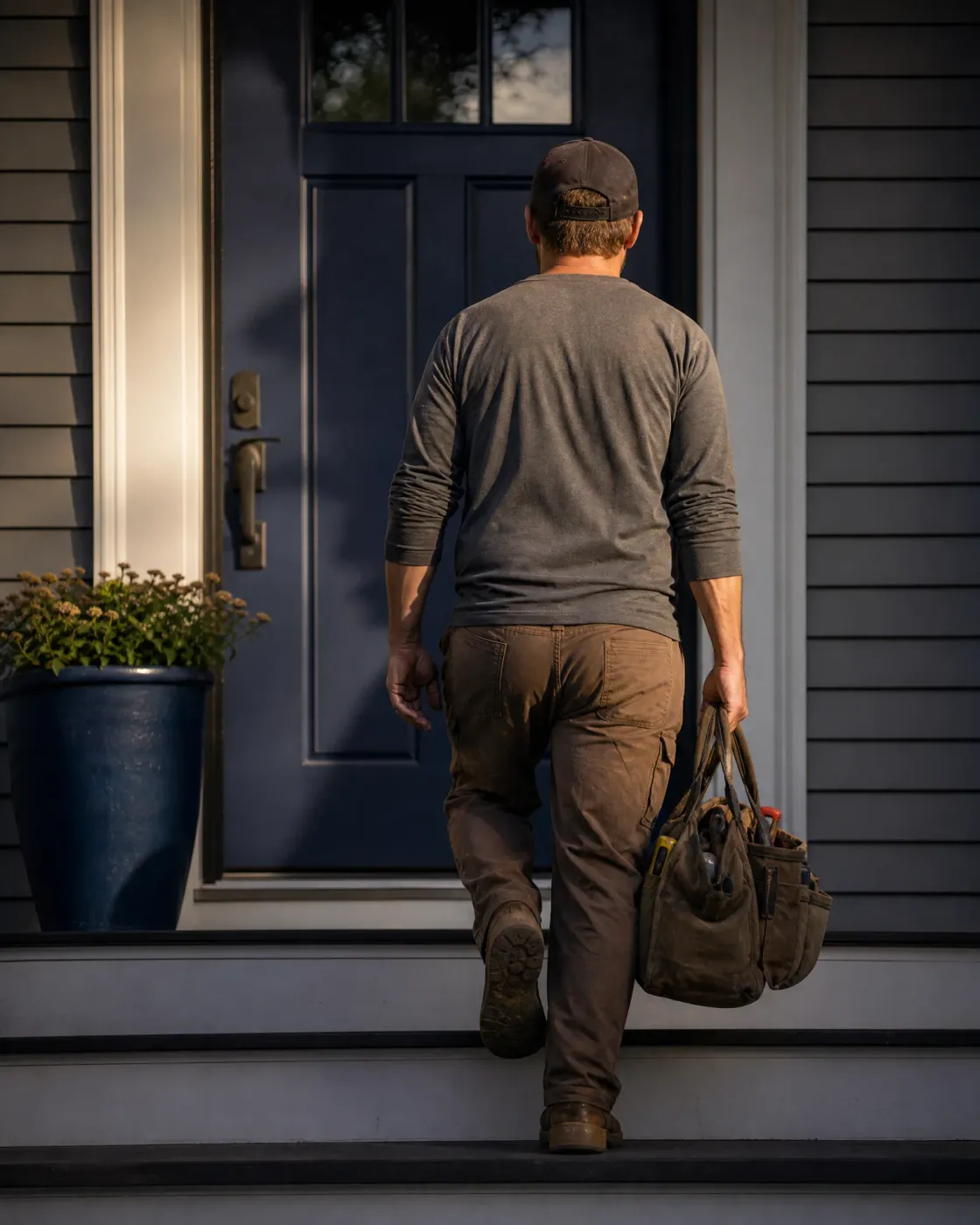
A man in a cap, gray long-sleeve shirt and brown work pants walks up porch steps toward a dark blue front door, carrying a canvas tool bag, with gray horizontal siding and a potted flowering plant nearby.
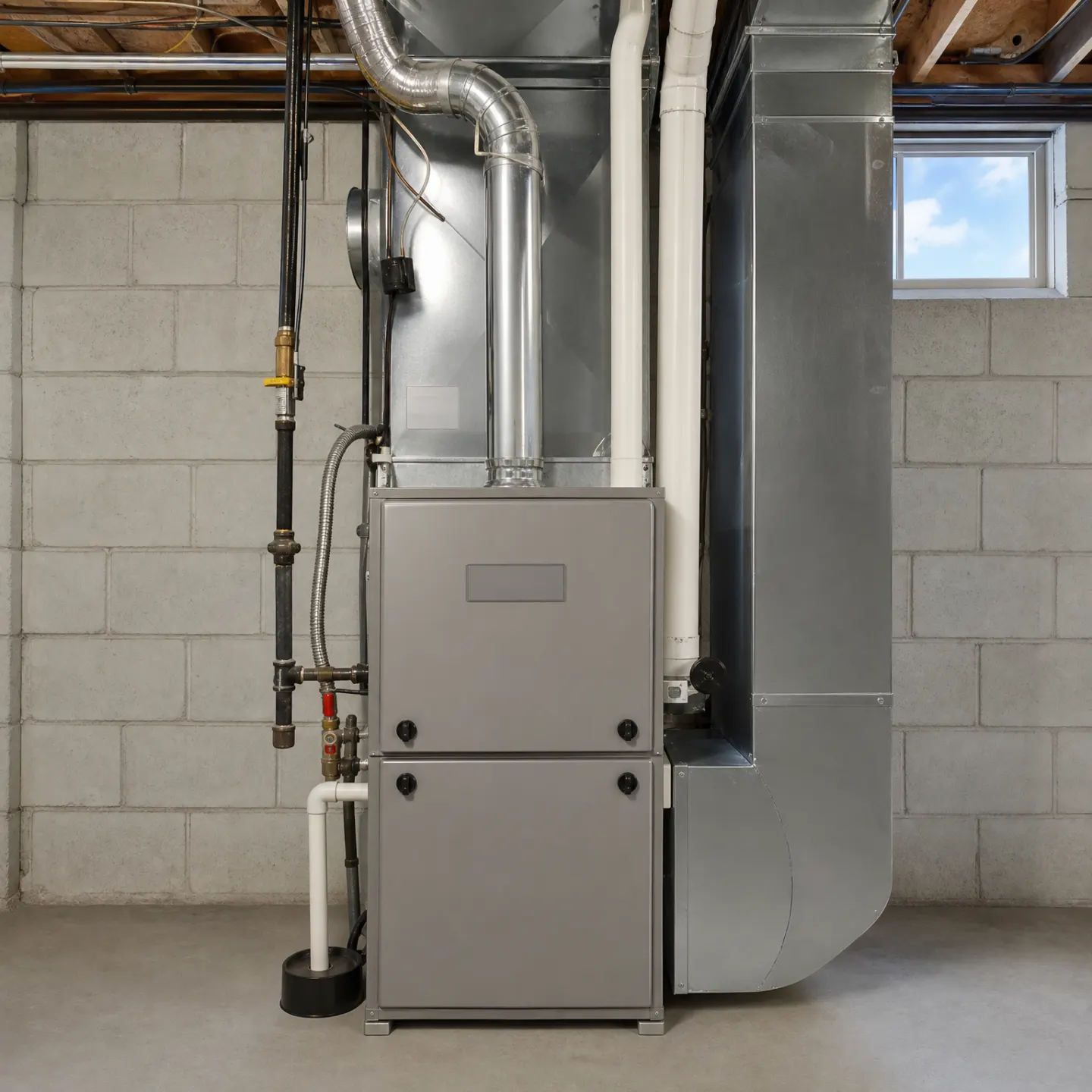
A gray high-efficiency gas furnace installed in an unfinished basement, surrounded by gas lines, a condensate drain, and sheet-metal ductwork.

What a struggling furnace sounds and feels like

A furnace gives you warning before it quits outright. Short cycling is one of the clearest signs: it fires up, runs for a minute or two, and shuts off before the house gets warm, then starts again a few minutes later. That usually points to a flame sensor that's coated and can't detect the flame, or a limit switch tripping because airflow is restricted somewhere. A burner flame that's flickering yellow instead of steady blue means it isn't burning clean, and that's not something to leave alone. If the blower runs constantly or kicks on and off at odd times, the blower motor or its relay is struggling. A furnace that takes longer to heat the same rooms, or leaves some rooms cold while others are fine, often has a duct or airflow problem feeding into the main unit. Banging or popping when it starts is usually the ductwork expanding, but a screeching or grinding sound is the blower motor bearing telling you it's close to failing. Any smell of gas, or soot around the cabinet, means shutting it off and getting a contractor out right away, not waiting to see if it happens again.

A small problem spreads

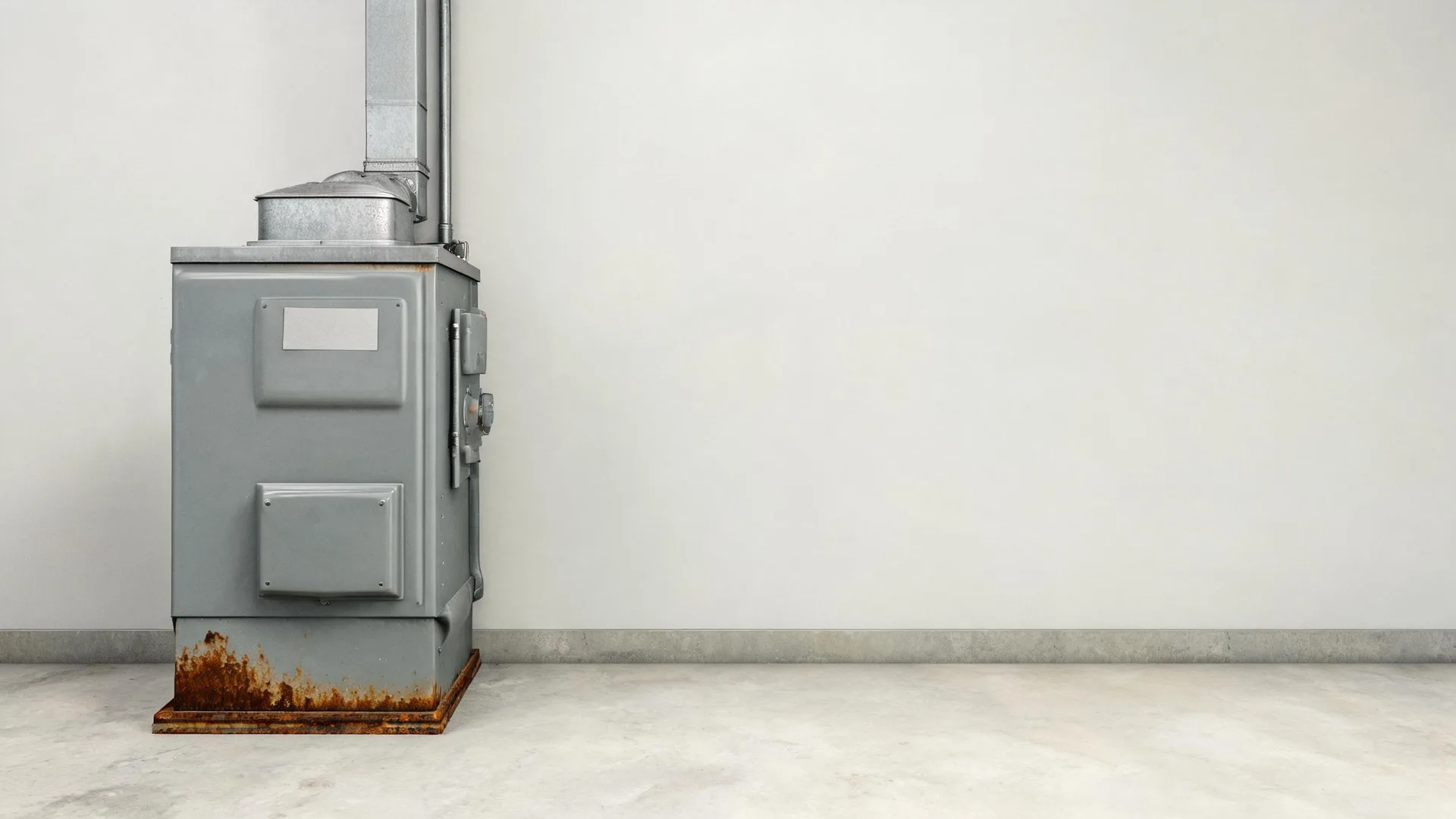
A cracked heat exchanger starts as a hairline fracture, but heat keeps bending the metal every time the burner fires, and the crack grows. A clogged burner port stays clogged, and the ones next to it start fouling too as soot builds up. None of these fix themselves by running. They just get further along.
One bad part strains the next

A dirty flame sensor makes the furnace shut down early, so the igniter cycles more often than it should and wears out sooner. A failing blower motor bearing makes the motor pull harder to keep the same airflow, which heats the windings and shortens their life. Leaving the first problem alone is how you end up paying for two.

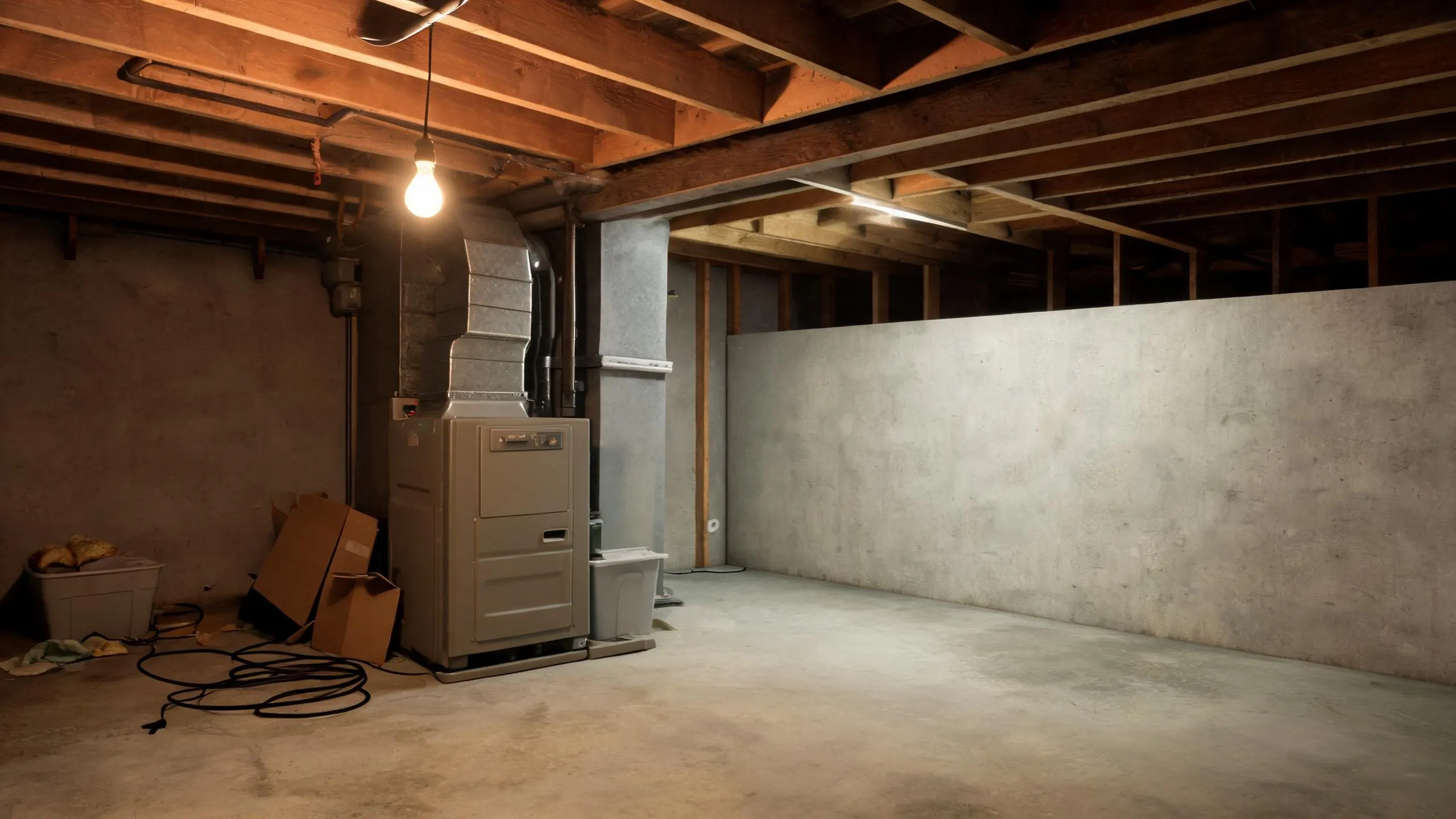
An unfinished basement featuring a forced-air furnace, exposed wooden ceiling joists, bare concrete walls, and miscellaneous items including cardboard boxes and coiled cables on the floor.

A new furnace would cut about $150 a year off heating for a typical Park County home.

  • A new high-efficiency furnace$610 a year
  • An older furnace$760 a year

Estimates for a typical Park County home, compared with an older unit built to the previous federal minimum, from EIA household energy data, Colorado fuel prices and NOAA climate normals. Your home will differ.

Repair makes sense when one part has failed and the heat exchanger is sound.

Replacement makes sense when the heat exchanger is cracked or the furnace keeps needing parts.

A diagnostic visit starts before the panel comes off. A contractor will ask what you've noticed: when it happens, whether it's every cycle or just sometimes, what the flame looks like, what sounds you're hearing. That history narrows things down fast. Then they'll pull the cabinet and check the flame sensor, the igniter, and the burner assembly, since those cause most of the complaints homeowners call about. They'll check airflow too, because a restricted filter or a blocked return can trip a limit switch and look like a totally different problem. Gas pressure and the heat exchanger get checked as a safety step, not an afterthought. By the end, you should know what's actually failing and why, not just which part gets swapped.