A twilight street scene featuring illuminated timber-frame and stone houses with a mountain range visible in the background.

Furnace Repair in Thornton, CO

Tell us about the job

Takes about a minute. No obligation.

Step 1 of 3: Equipment

Adams County recorded 292 severe weather events between 2015 and 2024. That includes 135 hail events, 85 damaging wind events, and 22 tornadoes. Hail dents ductwork and vents, and wind throws debris into outdoor equipment tied to your system. A furnace that still lights and runs can be sitting on a problem a storm caused months ago. Statewide, 13% of Colorado households went at least a day without power in 2024, and a furnace needs power to run even on gas, so an outage shuts down heat along with everything else.

8 months
October through May, your furnace is on duty
16°F
the average winter night it heats against
69%
of homes here heat with gas, so most furnaces here burn gas
50 winter storms
in ten years, the nights a failure hurts most
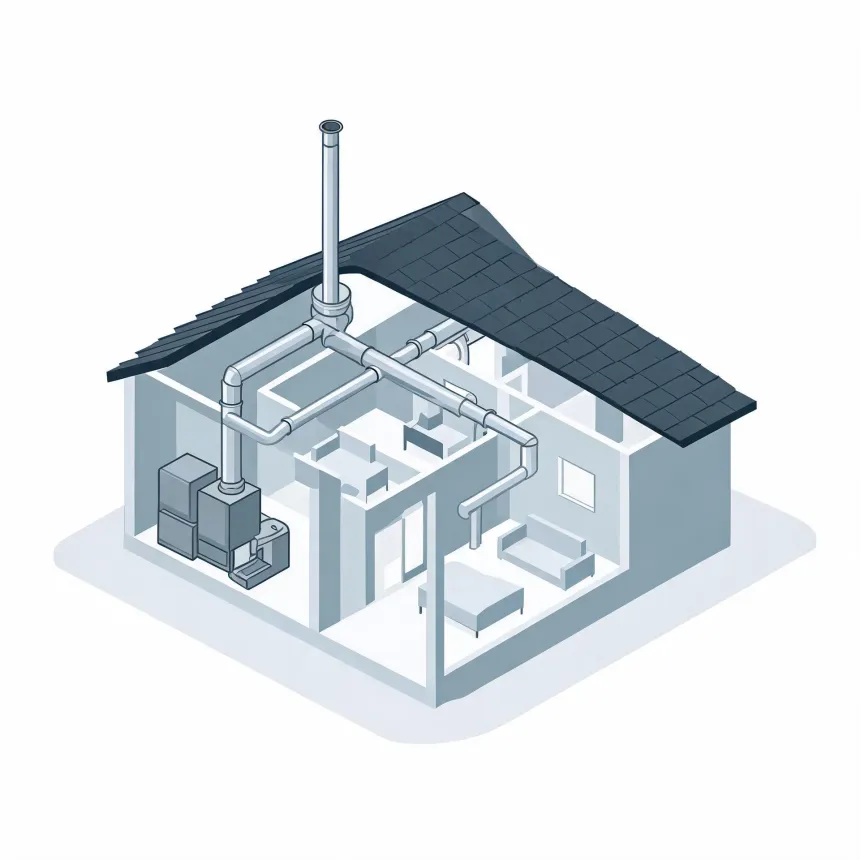
Isometric cutaway illustration of a small house showing a furnace unit connected to ductwork and a vertical flue pipe extending through the dark shingled roof, with sparse furniture in the rooms.
Your furnace works hardest from November through March.

NOAA nClimDiv, 1991–2020 normals

Furnace in Thornton starts carrying real load the first cold week of October.

A weak part that made it through last winter usually fails in that first week, not months in.

Eight months of heat, in weather like this, wears a furnace down early

Heat runs October through May
Winter nights average 16°F
50 winter storms from 2015 to 2024
Built for this, not against itHalf the homes in Adams County were built in 1991 or later.

Eight months of heat is a lot to ask of an igniter, a blower motor, a set of relays. When a furnace runs that long every year, a part that's starting to go usually doesn't wait for the coldest night to quit. It quits on an ordinary Tuesday, mid-cycle, for no reason you can see. That's worth having someone actually look at rather than guess at. A tech who checks the igniter, the flame sensor and the blower against what they should read can tell you if what failed is the whole story or just the first part to show it.

If a storm hit your furnace, don't wait for winter to find out

Get the outdoor equipment and vents checked now if this year's hail or wind came through your property. A furnace that lights fine today can still be running on something a storm cracked or dented months back.

Find a contractor
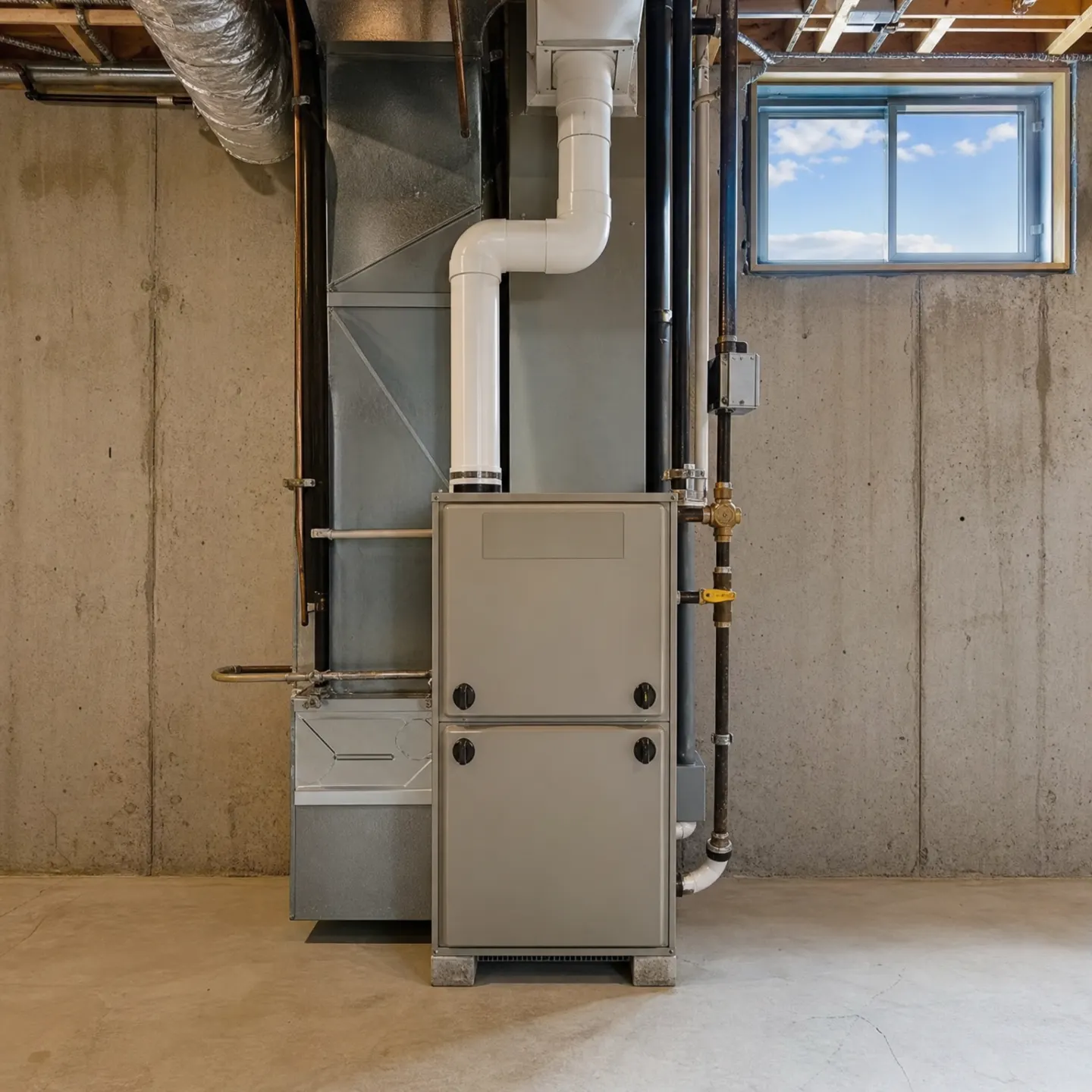
A gray gas furnace with attached ductwork and piping installed in an unfinished concrete basement.

Know its age before you decide its fate

If your furnace came with the house, and the house went up in 1991 or later, there's a good chance it still has years of life in it. A part failing now is more likely a single bad igniter or a stuck relay than a sign the whole unit is done. Worth telling the tech the age of the furnace, or the year the house was built if that's what you know, so they're working on a repair instead of talking you into a new system.

What you can check yourself

Look at the thermostat first. Make sure it's set to heat and the set point is actually above room temperature, and check the batteries if it uses them. Go to the furnace and look for a light on the control board. Most furnaces flash a code through that light, and the manual or a label inside the door tells you what the pattern means. Check that the switch on or near the furnace is in the on position. It looks like a light switch and gets bumped off sometimes. If the furnace has a standing pilot, see if the pilot light is actually lit.

What to leave for the tech

Don't pull the burner compartment apart or touch the gas valve. If you smell gas, leave the house and call the gas company before anyone calls for furnace service. Don't reset a tripped breaker more than once. A breaker that trips again is telling you something is drawing too much current, and forcing it back on can damage a part that might still be fine. Checking the filter is fair game. A filter packed with dust can choke airflow enough to shut the furnace down on its own, and that one's safe to pull and look at yourself.

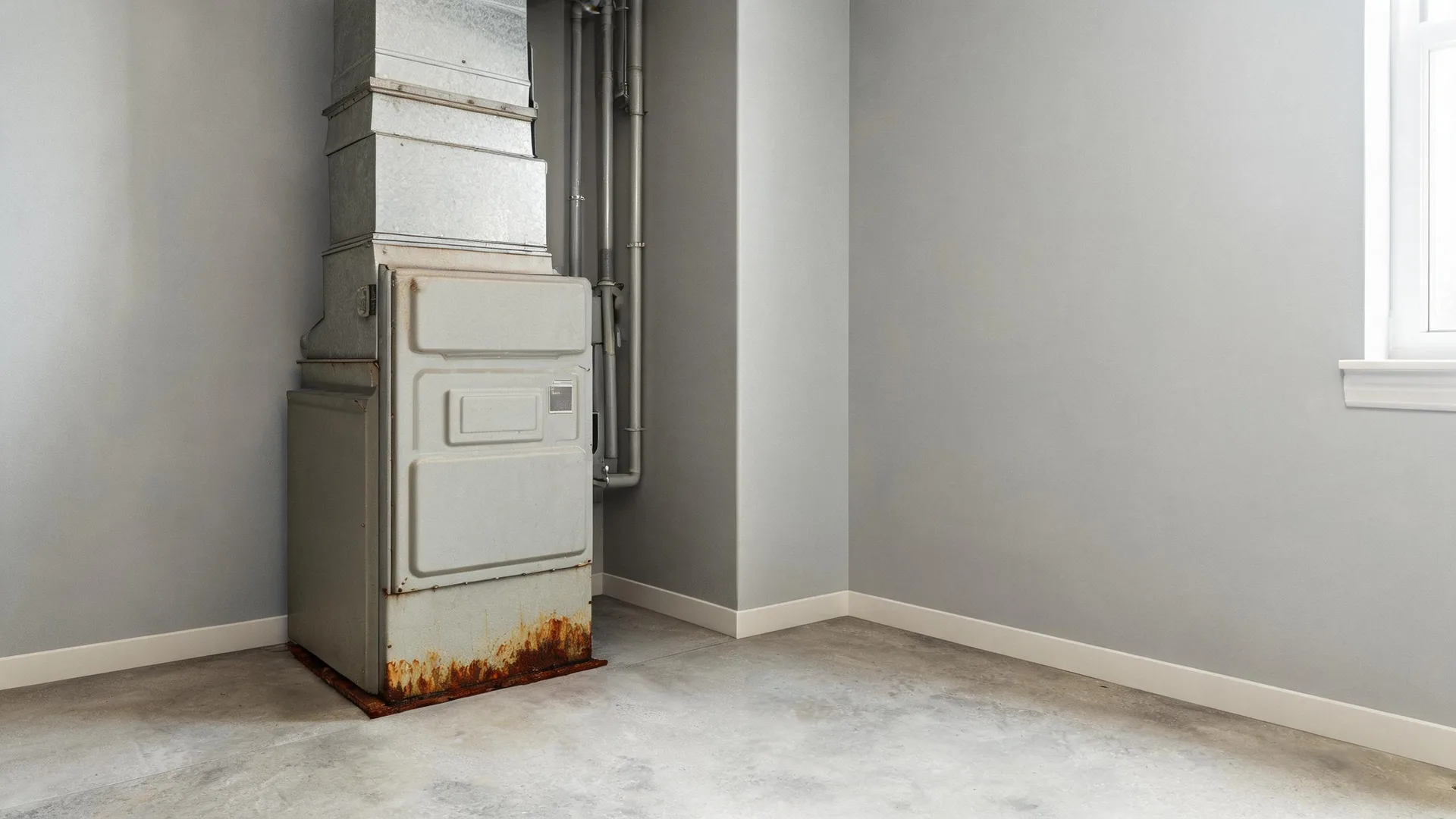
A gray forced-air furnace with metal ductwork stands in an unfinished basement with exposed wooden joists, concrete walls, and a single hanging light bulb.

A new furnace would cut about $100 a year off heating for a typical Adams County home.

  • A new high-efficiency furnace$390 a year
  • An older furnace$490 a year

Estimates for a typical Adams County home, compared with an older unit built to the previous federal minimum, from EIA household energy data, Colorado fuel prices and NOAA climate normals. Your home will differ.

Repair makes sense when one part has failed and the heat exchanger is sound.

Replacement makes sense when the heat exchanger is cracked or the furnace keeps needing parts.

A diagnostic visit starts before any panel comes off. The tech asks what the furnace was doing right before it quit, whether it was blowing cold air, short cycling, or not firing at all, because that narrows things down fast. Then they pull the cover and read the control board. Most boards log a fault code even after the furnace shuts itself down, and that code points at a specific part rather than a guess. From there it's testing, not swapping parts to see what sticks. A meter on the flame sensor tells them if it's sensing current the way it should. A check of the pressure switch tells them if the inducer motor is pulling enough draft. Static pressure readings across the filter and ductwork show whether the furnace is fighting to breathe. Only once that's done does the tech tell you what's actually wrong and what it takes to fix it.