
Illuminated timber-and-stone luxury homes along a residential street at dusk, with snow-capped mountains visible in the background.

Furnace Repair in Elizabeth, CO

Tell us about the job

Takes about a minute. No obligation.

Step 1 of 3: Equipment

Elbert County logged 319 severe weather events between 2015 and 2024. Hail came 165 times in those years, wind damage 83 times, and 24 tornadoes touched down. Winter added another 46 storms of heavy snow, ice and blizzards. A furnace itself sits indoors, but the system around it doesn't. Hail dents an outdoor condenser, wind throws branches and debris into it, and none of that has to stop your furnace from running right away. Across Colorado, 13% of households went at least a day without power in 2024, and a furnace with electronic ignition won't fire without it. If your system has been through a storm, worth having it looked at even if the heat still comes on.

9 months
September through May, your furnace is on duty
15°F
the average winter night it heats against
46 winter storms
in ten years, the nights a failure hurts most
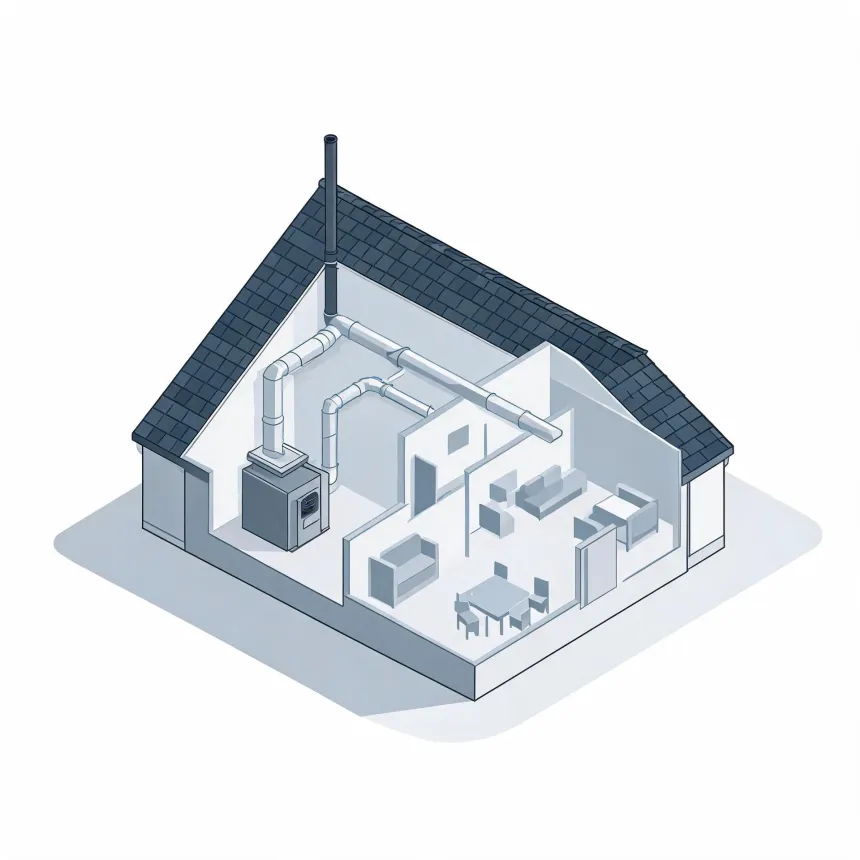
Isometric cutaway illustration of a house with a shingled gable roof, showing a gray furnace unit connected to overhead ductwork and a chimney flue, with simplified furniture in the rooms below.
Your furnace works hardest from November through April.

NOAA nClimDiv, 1991–2020 normals

Furnaces in Elizabeth start working in September and run through May.

A part that got weak over the summer often fails in the first cold snap, not months into winter.

Half the homes here were built in 1996 or later, so the furnace likely isn't worn out

Half the homes here were built by 1996
Heat runs September through May
Winter nights average 15°F
Nine months of heat a year means more chances for something to go wrongFurnaces here run September through May, and winter storms hit Elbert County 46 times between 2015 and 2024

Half the homes in Elbert County were built in 1996 or later, which means a lot of furnaces here still have good years ahead of them. If yours came with a newer build, a breakdown is more likely a bad igniter, a failed sensor, or a loose connection than a system on its last leg. That's worth knowing before you decide whether to repair or replace. A tech can check the part that failed against the age of the unit and tell you which one you're dealing with. If the furnace came with the house and the house is recent, lead with repair and let the diagnosis prove otherwise.

If this furnace has been through a storm, get it checked

If hail or wind has hit your property, have the furnace and the system around it looked at, even if it's still heating fine. A tech can check the outdoor unit for dents or debris and make sure the connections held through the last power cut.

Find a contractor
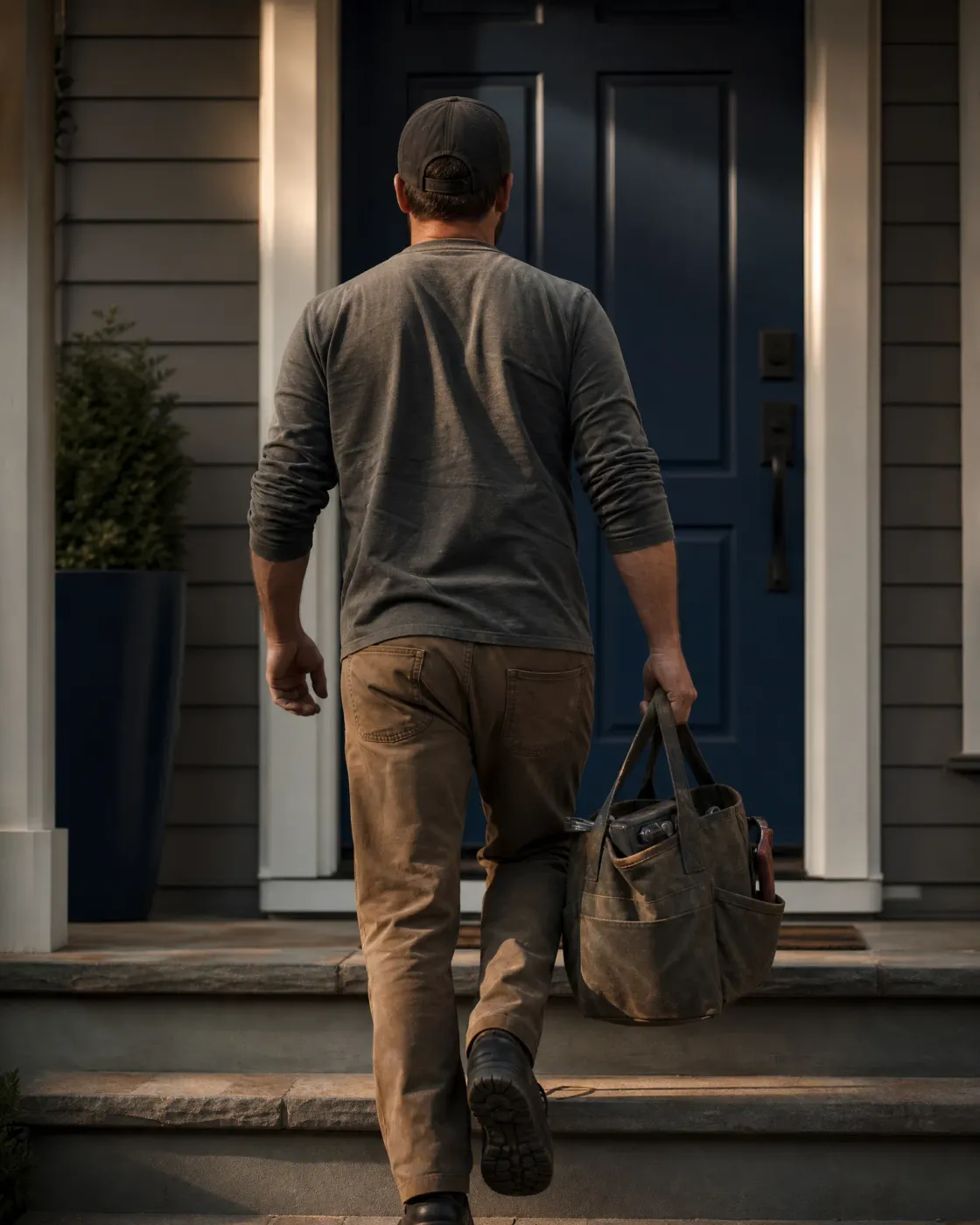
A man in a cap, gray long-sleeve shirt and tan pants walks up stone steps toward a dark blue front door, carrying a waxed canvas tool bag in his right hand.
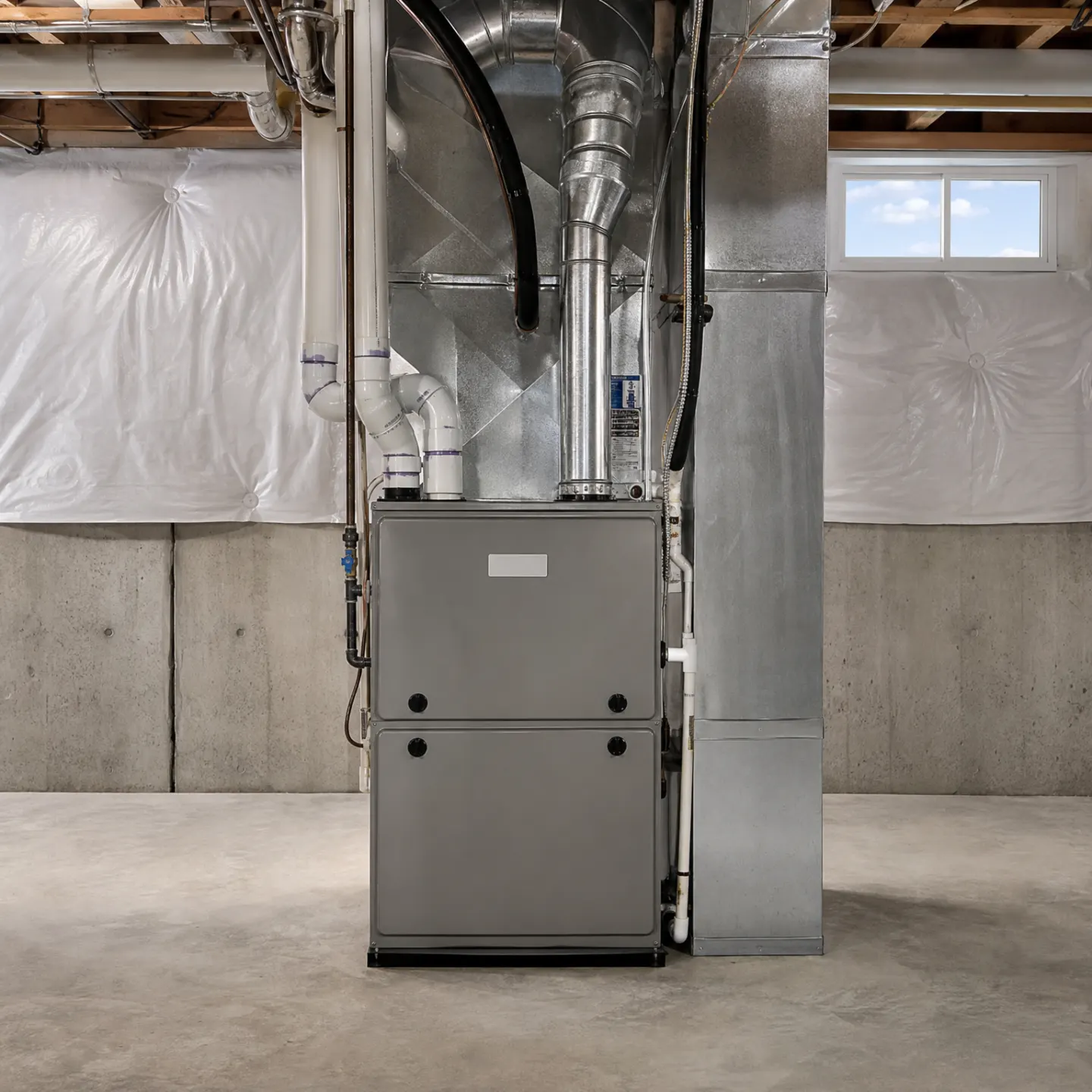
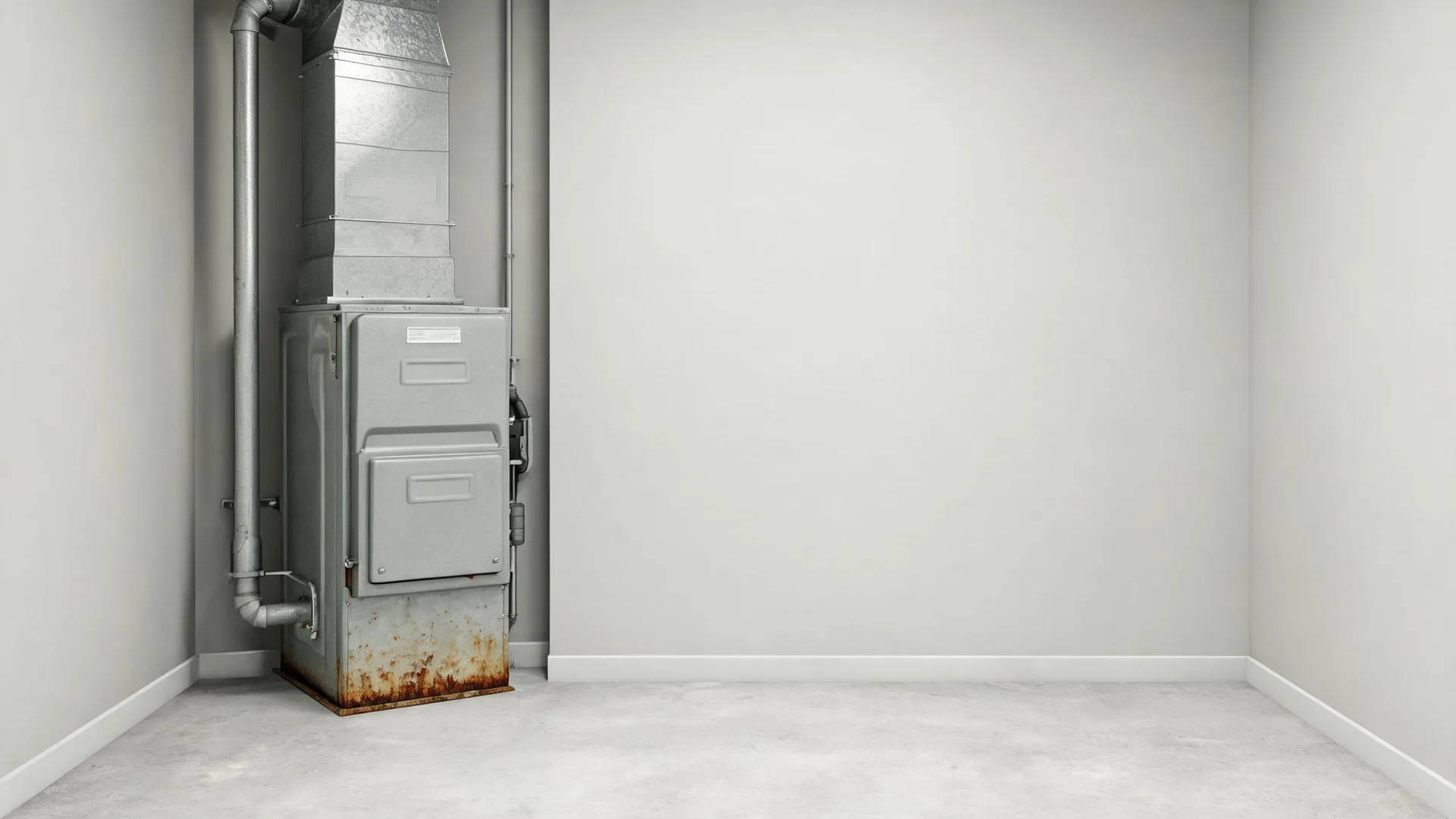
A gray residential gas furnace installed in an unfinished basement, connected to sheet-metal ductwork and PVC pipes.

Nine months of work a year adds up

Nine months of run time wears parts down evenly. A furnace that's been through that kind of year doesn't always show it until the weather turns hard on it, so if something's acting up now, have a tech check the part that's failing rather than just resetting it or waiting to see if it clears up. Flame sensors, igniters and pressure switches wear out from use, and a tech can tell you if that's what's going on or if there's something else behind it.

What a failing furnace sounds and smells like

A furnace that used to kick on quiet and now bangs, rattles or squeals is telling you a part has worn loose or is about to fail. Short cycling, where it fires up and shuts off again before the house warms, usually points to a clogged filter, a cracked heat exchanger or a flame sensor that's lost its read. A burning smell on startup can be normal dust burning off, but one that lingers or smells like metal means a tech needs to look at it before you run it again.
When it's worth the call

Weak or yellow flame instead of steady blue, a pilot or igniter that won't hold, or a thermostat call that gets no response at all are not things to wait out. Cold air blowing from the vents when the furnace is running points to an ignition problem, not just a draft. If the furnace is cycling on and off fast, making noise it didn't used to make, or not keeping up with the thermostat setting, get a tech out rather than resetting it and hoping it clears up on its own.

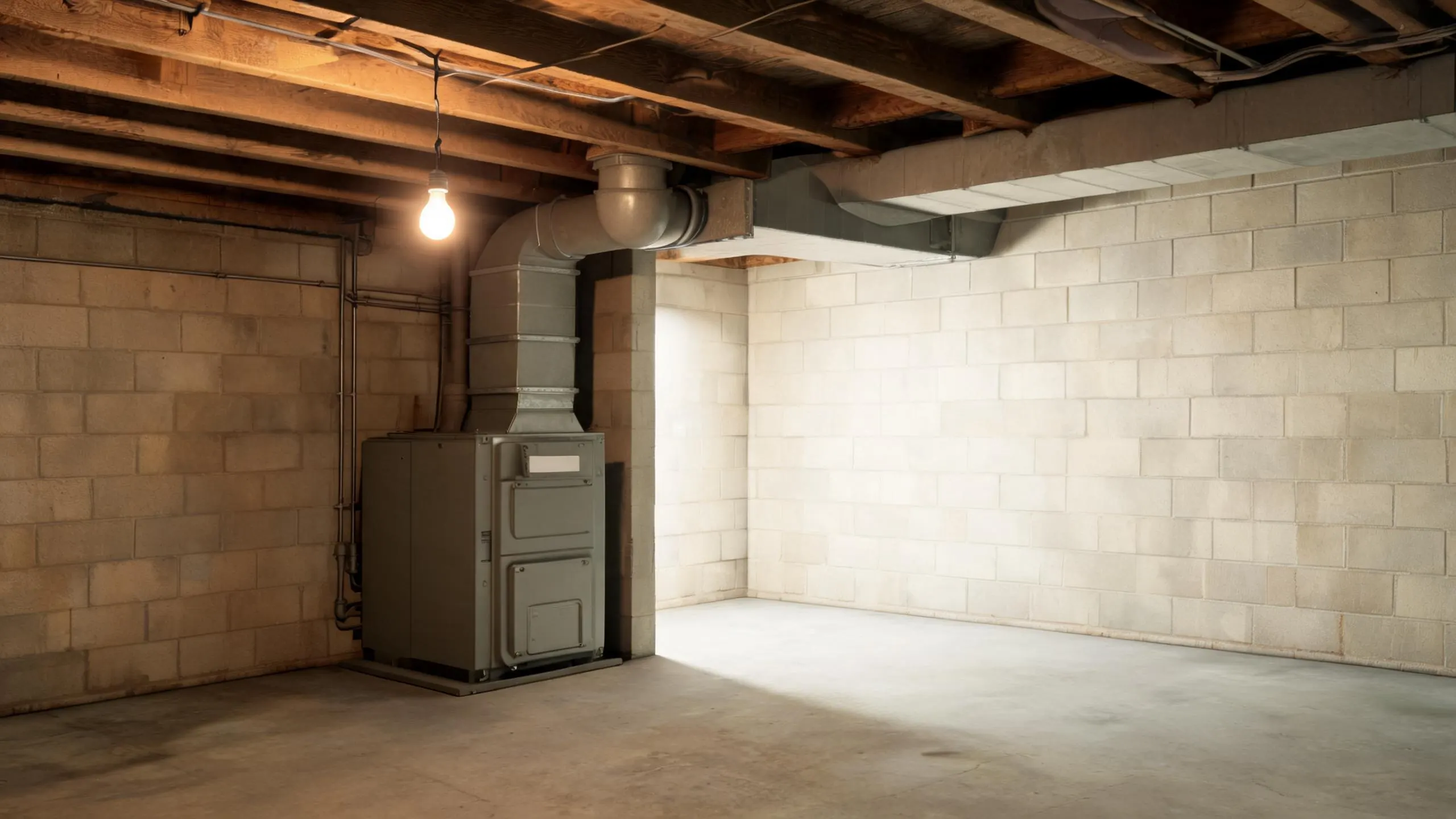
An empty unfinished basement containing a forced-air furnace with overhead ductwork, exposed ceiling joists, and a single hanging light bulb.

A new furnace would cut about $110 a year off heating for a typical Elbert County home.

  • A new high-efficiency furnace$420 a year
  • An older furnace$530 a year

Estimates for a typical Elbert County home, compared with an older unit built to the previous federal minimum, from EIA household energy data, Colorado fuel prices and NOAA climate normals. Your home will differ.

Repair makes sense when one part has failed and the heat exchanger is sound.

Replacement makes sense when the heat exchanger is cracked or the furnace keeps needing parts.

A diagnostic visit starts before any panel comes off. The tech asks what the furnace was doing, when it started, and whether anything changed right before, a power blip, a strange smell, a sound that wasn't there last week. Then they check the thermostat call, the power to the unit, and the gas supply, because a furnace that won't start at all is a different problem than one that starts and quits. Inside, they'll test the igniter or pilot, check the flame sensor for a clean read, and look at the pressure switch and limit switch to see if either is cutting power to protect the system. They'll pull the filter and look at the blower while they're in there, since restricted airflow causes problems that look like something else entirely. The visit ends with the tech telling you which part failed and why, not just that something did.