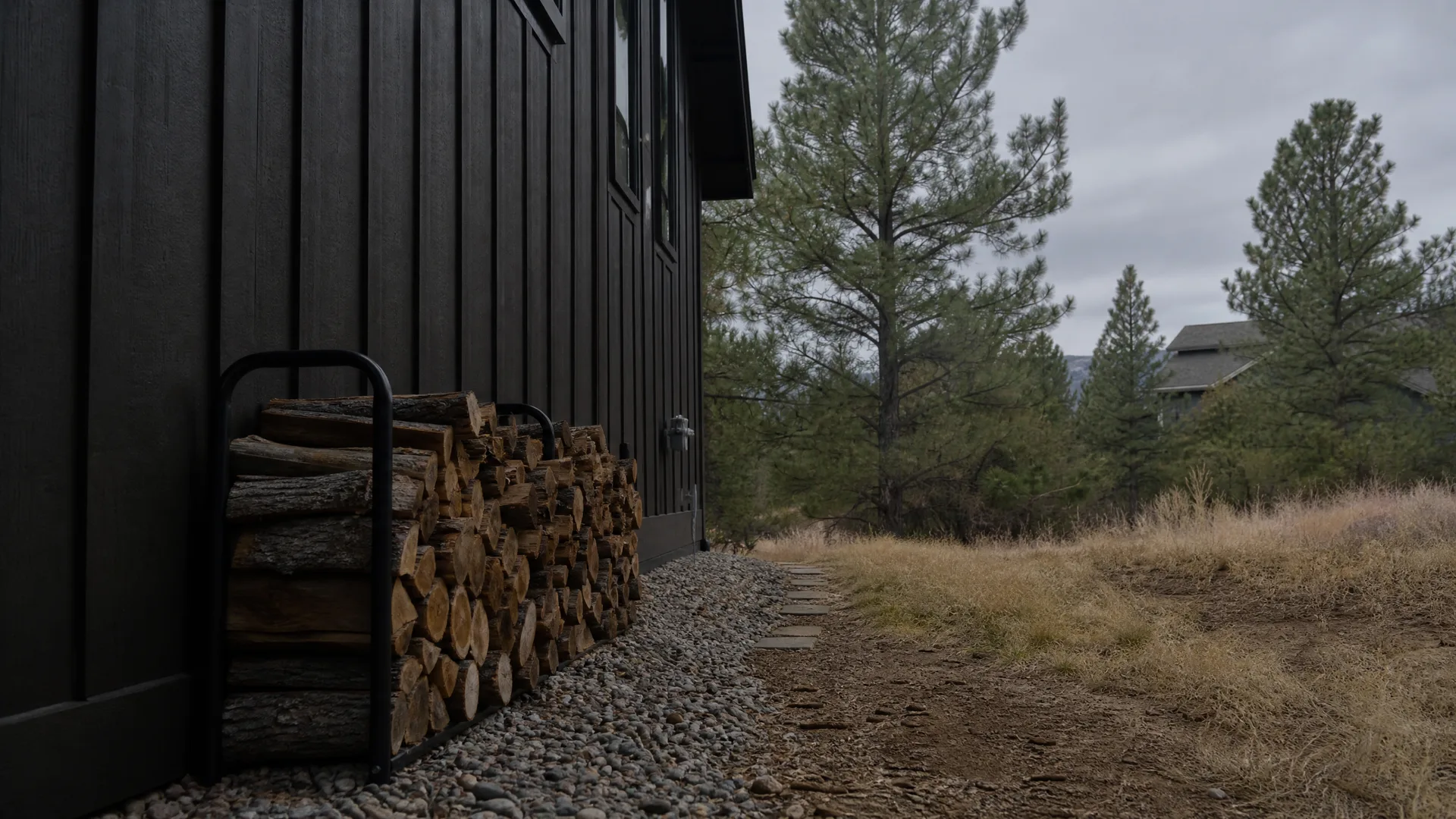
A stack of split firewood in a black metal rack sits on a gravel bed against the dark vertical board siding of a house, with dry grass, pines and an overcast sky beyond.

Furnace Repair in Aspen, CO

Tell us about the job

Takes about a minute. No obligation.

Step 1 of 3: Equipment

Heat runs all year here

Pitkin County homes call for heat in every month, not just the cold ones. Overnight lows average 10°F through December, January and February. A furnace built for occasional use somewhere warmer doesn't get that kind of break in Aspen.

Parts wear sooner

A furnace that almost never shuts off puts more hours on its igniter, blower motor and heat exchanger than one running a normal winter elsewhere. That's usually what's behind a breakdown here, not a defect or bad luck. A proper diagnosis finds which part gave out under the load.

10°F
the average winter night it heats against
65 winter storms
in ten years, the nights a failure hurts most
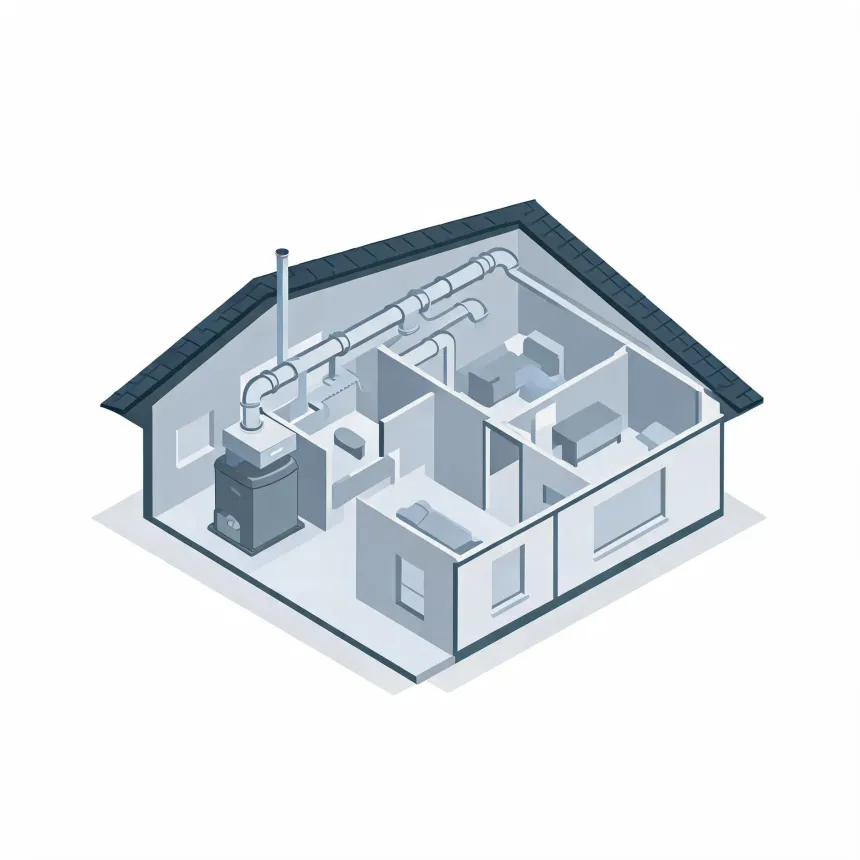
Isometric cutaway illustration of a single-story house showing interior rooms, ductwork running along the ceiling, a flue pipe through the roof, and a dark furnace unit in one corner.
Your furnace works hardest from October through April.

NOAA nClimDiv, 1991–2020 normals

Half the homes in Pitkin County were built in 1985 or later.

A furnace that came with a newer house usually hasn't logged enough hours to need replacing yet.

At $10.09 per therm-equivalent, a furnace that's struggling burns through gas fast

Winter nights average 10°F
Climate zone 7
Half the homes here were built by 1985

When a furnace in Aspen quits, the question worth asking isn't whether something broke. It's which part gave out first. The igniter, the blower motor and the heat exchanger all take the load when a system runs this many hours, and they don't wear evenly. Guessing at a fix means you might replace the one that still had life left in it. A proper diagnosis checks each part against what it's seen this year, not just this week, and finds the one that actually failed. That's what makes a repair hold instead of calling for a second visit next month.

A furnace burning that much gas is costing you more every day it runs this way

A furnace that's lost efficiency doesn't use less gas, it uses more, trying to put out the same heat. At $10.09 per therm-equivalent, that difference shows up fast. Getting the failing part found and fixed stops the extra burn.

Find a contractor
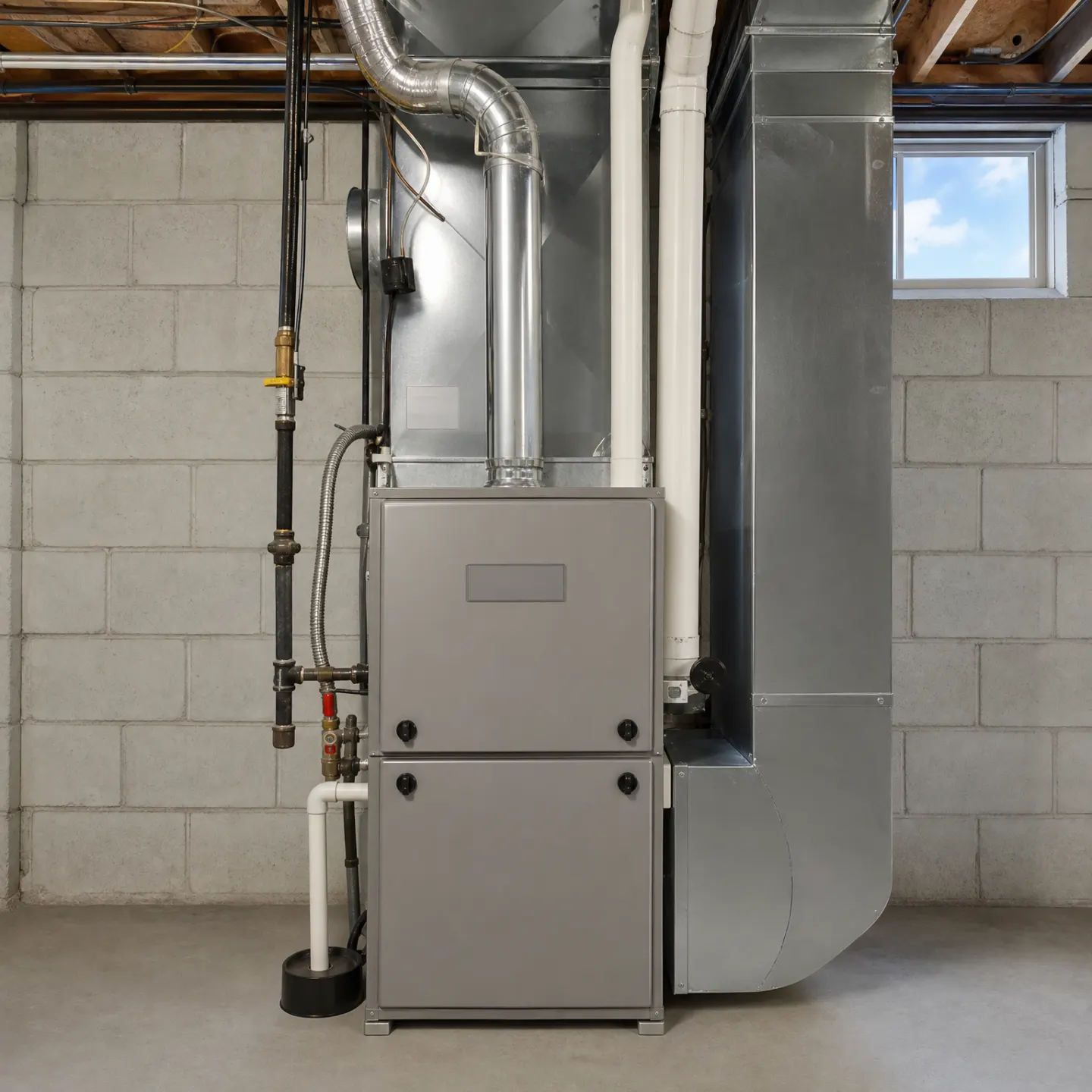
A gray high-efficiency gas furnace installed in an unfinished basement, surrounded by gas lines, a condensate drain, and sheet-metal ductwork.

A newer furnace is still worth fixing

If your furnace came with the house and the house is newer, get the broken part fixed rather than planning around a replacement. A system that hasn't put in years of hard running yet still has the life to make a repair worth it.

A small problem can take out a bigger part

A cracked igniter or a stuck flame sensor will make a furnace short cycle, shutting down before it finishes a heat call. Every one of those cycles puts a cold draft of air across a hot heat exchanger. Keep running it in that state and the heat exchanger is what gives out next, and that's a far bigger repair than the part that started it.

Waiting rarely buys you anything

A furnace that's limping along isn't resting between problems, it's adding hours to parts that are already stressed. A blower motor straining to move air through a dirty filter or a blocked vent just wears its bearings faster the longer it's asked to do that. Getting it looked at when the trouble starts usually means fixing the one part instead of chasing several.

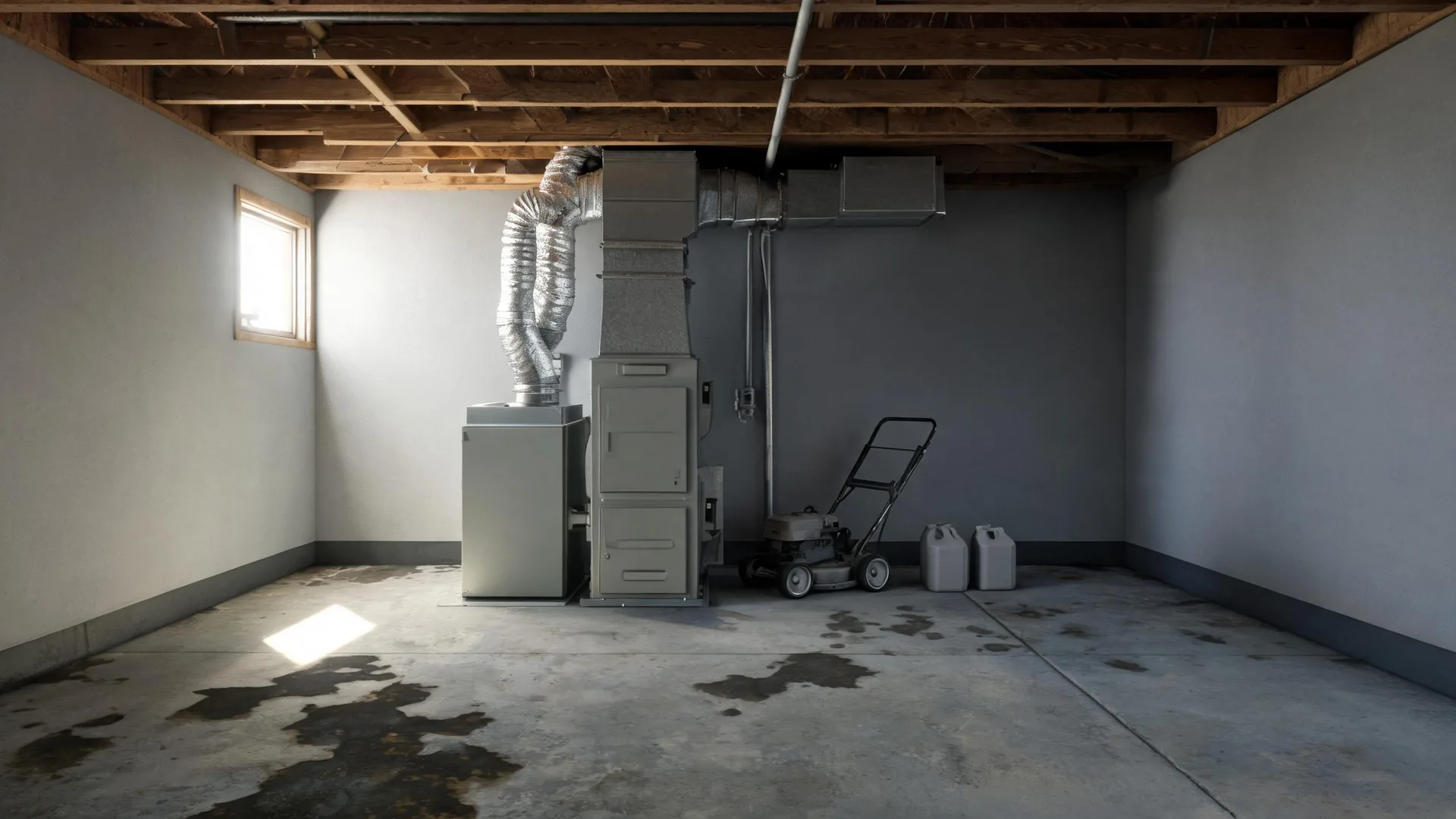
A gas furnace and sheet-metal air handler unit installed in an unfinished concrete basement.

A new furnace would cut about $150 a year off heating for a typical Pitkin County home.

  • A new high-efficiency furnace$620 a year
  • An older furnace$770 a year

Estimates for a typical Pitkin County home, compared with an older unit built to the previous federal minimum, from EIA household energy data, Colorado fuel prices and NOAA climate normals. Your home will differ.

Repair makes sense when one part has failed and the heat exchanger is sound.

Replacement makes sense when the heat exchanger is cracked or the furnace keeps needing parts.

Age on its own doesn't tell you whether to fix a furnace or replace it. A furnace that's old but has had its filter changed on schedule and its burners cleaned can still have good years left. One that's newer but's been run hard with no one checking it can be closer to done. What matters more is whether the parts failing now are isolated or connected. A single bad igniter or a failed flame sensor is a repair. A cracked heat exchanger, or a repair history where one part after another keeps giving out, is usually the furnace telling you the whole system is reaching its limit. A tech who's serviced the unit before can tell you which one you're looking at.