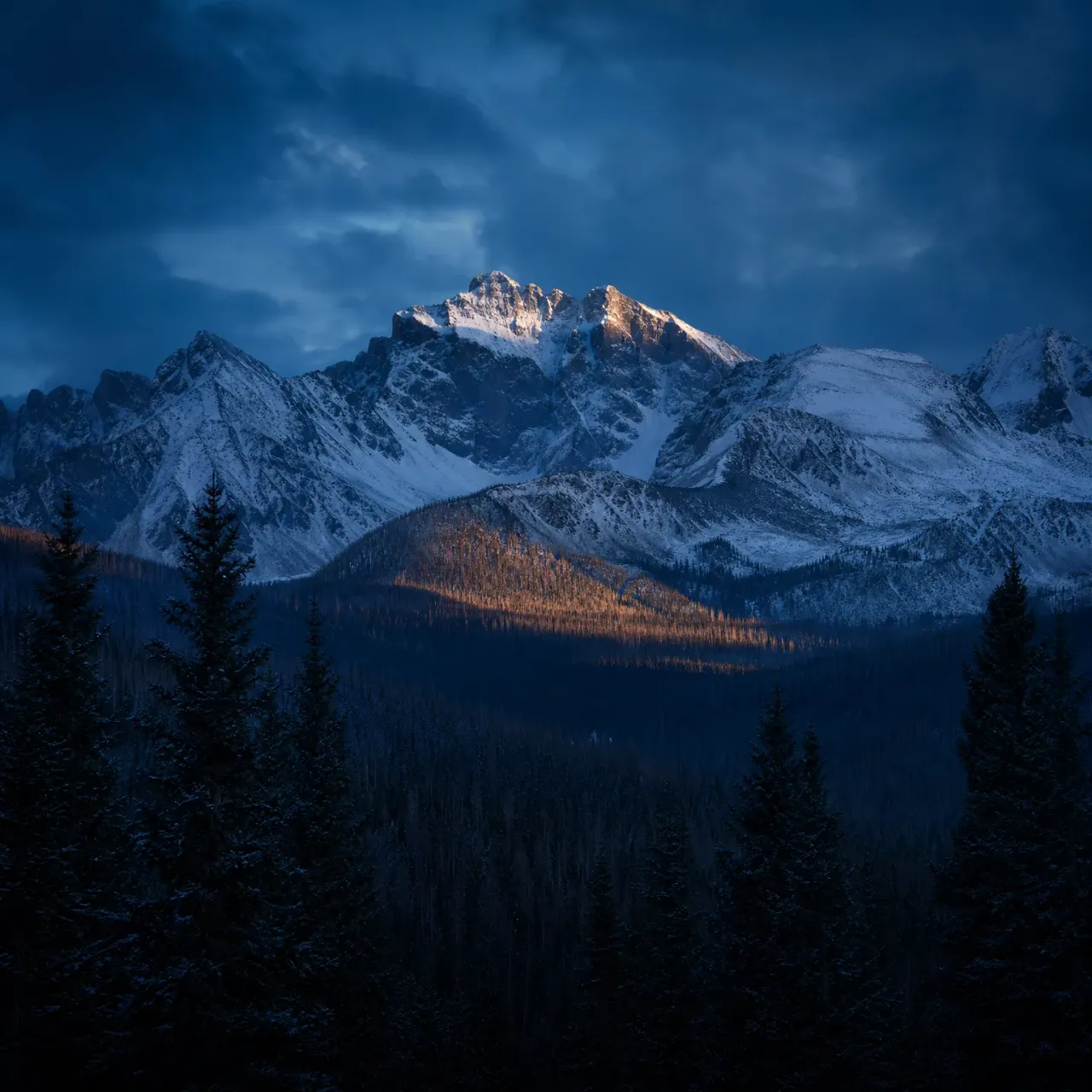
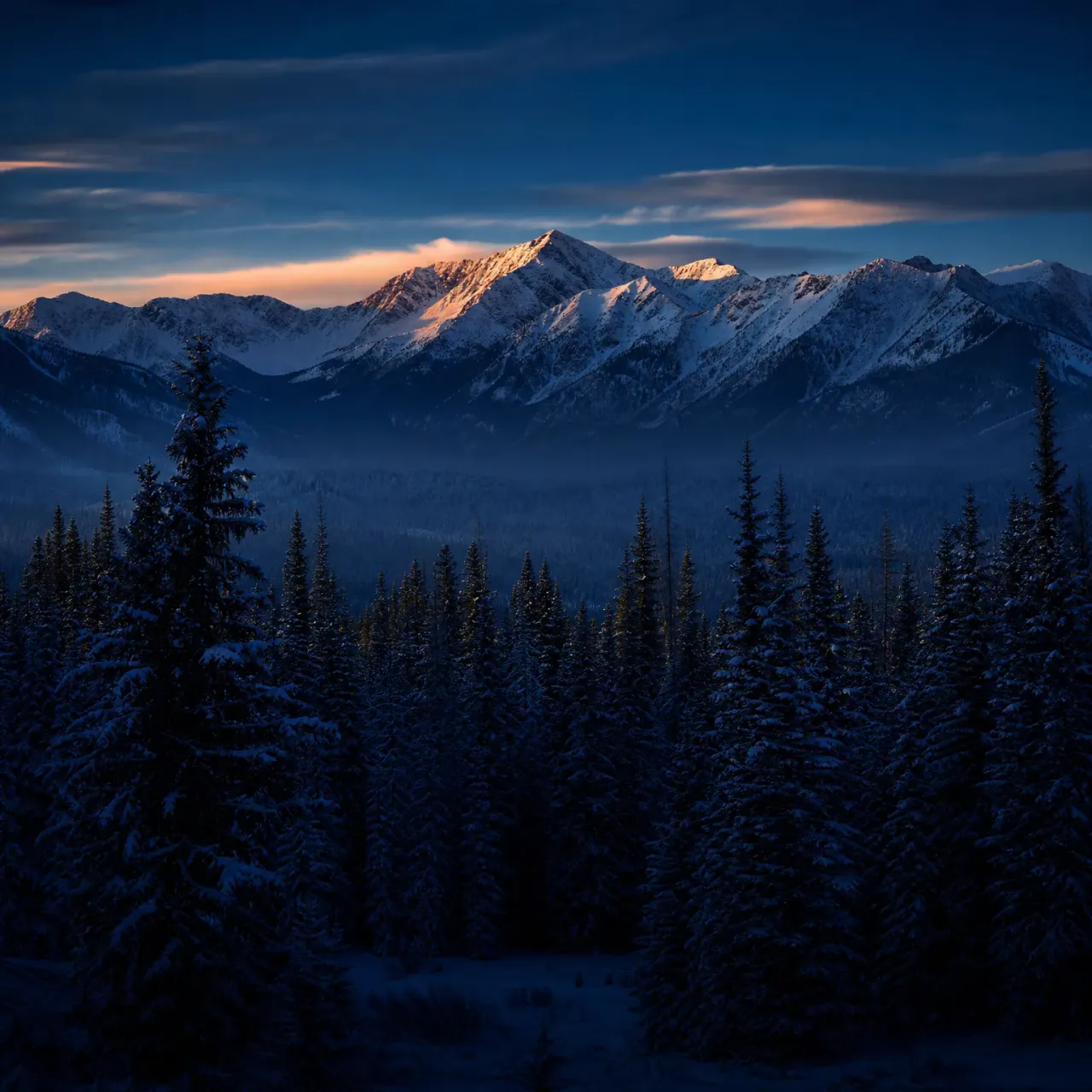
Illuminated timber-and-stone luxury homes photographed at twilight with snow-capped mountains visible in the background.

Furnace Repair in Woodland Park, CO

Tell us about the job

Takes about a minute. No obligation.

Step 1 of 3: Equipment

Furnaces in Teller County run from August through June, which only leaves a few weeks a year when the burner never fires. That is most of the year spent cycling on and off, heating a house against cold mornings even outside the hard part of winter. Between 2015 and 2024, Teller County saw 121 winter storms, counting heavy snow, ice and blizzards, and each one means the furnace is running longer and harder to keep up. All that runtime adds up on the igniter, the blower motor and the other parts that do the work every cycle. A furnace carrying that kind of load wears sooner than one that only has to run a few months a year, and small problems turn into bigger ones faster if they sit. Worth having someone look at what's actually going wrong before it gets worse.

11 months
August through June, your furnace is on duty
10°F
the average winter night it heats against
57%
of homes here heat with gas, so most furnaces here burn gas
121 winter storms
in ten years, the nights a failure hurts most
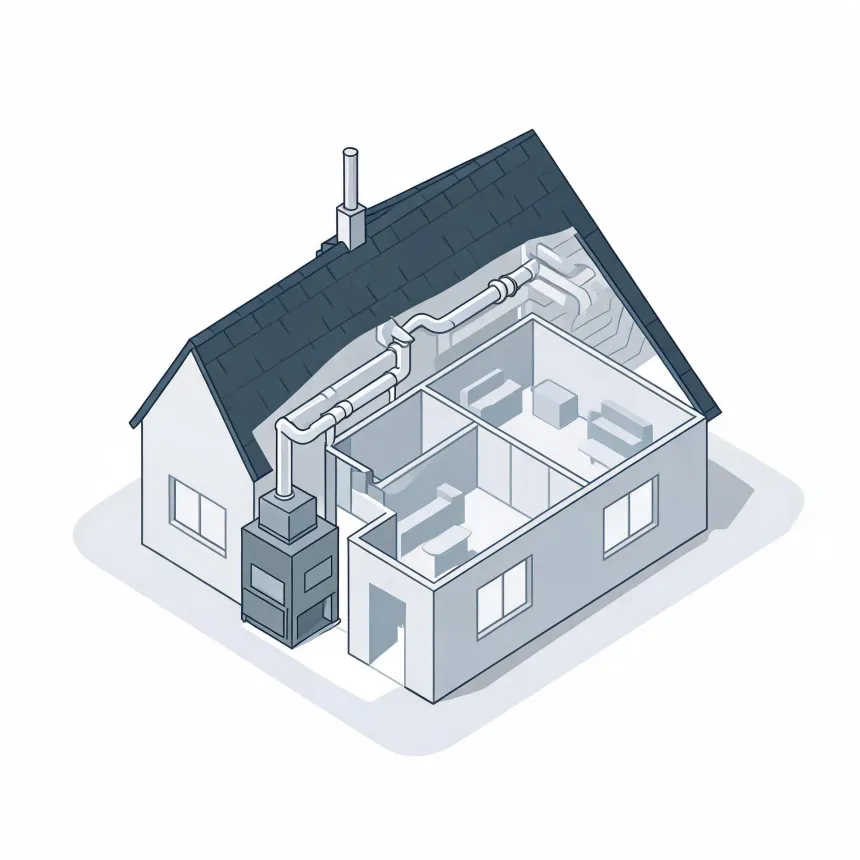
Isometric line illustration of a cutaway single-story house with a dark shingled roof, showing interior rooms and ductwork connected to a gray furnace unit with a flue pipe.
Your furnace works hardest from October through April.

NOAA nClimDiv, 1991–2020 normals

August is when the furnace here picks up its heaviest stretch of work, straight through to June.

A part that was already weak from last season's runtime tends to give out in those first few weeks.

Power Costs More Here, So a Furnace Running Wrong Costs More Every Month

Heat runs August through June
Winter nights average 10°F
121 winter storms from 2015 to 2024
The Weather Here Doesn't Spare the FurnaceTeller County saw 249 severe weather events between 2015 and 2024.

Natural gas ran Colorado homes $10.09 per million Btu in 2024. A furnace that short-cycles, or runs long to hit the thermostat setting, burns through more of that gas every time it fires. A bad igniter forcing repeated retries does this. So does a dirty blower working harder to push the same air. Both show up on the bill before they show up as a breakdown. Fixing it now stops that waste before it runs the cost up further.

Get the Furnace Checked Before It Quits on You

A furnace that runs eleven months a year doesn't get much of a break to show you what's wrong before it quits outright. Getting it looked at now means whatever's wearing out gets caught while it's still a repair.

Find a contractor
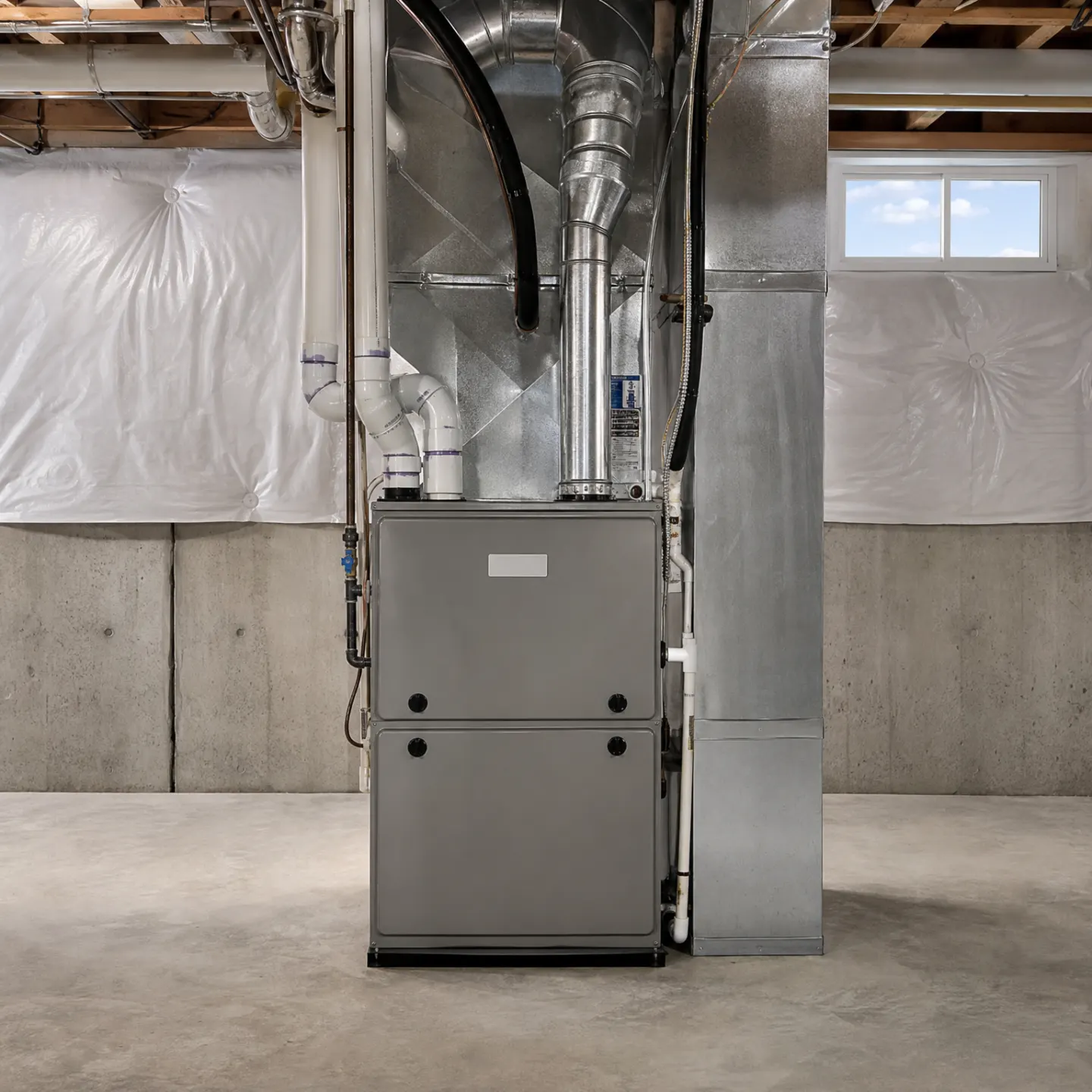
A gray residential gas furnace installed in an unfinished basement, connected to sheet-metal ductwork and PVC pipes.

How Old Is the Furnace You're Calling About

If your furnace came in with the house, check the age against that. A furnace installed in 1990 or later still has working life left in it, even with the load Teller County winters put on it, and a repair now is money spent on a system worth keeping. That's different from a furnace someone replaced on their own since, so the house's age only tells you so much. Either way, a repair call is how you find out which one you've got before you decide anything bigger.

A Cracked Heat Exchanger Only Gets Worse

A hairline crack in the heat exchanger starts small. Every time the furnace fires, the metal heats up and expands, then shrinks back down as it cools. That constant flexing opens the crack wider. Left alone, a small crack that might have been caught early turns into a safety shutoff, or worse, a way for exhaust to get where it shouldn't.

A Clogged Filter Drags Everything Else Down

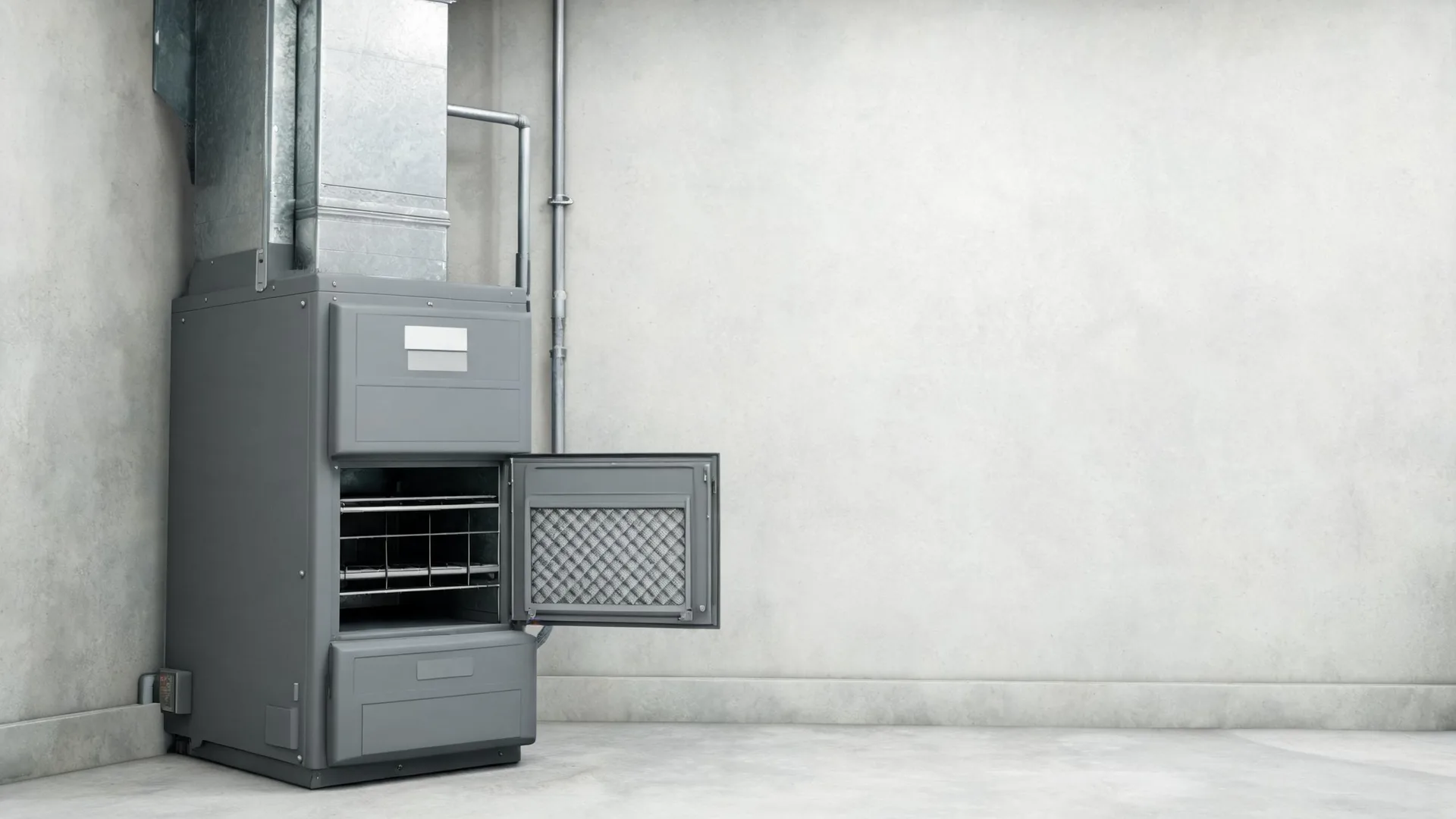
A dirty filter makes the blower motor pull harder to push the same air through the house. The motor runs hotter and wears faster. Heat can also build up around the heat exchanger when airflow is restricted, which stresses a part that is expensive to replace and dangerous to run cracked. One cheap part ignored puts a much costlier one at risk.

A gas furnace with sheet-metal ductwork and PVC pipes installed in an unfinished basement.

A new furnace would cut about $140 a year off heating for a typical Teller County home.

  • A new high-efficiency furnace$570 a year
  • An older furnace$710 a year

Estimates for a typical Teller County home, compared with an older unit built to the previous federal minimum, from EIA household energy data, Colorado fuel prices and NOAA climate normals. Your home will differ.

Repair makes sense when one part has failed and the heat exchanger is sound.

Replacement makes sense when the heat exchanger is cracked or the furnace keeps needing parts.

A diagnostic call starts with questions. When the furnace acts up, what it sounds like, whether it's heating unevenly or not firing at all. Then the tech pulls the cover and watches it run through a full cycle, from ignition to the blower kicking on to shutdown. That's where most problems show themselves: a flame that looks weak or the wrong color, an igniter that glows but doesn't light the burners, a blower that starts late or not at all. The tech checks the flame sensor for corrosion, since a dirty sensor can shut the whole system down as a safety measure even when nothing else is wrong. Static pressure gets checked too, because a reading outside normal range points to a duct or filter problem rather than the furnace itself. Wiring and connections get a look, since a loose connection can cause intermittent trouble that's hard to describe but easy to find once someone's looking for it. By the end, the tech should be able to say exactly which part failed and why, not just that the furnace needs work.