


Illuminated timber-and-stone mountain cabins along a curved road at twilight, with lit trees and mountain peaks in the background.

Furnace Repair in Cañon City, CO

Tell us about the job

Takes about a minute. No obligation.

Step 1 of 3: Equipment

Fremont County saw 292 winter storms between 2015 and 2024, counting heavy snow, ice and blizzards. That's close to one every two weeks over that span. Damaging wind hit the county 165 times in the same years, and hail came through 28 times. Wind and hail both reach the outdoor parts of a heating system, and a furnace that vents outside or pulls combustion air from outside can be affected by what piles up or blows in around it. None of that means your furnace is damaged. It means a furnace acting up after a storm is worth a closer look, even if it's still running.

9 months
September through May, your furnace is on duty
15°F
the average winter night it heats against
65%
of homes here heat with gas, so most furnaces here burn gas
292 winter storms
in ten years, the nights a failure hurts most
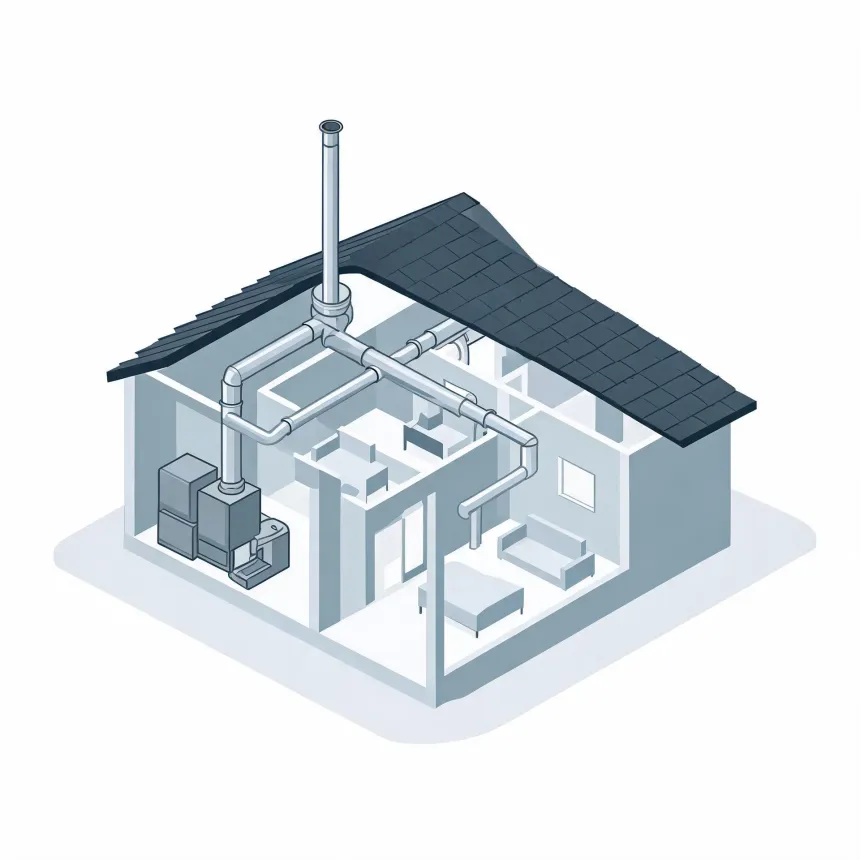
Isometric cutaway illustration of a small house showing a furnace unit connected to ductwork and a vertical flue pipe extending through the dark shingled roof, with sparse furniture in the rooms.
Your furnace works hardest from November through April.

NOAA nClimDiv, 1991–2020 normals

An igniter wears out from nothing more than heating up and cooling down, cycle after cycle, until one day it doesn't glow.

A furnace that won't fire on the first few tries, then catches late, is usually telling you the igniter is near its end.

Nine months of heat a year wears a furnace down faster than people expect

Heat runs September through May
Winter nights average 15°F
292 winter storms from 2015 to 2024
September is when a weak furnace failsHeat starts running in September here, and a part that barely made it through May gets found out fast.

A furnace here isn't idling most of the year. Nine months of heat means nine months of cycling on and off, nine months of the igniter firing and the blower running. That adds up to real wear, faster than it would somewhere with a short, mild winter. When a furnace this age starts acting up, the cause is usually something worn from ordinary use, not a defect. Get it looked at rather than guessing. A tech can tell you whether it's a part worth replacing or something more, and either way you'll know instead of waiting to find out the hard way.

After a storm, get the furnace checked even if it still runs

If your furnace vents outside or pulls combustion air from outside, this year's wind and hail could have reached it. A furnace that's still running after a storm isn't necessarily fine. Have it checked before you count on it.

Find a contractor
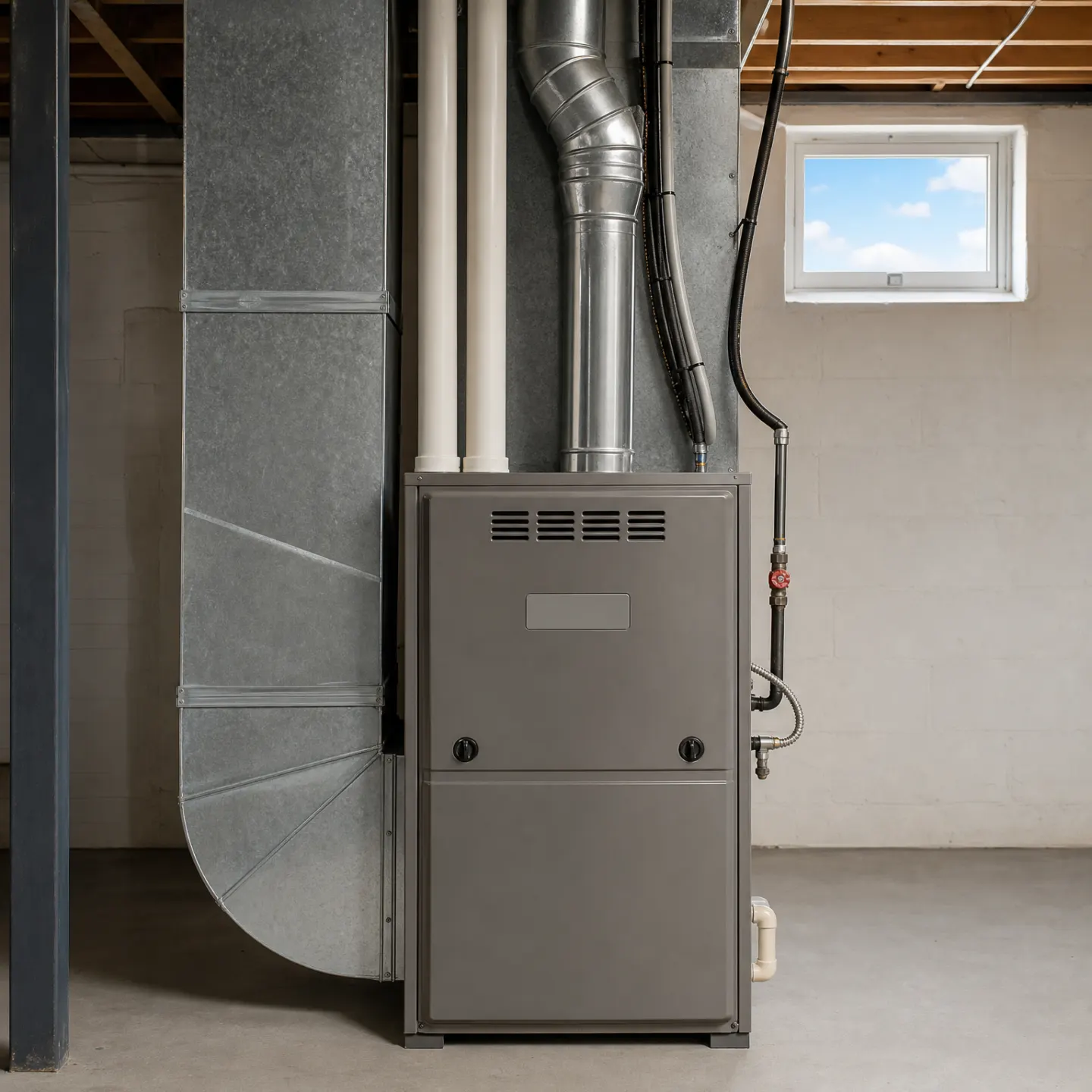
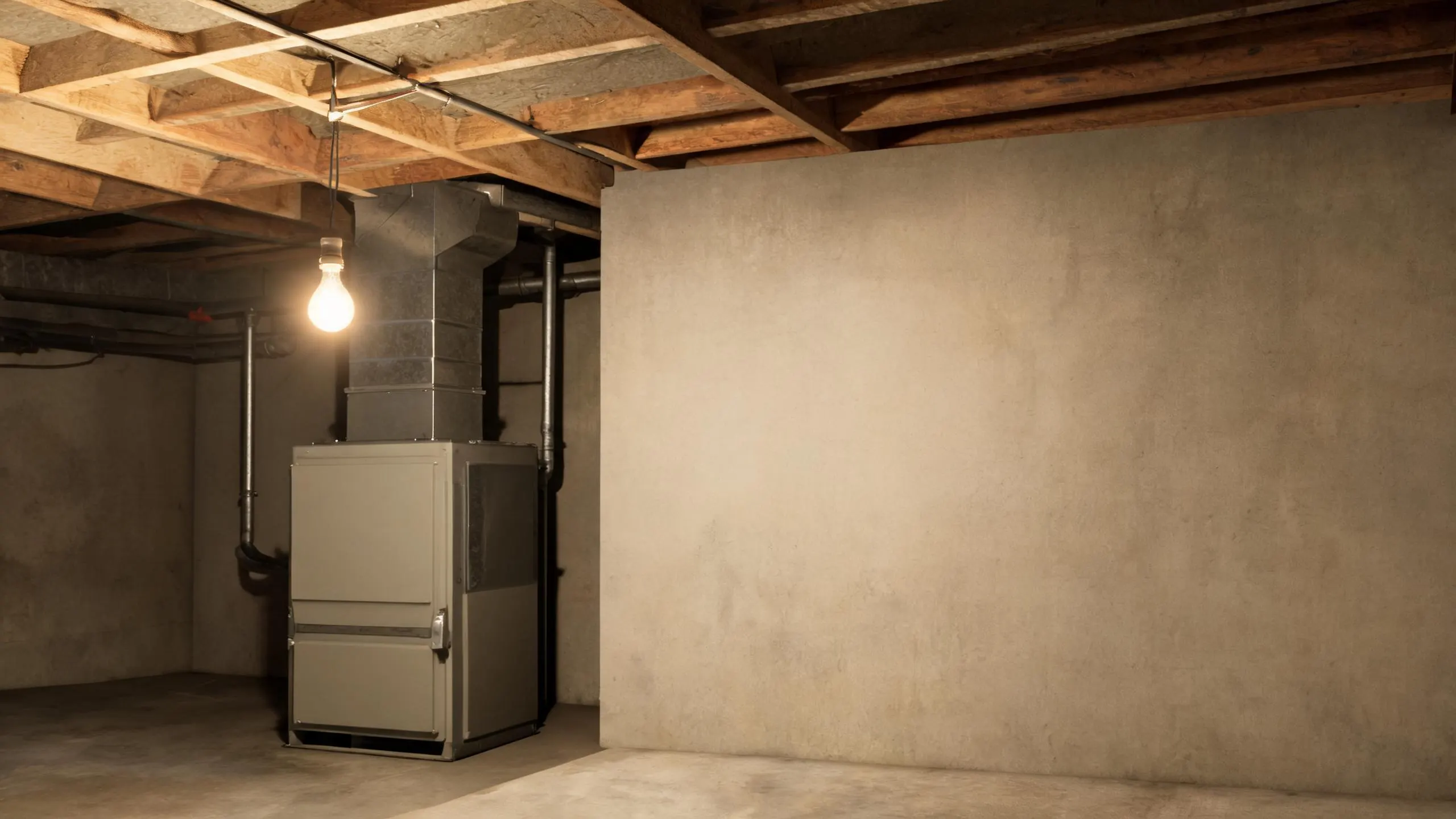
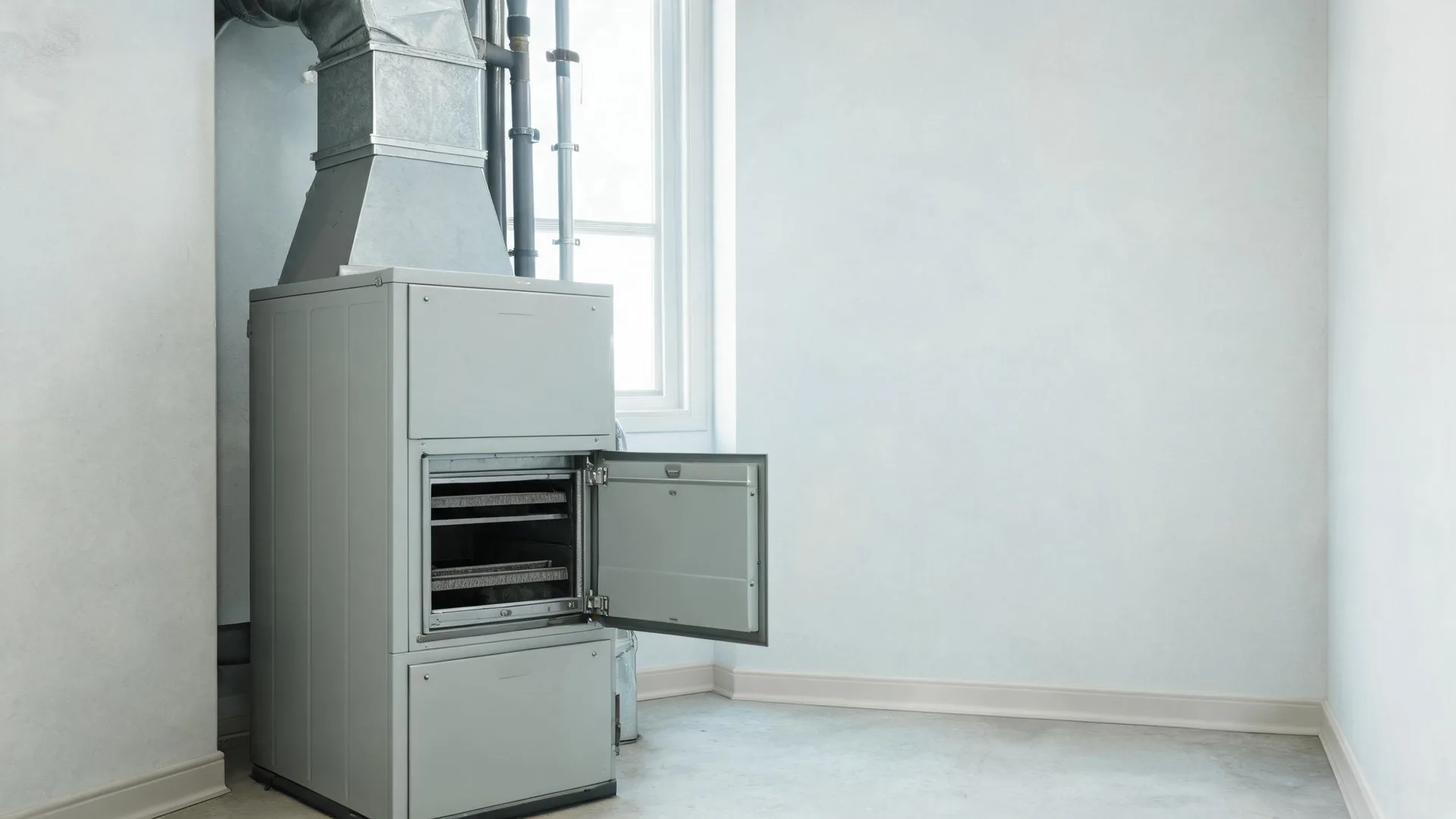
A gray residential gas furnace installed in an unfinished basement, surrounded by ductwork, a metal flue pipe, and a gas supply line.

What to check before you call

Before you call anyone, a few things are safe to check yourself. Start at the thermostat. Make sure it's set to heat, not just fan, and that the temperature you want is actually above room temperature. Next, find the furnace switch, it looks like a regular light switch, usually near the unit or at the top of the basement stairs, and make sure it hasn't been bumped off. Check the breaker too. A furnace that won't start at all is sometimes just a tripped breaker, not a broken part. If you have a gas furnace, look for a reset button on the unit itself, some have one, and check that the gas valve leading to the furnace is turned on. Then look at the air filter. A filter clogged with dust and pet hair chokes off airflow, and some furnaces will shut themselves down rather than run that way. If it's gray and packed solid, swap it for a new one and see if that changes anything. Last, listen to what it's doing. A furnace that clicks but doesn't light, one that starts and stops on its own, or one that blows air that never warms up are all different problems, and telling a tech what you heard helps them get to the cause faster. What you shouldn't do is take the furnace apart, pull the burner assembly, or go near the gas line yourself. Past the switch, the filter and the breaker, it's a job for someone who works on these for a living.

Short cycling wears out the parts that start it

A furnace that shuts off a couple minutes after it starts, then fires again, is working harder than it should to heat the house. Every start puts load on the igniter and the inducer motor. A furnace doing this all day is putting months of wear on those parts in a matter of weeks.
A sound that's new is worth mentioning when you call

Banging at startup, a rattle from the blower, or a screech when it kicks on all point to different problems; a tech who knows what it's doing before arriving can bring the right part instead of guessing on site. Describing what changed, and when, saves a second visit.

A gray forced-air furnace with metal ductwork stands in an unfinished basement with exposed wooden joists, concrete walls, and a single hanging light bulb.

A new furnace would cut about $110 a year off heating for a typical Fremont County home.

  • A new high-efficiency furnace$450 a year
  • An older furnace$560 a year

Estimates for a typical Fremont County home, compared with an older unit built to the previous federal minimum, from EIA household energy data, Colorado fuel prices and NOAA climate normals. Your home will differ.

Repair makes sense when one part has failed and the heat exchanger is sound.

Replacement makes sense when the heat exchanger is cracked or the furnace keeps needing parts.

A diagnostic visit starts before any panel comes off. A tech will ask what the furnace was doing, when it started, and whether anything changed right before, a breaker trip, a thermostat swap, a strange smell. Then they watch it try to run, because a furnace that won't light, one that lights and shuts off, and one that runs but never gets warm point to different parts entirely. From there it's testing, not guessing: checking for a spark or glow at the igniter, confirming the flame sensor is reading a flame once it lights, checking that the inducer motor is pulling exhaust before gas is allowed to flow at all. Gas pressure gets checked at the valve. Electrical connections get checked for the kind of corrosion or loose wire that causes intermittent problems no one can catch by eye. The point of all this is to find the part that's actually failing, not to replace parts until something works.