




An unfinished concrete basement containing a metal HVAC air handler, exposed wooden ceiling joists with sheet-metal ducts, a hanging bare bulb, copper pipes, and stacked cardboard boxes.

Furnace Repair in Silverthorne, CO

Tell us about the job

Takes about a minute. No obligation.

Step 1 of 3: Equipment

Furnaces in Silverthorne run heat every month of the year, not just through a cold snap in January. Overnight lows across the county average 8°F in December, January and February, and the furnace is what stands between that and a warm house. A system that never really gets a break doesn't get the downtime other furnaces get to coast. That kind of use wears an igniter or a blower motor sooner than you'd expect. If yours is acting up, it's worth having someone look at what's actually failing rather than guessing. A repair done against the real cause holds up. One that isn't just gets you back here.

8°F
the average winter night it heats against
58%
of homes here heat with gas, so most furnaces here burn gas
46 winter storms
in ten years, the nights a failure hurts most
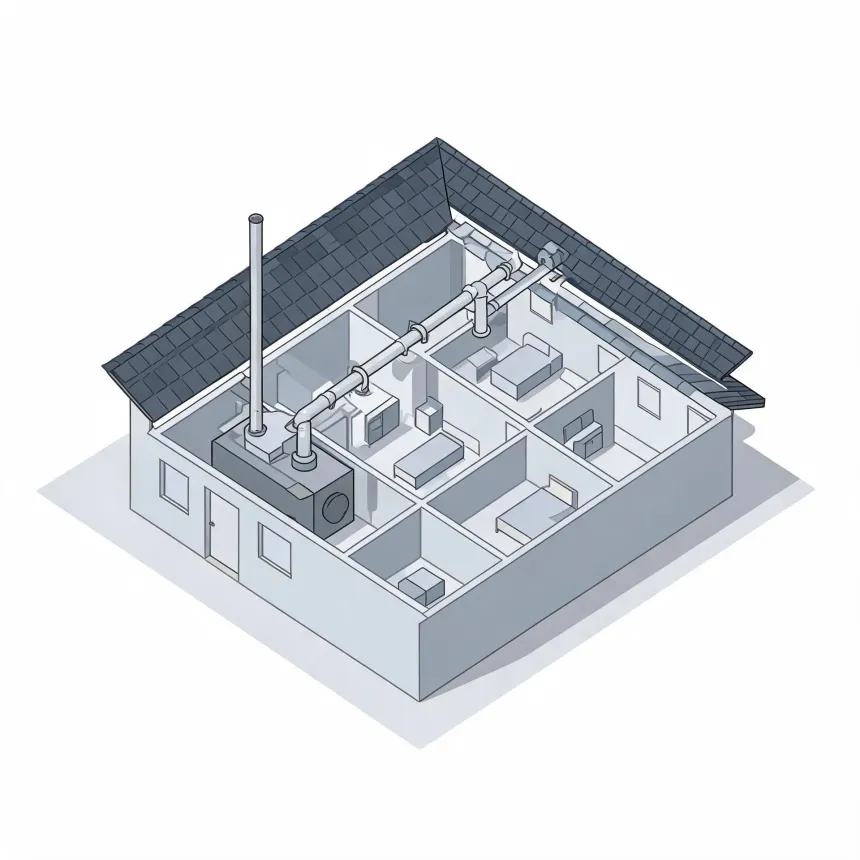
Isometric cutaway illustration of a single-story house showing interior rooms, furniture, a dark furnace unit with a tall vertical flue pipe, and ductwork running under the pitched shingle roof.
Your furnace works hardest from October through April.

NOAA nClimDiv, 1991–2020 normals

A diagnostic visit means a tech traces the failure to the actual part before touching anything.

A repair aimed at the real cause is what keeps the furnace running through the next cold stretch.

At $10.09 per therm-equivalent, a furnace running wrong burns money every day you wait

Winter nights average 8°F
Climate zone 7
Half the homes here were built by 1989

A furnace that's short-cycling, or one that runs but never quite gets the house warm, is usually telling you something specific about what's worn. Guessing at parts wastes a trip. Someone who checks the flame sensor, the pressure switch, the blower wheel against what the furnace is actually doing can tell you which one gave out and why. That matters more here than most places, since a furnace running year-round wears unevenly compared to one that gets to rest for part of the year. Get the actual cause fixed and the repair holds through the next cold stretch, not just until the next one.

A newer furnace is worth repairing

If your house was built in 1989 or later, your furnace likely has years left in it. Get the actual problem fixed instead of planning around a replacement.

Find a contractor
A man in a cap, gray long-sleeved shirt and brown work pants walks up concrete steps toward a dark blue front door, carrying a worn canvas tool bag beside a potted shrub.
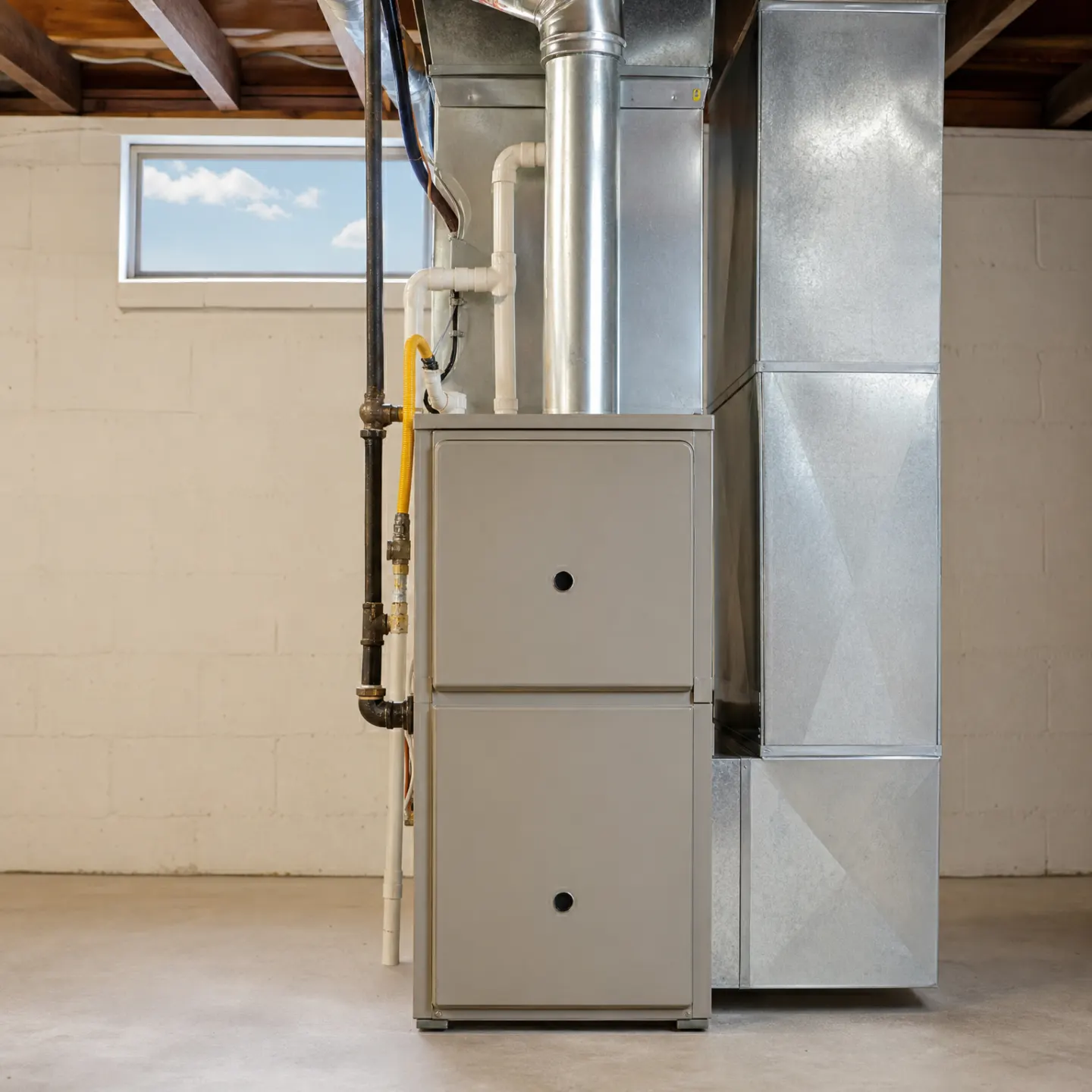
A gas furnace with attached ductwork, gas piping, and condensate lines installed in a concrete-block basement.

Parts that cycle more wear out sooner

A furnace that runs most months doesn't get the long stretches of downtime that let small wear stay small. The igniter cycles on every call for heat, and each cycle is a small shock to it before it finally cracks. The blower motor logs hours a seasonal unit never would, and bearings that would last years under light use wear flat sooner. You'll usually hear it before you see it. A furnace that clicks and tries to light but doesn't catch is often down to the igniter or the flame sensor, not the gas supply. One that starts, runs a minute, then shuts off is probably tripping a limit switch because airflow is restricted somewhere, often the filter. A blower that runs constantly, or one that won't shut off even after the house is warm, points to a failing fan limit switch or a motor relay stuck closed. None of these get better by waiting. A furnace that's struggling to light is also wearing the parts around it harder each time it tries.

What you can check yourself

Look at the filter before anything else. A filter packed with dust chokes airflow and can shut the furnace down on a limit switch, and it's the one thing you can fix without a tool. Check that the thermostat is set to heat and the batteries aren't dead. Look at the switch on the side of the furnace cabinet, the one that looks like a light switch, and make sure it's on. If you have a standing pilot, check whether it's lit. None of this takes long, and it rules out the things that aren't actually a repair.

What's not yours to check

Don't pull the furnace cabinet open looking for a cracked igniter or a bad pressure switch. Those parts sit behind panels for a reason, and testing them means reading voltage or resistance with a meter, not eyeballing them. If the breaker keeps tripping when you reset it, or you smell gas, stop checking and get someone out. Those aren't troubleshooting steps, they're signs something is actively wrong.

A gas furnace with sheet-metal ductwork and PVC pipes installed in an unfinished basement.

A new furnace would cut about $170 a year off heating for a typical Summit County home.

  • A new high-efficiency furnace$670 a year
  • An older furnace$840 a year

Estimates for a typical Summit County home, compared with an older unit built to the previous federal minimum, from EIA household energy data, Colorado fuel prices and NOAA climate normals. Your home will differ.

Repair makes sense when one part has failed and the heat exchanger is sound.

Replacement makes sense when the heat exchanger is cracked or the furnace keeps needing parts.

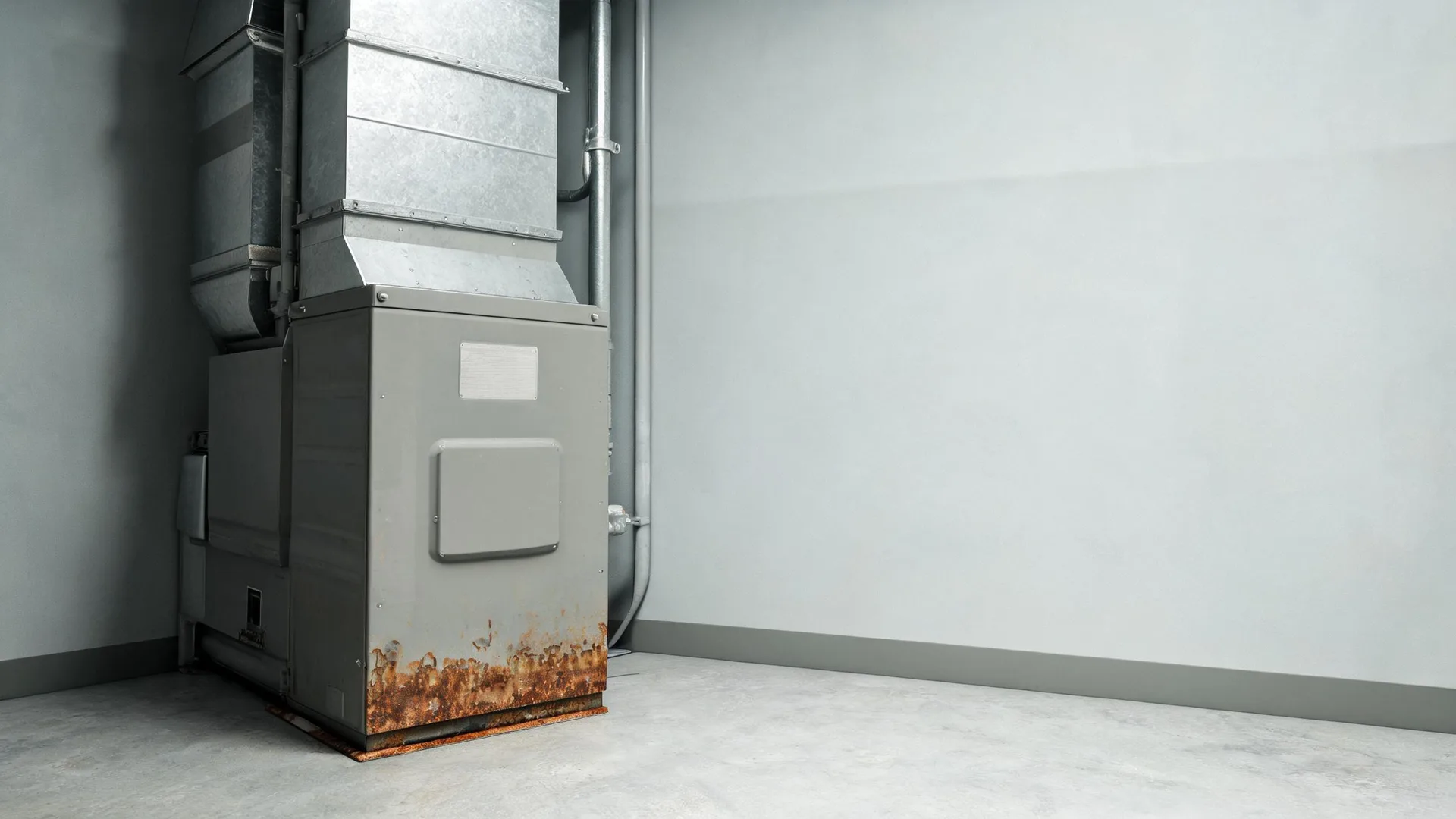
A furnace fails one part at a time. An igniter cracks, a pressure switch sticks, a blower motor seizes. A tech swaps that one part and the furnace runs like it should. What changes things is when a tech opens the cabinet and finds more than the one problem that brought them out. A heat exchanger is the core of the furnace, not something swapped on its own, and if it's cracked that's a different conversation than a bad igniter. Scorched burners or a cabinet rusting from the inside mean the furnace has been struggling for a while, not just today. One worn part is a repair. A tech finding a second failure behind the first means the furnace is closer to the end than people think.