Illuminated timber-frame and stone houses along a residential street at night, with snow-capped mountains visible in the background.

Furnace Repair in Craig, CO

Tell us about the job

Takes about a minute. No obligation.

Step 1 of 3: Equipment

Nine months of runtime

A furnace in Moffat County runs from September through May. That's most of the year asking the igniter and the blower motor to cycle on and off. Between 2015 and 2024, the county saw 191 winter storms. Parts that might coast in a milder climate are working the whole time.
What that means for the fix

A furnace that's run this hard doesn't fail for no reason. The part that quit usually points to the strain it's been under, not a random defect. Getting the actual cause diagnosed, instead of just swapping the part that failed, is what keeps the next cold snap from breaking it again.

9 months
September through May, your furnace is on duty
13°F
the average winter night it heats against
62%
of homes here heat with gas, so most furnaces here burn gas
191 winter storms
in ten years, the nights a failure hurts most
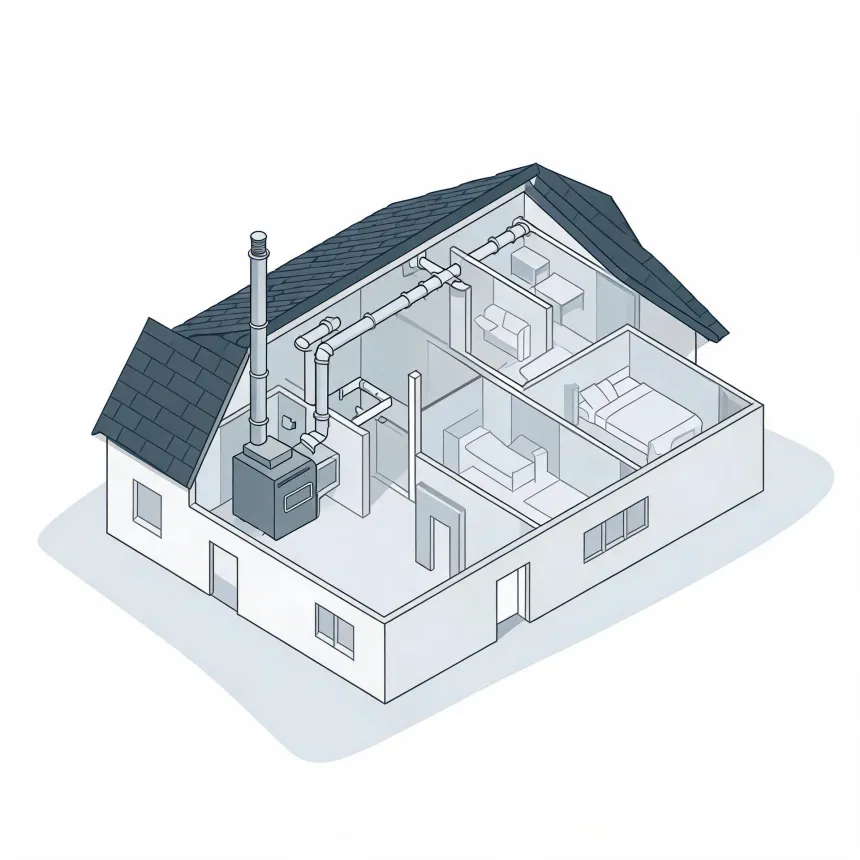
Isometric line illustration of a cutaway house showing interior rooms with furniture and a furnace with ducting and a flue pipe extending through the roof.
Your furnace works hardest from November through April.

NOAA nClimDiv, 1991–2020 normals

Most furnace failures trace back to the igniter or the flame sensor, since those parts cycle every single time the heat kicks on.

A furnace that short cycles or won't stay lit is usually telling you which of those two parts gave out.

277 storms in a decade, and the furnace still has to run

277 severe weather events from 2015 to 2024
13% of homes statewide lost power a day or more in 2024
82 damaging wind events from 2015 to 2024
September is when weak parts quitHeat here starts in September and runs through May, nine months straight on the same igniter and blower motor.

Furnace repair calls often turn up more than a bad igniter. Winter storms hit Moffat County 191 times between 2015 and 2024, and wind has knocked around the county 82 times in that same stretch. A furnace vent or intake can take debris during that kind of weather without the homeowner knowing it. If yours has been acting up since a storm came through, mention that when the contractor comes out. It can point them straight to the problem instead of starting from scratch.

Find out what's really behind it before the next cold snap tests it again

A furnace that runs nine months a year through 191 winter storms wears parts on a schedule most places don't see. When one quits, it's worth finding out why before it just gets replaced. A proper diagnosis now is what keeps the fix from being temporary.

Find a contractor
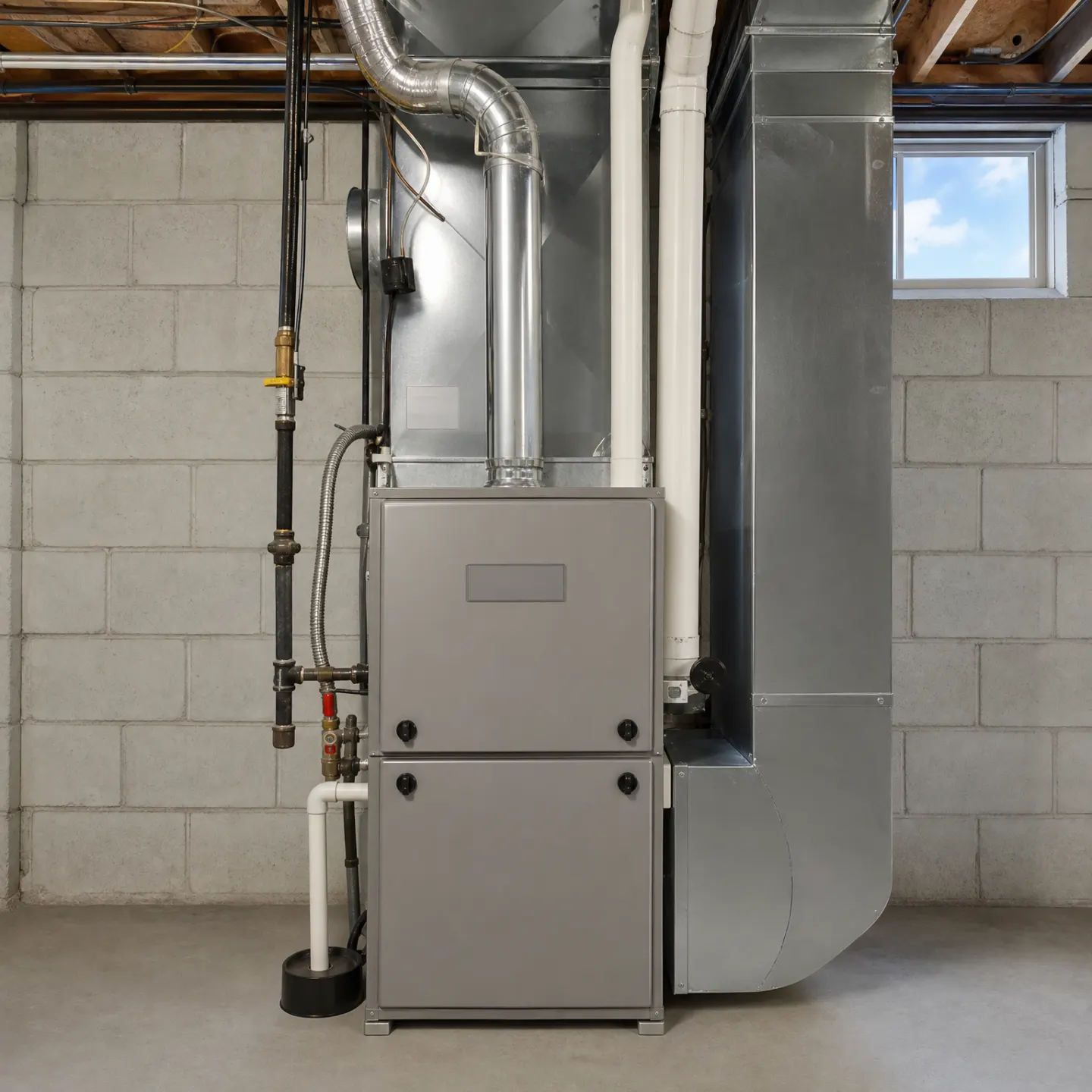
A gray high-efficiency gas furnace installed in an unfinished basement, surrounded by gas lines, a condensate drain, and sheet-metal ductwork.

What the furnace is trying to tell you

A furnace usually tells you something is wrong before it quits for good. Short cycling, where it fires up and shuts off again before the house warms, often means the flame sensor isn't reading the flame right or the filter is choked enough to trip the limit switch. A burner that won't stay lit points to the igniter or the flame sensor giving out. Cold air coming from the vents before the system kicks on is normal, but if it keeps blowing cool well after, the heat exchanger or the blower control may be behind it. A furnace that clicks and tries to start without lighting is usually failing at the igniter or the gas valve. Rattling, booming at startup, or a burning smell that doesn't fade after a few minutes are not things to wait out. Any of these is worth a call before the part that's struggling now fails completely on a night you need it most.

Running doesn't fix a bad part

A furnace with a failing igniter or a cracked flame sensor won't heal by cycling more. Every extra startup is one more strain on a part that's already going. Left alone, a weak igniter usually goes from slow to light to no light at all.

Small problems spread to bigger ones

A clogged filter forces the blower motor to pull harder than it's built for, and that heat can trip the limit switch or wear down the motor itself. A cracked heat exchanger ignored long enough can let exhaust mix into the air the blower pushes through the house. Shutting the furnace off and calling for a look is cheaper than finding out how far a small fault travels.

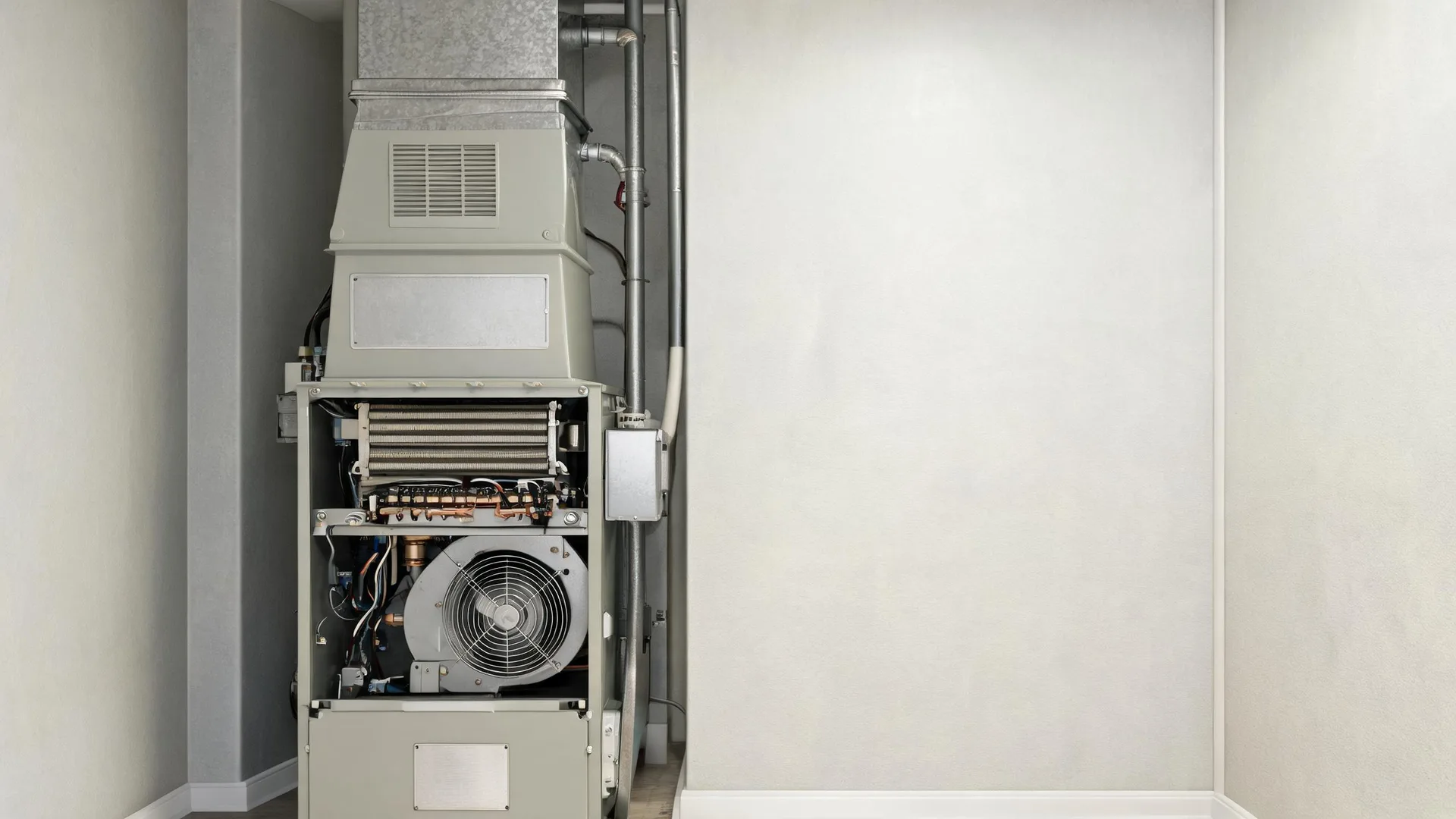
An unfinished basement interior featuring a large metal furnace unit, exposed ceiling joists, concrete walls, and scattered boxes and cables on the floor.

A new furnace would cut about $120 a year off heating for a typical Moffat County home.

  • A new high-efficiency furnace$500 a year
  • An older furnace$620 a year

Estimates for a typical Moffat County home, compared with an older unit built to the previous federal minimum, from EIA household energy data, Colorado fuel prices and NOAA climate normals. Your home will differ.

Repair makes sense when one part has failed and the heat exchanger is sound.

Replacement makes sense when the heat exchanger is cracked or the furnace keeps needing parts.

Repair makes sense when the part that failed is one part and the rest of the furnace has some life left in it. An igniter, a flame sensor, a draft inducer motor, these wear out on their own schedule and swapping one doesn't put strain on anything else. Replacement starts to make more sense when the heat exchanger is cracked, since that's not a part you patch, or when the same furnace keeps bringing a contractor back for a different failure every season. A unit that's needed two or three separate repairs in as many years is usually telling you the whole system is wearing down at once, not that it keeps having bad luck. Age matters less than pattern. One failed part on a furnace that's otherwise been quiet is a repair. A string of failures close together, in different parts, is the furnace asking to be replaced before it picks the worst night to quit for good.