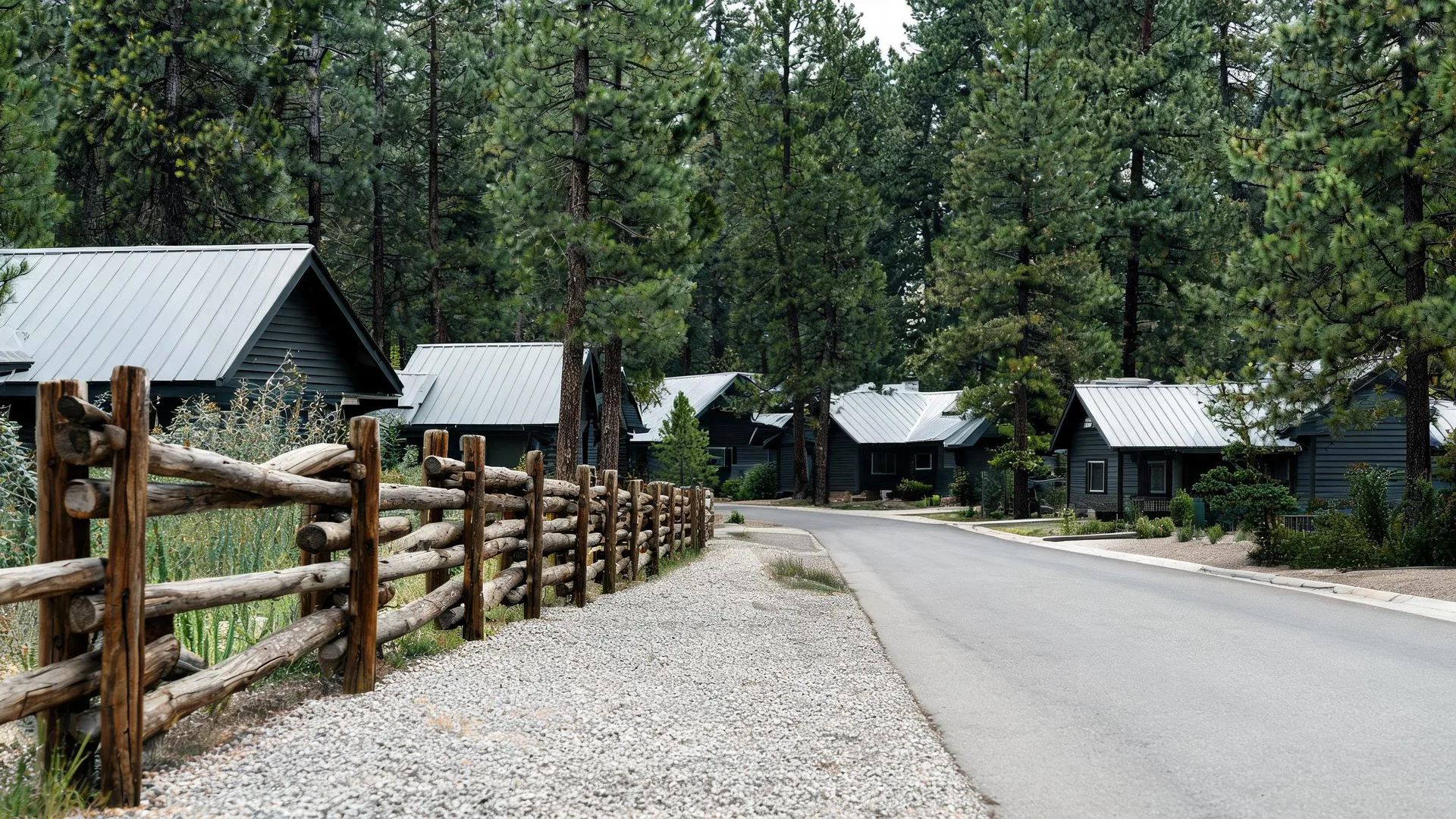
A paved road curves past dark-green cabins with metal gabled roofs among tall pine trees, with a rustic log fence and gravel shoulder in the foreground.

Furnace Repair in Grand Junction, CO

Tell us about the job

Takes about a minute. No obligation.

Step 1 of 3: Equipment

Nine months of work a year

A furnace in Mesa County runs from September through May. That's most of the year asking the igniter, the blower motor and the heat exchanger to cycle on and off, day after day. Parts that might coast in a milder climate don't get that break here.
What that means for your repair

With this much runtime behind it, a furnace here is more likely to be failing from wear than from a one-off defect. Whoever looks at it needs to check beyond the obvious symptom, because a part replaced without finding why it wore out tends to fail again.

9 months
September through May, your furnace is on duty
18°F
the average winter night it heats against
74%
of homes here heat with gas, so most furnaces here burn gas
182 winter storms
in ten years, the nights a failure hurts most
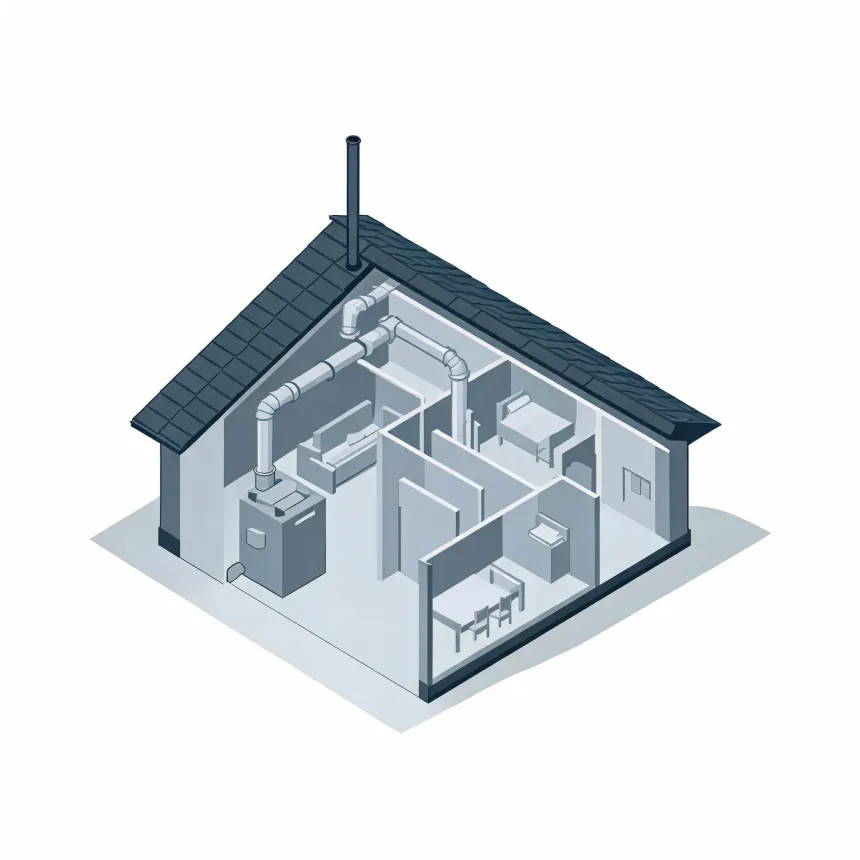
Isometric cutaway illustration of a small single-story house showing interior rooms with furniture, a furnace unit with attached ductwork running to a roof flue, and a dark shingled roof.
Your furnace works hardest from November through April.

NOAA nClimDiv, 1991–2020 normals

Furnaces here start running in September.

A furnace that sat idle all summer gets asked to fire up hard right when the first cold snap hits, and a weak part often shows itself in those first weeks.

Mesa County sees 350 severe weather events a decade, and that's hard on the unit outside

350 severe weather events from 2015 to 2024
13% of homes statewide lost power a day or more in 2024
152 damaging wind events from 2015 to 2024
A Newer Furnace, Still Working HardHalf the homes in Mesa County were built in 1987 or later.

Winter storms hit Mesa County 182 times between 2015 and 2024, and damaging wind another 152 times in that same stretch. A furnace that's already working hard through a hard winter doesn't need a power blip or a surge on top of that. If the house lost power during a storm, or a breaker tripped, mention it when someone comes out, even if the furnace seems to run fine now. An igniter or control board can take damage that doesn't show up as a full failure right away. Worth a check before the next cold snap finds the weak spot.

Nine months of work a year is likely why it needs attention now

Get it checked for what's actually worn, not just the symptom you're seeing. A fix that addresses why the part failed holds up better than one that doesn't.

Find a contractor
A man in a cap, dark jacket and tan pants carries a worn duffel bag as he climbs porch steps toward a dark blue front door beside a potted shrub.
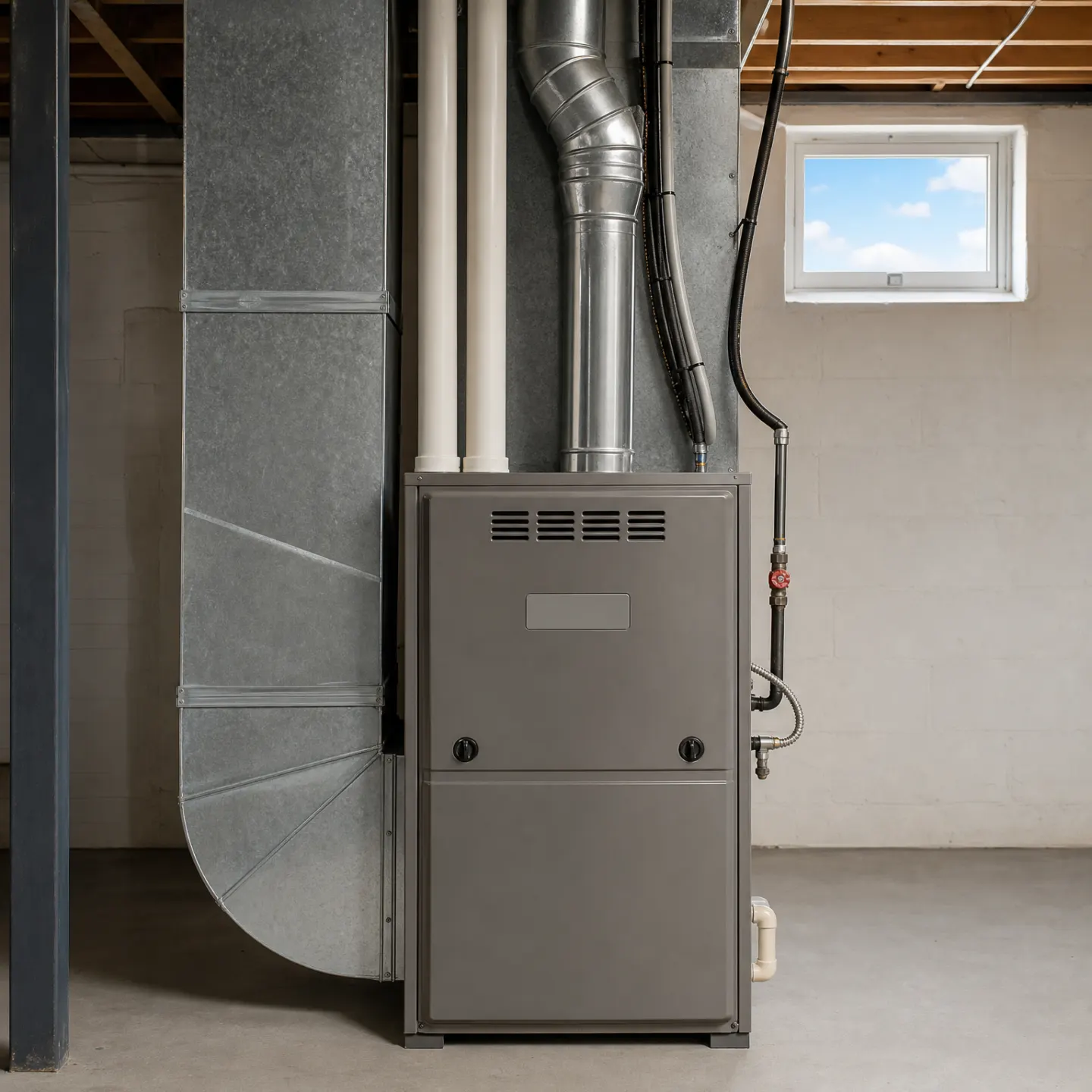
A gray residential gas furnace installed in an unfinished basement, surrounded by ductwork, a metal flue pipe, and a gas supply line.

What a Furnace Tells You Before It Quits

A furnace usually tells you something is wrong before it quits outright. It might take two or three tries to light instead of one. The blower might kick on louder than it used to, or keep running after the house has warmed up. Some furnaces start blowing air that's barely warm, which usually means the burners aren't staying lit long enough to do their job. A burning smell that fades after the first few minutes of a new season is normal, dust burning off the heat exchanger. One that lingers, or smells sharp instead of dusty, is not. Short cycling, where the furnace fires up and shuts off again before the room feels any warmer, points to a limit switch doing exactly what it's supposed to do: protecting an exchanger that's running hotter than it should. None of these signs fix themselves with time. They're worth a call before the furnace stops answering the thermostat at all.

A Small Problem Doesn't Stay Small

A cracked heat exchanger, a failing limit switch, or a blower motor straining on a worn bearing all get worse the longer the furnace keeps cycling. Heat stresses metal, and metal that's already cracked or warped flexes more each time it heats and cools. A motor bearing that's starting to go wears faster once it's carrying extra friction. None of these fix themselves by running longer.

Why Shutting It Down Can Be the Right Call

If a furnace is tripping its limit switch, short cycling, or showing a crack in the exchanger, running it anyway risks turning a part replacement into something more serious. A cracked exchanger can let combustion gas into the air the blower pushes through the house. A tech who finds a problem like this will usually tell you to shut it off until it's repaired, not to keep it running until the appointment.

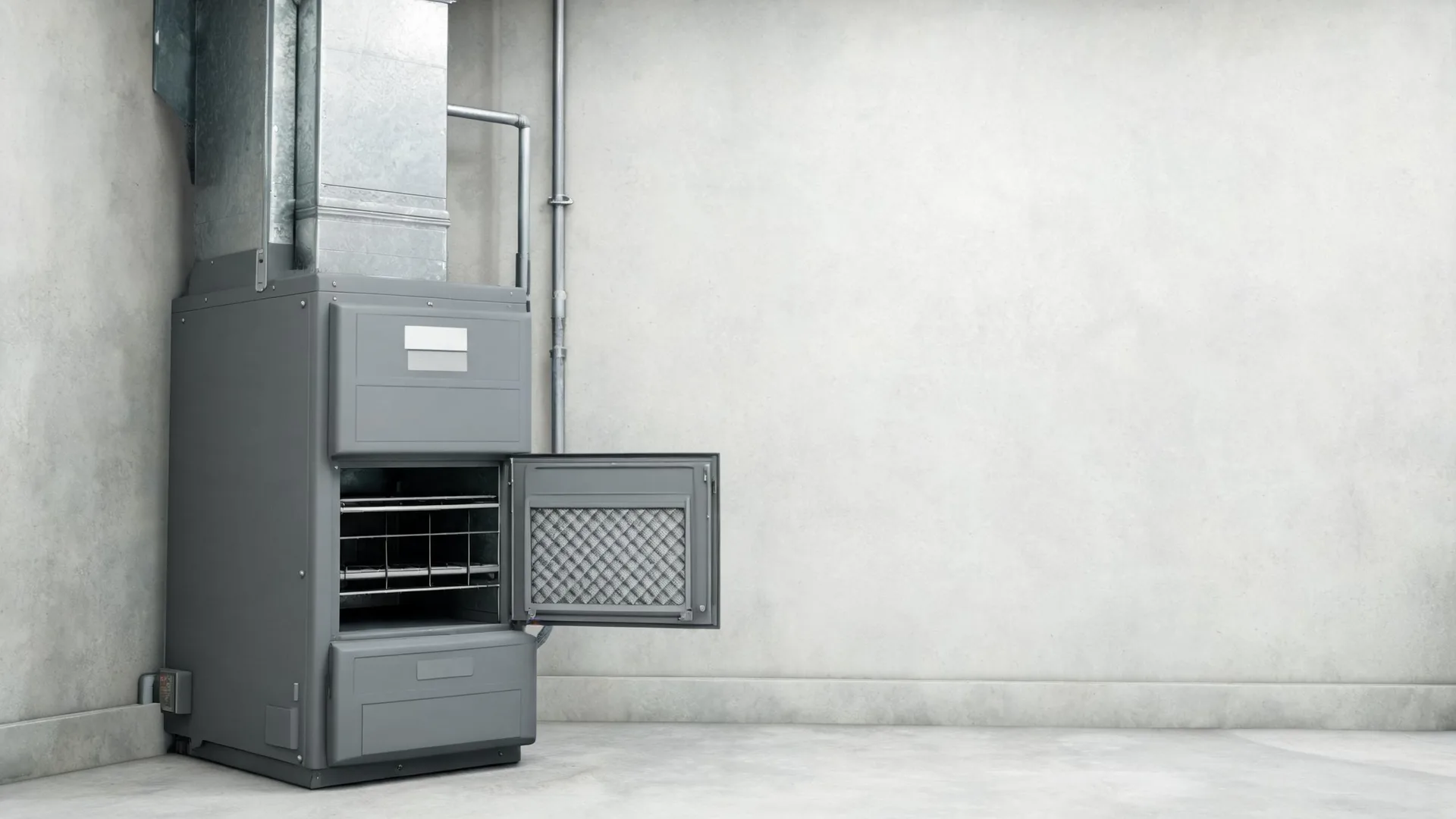
A gas furnace with sheet-metal ductwork and PVC pipes installed in an unfinished basement.

A new furnace would cut about $110 a year off heating for a typical Mesa County home.

  • A new high-efficiency furnace$420 a year
  • An older furnace$530 a year

Estimates for a typical Mesa County home, compared with an older unit built to the previous federal minimum, from EIA household energy data, Colorado fuel prices and NOAA climate normals. Your home will differ.

Repair makes sense when one part has failed and the heat exchanger is sound.

Replacement makes sense when the heat exchanger is cracked or the furnace keeps needing parts.

A diagnostic visit starts before any panel comes off. The tech asks what the furnace is doing: not heating at all, short cycling, tripping the breaker, making a noise it didn't used to make. Then the cover comes off and the checks follow the complaint. A furnace that won't ignite gets the igniter tested and the flame sensor checked, since a sensor coated with residue reads as no flame even when the burners are lit. One that cycles off early gets the limit switch and the airflow checked, because a furnace that's overheating will shut itself down to protect the heat exchanger. A blower that's noisy gets the motor bearing and the wheel checked for wear or buildup. Pressure switches, flue venting and gas pressure get checked too, since any of them can cause a furnace to lock out. Whatever's found, a tech worth hiring explains what failed and why, not just which part gets swapped.