Illuminated timber-and-stone houses line a residential street at dusk, with evergreen trees in the foreground and a silhouetted mountain range behind them.

Furnace Repair in Alamosa, CO

Tell us about the job

Takes about a minute. No obligation.

Step 1 of 3: Equipment

Nine months of runtime

Furnaces in Alamosa County run from September through May. That's most of the year asking the igniter, the blower motor and the heat exchanger to cycle on and off, day after day. A furnace carrying that kind of schedule wears at a different pace than one used a few months a year.

What that means for your repair

A furnace running this many months a year earns its breakdowns honestly. Whatever's going wrong is probably wear that caught up with it, not a fluke. Have a contractor check it against what a long heating season actually does to a furnace before deciding what to fix.

9 months
September through May, your furnace is on duty
8°F
the average winter night it heats against
96 winter storms
in ten years, the nights a failure hurts most
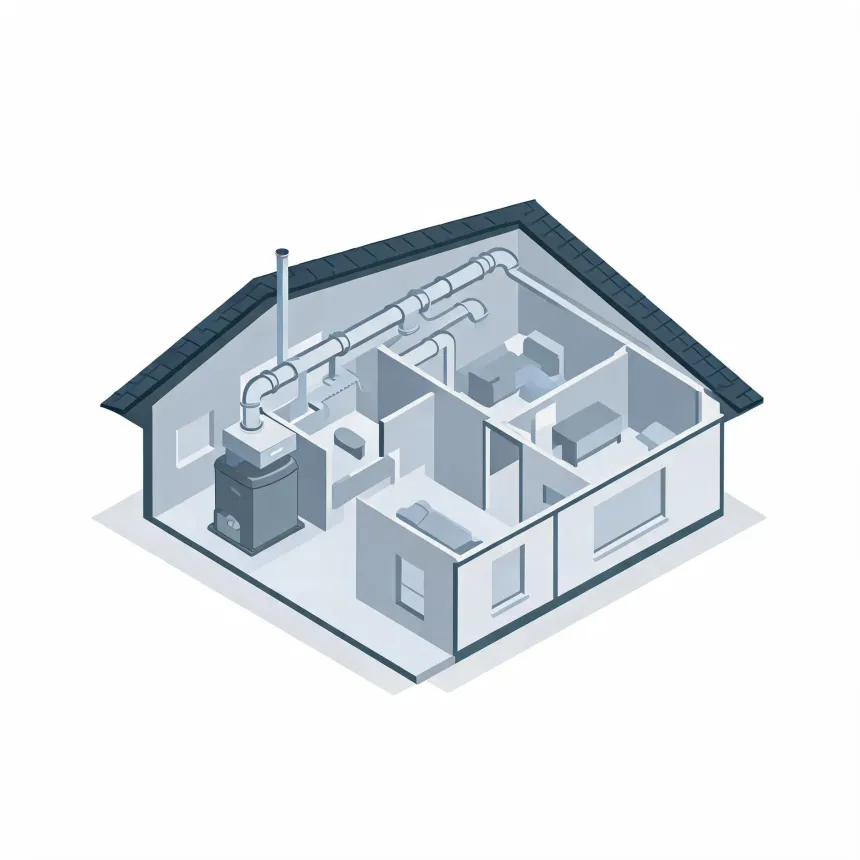
Isometric cutaway illustration of a single-story house showing interior rooms, ductwork running along the ceiling, a flue pipe through the roof, and a dark furnace unit in one corner.
Your furnace works hardest from November through March.

NOAA nClimDiv, 1991–2020 normals

A furnace rarely quits without warning signs first.

Short cycling, a burner flame that's yellow instead of blue, or a blower that won't shut off are all worth a call before the furnace stops for good.

Half these homes are newer, and the furnace usually matches the house

Half the homes here were built by 1982
Climate zone 6B
Heat runs September through May
The first cold snap in September finds every weak partFurnaces here sit idle through summer, then get asked to run nine months straight starting in September.

If your furnace came in when the house did, and the house went up anywhere near 1982 or later, there's a good chance it still has years of working life in it. That's worth finding out before anyone talks about replacing it. A contractor can read the age straight off the nameplate in a couple of minutes. If the furnace is within its expected life, the straightforward move is usually a repair. Mobile homes run a different furnace setup with its own wear points, so that nameplate check matters just as much there, maybe more.

Get it diagnosed against what this furnace actually runs through

Ninety-six winter storms hit Alamosa County between 2015 and 2024. Each one leans on a furnace that's already running nine months straight. A contractor who checks the problem against that kind of workload can tell you whether it's a quick fix or something further along, and fix the part that's actually failing.

Find a contractor
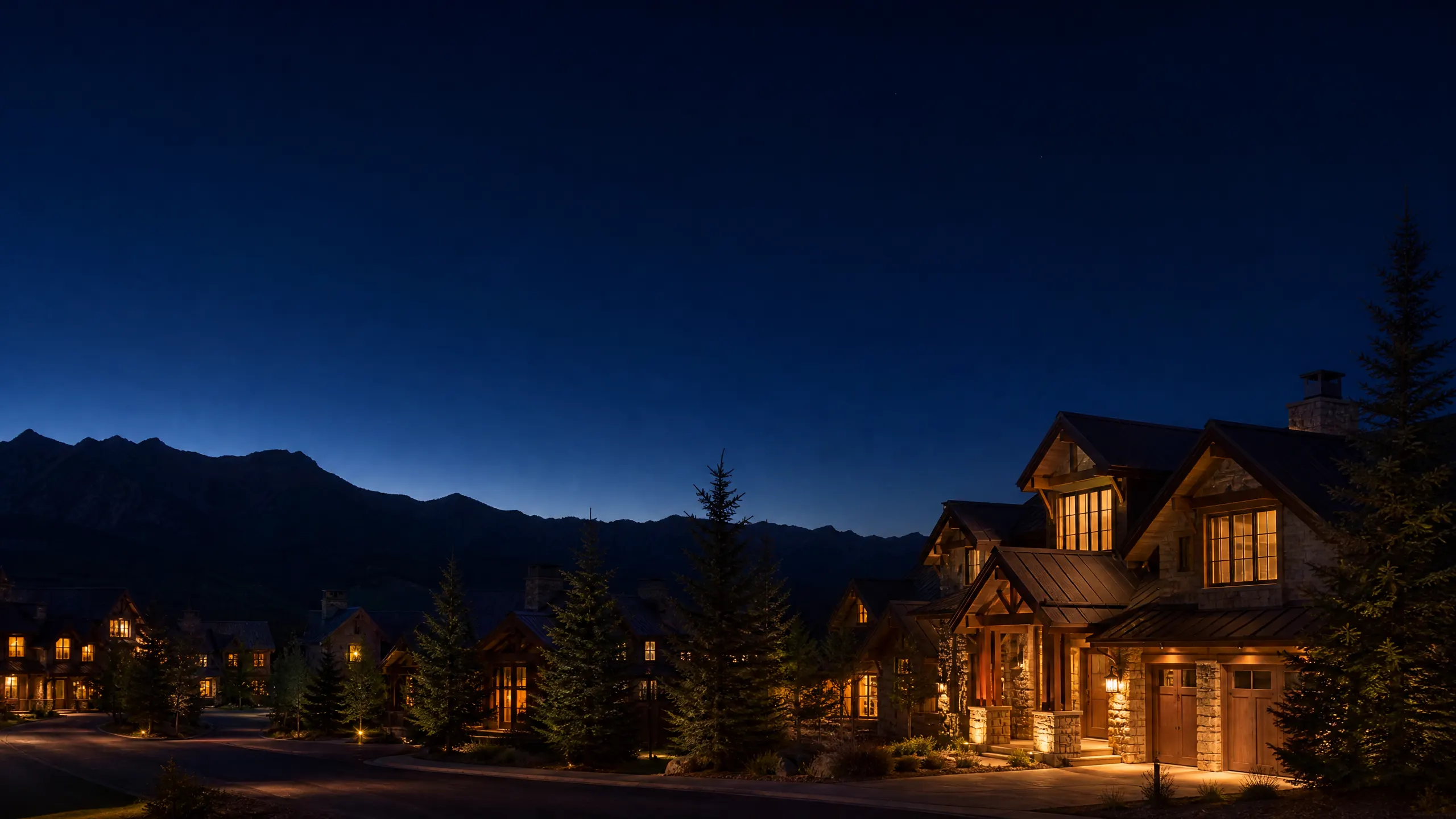
A gray high-efficiency gas furnace installed in an unfinished basement, surrounded by gas lines, a condensate drain, and sheet-metal ductwork.

Why letting it run makes some problems worse

A cracked heat exchanger is the clearest case. Keep running the furnace and combustion gas can leak into the air the blower pushes through the house. A limit switch will sometimes shut the burner down on its own before that happens, but the switch is a backstop, not a fix. A blower motor losing a bearing is the same idea on a slower clock. It gets hotter and louder as it goes, and most of them will run right up until they seize. Letting that happen usually means replacing the motor instead of the bearing. Even something as small as a dirty flame sensor fits the pattern. It starts as a furnace that short cycles once in a while and ends as a furnace that won't stay lit at all, once enough soot builds up on the rod. None of these get better by running longer. They get further along.

Most failures start with ignition or airflow

A furnace usually goes down one of two ways. Either it won't light, or it lights and then can't keep air moving right. The igniter cracks or weakens with age and stops glowing hot enough to catch the gas. The flame sensor coats with soot and quits telling the control board a flame is present, so the gas valve shuts back off. Flip the problem around and it's airflow: a dirty filter chokes the system, the blower motor struggles against that restriction, and parts start running hotter and failing sooner than they should.

Age wears specific parts, not the whole machine

A furnace doesn't fail all at once. The heat exchanger is usually the part that defines its life, since it expands and contracts every single cycle and eventually cracks from that fatigue. Capacitors that help start the blower motor weaken years before they fail outright. Pressure switches and limit switches are built to fail safe, so one tripping doesn't always mean it's broken. It might mean it's doing its job and something upstream needs attention.

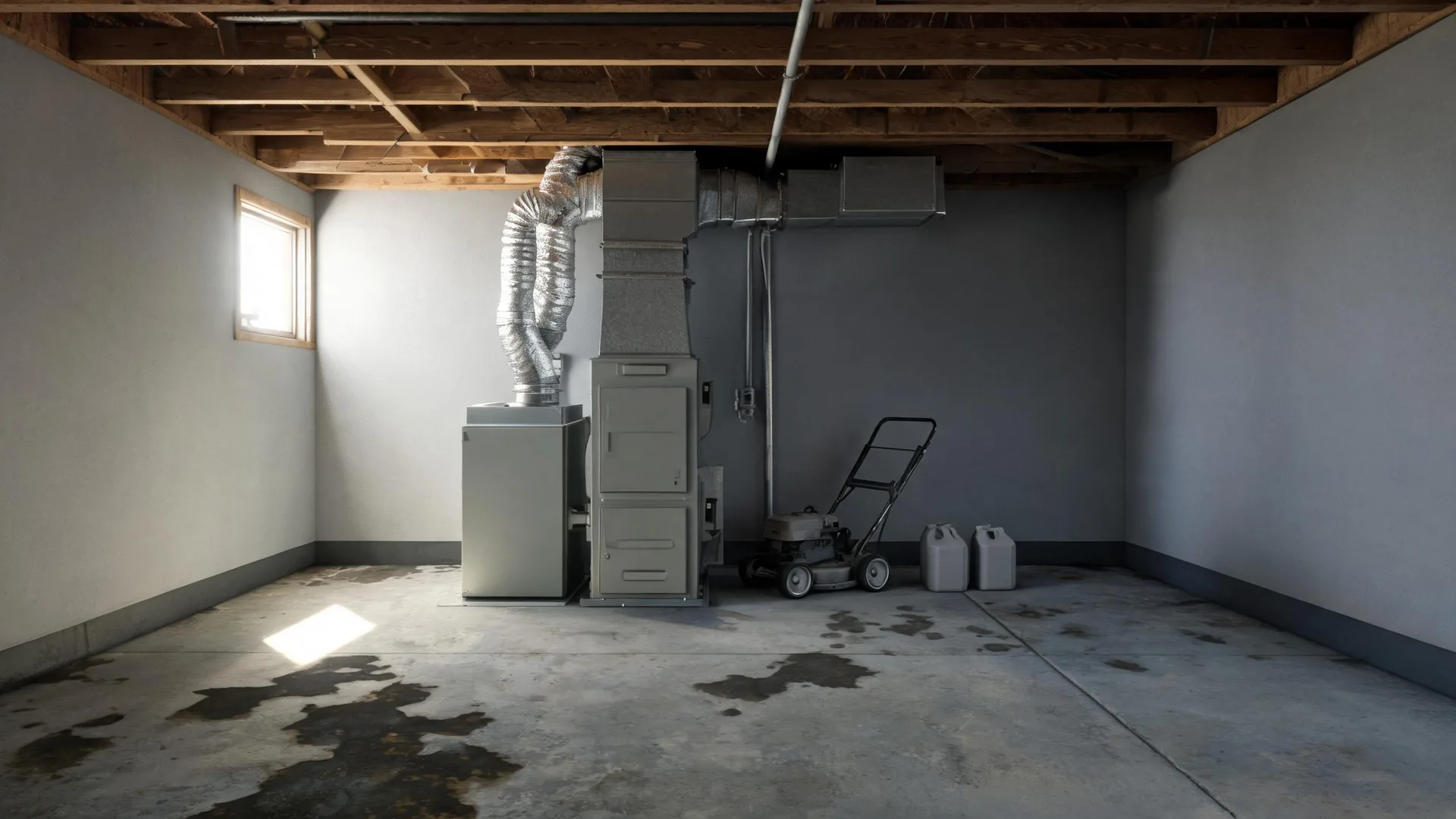
A gas furnace and sheet-metal air handler unit installed in an unfinished concrete basement.

A new furnace would cut about $120 a year off heating for a typical Alamosa County home.

  • A new high-efficiency furnace$510 a year
  • An older furnace$630 a year

Estimates for a typical Alamosa County home, compared with an older unit built to the previous federal minimum, from EIA household energy data, Colorado fuel prices and NOAA climate normals. Your home will differ.

Repair makes sense when one part has failed and the heat exchanger is sound.

Replacement makes sense when the heat exchanger is cracked or the furnace keeps needing parts.

Not every furnace problem means a new furnace, and not every repair is worth doing either. A cracked heat exchanger is usually the end of the road, since it's not a part most contractors will patch and running it is a safety problem, not just a comfort one. A failed igniter or a bad flame sensor is the opposite case. Those are routine swaps on almost any furnace, worth doing regardless of the unit's age. The harder calls sit in between: a blower motor on its way out, a control board acting up, a pressure switch that keeps tripping. For those, what matters is whether the rest of the furnace is sound. A furnace that's needed three or four different repairs in as many years is telling you something a single repair bill won't. One that's run clean until now and hit one failure is a different machine, even if the part costs the same to fix.