

An unfinished basement featuring concrete block walls, exposed floor joists, a bare concrete floor, and a forced-air furnace with a large metal exhaust duct in the corner.

Furnace Repair in Pueblo, CO

Tell us about the job

Takes about a minute. No obligation.

Step 1 of 3: Equipment

Pueblo County saw 552 severe weather events between 2015 and 2024. Winter storms alone accounted for 184 of those, and damaging wind hit the county 209 times in the same stretch. A furnace doesn't take the direct hit that an outdoor AC unit does, but what comes with these storms still matters to it. Power is part of running a gas furnace, from the control board to the blower motor, and a county that sees this much severe weather sees outages with it. If your furnace was already acting up before a storm came through, that's worth a closer look, not something to wait out.

8 months
October through May, your furnace is on duty
19°F
the average winter night it heats against
76%
of homes here heat with gas, so most furnaces here burn gas
184 winter storms
in ten years, the nights a failure hurts most
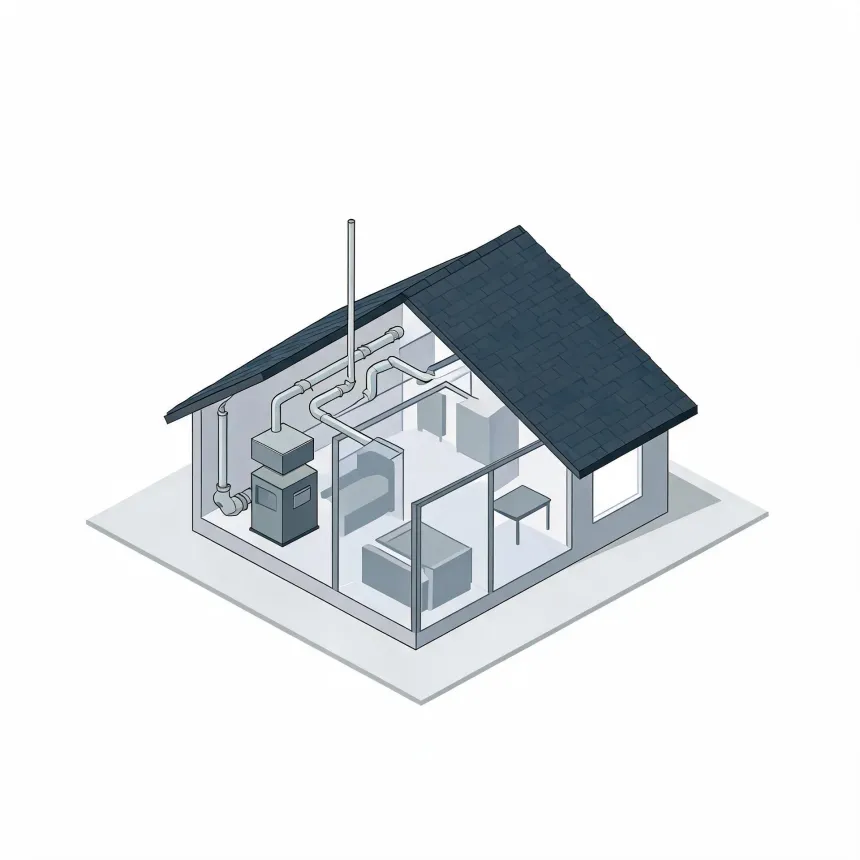
Isometric cutaway illustration of a small house with a dark shingled roof, showing an interior furnace unit, ductwork, and a flue pipe extending through the roof.
Your furnace works hardest from November through March.

NOAA nClimDiv, 1991–2020 normals

A furnace that short cycles is shutting off before the air even gets warm.

That's not a settings problem. Something is telling it to stop, and it needs to be found before it quits for good.

Eight months of heat, run by a furnace that can't afford to quit

Heat runs October through May
Winter nights average 19°F
184 winter storms from 2015 to 2024
Ready before OctoberFurnaces in Pueblo County run from October through May. Whatever's wrong now only gets worse once that load hits.

Eight months of heat is a long stretch to ask one furnace to cover without a break. October through May, it's the only thing standing between the house and whatever the weather is doing outside, and in Pueblo County that's not nothing. When a furnace this age or this worked starts acting up, the cause is rarely a mystery part. It's wear from a long season, and it shows up as a strange noise, a short cycle, a pilot that won't hold. A proper diagnosis finds which part gave out and why, not just the symptom in front of you. That's the difference between a fix that holds through the rest of winter and one that sends someone back out in a month.

Get it checked before the power goes out

If your furnace was already due for a look before the next storm knocks the power out, get it checked now. A furnace that's already struggling won't take an outage well, and this county sees its share of them.

Find a contractor
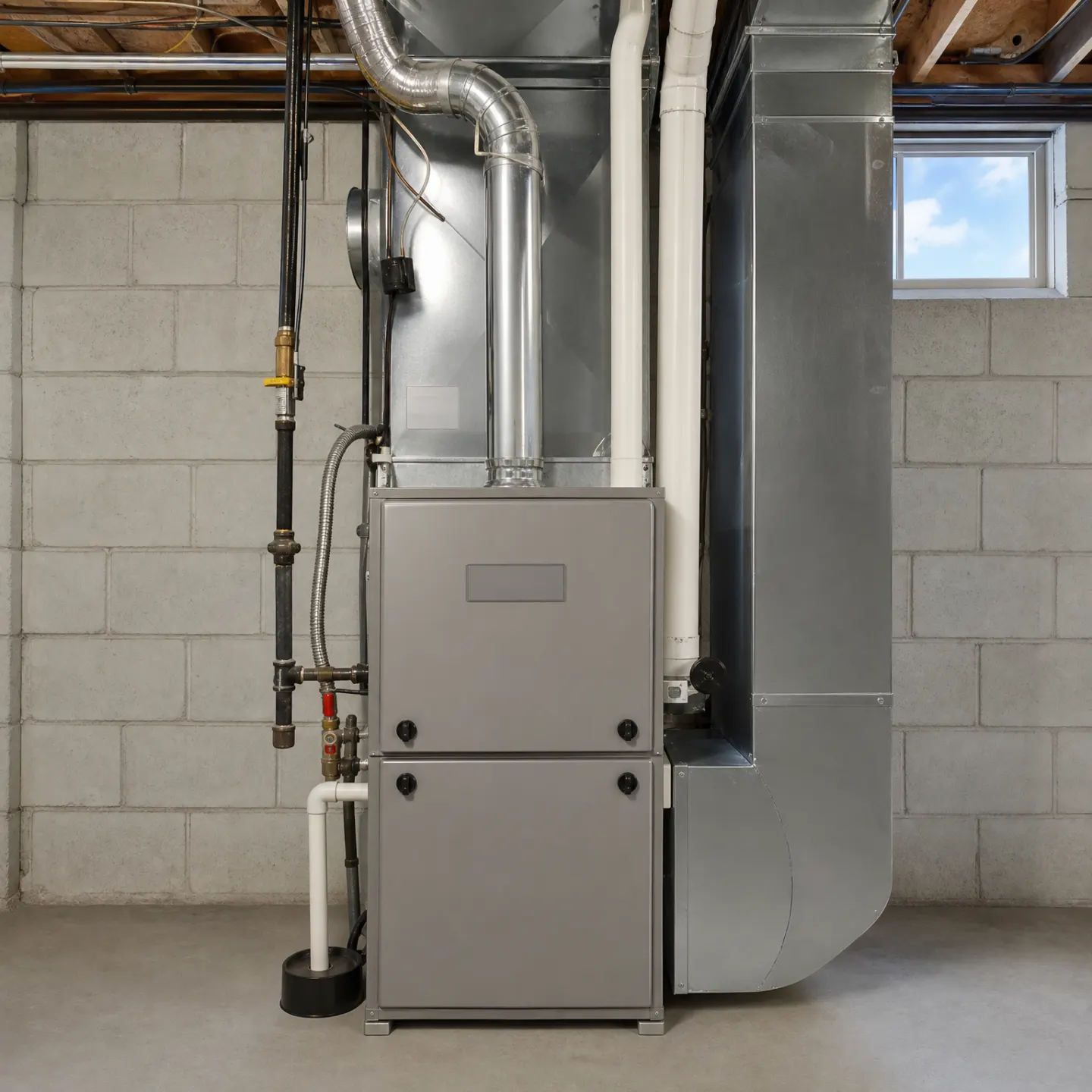
A gray high-efficiency gas furnace installed in an unfinished basement, surrounded by gas lines, a condensate drain, and sheet-metal ductwork.

Why running it anyway makes the repair bigger

A furnace that's struggling still finds a way to limp along, and that's what makes it easy to ignore. A cracked heat exchanger will keep heating while it cracks further. A failing igniter will keep lighting, weaker each time, until the day it doesn't. A blower motor with a bad bearing will keep turning while the bearing wears through. None of these stop the furnace from running today. They just make tomorrow worse. Heat moves through metal, and metal expands and contracts every time the burner fires and shuts off. A hairline crack in a heat exchanger opens a little wider with every cycle it's asked to complete. A pilot or igniter that's already struggling has to work harder each time it fires, and each hard start shortens what's left of it. The part that would have lasted another month gets asked to run every day without a break, and it doesn't get that month.

What's safe to check yourself

Look at the thermostat first. Make sure it's set to heat and the set temperature is actually above room temperature. Check the furnace switch, the one that looks like a light switch near the unit or on the way down the basement stairs, and make sure nobody bumped it off. Check the breaker it runs on. If the furnace uses a standing pilot, look for the small flame through the viewing window. If you see no flame, the pilot may need relighting by hand, and the furnace manual will show how. Change the filter if you haven't in a while. A filter packed with dust chokes airflow and can cause a lot of what looks like a bigger problem.

What to leave alone

Don't take the burner compartment apart or go near the gas valve, the igniter or the flame sensor. These sit close to a live flame and a gas line, and they're not forgiving of a wrong move. If you smell gas, don't flip switches or look for the leak yourself. Leave the house and call the gas company from outside. Don't keep resetting the furnace if it's shutting itself off. A furnace that trips off and stays off is doing that on purpose, usually a safety switch catching something wrong, and forcing it to restart hides the warning instead of fixing it.

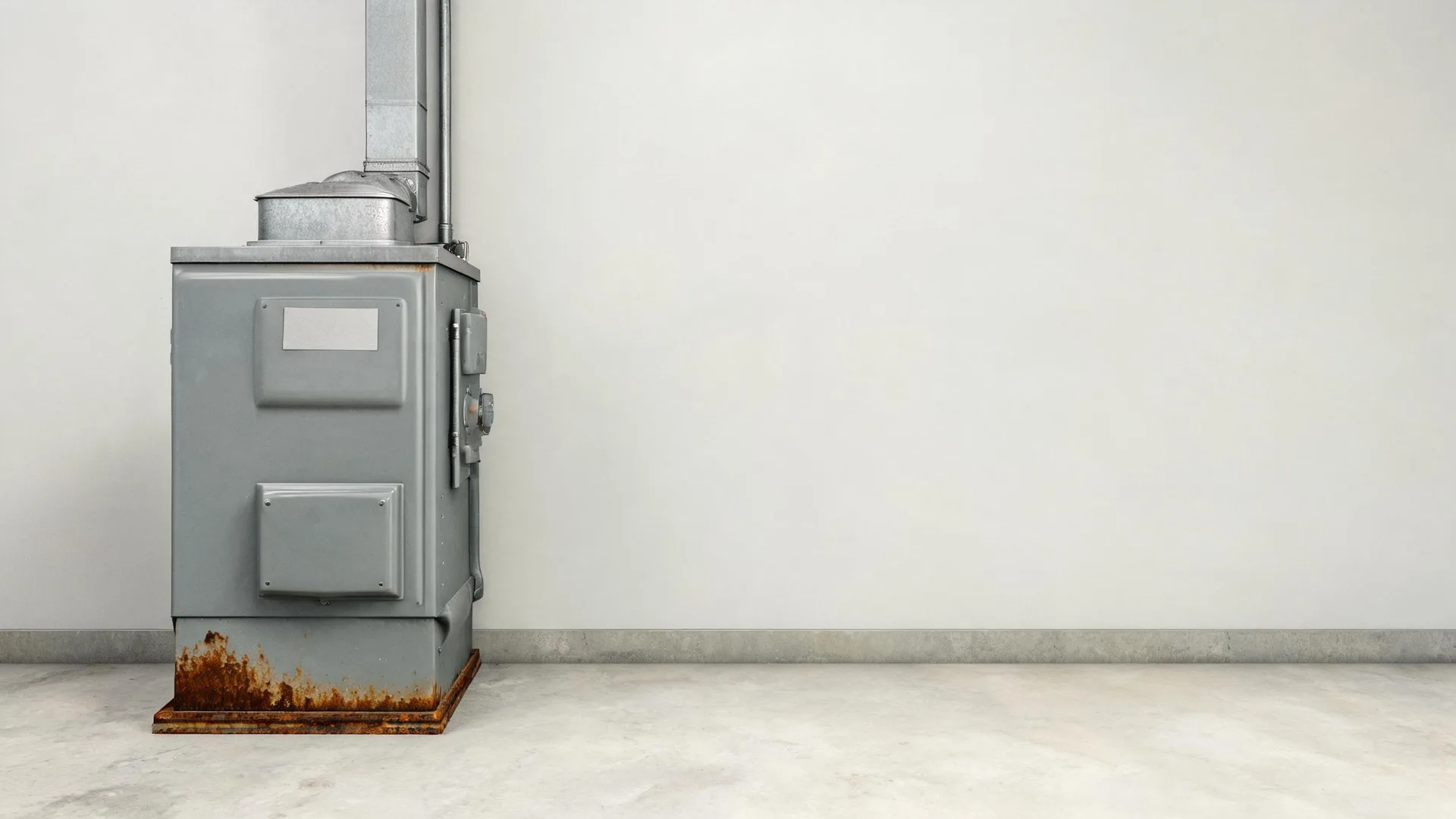
An unfinished concrete basement containing a gas furnace with sheet-metal ductwork, utility shelving, and exposed overhead joists.

A new furnace would cut about $80 a year off heating for a typical Pueblo County home.

  • A new high-efficiency furnace$340 a year
  • An older furnace$420 a year

Estimates for a typical Pueblo County home, compared with an older unit built to the previous federal minimum, from EIA household energy data, Colorado fuel prices and NOAA climate normals. Your home will differ.

Repair makes sense when one part has failed and the heat exchanger is sound.

Replacement makes sense when the heat exchanger is cracked or the furnace keeps needing parts.

A diagnostic visit starts before any panel comes off. A tech asks what the furnace was doing, when it started, and whether it's happened before, because that points to certain parts faster than guessing does. Then comes a look at the whole system running, not just the piece that seems off. Airflow, flame, the sequence the furnace goes through from call for heat to burner firing to blower coming on. Each step either happens the way it should or it doesn't, and where it breaks down says what's failing. Some of this needs meters and gauges, checking voltage at the control board or gas pressure at the valve, readings that don't show up just from watching or listening. By the end, the tech should be able to name the part that's failing and why, not just the symptom that sent someone looking.