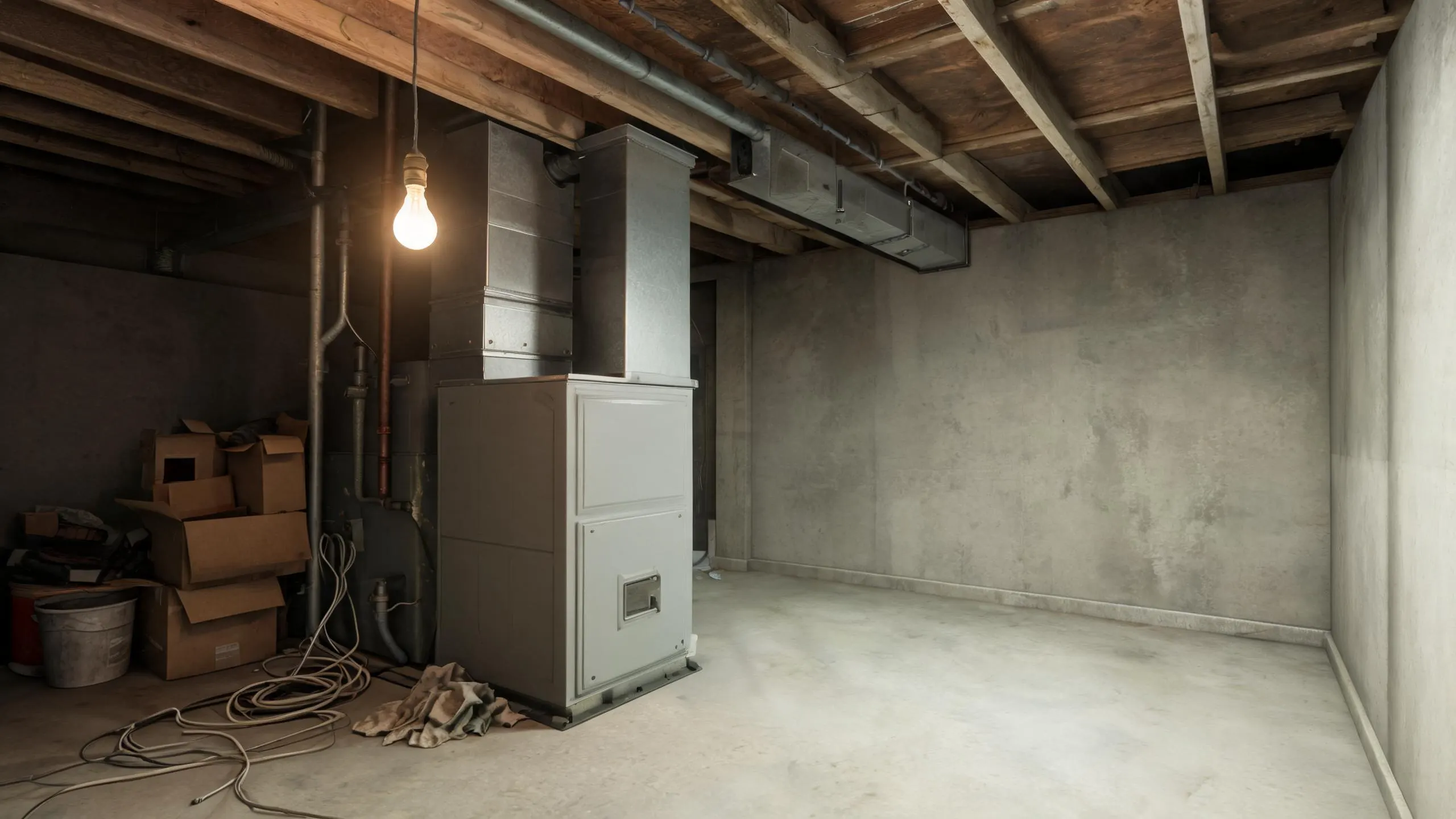
An unfinished concrete basement containing a metal HVAC air handler, exposed wooden ceiling joists with sheet-metal ducts, a hanging bare bulb, copper pipes, and stacked cardboard boxes.

Furnace Repair in Delta, CO

Tell us about the job

Takes about a minute. No obligation.

Step 1 of 3: Equipment

Most furnace trouble traces back to a handful of parts. The igniter is one of the first to go, since it heats up and cools down every time the furnace cycles, and that stress eventually cracks it. The flame sensor gets a thin coating of residue over time and stops telling the control board that a flame is lit, so the system shuts itself down as a safety measure. Blower motors wear out from running hour after hour, and a failing one often sounds louder or weaker before it quits. Dirty air filters cause a lot of these problems indirectly, since restricted airflow makes the whole system run hotter and harder than it should. Keeping that filter clean is the simplest thing an owner can do to keep the rest of the parts from wearing out early.

9 months
September through May, your furnace is on duty
17°F
the average winter night it heats against
51%
of homes here heat with gas, so most furnaces here burn gas
192 winter storms
in ten years, the nights a failure hurts most
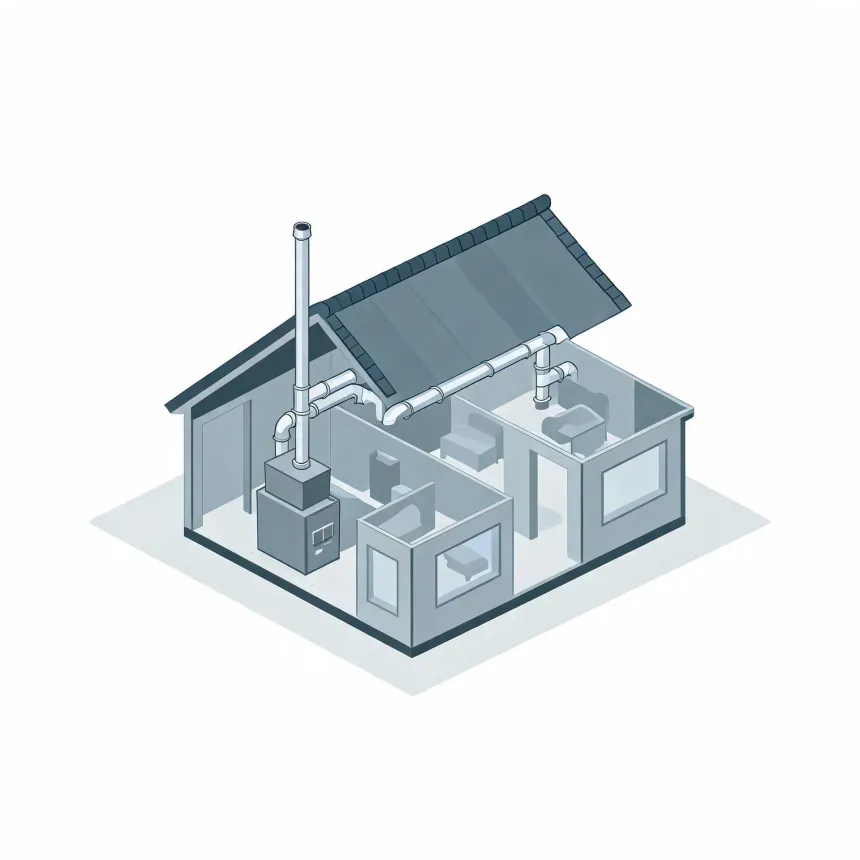
Isometric grayscale illustration of a cutaway house showing an interior furnace with a tall flue pipe and ductwork running to rooms under a partially lifted roof.
Your furnace works hardest from November through April.

NOAA nClimDiv, 1991–2020 normals

A furnace rarely fails all at once.

The short cycling and cold air blowing now are what a bad part looks like before it quits for good.

Nine months of heat a year wears parts down faster than a mild climate ever would

Heat runs September through May
Winter nights average 17°F
192 winter storms from 2015 to 2024

A diagnostic visit starts before the panel comes off. A tech asks what the furnace was doing: short cycling, blowing cold, not starting at all, making a new noise. Then they watch it run through a cycle, because a lot of faults only show up at ignition or a few minutes in. They will pull the igniter and check it for a crack or a weak glow, test the flame sensor for a clean signal, and check the pressure switch and limit switch to see if either is tripping when it shouldn't. Airflow gets checked too, since a clogged filter or blocked vent can mimic a dying part that's actually fine. The goal is to find the one thing actually causing the symptom, not to start swapping parts and see what helps.

Nine months of heat a year means this furnace has earned its trouble

Furnaces in Delta County run nine months out of the year, September through May. That's most of the year spent cycling on and off, heating up and cooling down. Add in the winter storms this county sees most years, and the system rarely gets a break long enough to coast. Parts wear on that schedule, not a calendar. A proper diagnosis finds the part actually failing instead of guessing, so the repair holds.

Find a contractor
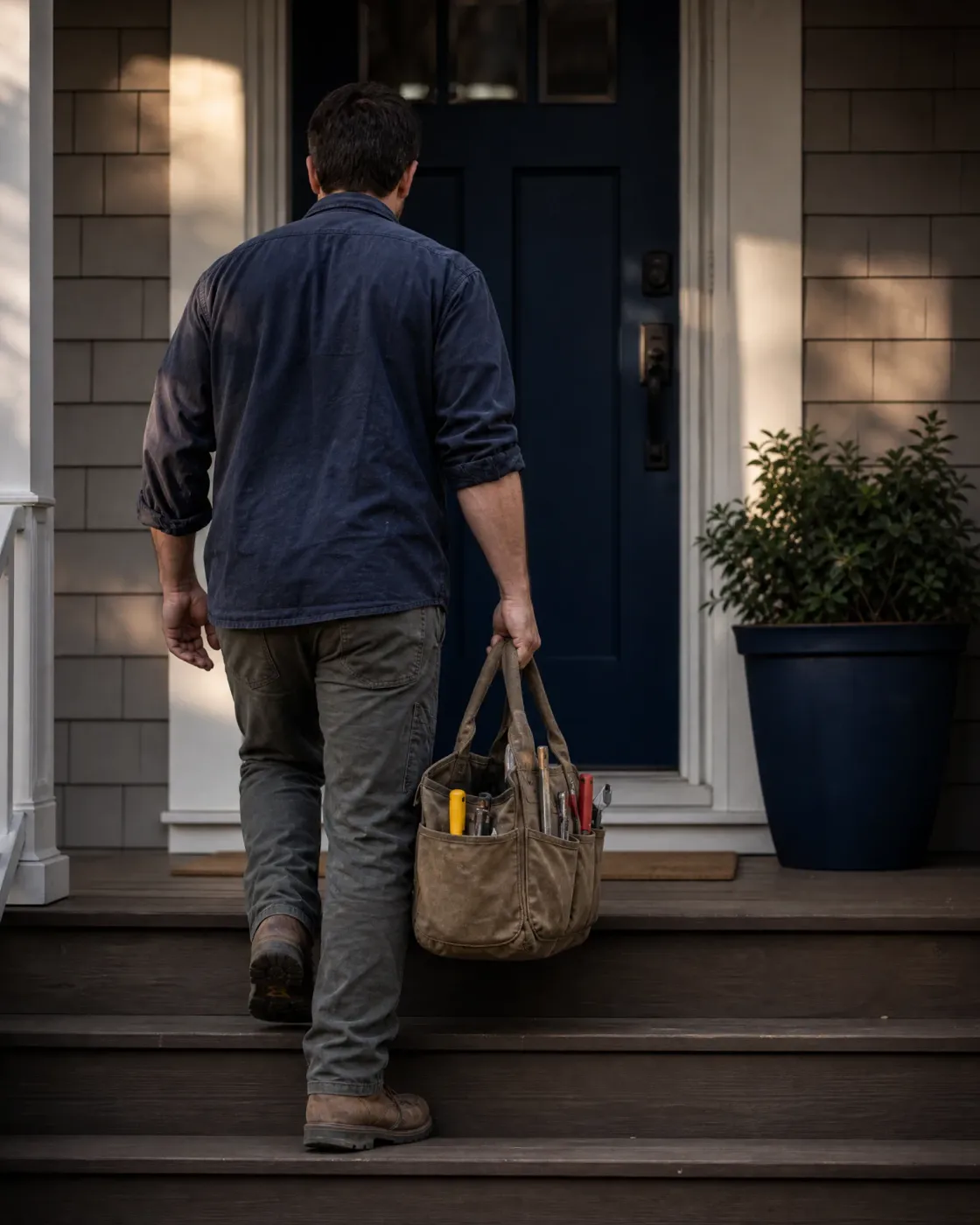
A man in a dark shirt and work boots carries a canvas tool bag filled with tools up wooden porch steps toward a navy blue front door of a shingled house, with a potted shrub to the right.
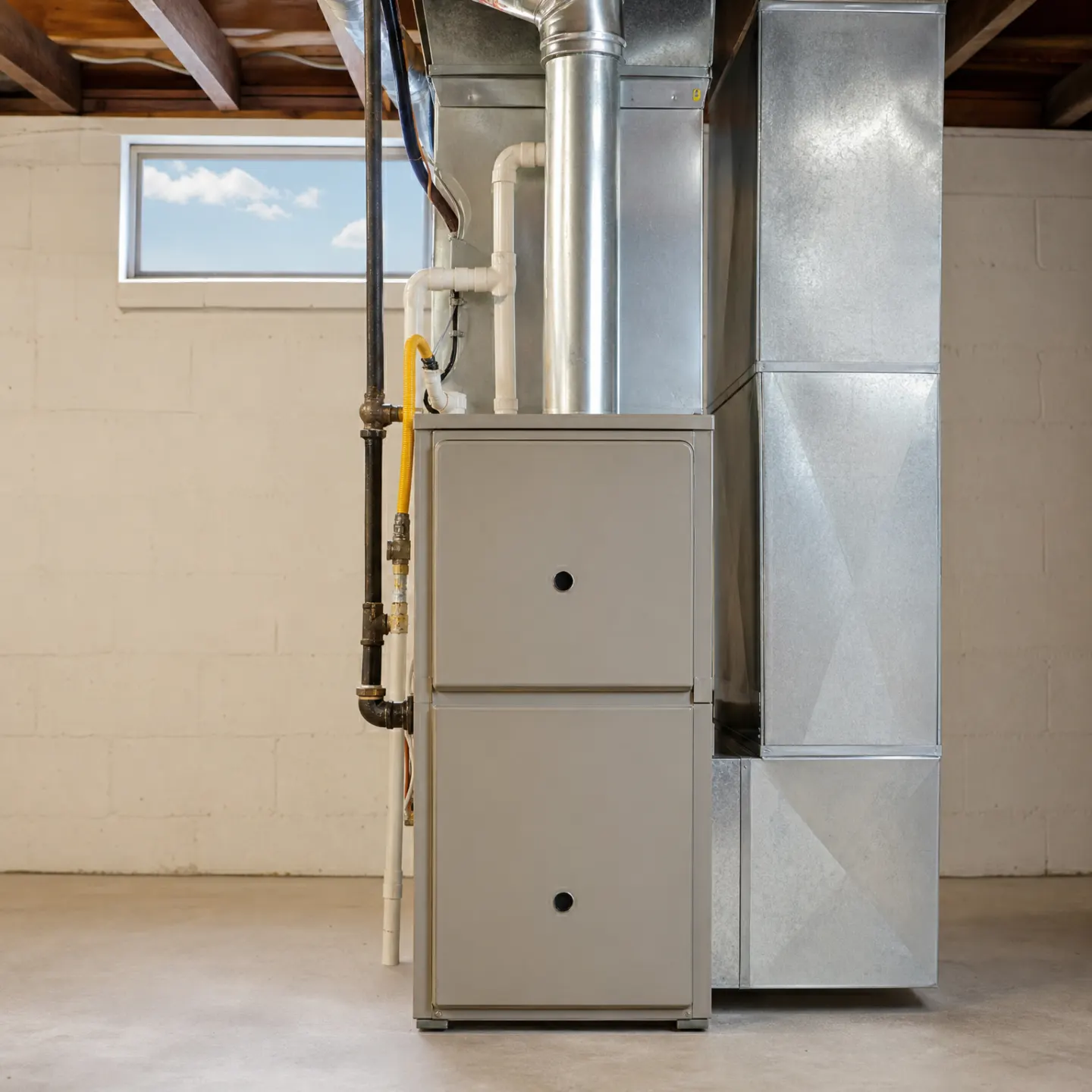
A gas furnace with attached ductwork, gas piping, and condensate lines installed in a concrete-block basement.

What to check before you call anyone

Before anyone comes out, a few things take two minutes to check and rule out the easy answers. Look at the thermostat first. Make sure it's set to heat, not just on, and that the set temperature is actually above room temperature. Check the furnace switch, the one that looks like a light switch on or near the unit, and make sure it hasn't been bumped off. Go to the breaker panel and see if the furnace breaker tripped. If the furnace has a standing pilot, check whether it's lit; if it uses an igniter instead, you won't see a flame to check, but you may hear a click or a faint glow through the viewing window right before it fires. Pull the filter and hold it up to a light. If you can't see light through it, that alone can cause short cycling or cold air blowing, and swapping it might solve the problem outright. Last, check that the vents and the return are open and not blocked by furniture or rugs. None of this involves taking the cabinet apart or touching gas lines or wiring. If the furnace still won't run right after these checks, the problem is inside the unit, and that's where it needs a tech, not a screwdriver.

A small fault turns into a bigger one

A cracked igniter or a dirty flame sensor doesn't always stop the furnace outright. Sometimes it just fails to light cleanly, so the system tries again, and again. Each failed attempt is a small jolt to the parts around it, the hot surface components, the gas valve, the control board. What started as one weak part can take others down with it if the furnace keeps trying to run through the fault instead of getting shut down and looked at.
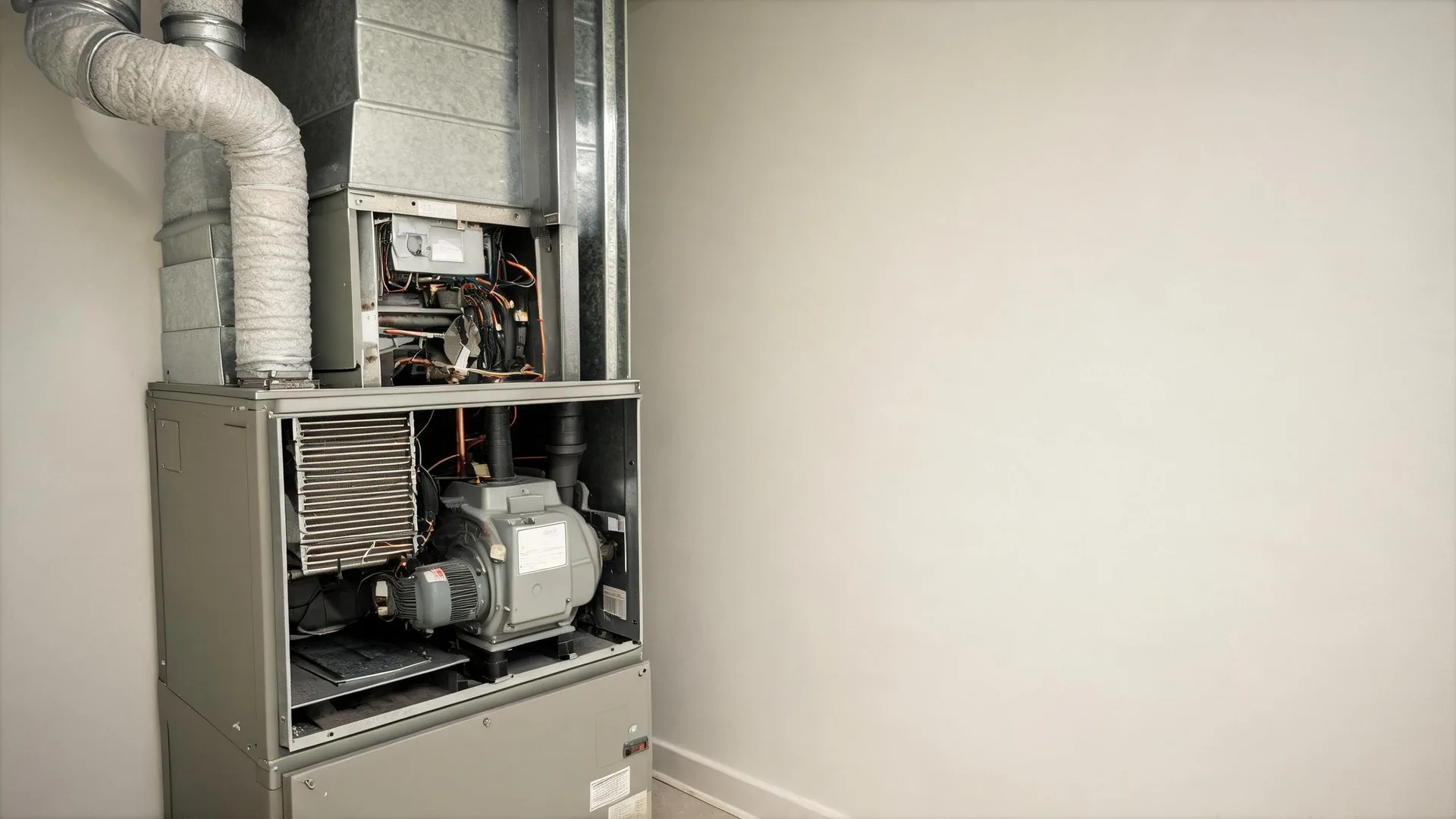
Running hot hides the real problem

A furnace that's short cycling or struggling to stay lit is often also running hotter than it should, especially if airflow is restricted at the same time. Heat that isn't carried away fast enough bakes the heat exchanger and stresses the limit switch. Letting it keep running on a hunch that it'll sort itself out usually just adds a second failure to the first one, and the one underneath is often the harder, costlier fix.

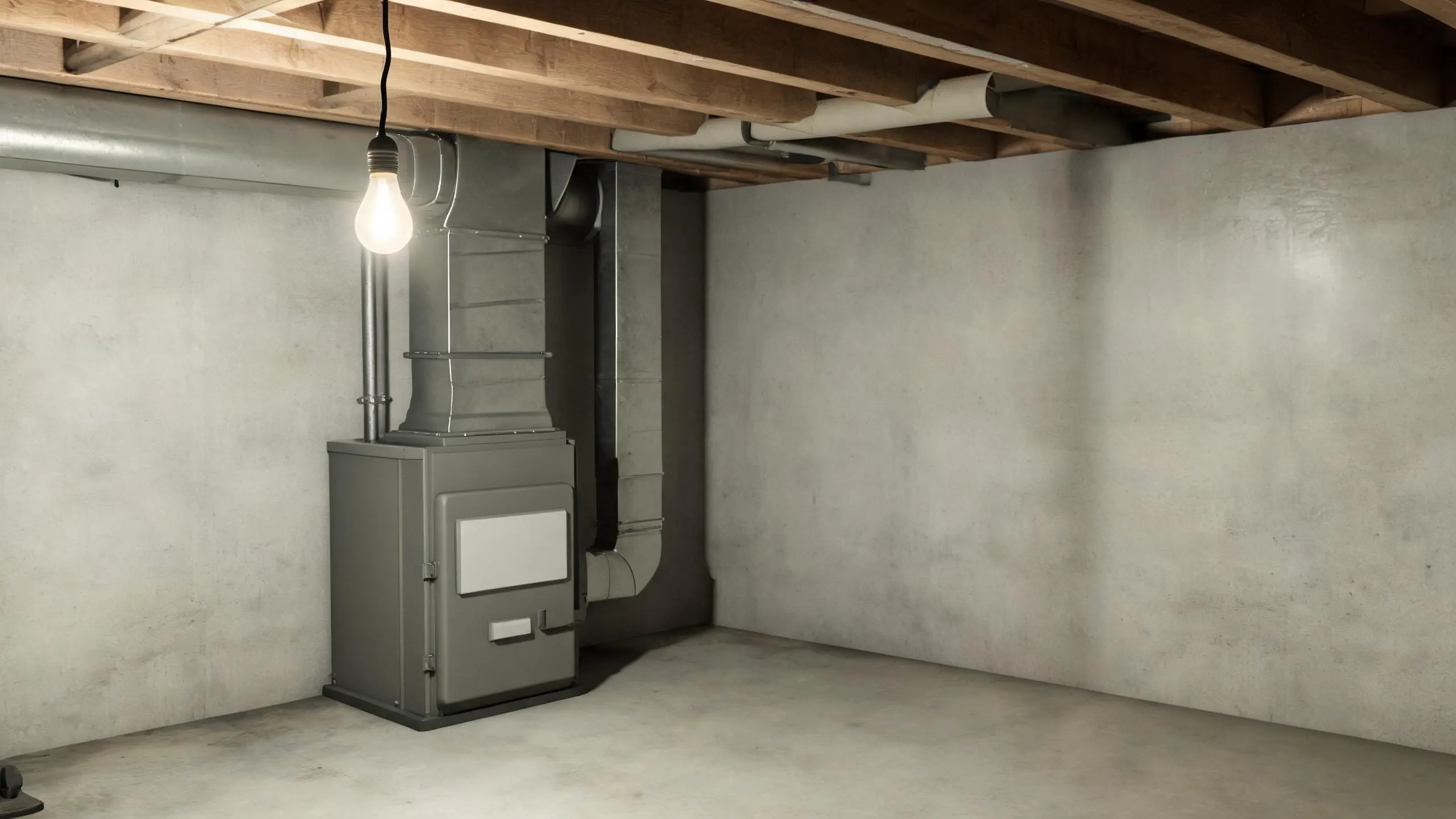
A bare concrete basement containing a gray gas furnace with metal ductwork and a vertical flue pipe, lit by a single hanging bulb.

A new furnace would cut about $110 a year off heating for a typical Delta County home.

  • A new high-efficiency furnace$430 a year
  • An older furnace$540 a year

Estimates for a typical Delta County home, compared with an older unit built to the previous federal minimum, from EIA household energy data, Colorado fuel prices and NOAA climate normals. Your home will differ.

Repair makes sense when one part has failed and the heat exchanger is sound.

Replacement makes sense when the heat exchanger is cracked or the furnace keeps needing parts.

A repair is worth making when the failure is a single part and the rest of the furnace is sound. An igniter, a flame sensor, a pressure switch, these fail on their own and swapping the bad one brings the furnace back to normal. Replacement starts making more sense when the failures stack up, one part fixed this year and a different one next year, because that pattern usually means the whole unit is aging out rather than one piece drawing the short straw. The heat exchanger matters most in that decision. It's the part that actually contains the flame and transfers heat into the air, and it isn't something a tech replaces lightly. A cracked one is a safety problem, not a wear item to patch. Age plays a role too, but mainly in how it shapes the other two: an older furnace has more worn parts waiting their turn, and finding one failure often means others are close behind.