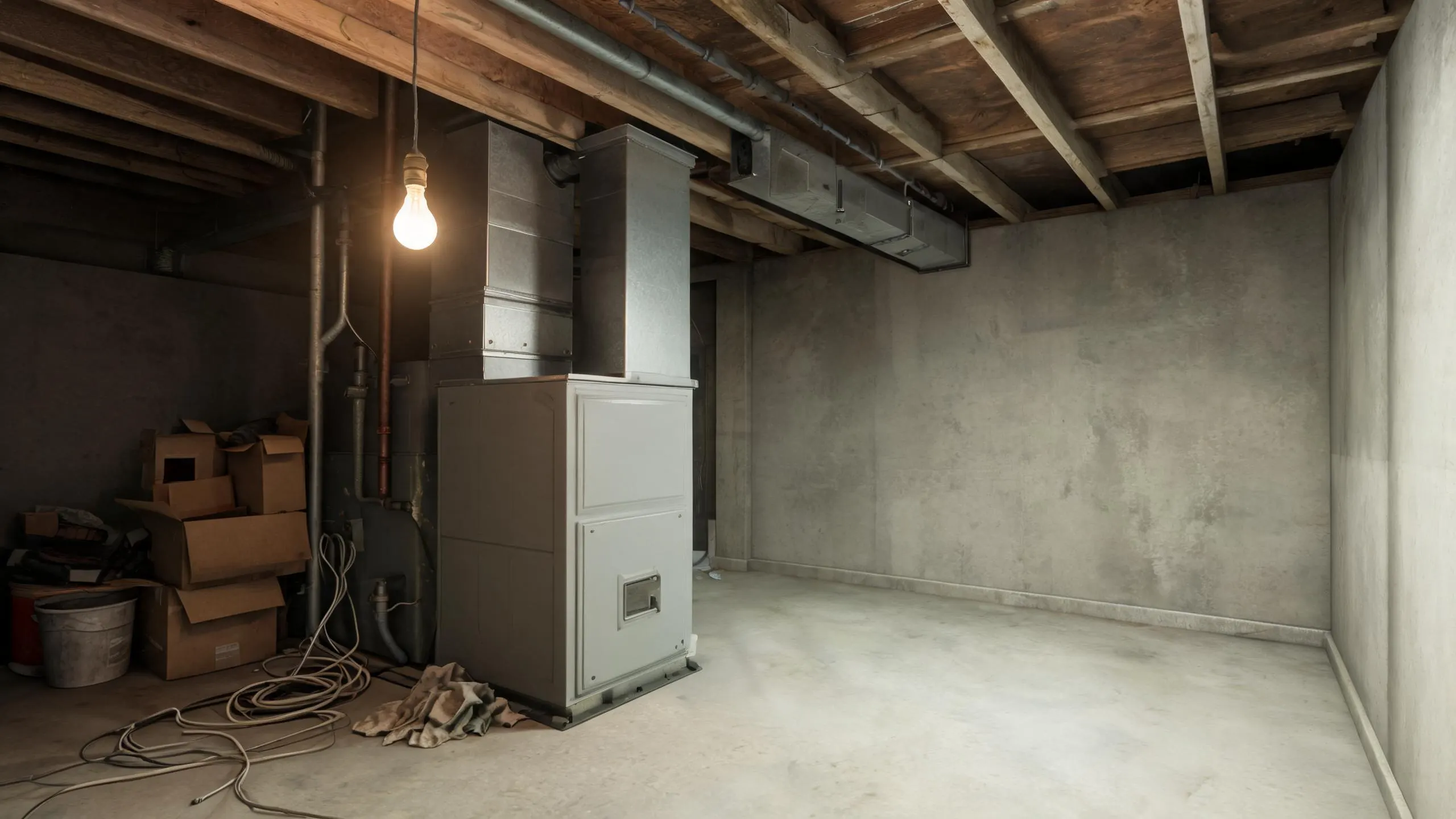

An unfinished concrete basement containing a metal HVAC air handler, exposed wooden ceiling joists with sheet-metal ducts, a hanging bare bulb, copper pipes, and stacked cardboard boxes.

Furnace Repair in Lakewood, CO

Tell us about the job

Takes about a minute. No obligation.

Step 1 of 3: Equipment

Jefferson County logged 381 severe weather events between 2015 and 2024. Hail showed up 152 times in that span, and damaging wind another 114. That's not a quiet record. A furnace itself sits inside, but the outdoor parts of a heating and cooling system still take the hit from hail and wind-blown debris, and a unit that got pelted can keep running for a while before the damage shows up as a real problem. Winter storms hit 113 times over the same years, which matters more once you add power into it. About 13% of Colorado households went at least a day without power in 2024. A gas furnace still needs electricity to run its blower and controls, so an outage takes it down right when a storm is at its worst.

9 months
September through May, your furnace is on duty
18°F
the average winter night it heats against
72%
of homes here heat with gas, so most furnaces here burn gas
113 winter storms
in ten years, the nights a failure hurts most
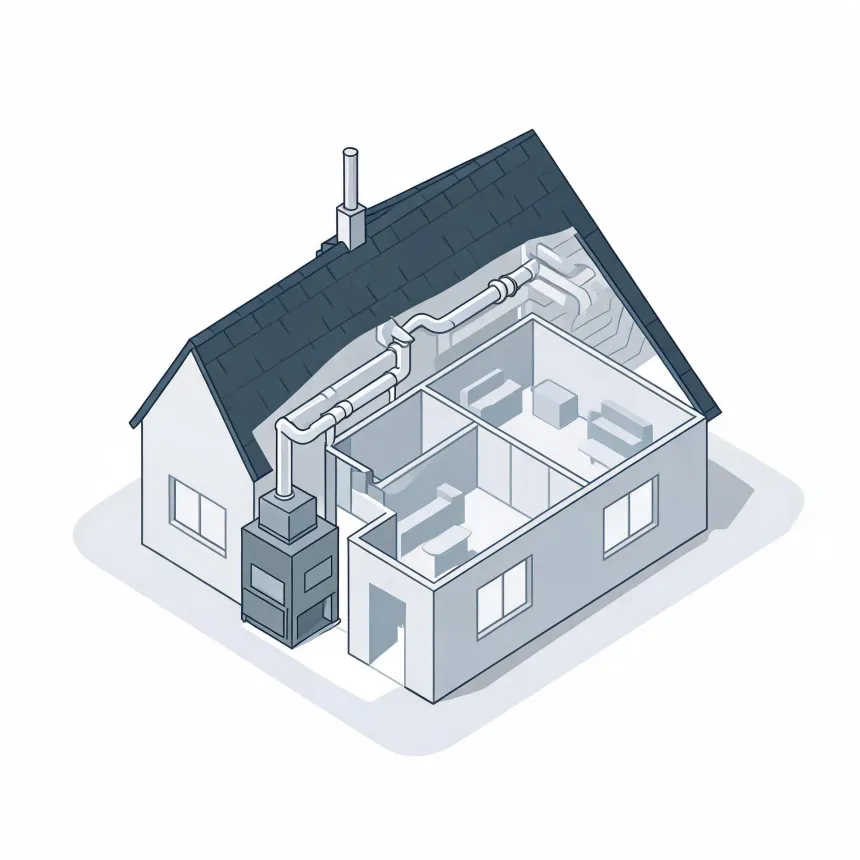
Isometric line illustration of a cutaway single-story house with a dark shingled roof, showing interior rooms and ductwork connected to a gray furnace unit with a flue pipe.
Your furnace works hardest from October through April.

NOAA nClimDiv, 1991–2020 normals

Furnaces in Jefferson County start working in September and run through May.

A part that was already marginal tends to fail in those first cold weeks, not mid-winter.

Half the homes here were built in 1980 or later, so the furnace may still have years left

Half the homes here were built by 1980
Climate zone 5B
Heat runs September through May
Nine Months of Work a YearFurnaces in Jefferson County run from September through May, longer than most places ask of them.

If your furnace came with a newer build here, get it repaired rather than start pricing a replacement. A furnace that failed once during a storm or a cold snap doesn't mean the unit is done. Have the technician confirm what actually broke before you decide it's time for something new. Ask whether the part that failed is specific to your furnace or a sign of wider wear, since that answer tells you more than its age does.

Get the outdoor unit checked after the last storm, before the next one

If hail or wind came through recently, don't rule out the outdoor unit just because it still runs. Get it looked at before the next storm finds the weak spot.

Find a contractor
A man in a cap, dark shirt and tan work pants walks up porch steps toward a navy blue front door, carrying a canvas tool bag beside a potted shrub.
A gray residential gas furnace installed in an unfinished basement, surrounded by ductwork, a metal flue pipe, and a gas supply line.

Nine Months a Year Adds Up

Nine months of heat calls on an igniter, a blower motor and a set of controls to cycle on and off more than most furnaces in the country ever have to. That kind of use turns up small failures early, a cracked igniter or a relay that sticks, and those are easy to mistake for something bigger. Before you price a repair, get the actual part named. Knowing whether it's a failed flame sensor or a worn blower bearing tells you if this is a quick fix or the start of a pattern worth watching.

What you can check yourself

Check the thermostat is set to heat and the temperature is actually above room temperature. Look at the furnace door and make sure it's fully latched, since most furnaces have a safety switch there that won't let the blower run if the door is loose. Check the air filter, since one packed with dust can choke airflow enough to trip a switch and shut the whole thing down. If you have a high efficiency furnace, look at the intake and exhaust pipes outside for blockage, ice, or anything stuffed into the opening. Check the breaker for the furnace and the switch that looks like a light switch near the unit, since that's the furnace's power disconnect and it gets bumped off more often than people expect.

What to leave for the technician

If the furnace runs but doesn't heat, or shuts off a few minutes after starting, that points to something electrical or a safety sensor doing its job, and it's not something to force past. A smell of gas means leaving the house and calling the gas utility before anyone touches the furnace again. Listen for a repeated clicking without ignition, since that's usually the igniter or flame sensor failing partway, and opening the burner compartment to look closer isn't worth the risk. Once you've checked the simple things and the furnace still won't run right, the next step is a technician with a meter and a combustion analyzer, not more guessing.

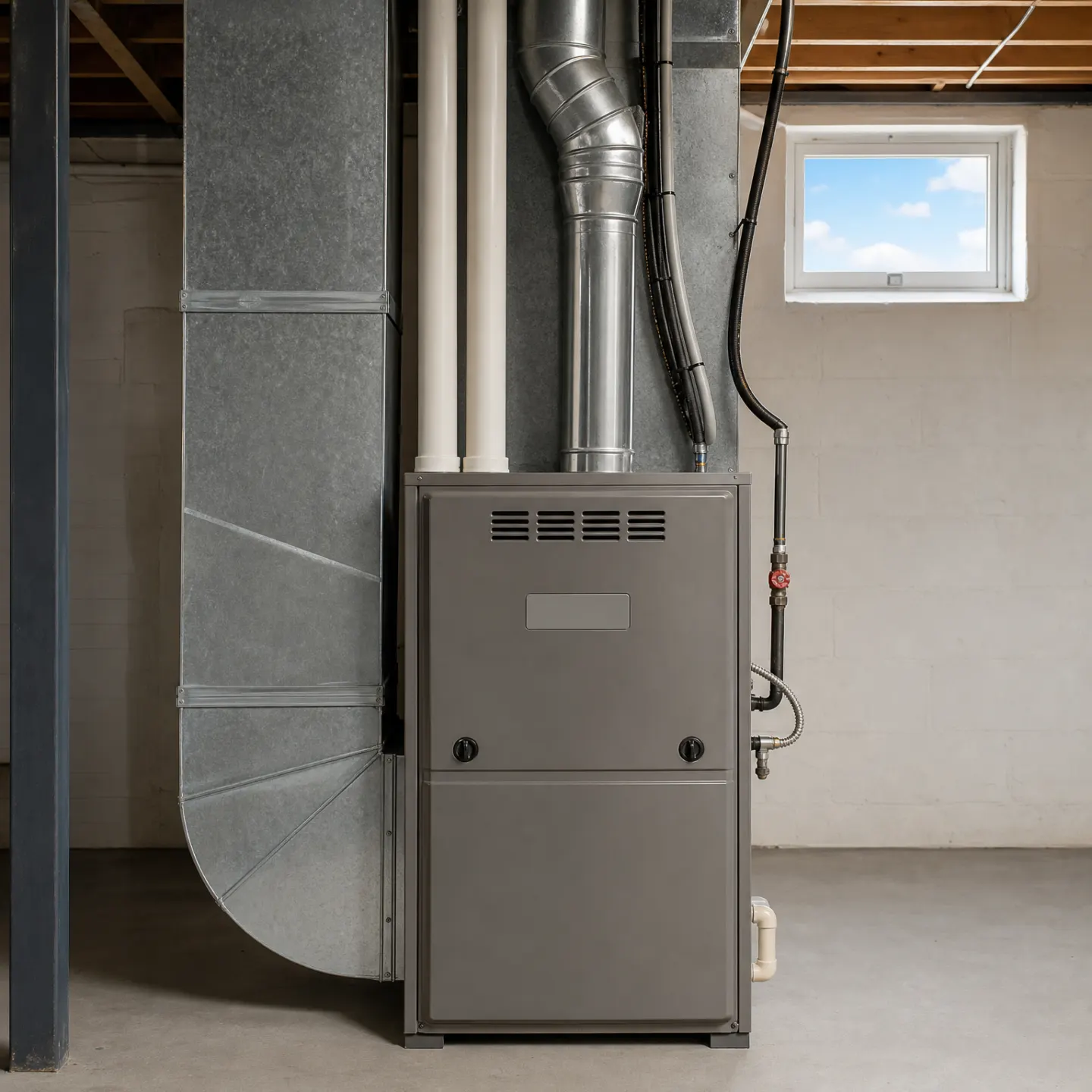
A gas furnace with sheet-metal ductwork and PVC pipes installed in an unfinished basement.

A new furnace would cut about $110 a year off heating for a typical Jefferson County home.

  • A new high-efficiency furnace$440 a year
  • An older furnace$550 a year

Estimates for a typical Jefferson County home, compared with an older unit built to the previous federal minimum, from EIA household energy data, Colorado fuel prices and NOAA climate normals. Your home will differ.

Repair makes sense when one part has failed and the heat exchanger is sound.

Replacement makes sense when the heat exchanger is cracked or the furnace keeps needing parts.

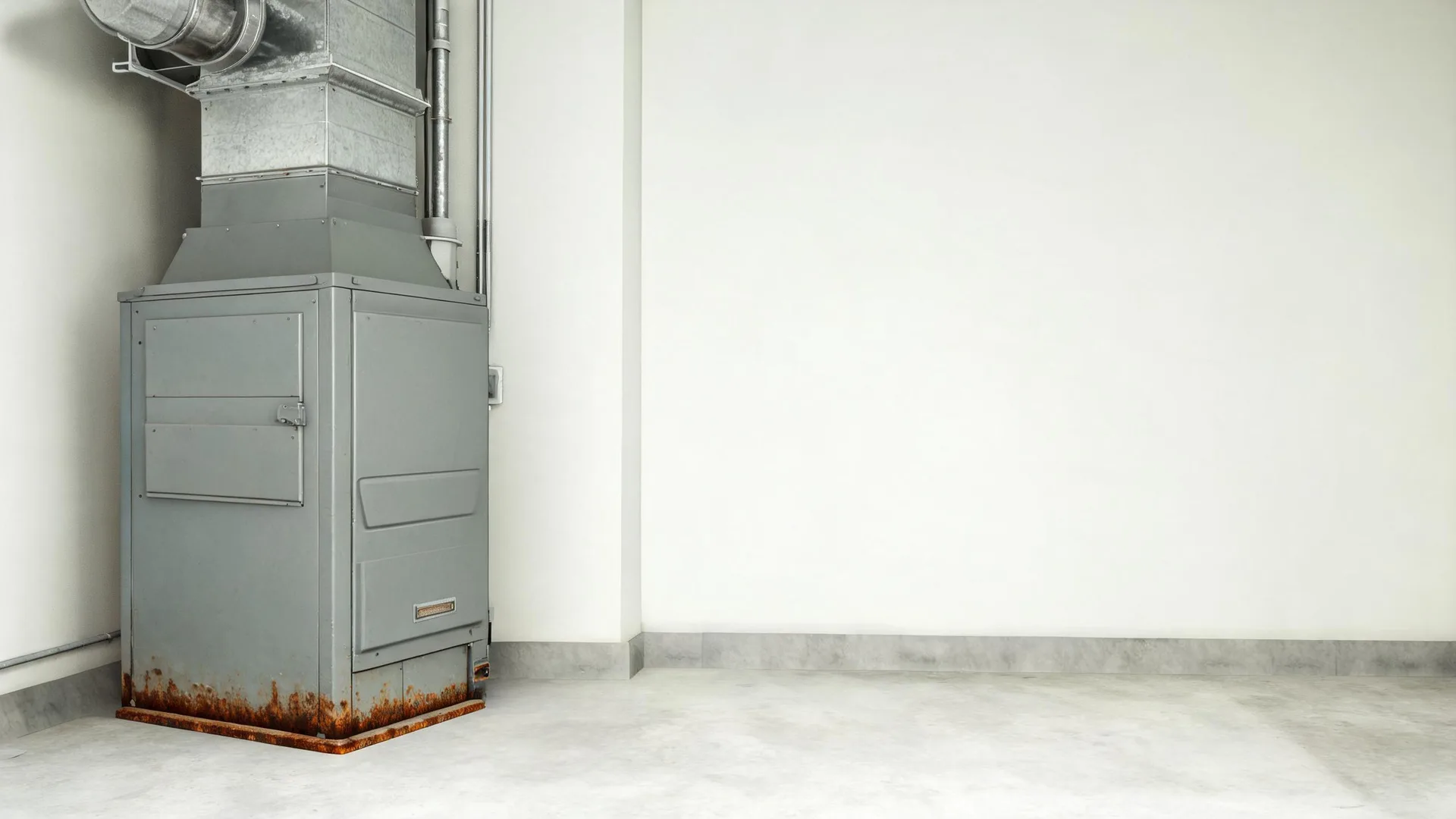
A cracked heat exchanger is the one failure that usually ends the conversation, since it can't be patched and the cost of replacing it rivals putting in a new furnace. Everything else on a furnace gets swapped out on its own: an igniter, a flame sensor, a blower motor, a control board. None of those failing means the rest of the unit is in trouble. Ask the technician to show you the failed part rather than just name it. A scorched igniter or a sensor with a thin coat of residue is a part swap, nothing more. A heat exchanger with a visible crack or a control board that's taken on corrosion from years of condensation is a different conversation, and worth having honestly.