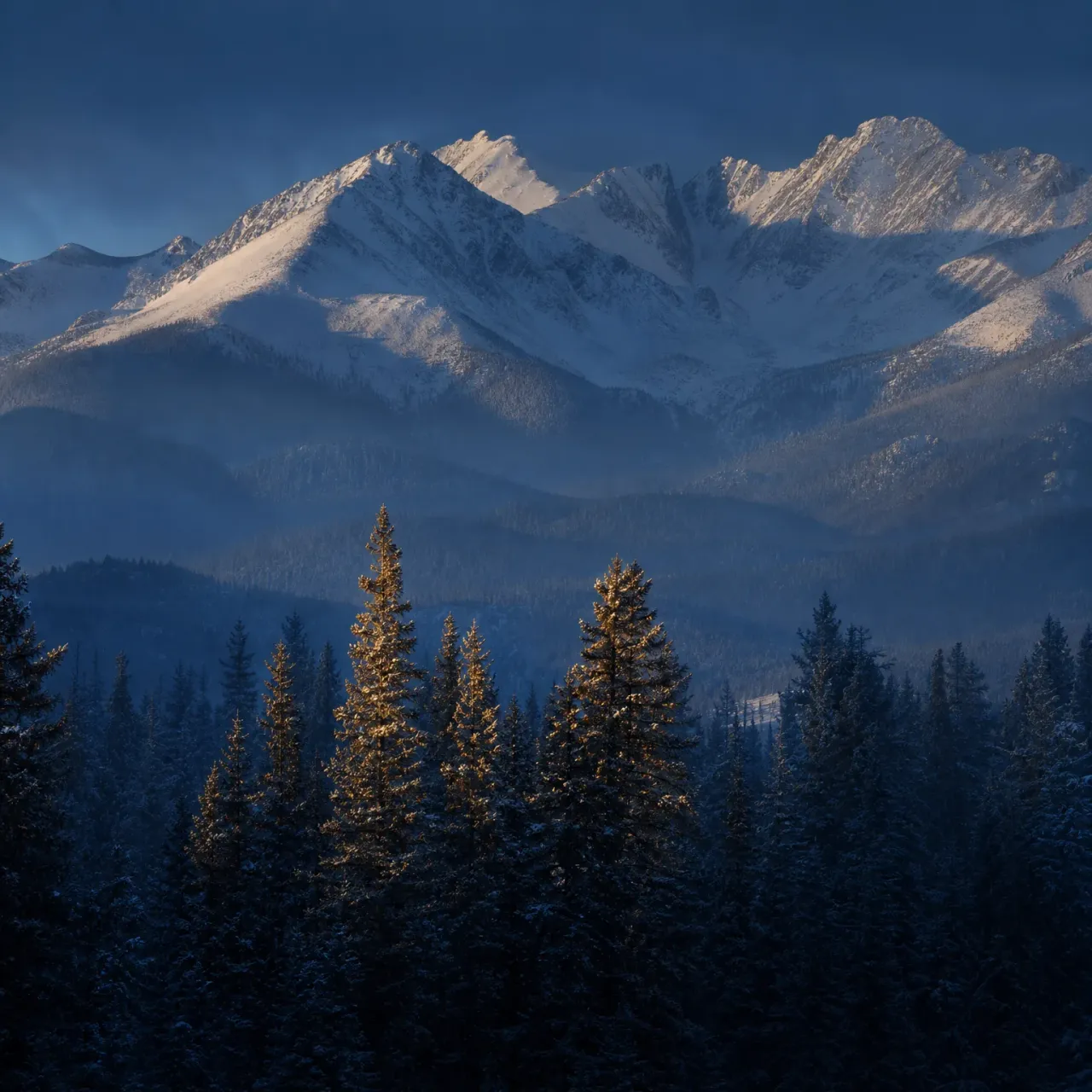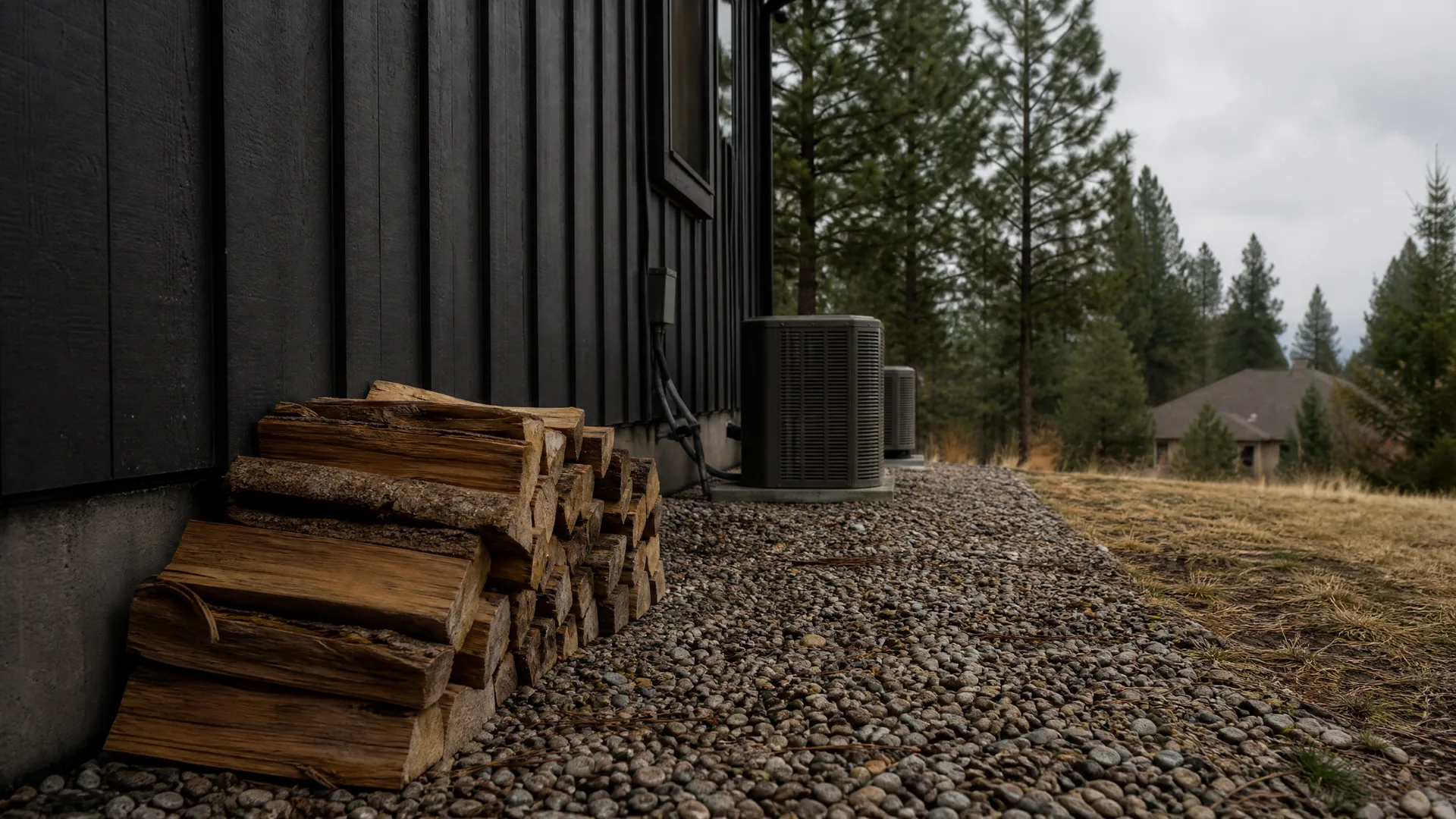
Stack of split firewood against the dark board-and-batten wall of a house, with two outdoor condenser units on a gravel strip, dry grass and conifer trees beyond under an overcast sky.

Furnace Repair in Rifle, CO

Tell us about the job

Takes about a minute. No obligation.

Step 1 of 3: Equipment

Ten months of runtime

Furnaces in Garfield County run from September through June. That's the burner, igniter and blower cycling on and off almost the whole year, not just during the hardest cold. Add in 258 winter storms hitting the county over the past ten years, and the system is rarely getting an easy stretch to rest.
What that means for the repair

A furnace working this much doesn't break down for no reason. Whatever's gone wrong usually traces back to a part that's been carrying more than its share. Finding which one it is, and why, is what makes the repair hold instead of needing a second visit.

10 months
September through June, your furnace is on duty
16°F
the average winter night it heats against
65%
of homes here heat with gas, so most furnaces here burn gas
258 winter storms
in ten years, the nights a failure hurts most
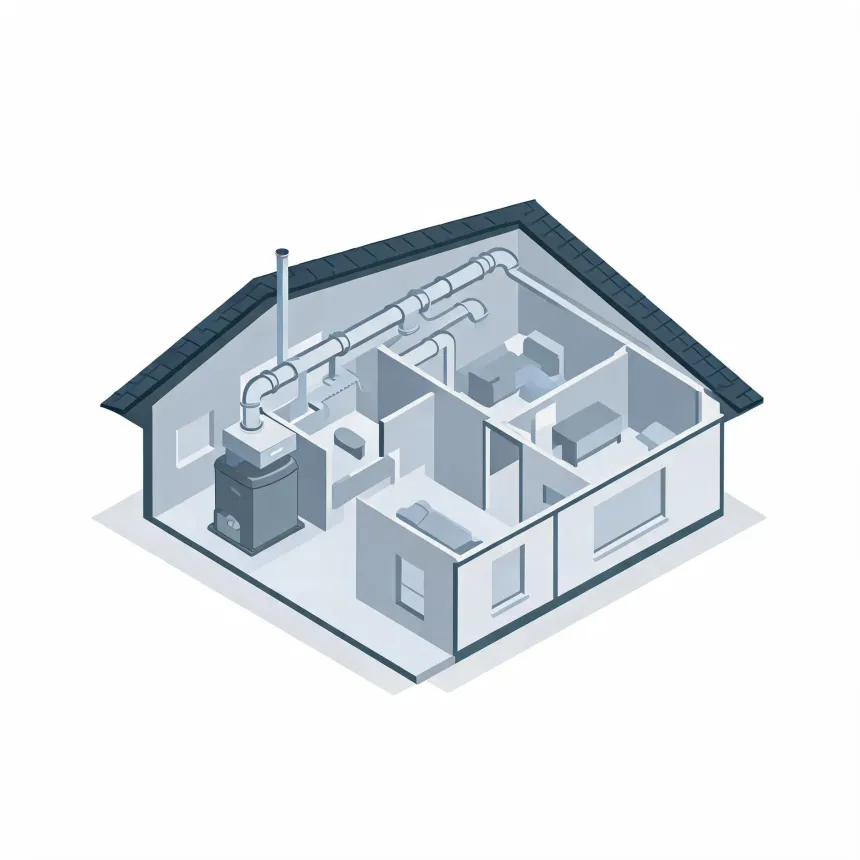
Isometric cutaway illustration of a single-story house showing interior rooms, ductwork running along the ceiling, a flue pipe through the roof, and a dark furnace unit in one corner.
Your furnace works hardest from October through April.

NOAA nClimDiv, 1991–2020 normals

Half the homes in Garfield County were built in 1993 or later.

A furnace that came with a newer house still has working life in it, which makes repair the right call before replacement.

September through June, something was going to give out

Heat runs September through June
Climate zone 5B
Winter nights average 16°F

A repair is worth doing when the failure is isolated to one part and the rest of the furnace is keeping up the way it should. A cracked igniter, a failed flame sensor, a blower motor that's started humming instead of spinning: these fail on their own, and replacing the one part brings the furnace back to normal. Replacement starts to make more sense when the failures stack up, one part after another over a short stretch, or when the heat exchanger itself is what's cracked or rusted through. That part isn't swapped out on its own, since it sits at the center of how the furnace is built. Age matters less than pattern. A furnace that's needed three different repairs in two years is telling you something that one bad igniter isn't.

Find the part carrying the load, and fix that one

Ten months of runtime a year doesn't leave a furnace much room to coast. When something wears out, it's rarely random. Get the part identified and the repair holds.

Find a contractor
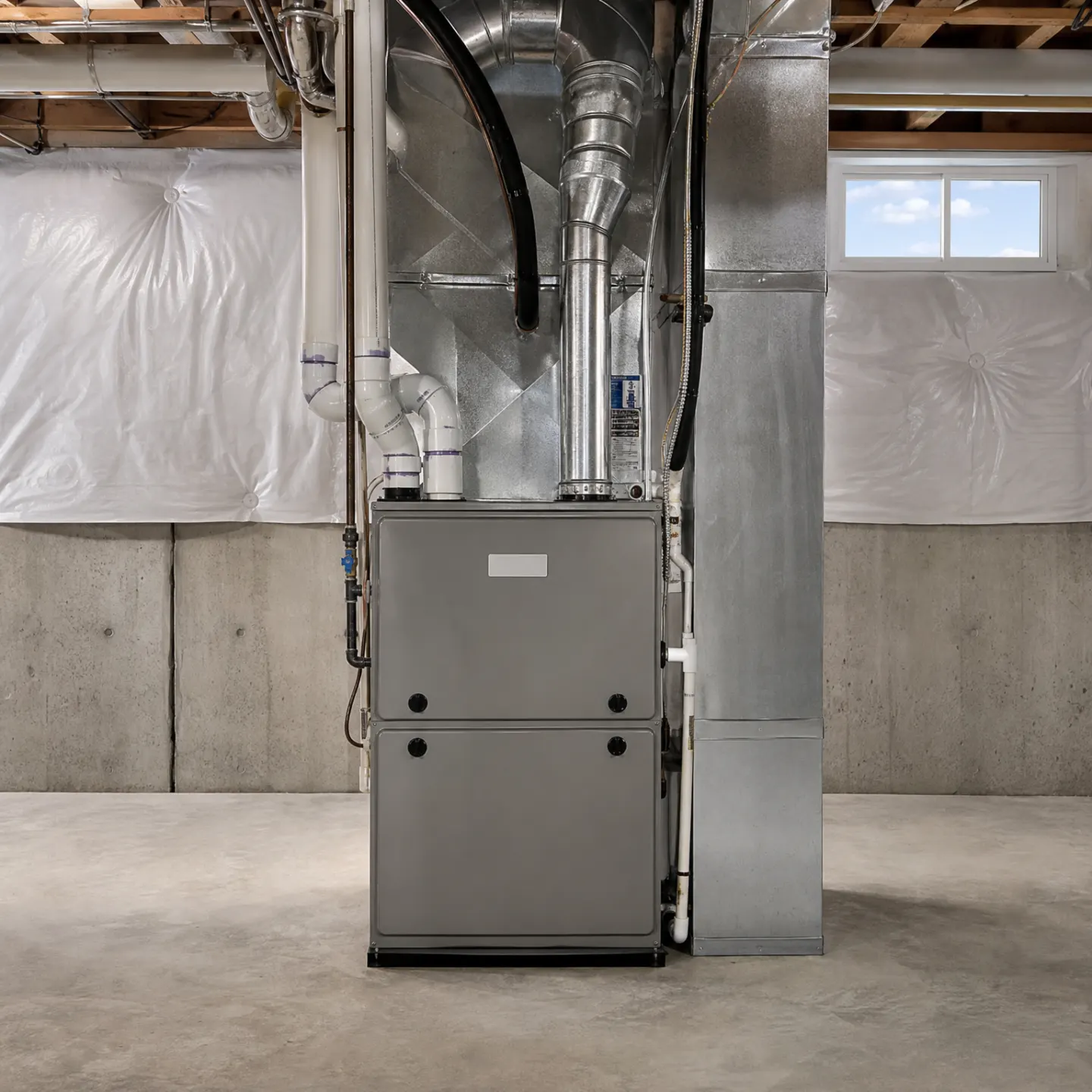
A gray residential gas furnace installed in an unfinished basement, connected to sheet-metal ductwork and PVC pipes.

A newer furnace, acting its age, not acting up

If your furnace came with the house, and the house is part of the newer half of the county, you're not dealing with a machine near the end of its line. A cracked igniter or a failing flame sensor on a furnace like that points to one worn part, not a system that's done. Fix the part and the furnace goes back to carrying the winter the way it has been.

A small fault turns into a bigger one

A cracked igniter or a weak flame sensor makes the furnace misfire or shut off early, so the blower keeps pushing air that never got properly heated. The burner tries again and again to catch, and each failed attempt puts more strain on the same parts that are already struggling. Left alone, a problem that was one part's worth of trouble can spread to the ones around it.

Why shutting it off helps the repair

A furnace that keeps cycling on a fault is harder to diagnose, because the tech is chasing symptoms layered on top of each other instead of the one part that started it. Turning it off at the first sign of trouble keeps the damage contained to whatever failed first. That's the difference between swapping one part and finding out something else gave out while it kept running.

An unfinished concrete basement containing a gas furnace with sheet-metal ductwork, utility shelving, and exposed overhead joists.

A new furnace would cut about $120 a year off heating for a typical Garfield County home.

  • A new high-efficiency furnace$500 a year
  • An older furnace$620 a year

Estimates for a typical Garfield County home, compared with an older unit built to the previous federal minimum, from EIA household energy data, Colorado fuel prices and NOAA climate normals. Your home will differ.

Repair makes sense when one part has failed and the heat exchanger is sound.

Replacement makes sense when the heat exchanger is cracked or the furnace keeps needing parts.

A diagnostic visit starts before any panel comes off. The tech asks what the furnace was doing: short cycling, blowing cold air, not firing at all, making a noise it didn't used to make. That narrows where to look. From there it's power to the board, the sequence of operation, and reading the fault history if the control board keeps one. Flame sensor gets checked for a weak signal, igniter for continuity, blower motor for free movement and the right draw. Pressure switches and the inducer motor get tested together, since one can't prove itself without the other working. The heat exchanger gets inspected for cracks or rust-through, because that finding changes the whole conversation. By the end, the tech isn't guessing which part failed. They've tested enough to know, and the repair they recommend is the one that actually fixes what's wrong.