

A lit mountain lodge-style home at night with evergreen trees, stone accents, and snow-capped mountains in the background.

Furnace Repair in Denver, CO

Tell us about the job

Takes about a minute. No obligation.

Step 1 of 3: Equipment

A cracked heat exchanger or a failed control board usually means it's time to replace the furnace, not patch it. Both sit at the center of how the unit runs, and both cost enough to fix that most of a new system starts to look like the better deal. A bad igniter, a dirty flame sensor, a failed inducer motor are a different story. Those are wear parts. They fail on their own schedule and a tech can swap them without touching anything else in the furnace. The real question is how old the unit is and how many of these calls it's had. One repair on a furnace with years left in it is just maintenance. A second or third repair in a short stretch, especially on a furnace that's getting old, is the furnace telling you it's closer to the end than the middle.

8 months
October through May, your furnace is on duty
19°F
the average winter night it heats against
61%
of homes here heat with gas, so most furnaces here burn gas
32 winter storms
in ten years, the nights a failure hurts most
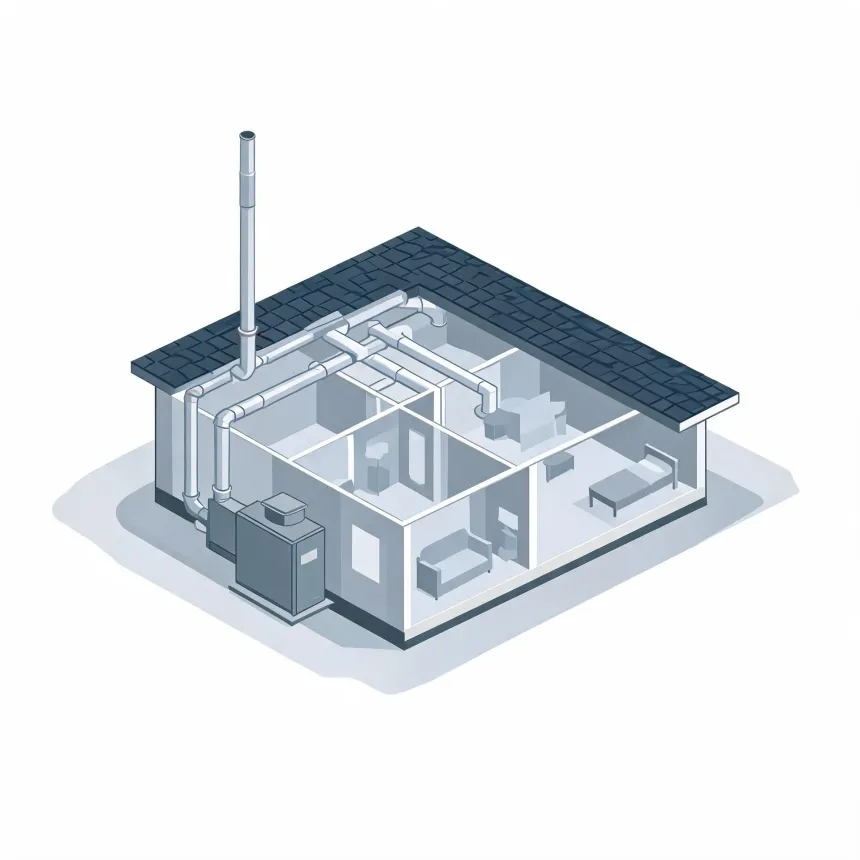
Isometric cutaway illustration of a single-story house with a dark shingled roof, showing interior rooms with furniture, a ducted air distribution system, a tall vertical flue pipe, and a gray furnace unit outside the wall.
Your furnace works hardest from November through March.

NOAA nClimDiv, 1991–2020 normals

Most furnace failures trace back to one of a handful of parts: the igniter, the flame sensor, or the inducer motor.

Knowing which part failed tells you whether this is a quick fix or a sign the furnace is wearing out.

Eight months of heat a year wears a furnace down early

Heat runs October through May
Winter nights average 19°F
32 winter storms from 2015 to 2024
October starts the real testDenver furnaces run eight months a year, and trouble tends to show up in the first cold weeks.

A tech starts by asking what the furnace is doing. Short cycling, no heat at all, a smell on startup, these point to different parts before a panel ever comes off. Next comes a look at the flame itself, if it lights at all, and whether it stays lit or drops out after a few seconds. The igniter gets checked for a steady glow and a clean break in the circuit when it fails. The flame sensor gets pulled and cleaned or tested, since a coated sensor reads a flame that isn't really there and shuts the gas back off as a safety measure. The inducer motor gets checked for proper draw, because if it can't pull exhaust through the vent the control board won't allow the burners to fire at all. A tech also checks the pressure switch, the limit switch, and the condition of the flue, since any of these can mimic a bad igniter or sensor from the thermostat's point of view. By the time the diagnosis is done, the cause should be narrowed to one part, not a guess at three or four.

A furnace running eight months a year needs the real cause found, not a guess

Denver furnaces run from October through May, and winter storms have hit the county 32 times between 2015 and 2024. That kind of workload is why a tech traces the problem to one part instead of swapping pieces and hoping one of them was it. Get the actual cause diagnosed, so whatever gets fixed stays fixed.

Find a contractor
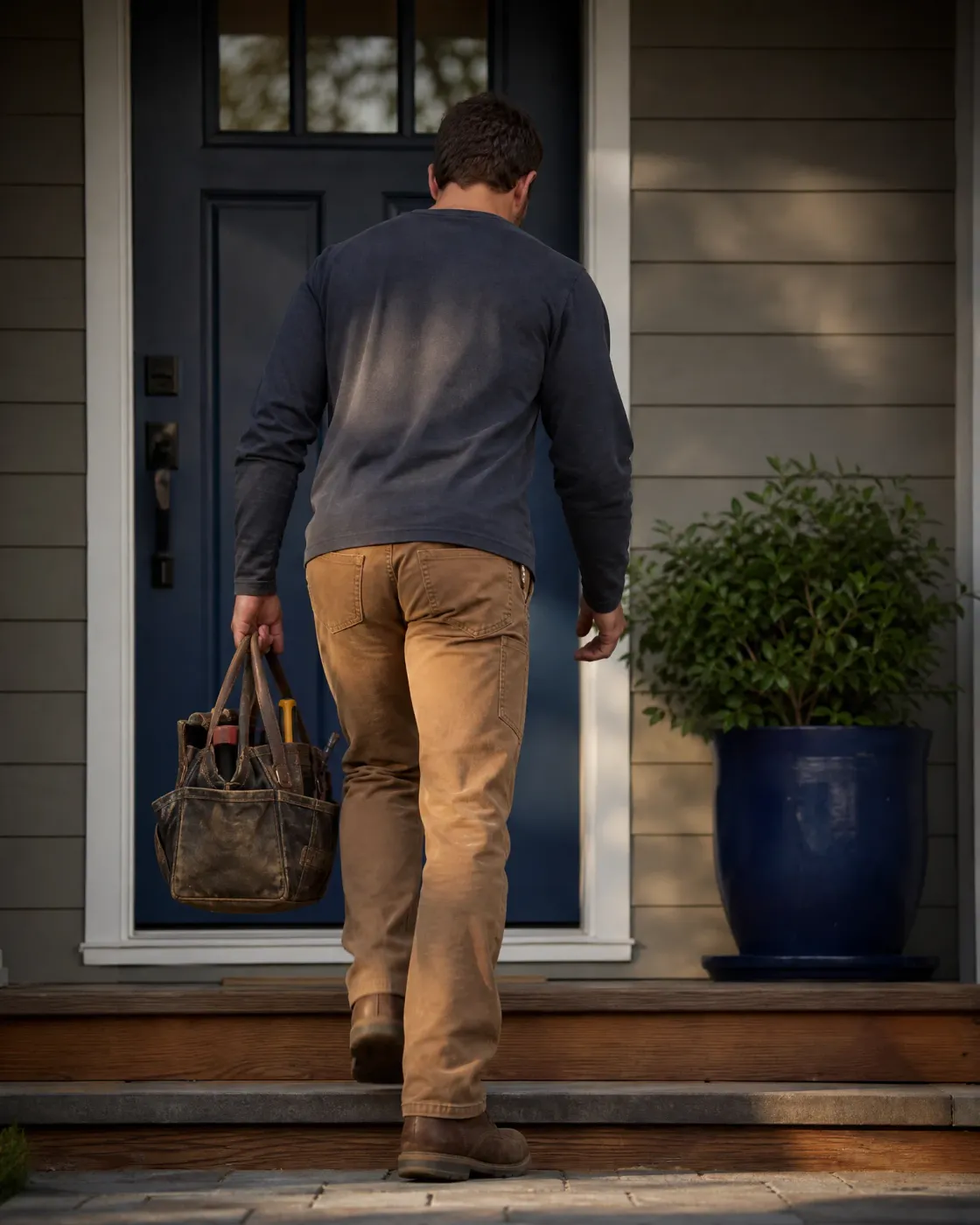
A man in a dark long-sleeve shirt and tan work pants, seen from behind, carries a worn canvas tool bag up steps toward a navy blue front door of a gray clapboard house, with a large blue planter and shrub to the right.
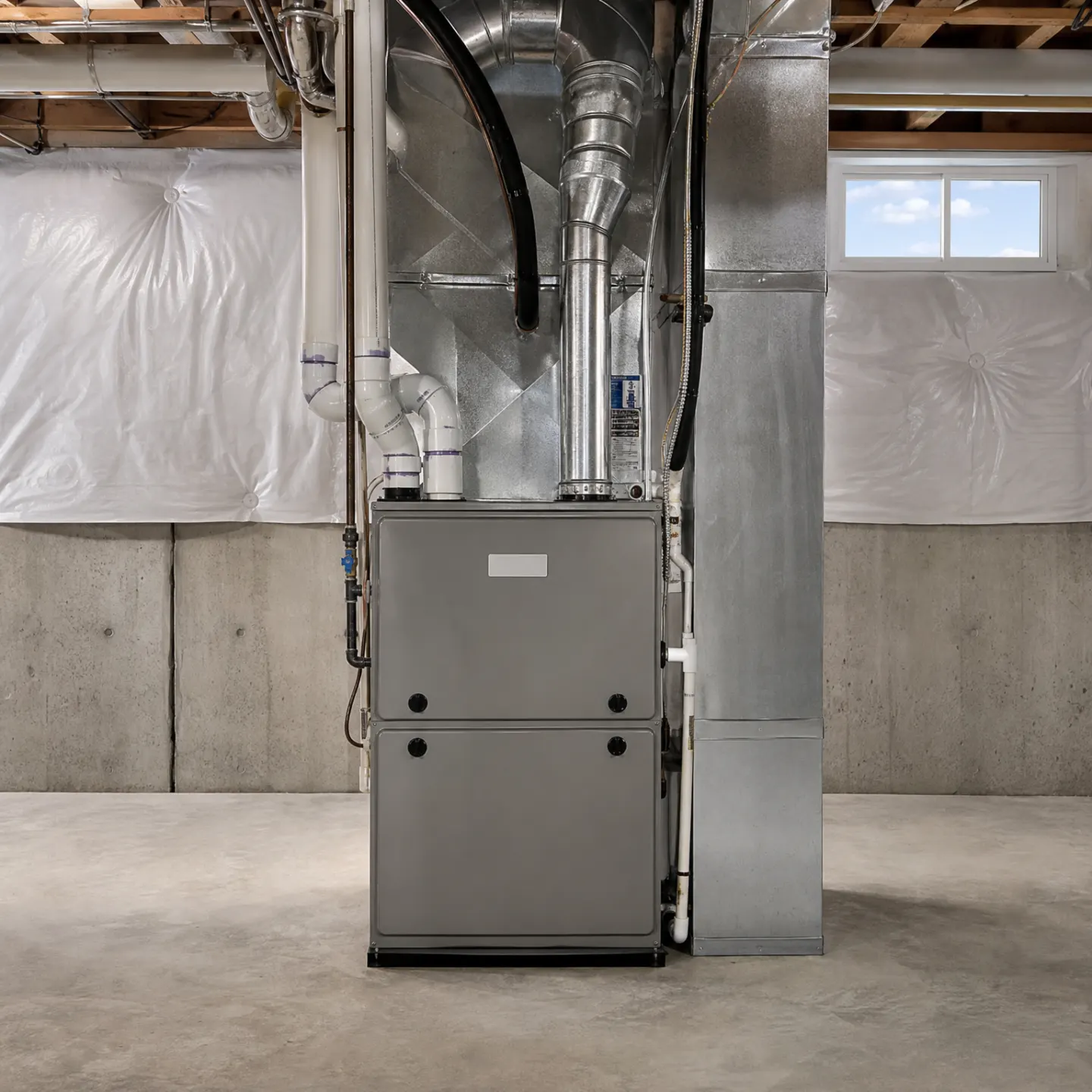
A gray residential gas furnace installed in an unfinished basement, connected to sheet-metal ductwork and PVC pipes.

The furnace usually asks first

A furnace usually tells you something is wrong before it quits outright. It might take two or three tries to light, where it used to catch on the first. The blower might run longer than it needs to, or kick on and off in short bursts instead of settling into a steady cycle. Some furnaces make a popping or rattling sound as the burners fire, which often means the burner itself needs cleaning. A yellow or flickering flame instead of a steady blue one is worth paying attention to, since it can point to a combustion problem. A burning smell that doesn't fade after the first few minutes of a cycle isn't normal. Neither is a furnace that runs but never gets the house to temperature, which can mean the heat exchanger isn't transferring heat the way it should, or the blower isn't moving enough air across it. None of these mean the furnace is done. They mean it's asking for a look before whatever's wearing out takes something else down with it.

A small fault forces other parts to work around it

A cracked flame sensor or a weak igniter doesn't stop a furnace outright. The control board tries again, the blower still pushes air, the inducer still spins. Everything downstream keeps working harder to cover for the one part that's failing, and that extra strain is what turns a cheap fix into a bigger one.
Heat and pressure find the next weak spot

Run a furnace with a fault long enough and the stress lands somewhere else. A blower motor pushed past its normal cycle wears its bearings faster. A cracked burner left alone can scorch the heat exchanger around it. The original problem rarely stays contained to the part that started it.

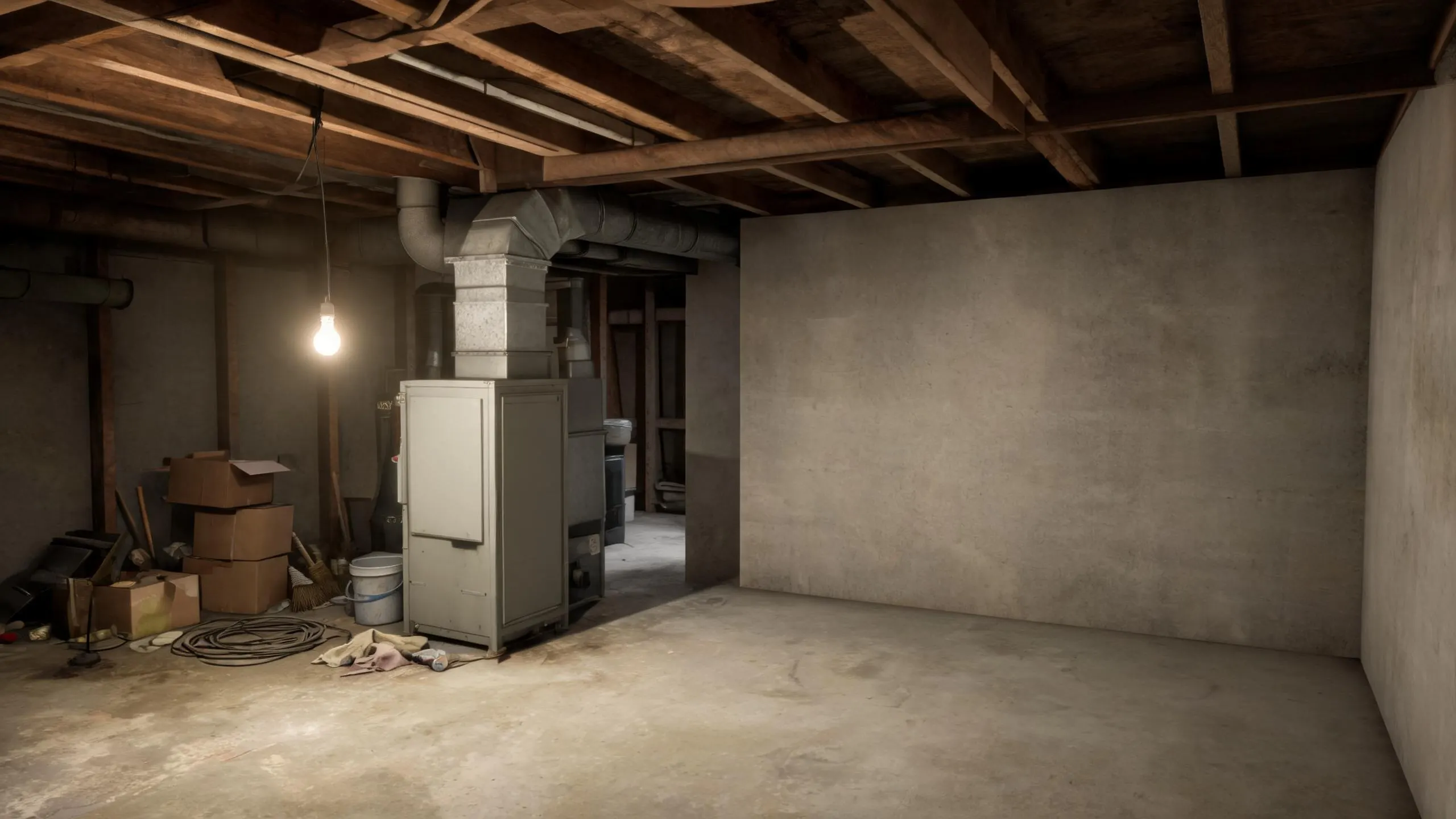
An unfinished basement featuring exposed ceiling joists, a metal HVAC unit with round ductwork, a hanging light bulb, and scattered boxes and debris along the left wall.

A new furnace would cut about $90 a year off heating for a typical Denver County home.

  • A new high-efficiency furnace$370 a year
  • An older furnace$460 a year

Estimates for a typical Denver County home, compared with an older unit built to the previous federal minimum, from EIA household energy data, Colorado fuel prices and NOAA climate normals. Your home will differ.

Repair makes sense when one part has failed and the heat exchanger is sound.

Replacement makes sense when the heat exchanger is cracked or the furnace keeps needing parts.

Pull the furnace filter and hold it up to a light. If you can't see light through it, air can't move through it either, and that alone causes short cycling, a furnace that runs long without warming the house, or a system that shuts itself off on a limit switch. Check that the thermostat is set to heat and the batteries aren't dead, since a blank or sluggish display won't call for heat at all. Look at the switch on the furnace itself, the one that looks like a light switch, and make sure it hasn't been bumped off. If the furnace has a standing pilot, check whether the pilot light is actually lit. Check the air vents and return grilles around the house and clear anything blocking them. None of this fixes a cracked heat exchanger or a failed control board, but it rules out the simple causes before paying someone to find them.