




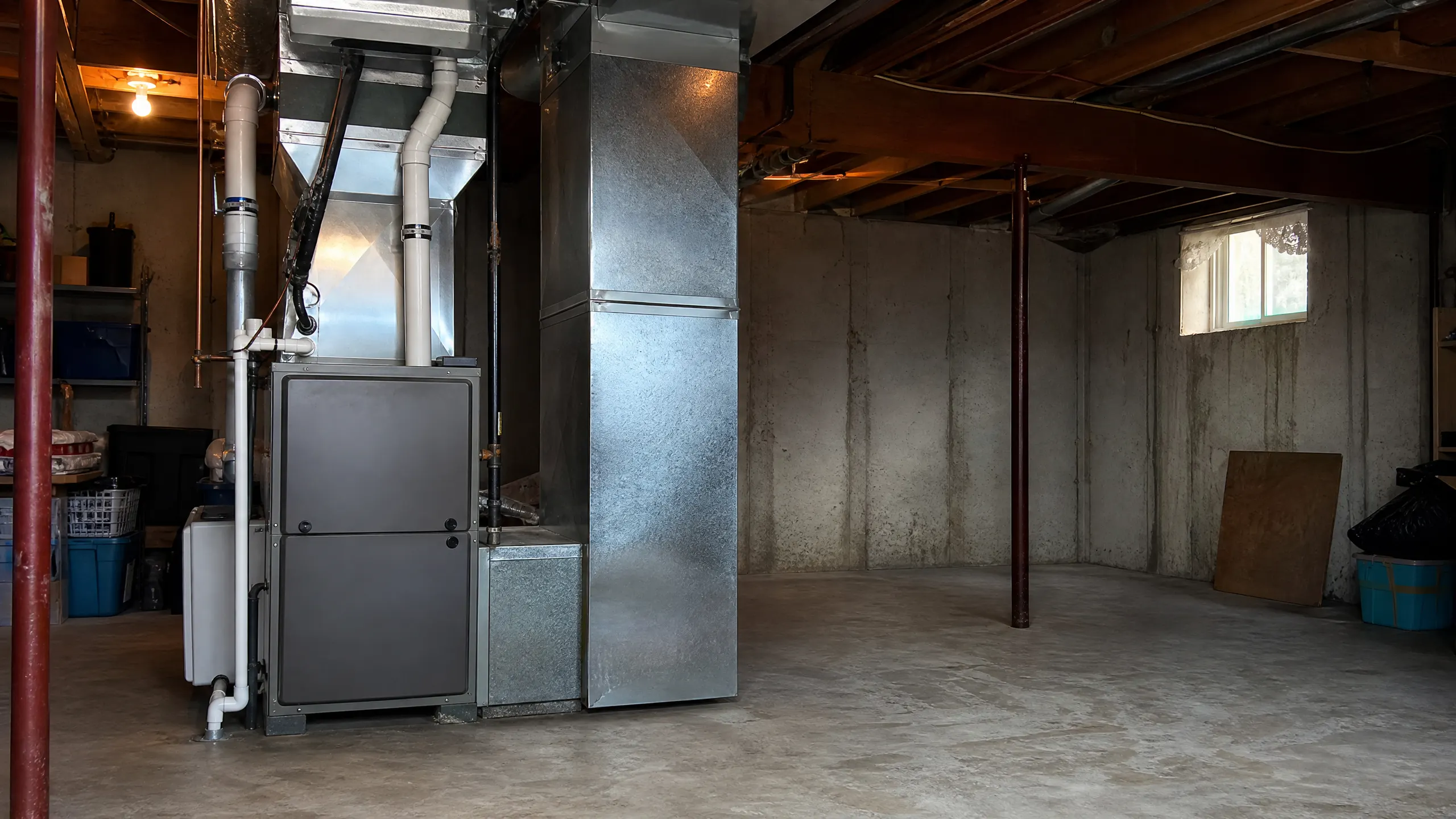
An unfinished basement interior featuring a large metal furnace unit, exposed ceiling joists, concrete walls, and scattered boxes and cables on the floor.

Furnace Repair in Gypsum, CO

Tell us about the job

Takes about a minute. No obligation.

Step 1 of 3: Equipment

Your furnace in Gypsum is carrying heat about eleven months out of the year, with only a short stretch where it gets to sit idle. Overnight lows average 11°F through December, January and February, and the burner and blower run long hours to keep up with that. Add in the winter storms that have hit Eagle County 130 times over the past decade, and you've got a system that rarely gets a break even when the weather turns rough. That kind of workload wears on an igniter, a blower motor, or a pressure switch faster than it would somewhere milder. Whatever's acting up right now, it's worth having someone trace it back to the actual part instead of guessing.

11 months
August through June, your furnace is on duty
11°F
the average winter night it heats against
63%
of homes here heat with gas, so most furnaces here burn gas
130 winter storms
in ten years, the nights a failure hurts most
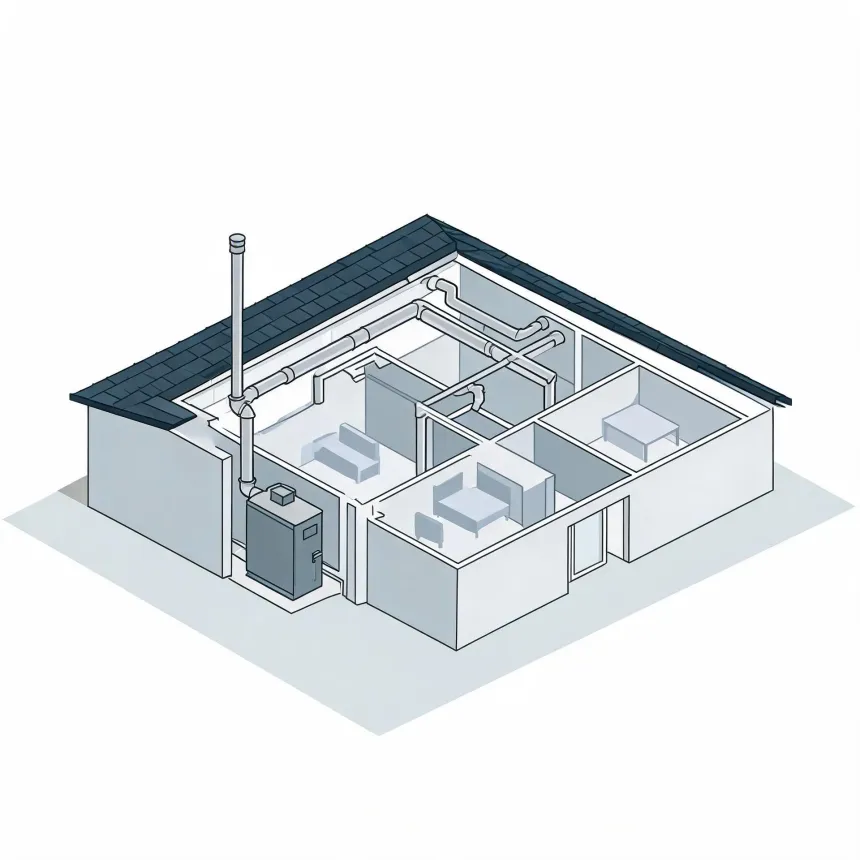
Isometric line illustration of a cutaway single-story house showing interior rooms with furniture, ceiling ductwork, and an exterior furnace unit with a tall flue pipe.
Your furnace works hardest from October through April.

NOAA nClimDiv, 1991–2020 normals

Furnaces in Gypsum start their season in August.

July is the month to get a weak part checked, before the first cold month puts load on it.

Natural gas here runs $10.09 per million Btu, and a struggling furnace burns more of it every month it goes unfixed

Heat runs August through June
Winter nights average 11°F
130 winter storms from 2015 to 2024

Gas here runs $10.09 per million Btu, and a furnace that's short cycling or struggling to light is pulling more of it than it should every time it runs. A dirty flame sensor or a weak igniter doesn't just cause the symptom you're noticing, it makes the burner work harder to do the same job. That difference shows up on the bill before it shows up as a failure. Getting the actual part replaced now stops that waste. Letting it ride until the furnace quits outright costs more than the repair would have.

A newer furnace is almost always worth fixing

Half the homes in Eagle County were built in 1993 or later. If yours is one of them, your furnace is likely well within its working life, and whatever's wrong with it now is a repair, not a replacement.

Find a contractor
A man in a navy shirt and tan trousers, seen from behind, carries a canvas tool bag up wooden porch steps toward a dark blue front door, with shrubs and a large planter nearby.
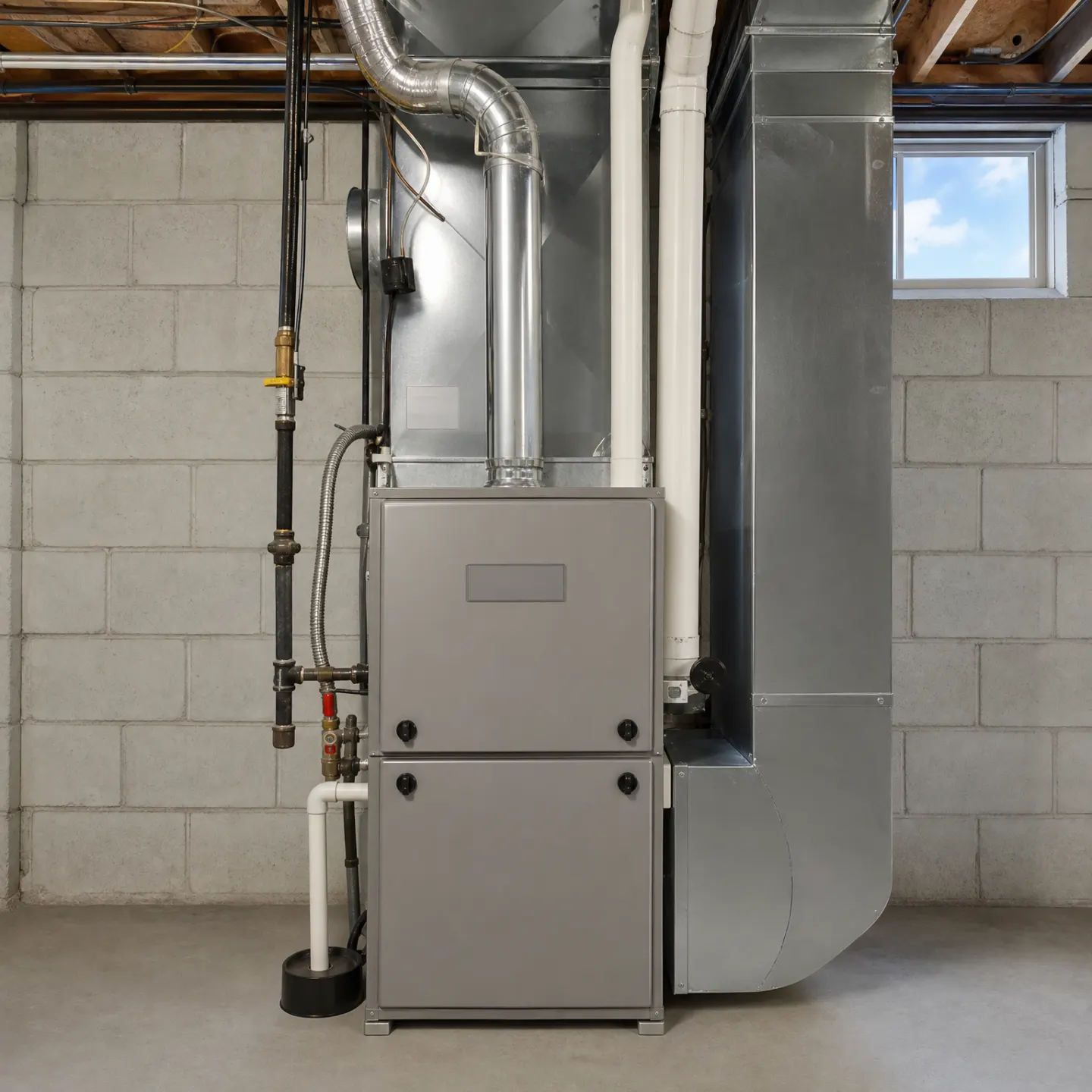
A gray high-efficiency gas furnace installed in an unfinished basement, surrounded by gas lines, a condensate drain, and sheet-metal ductwork.

Almost no season off

Eleven months of heat a year doesn't leave a furnace much time to cool down and reset. Most summers give a system a stretch to sit idle. Yours barely gets that here. When a part is already worn, that kind of nonstop run time is usually what pushes it from acting up to failing outright. Get it looked at now rather than waiting to see if it holds through another cold stretch.

What you'll notice first

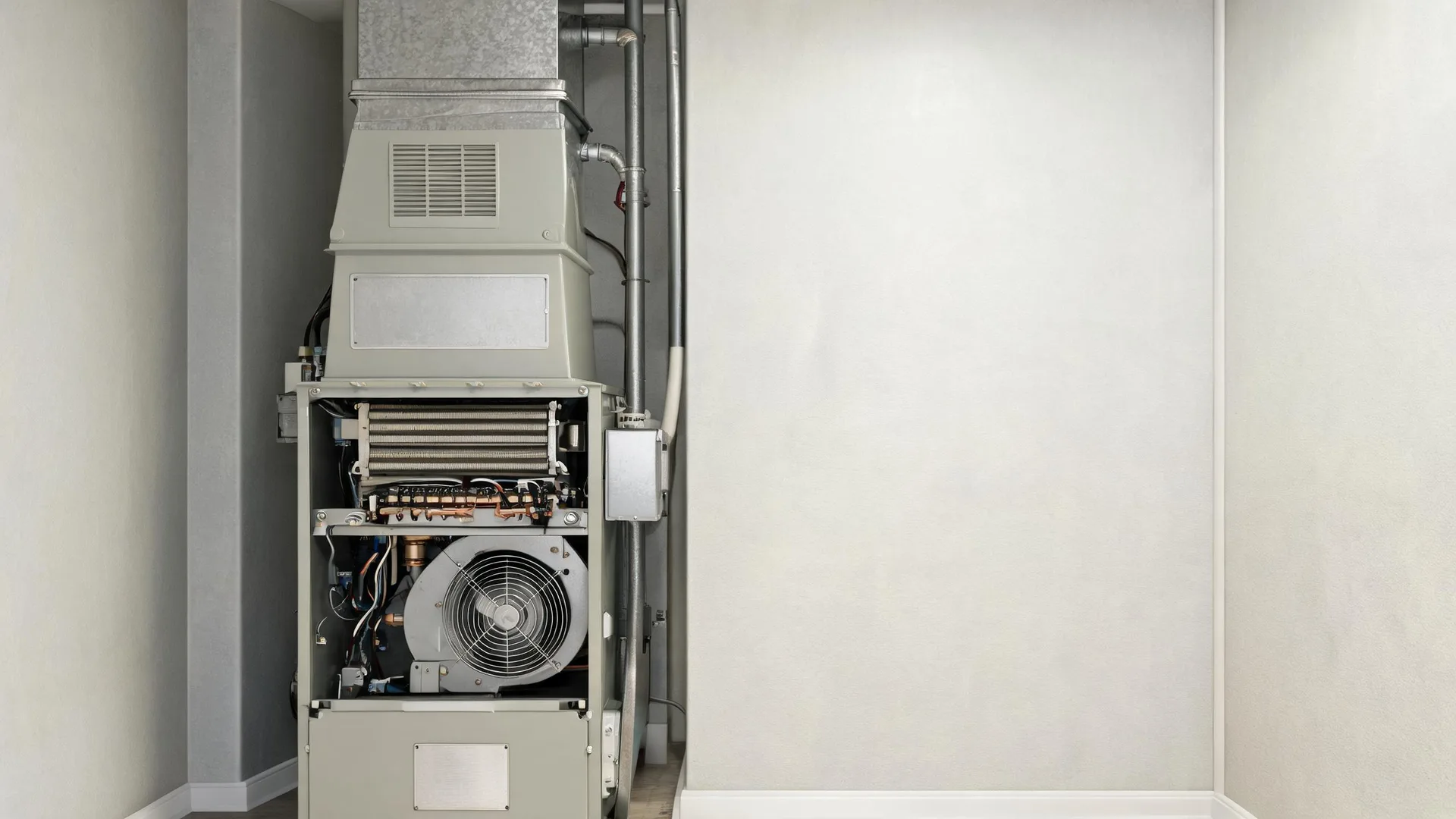
A furnace losing its grip usually tells you before it quits outright. Short cycling, where it fires up and shuts off again within a few minutes, points to a dirty flame sensor or a cracked heat exchanger. A burner that won't light, or lights and then drops out, usually means the igniter is weak or the pressure switch isn't satisfied. Cold air out of the vents while the blower still runs often traces back to the gas valve. A furnace that's noisier than usual, with banging or screeching from the blower compartment, is telling you a motor bearing is wearing out.
Why it's worth a call now

A flame sensor that's struggling to detect the pilot will foul further, not less. A blower motor making noise now is close to seizing, not settling down. Waiting on signs like these usually turns a straightforward part swap into an emergency no-heat call, often on the coldest night of the stretch. A tech can trace the symptom back to the actual part in one visit, and most of what shows up this way is a repair, not a sign the whole furnace is done.

A gas furnace and sheet-metal air handler unit installed in an unfinished concrete basement.

A new furnace would cut about $140 a year off heating for a typical Eagle County home.

  • A new high-efficiency furnace$590 a year
  • An older furnace$730 a year

Estimates for a typical Eagle County home, compared with an older unit built to the previous federal minimum, from EIA household energy data, Colorado fuel prices and NOAA climate normals. Your home will differ.

Repair makes sense when one part has failed and the heat exchanger is sound.

Replacement makes sense when the heat exchanger is cracked or the furnace keeps needing parts.

Age is the first thing to weigh, but it's not the only one. A furnace that's otherwise sound is almost always worth repairing, since one part failing doesn't mean the rest are close behind. What changes the math is a cracked heat exchanger, since that's a safety issue and a sign the unit has run its course, not just a worn component. Repeated failures of different parts within a short stretch is another signal, since it usually means the whole system is wearing down at once rather than one piece giving out early. A single part replaced on a furnace that's otherwise kept up is money well spent. That same part failing again on a unit that's already seen other repairs is the point to start asking a tech about replacement instead.