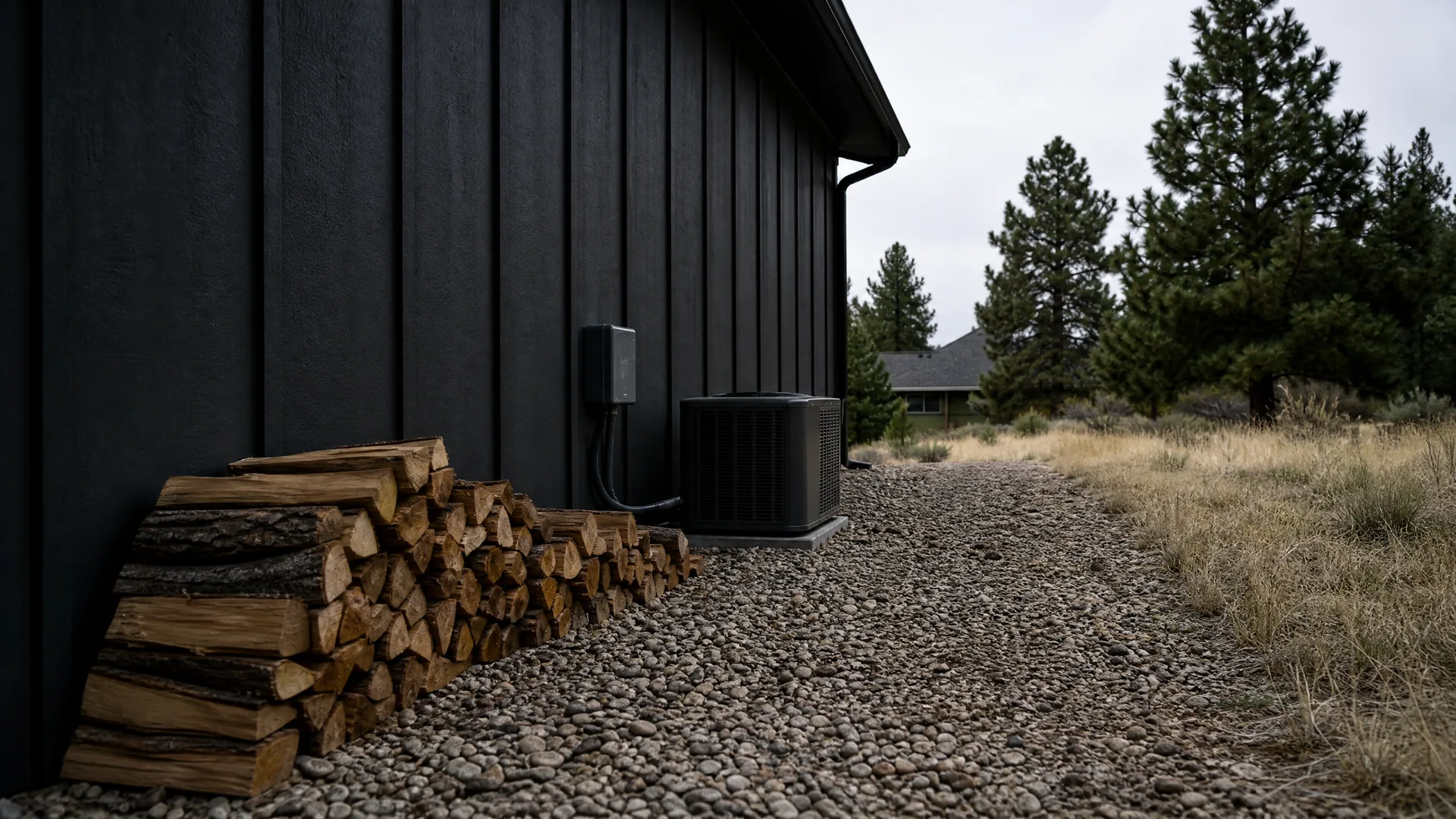
Exterior corner of a dark board-and-batten house with a stacked firewood pile, an electrical box and an outdoor condenser unit on a gravel bed, with dry grass and pine trees under an overcast sky.

Furnace Repair in Cortez, CO

Tell us about the job

Takes about a minute. No obligation.

Step 1 of 3: Equipment

Your furnace in Cortez earns its keep. Heat runs eight months a year here, October through May, and overnight lows average 19°F through December, January and February. That's a long season of cycling on and off, night after night, just to keep the house warm. This county has also seen 115 winter storms, snow, ice and blizzards, over the past decade, and the furnace is often working hardest exactly when the weather turns worst. That kind of steady, hard use wears parts sooner than it would somewhere milder. When something starts acting up, it's usually not bad luck. It's a machine that's been carrying a heavy load for a long time.

8 months
October through May, your furnace is on duty
19°F
the average winter night it heats against
115 winter storms
in ten years, the nights a failure hurts most
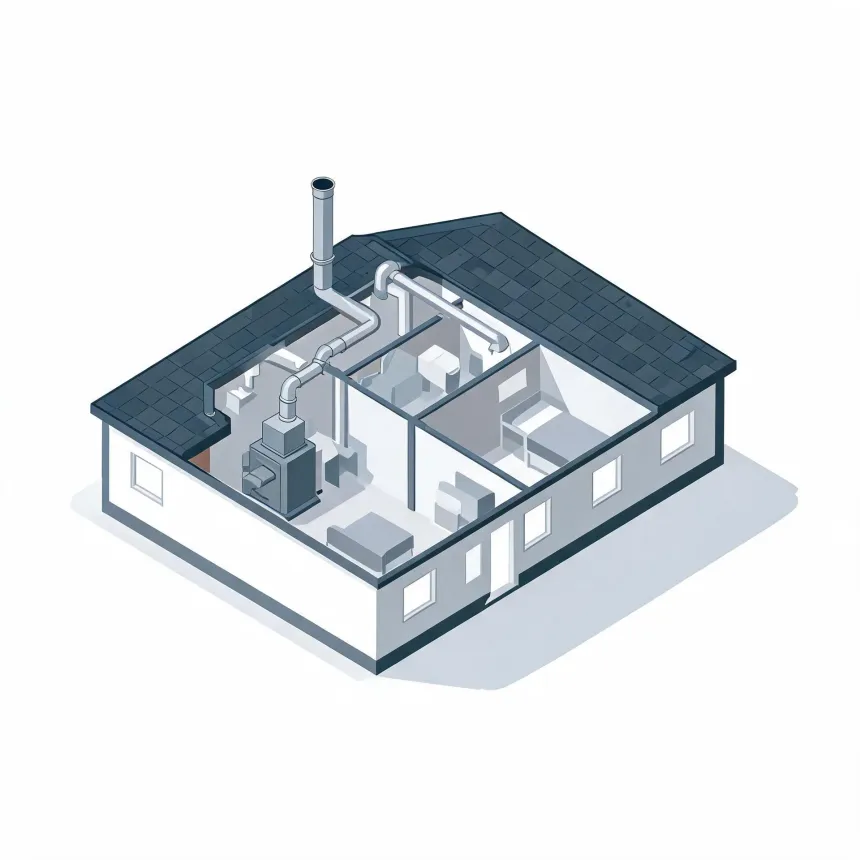
Isometric cutaway illustration of a single-story house with a dark shingled roof, showing interior rooms with furniture and a furnace connected to ductwork and a flue pipe extending above the roof.
Your furnace works hardest from November through March.

NOAA nClimDiv, 1991–2020 normals

Half the houses in Montezuma County were built in 1986 or later.

A furnace that age has had less time to rack up wear, even working as hard as it does here.

October is when a furnace that limped through last winter finally gives out

Heat runs October through May
Winter nights average 19°F
115 winter storms from 2015 to 2024

Most furnace calls come down to a handful of parts. The igniter is the one that usually goes first, since it heats up and cools down every single cycle and eventually cracks or wears thin. A dirty flame sensor will shut the furnace down mid-cycle, because it can't tell the burner is still lit and the control board plays it safe. Clogged burners or a dirty filter choke off airflow, which makes the whole system run hotter than it should and shortens the life of everything downstream. The blower motor bearings wear out from sheer hours of running. None of these failures happen overnight. They build up over a lot of cycles, and the furnace usually gives some warning, a delay before it lights, a short cycle, a smell, before it quits for good.

A newer furnace is usually worth fixing, not replacing

So if your furnace quit, it's worth getting a repair quote before you think about replacing it. A tech can tell you in one visit whether it's the igniter, the flame sensor or something bigger.

Find a contractor
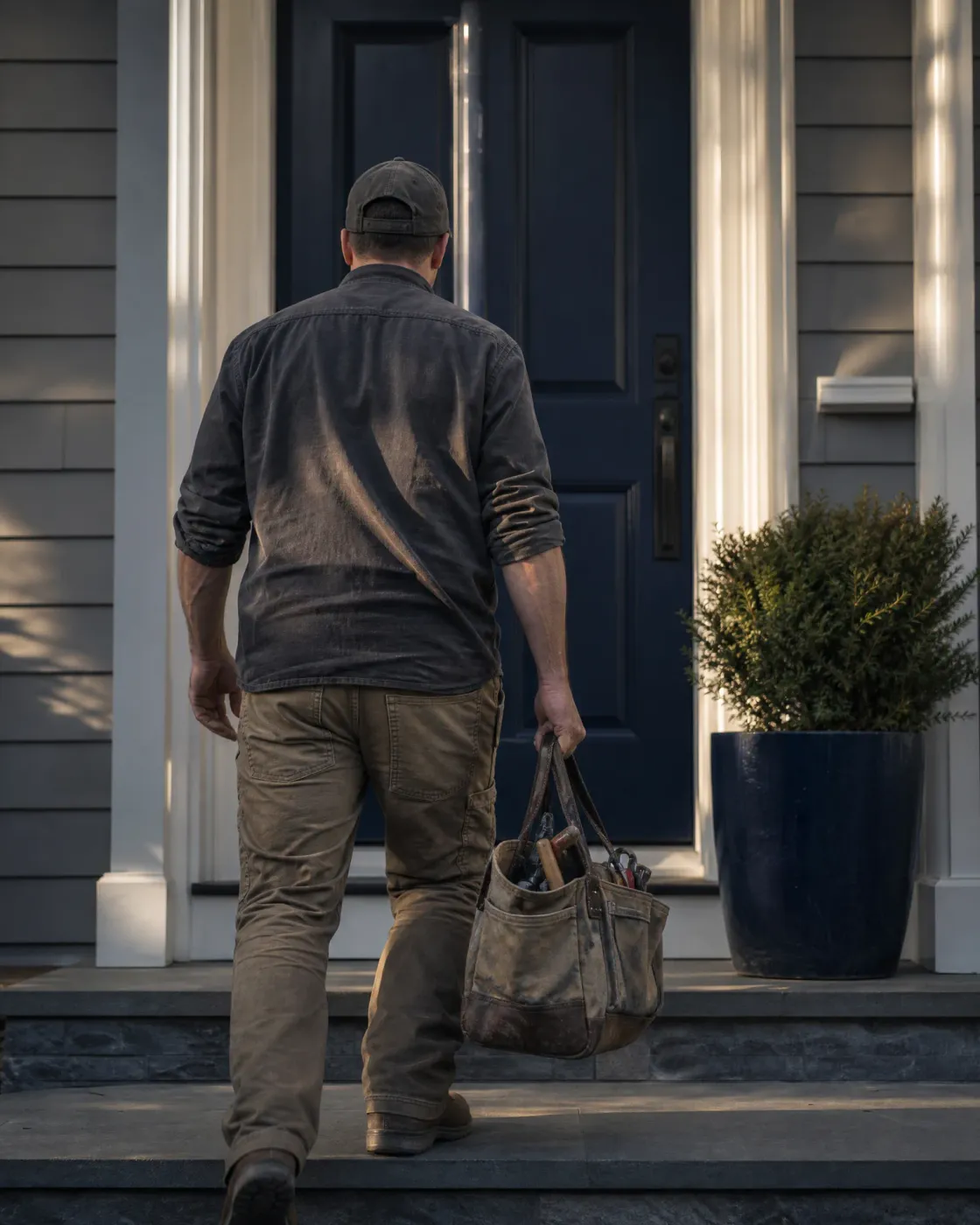
A man in a cap, dusty dark shirt and work pants walks up stone steps toward a dark navy front door, carrying a worn canvas tool bag, with a potted shrub beside the entry.
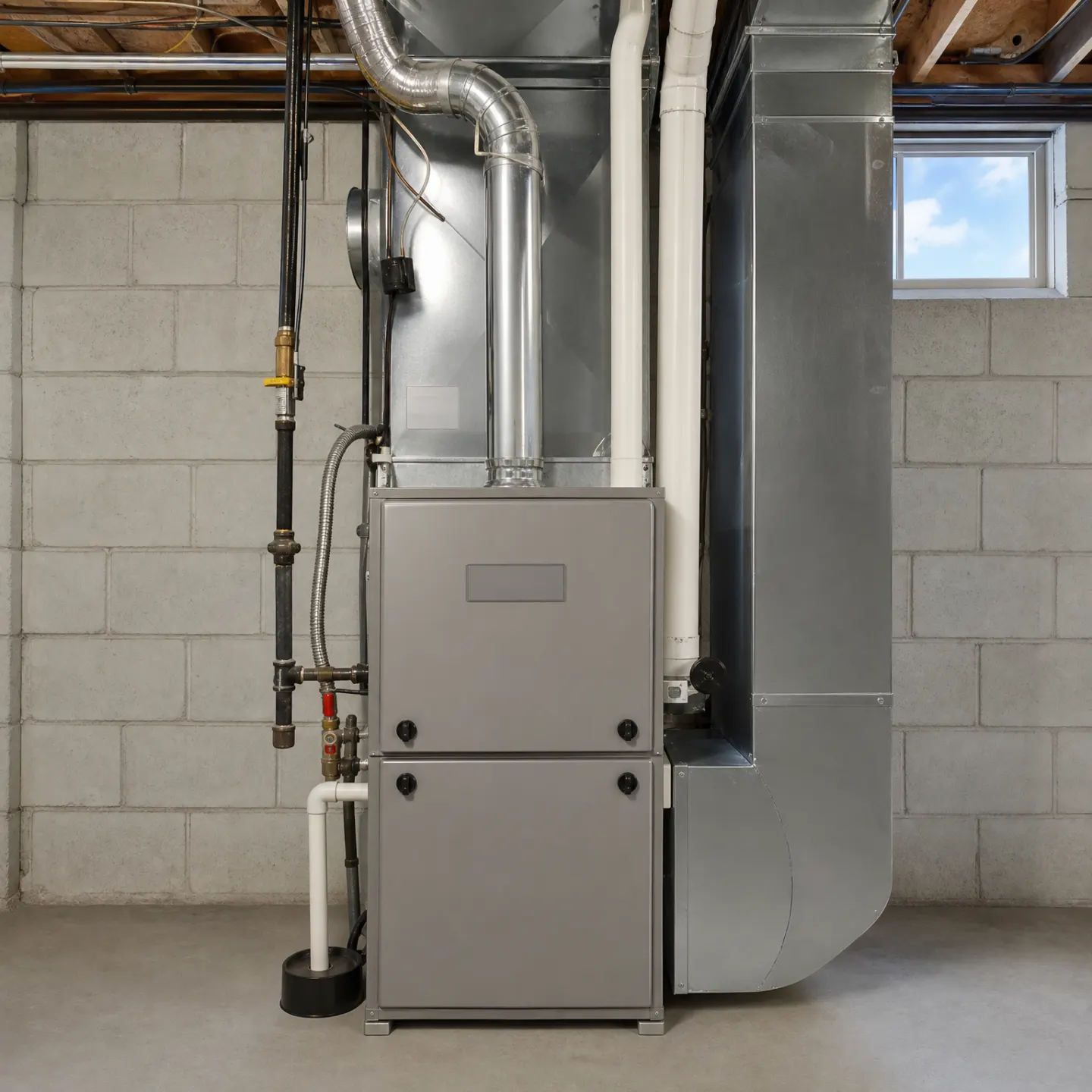
A gray high-efficiency gas furnace installed in an unfinished basement, surrounded by gas lines, a condensate drain, and sheet-metal ductwork.

What to check before you pick up the phone

Before you call, check the thermostat batteries and make sure it's set to heat, not just on. Go to the furnace and look at the door panel, it has to be seated and latched all the way or a safety switch keeps the whole thing from running. Check the filter. If you can't see light through it, swap it, because a blocked filter can starve the burners of air and trip a limit switch. Look at the vent hood outside and make sure nothing, a nest, a bag, a drift of leaves, is blocking it. If you have a glass sight window, check whether the flame is steady and blue, not yellow and flickering. Last, check the breaker and any switch that looks like a light switch near the furnace, since that's the furnace's own power cutoff and it's easy to bump.

A limit switch trip is the furnace protecting itself

When airflow is choked or the heat exchanger runs too hot, the limit switch cuts the burners before anything cracks. Resetting it over and over and running the furnace anyway asks a safety device to lose a fight it's built to win, and eventually it will.

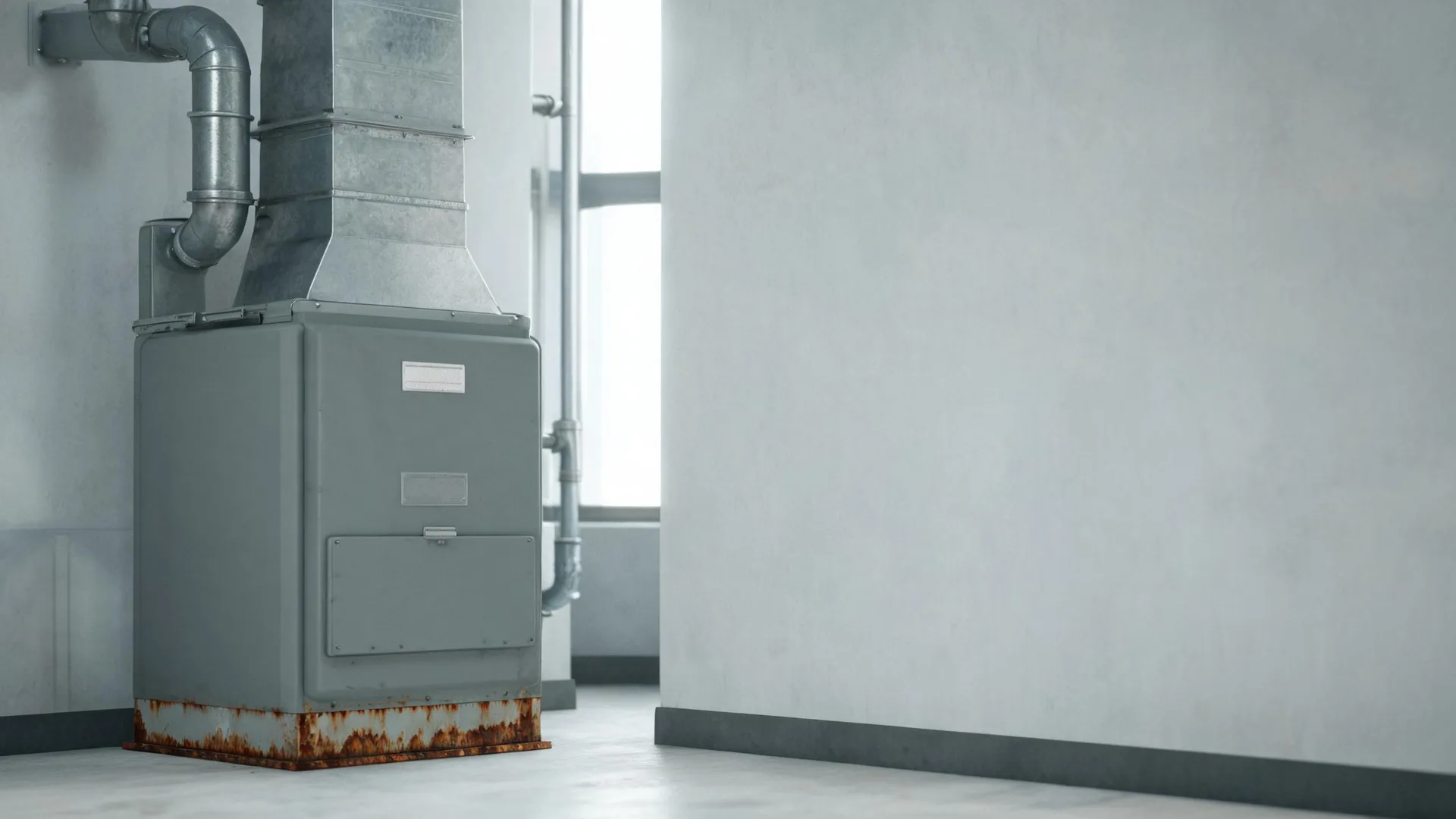
A cracked igniter gets closer to failing completely every time it fires

A hairline crack doesn't stop the furnace from lighting right away. It runs a little hotter, flexes a little more each time it heats and cools, and the crack spreads until the igniter finally breaks apart and the furnace won't light at all.

An unfinished basement featuring concrete block walls, exposed floor joists, and a metal forced-air furnace with ductwork near a central pillar.

A new furnace would cut about $90 a year off heating for a typical Montezuma County home.

  • A new high-efficiency furnace$400 a year
  • An older furnace$490 a year

Estimates for a typical Montezuma County home, compared with an older unit built to the previous federal minimum, from EIA household energy data, Colorado fuel prices and NOAA climate normals. Your home will differ.

Repair makes sense when one part has failed and the heat exchanger is sound.

Replacement makes sense when the heat exchanger is cracked or the furnace keeps needing parts.

A diagnostic visit starts before any panel comes off. A tech asks what the furnace was doing right before it quit, whether it was slow to light, short cycling, or making a new noise, because that points at the likely part before any tool comes out. Next comes a check of the safety switches, the door switch and the limit switch, since a tripped safety looks like a dead furnace but isn't. From there it's power to the board, the sequence of ignition, whether the igniter glows or sparks on schedule, whether the flame sensor reads a steady flame once the burners light. Airflow gets checked too, the filter, the blower wheel, because a furnace that's starving for air will trip right back out even after a part gets replaced. Most of this gets answered by watching one full cycle, start to shutdown, rather than guessing from a single reading.