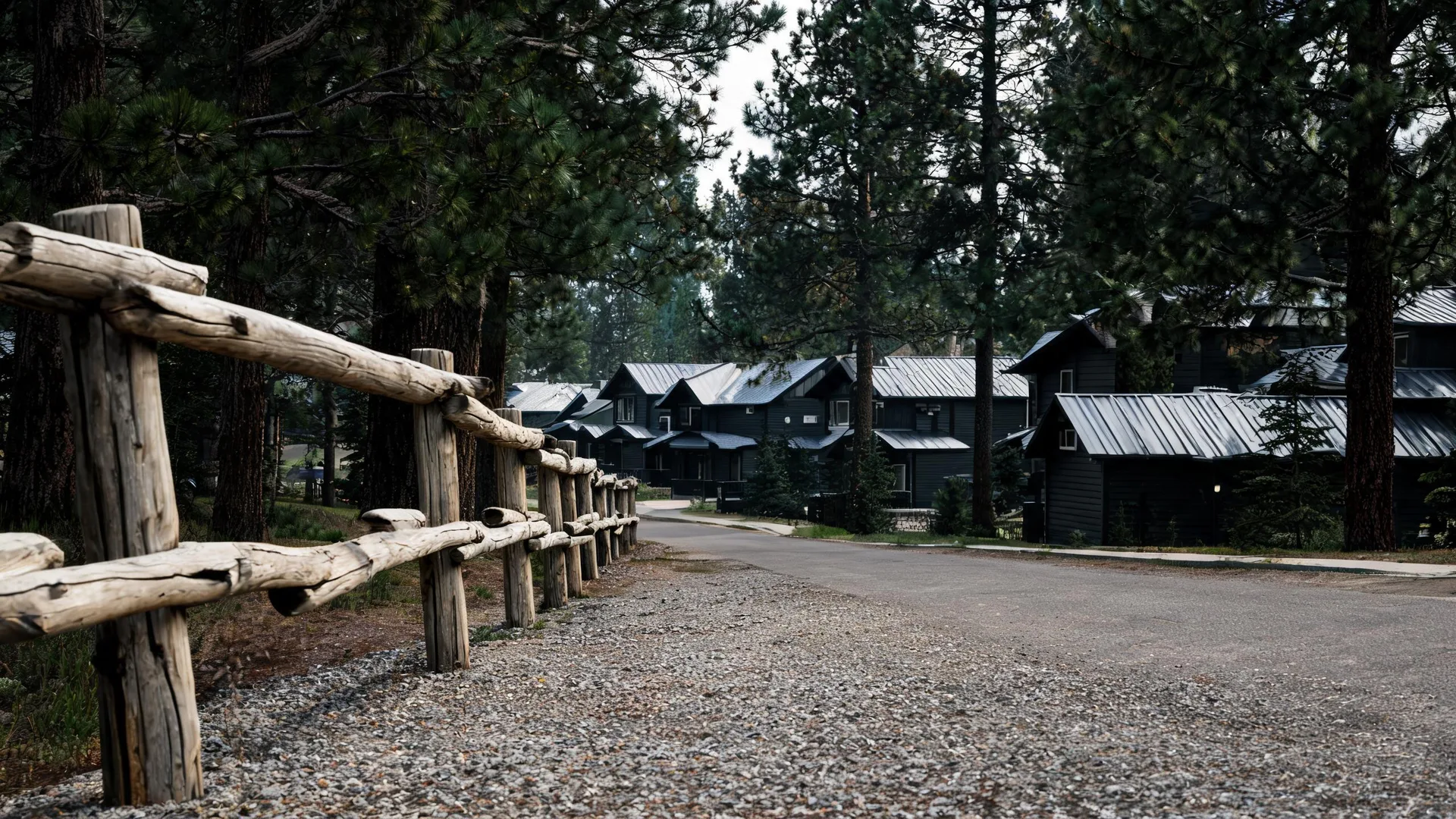


A gravel road bordered by a rustic log rail fence leads past dark-sided houses with metal roofs among tall pine trees.

Furnace Repair in Montrose, CO

Tell us about the job

Takes about a minute. No obligation.

Step 1 of 3: Equipment

Furnaces in Montrose County run from October through May, about eight months of the year. That's most of the year spent heating a house. Add in the winter storms this area gets, 202 of them between 2015 and 2024, and the system never really gets a break. It kicks on more, runs longer, and covers more ground than a furnace in a milder climate would. All that running time wears on the igniter, the blower motor, the pressure switch, whatever part is weakest in your unit. Whatever's going wrong with your furnace right now, it's probably been building for a while.

8 months
October through May, your furnace is on duty
18°F
the average winter night it heats against
62%
of homes here heat with gas, so most furnaces here burn gas
202 winter storms
in ten years, the nights a failure hurts most
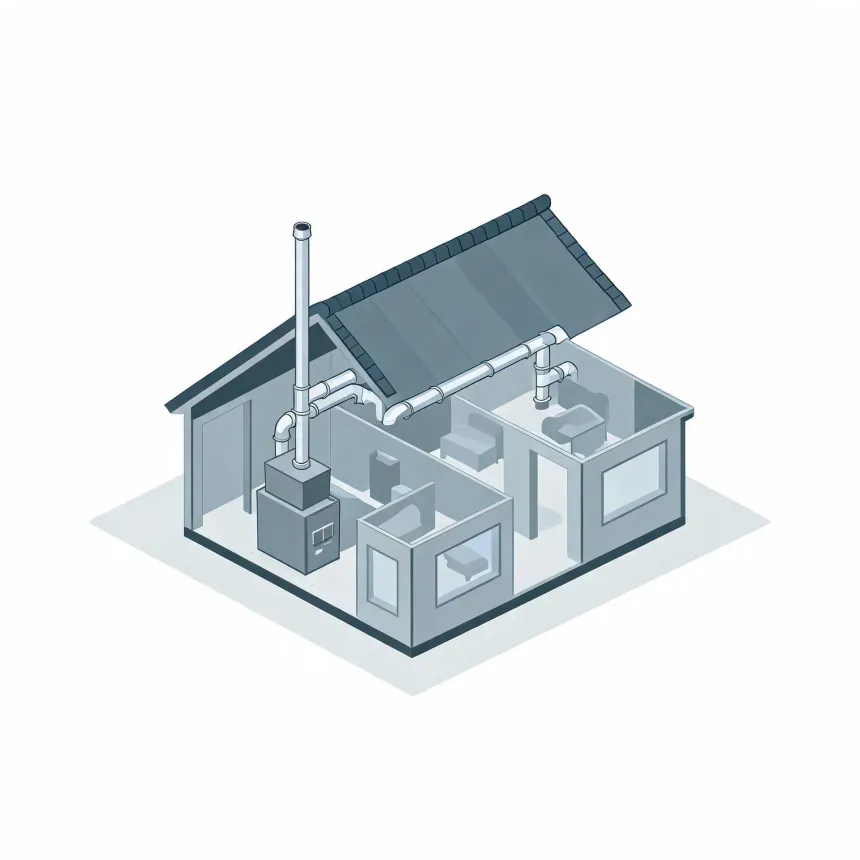
Isometric grayscale illustration of a cutaway house showing an interior furnace with a tall flue pipe and ductwork running to rooms under a partially lifted roof.
Your furnace works hardest from November through March.

NOAA nClimDiv, 1991–2020 normals

Winter storms hit Montrose County 202 times between 2015 and 2024.

A furnace that cycles through weather like that earns a checkup, not just a repair when it quits.

If hail or wind came through, get the furnace looked at even if it's still running

260 severe weather events from 2015 to 2024
13% of homes statewide lost power a day or more in 2024
53 damaging wind events from 2015 to 2024

September is worth paying attention to. Furnaces here sit idle from June through September, then get asked to run every night starting in October. A part that was already marginal, a cracked igniter, a pressure switch on its way out, usually makes it through the summer fine because nothing's asking anything of it. The first cold snap is a different story. That's when the weak part gets found. If your furnace is acting up right at the start of the season, it's not bad luck. It's the first real test the machine has had in months.

Find the part that's actually failing before it takes the rest of the system with it

A furnace that runs eight months a year doesn't give you much warning before something gives out. Get the actual cause checked instead of just patching the symptom, so whatever's weak gets found now and not in the middle of a cold snap.

Find a contractor
A man in a gray t-shirt and tan work pants, seen from behind, climbs concrete steps toward a dark blue front door while carrying a canvas tool bag, with a potted shrub beside the entry.
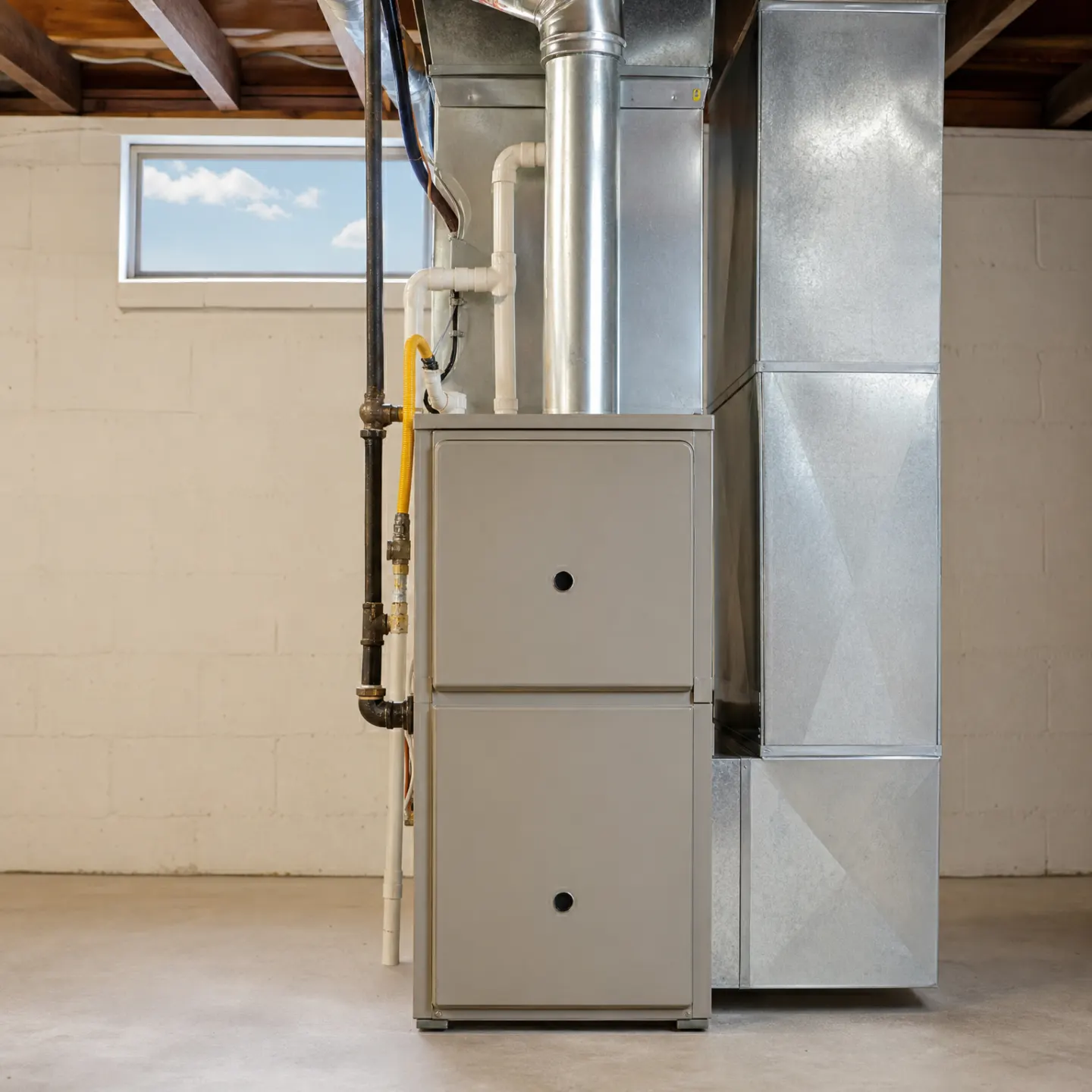
A gas furnace with attached ductwork, gas piping, and condensate lines installed in a concrete-block basement.

A newer furnace is worth fixing, not replacing

If your furnace came with the house and the house is newer, repair is the right call almost every time. A system with years left on it doesn't need replacing because one part failed. Get the failed part fixed and it should carry you through plenty more winters. The only time age works against you is a furnace that's outlasted the house it's in, one that came from a remodel or got swapped in secondhand. If you're not sure how old yours is, whoever comes out to look at it can tell you from the unit itself.

What you can check yourself

Look at the thermostat first. Make sure it's set to heat and the set temperature is actually above room temperature. Check that the furnace switch, the one that looks like a light switch near the unit, is flipped on. Check the breaker it runs on. If you have a gas furnace, make sure the gas valve is open and other gas appliances in the house are working. Pull the filter and hold it up to a light. If you can't see through it, that's worth fixing before anyone comes out, since a clogged filter can cause problems that look like bigger issues.

What to leave alone

Don't take the cabinet apart or go near the burners, the igniter, or the flame sensor. Those need a meter and some training to test safely, and gas components aren't forgiving of guesswork. If you smell gas, don't flip switches or look for the problem yourself. Get out of the house and call the gas company from somewhere else. If your furnace is shutting off on its own repeatedly, that's usually a safety switch doing its job, not a glitch to reset around. Note what you saw and heard before it shut down. That's useful information for whoever comes to look at it.

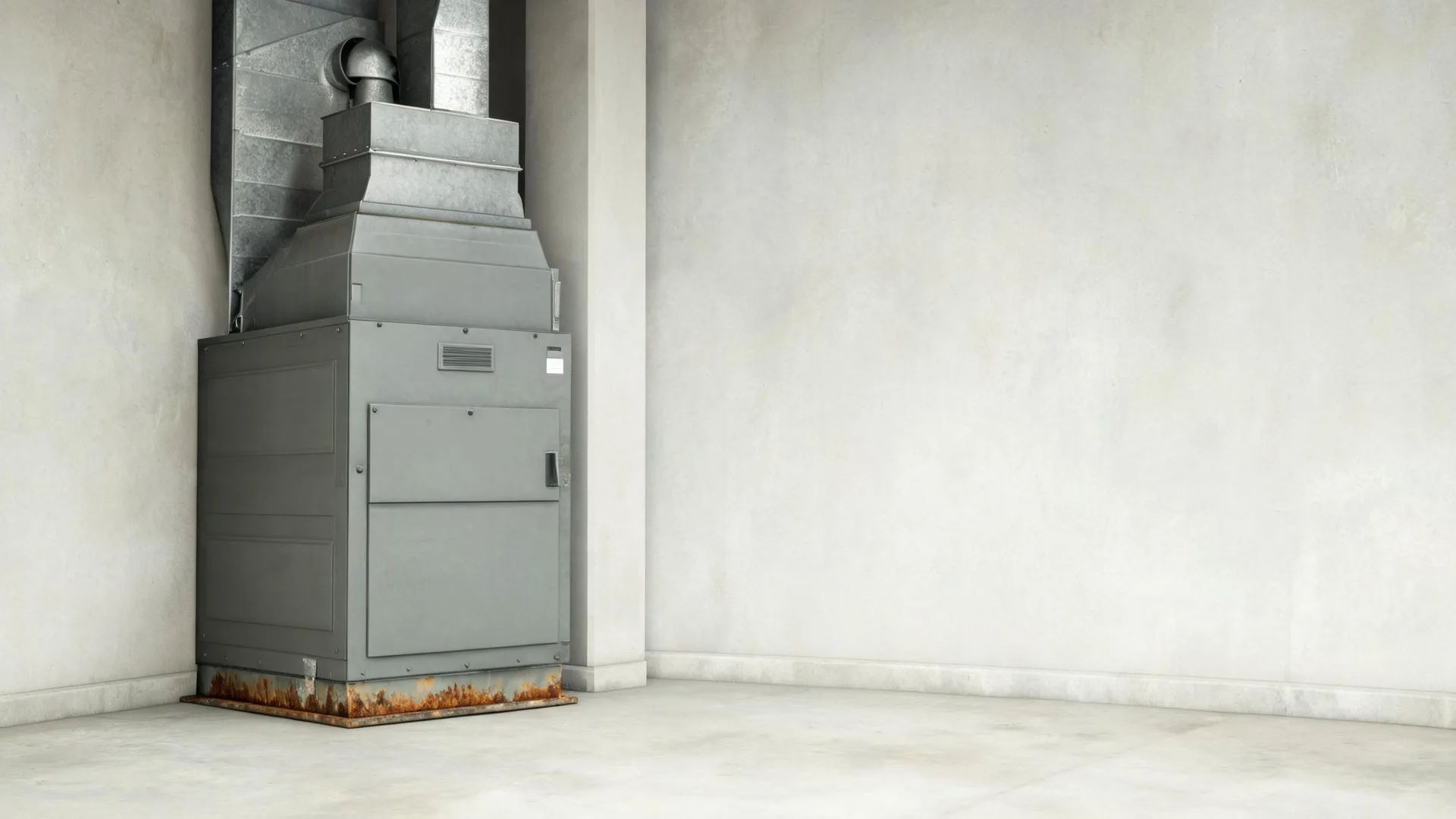
An unfinished basement featuring a forced-air furnace, exposed wooden ceiling joists, bare concrete walls, and miscellaneous items including cardboard boxes and coiled cables on the floor.

A new furnace would cut about $100 a year off heating for a typical Montrose County home.

  • A new high-efficiency furnace$420 a year
  • An older furnace$520 a year

Estimates for a typical Montrose County home, compared with an older unit built to the previous federal minimum, from EIA household energy data, Colorado fuel prices and NOAA climate normals. Your home will differ.

Repair makes sense when one part has failed and the heat exchanger is sound.

Replacement makes sense when the heat exchanger is cracked or the furnace keeps needing parts.

A diagnostic visit starts before any panel comes off. Whoever comes out will ask what the furnace was doing, short cycling, not igniting, blowing cold air, and when it started. Then they'll run it and watch the sequence: does it call for heat, does the igniter glow or spark, does the gas valve open, does the blower kick in on time. Each step either happens the way it should or it doesn't, and that tells them where to look. From there it's a meter on the parts that can't be checked by eye, the flame sensor, the pressure switch, the control board, to find which one is out of range. The goal isn't to replace parts until something works. It's to find the one thing actually causing the problem and leave the rest of the system alone.