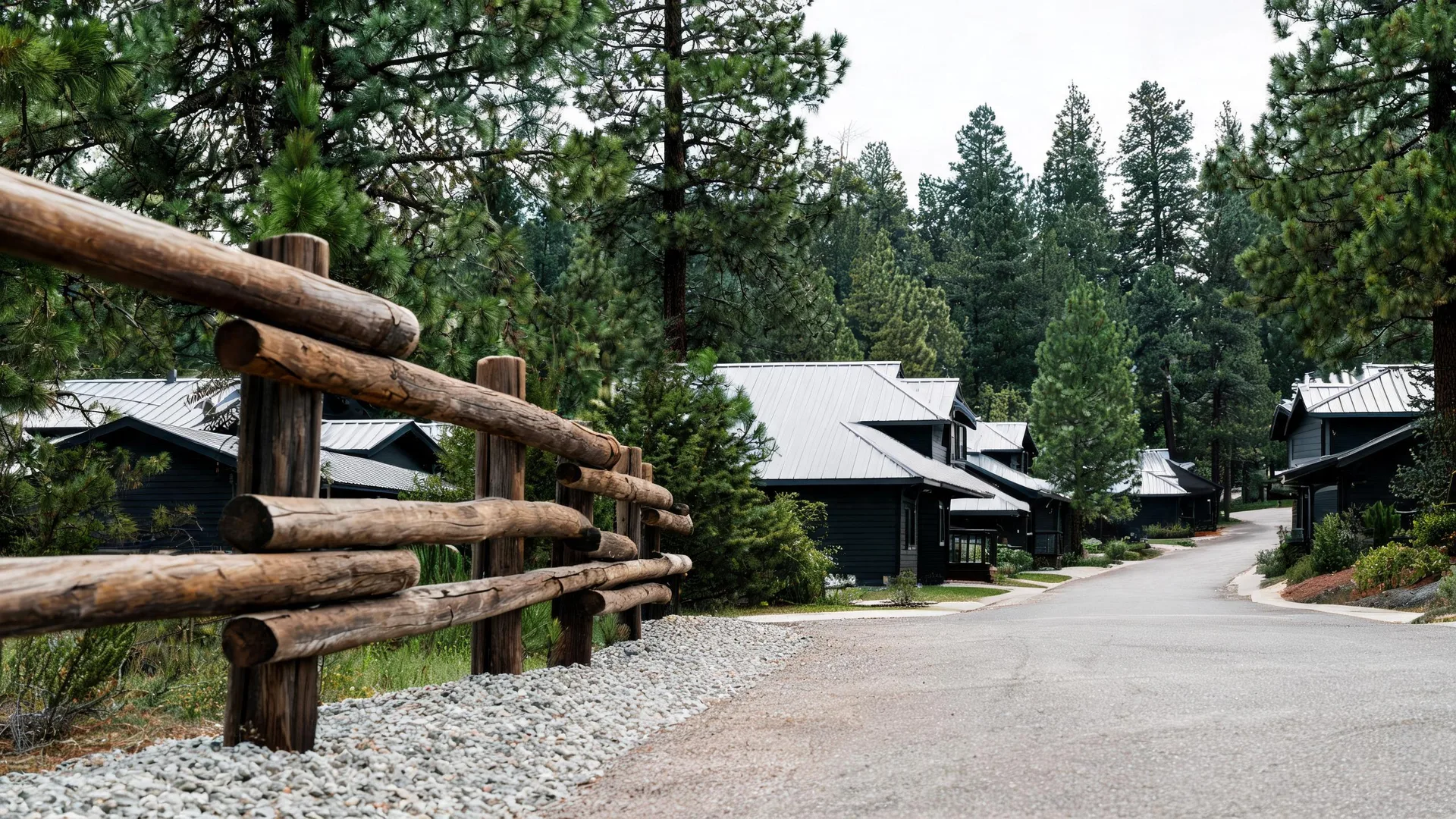
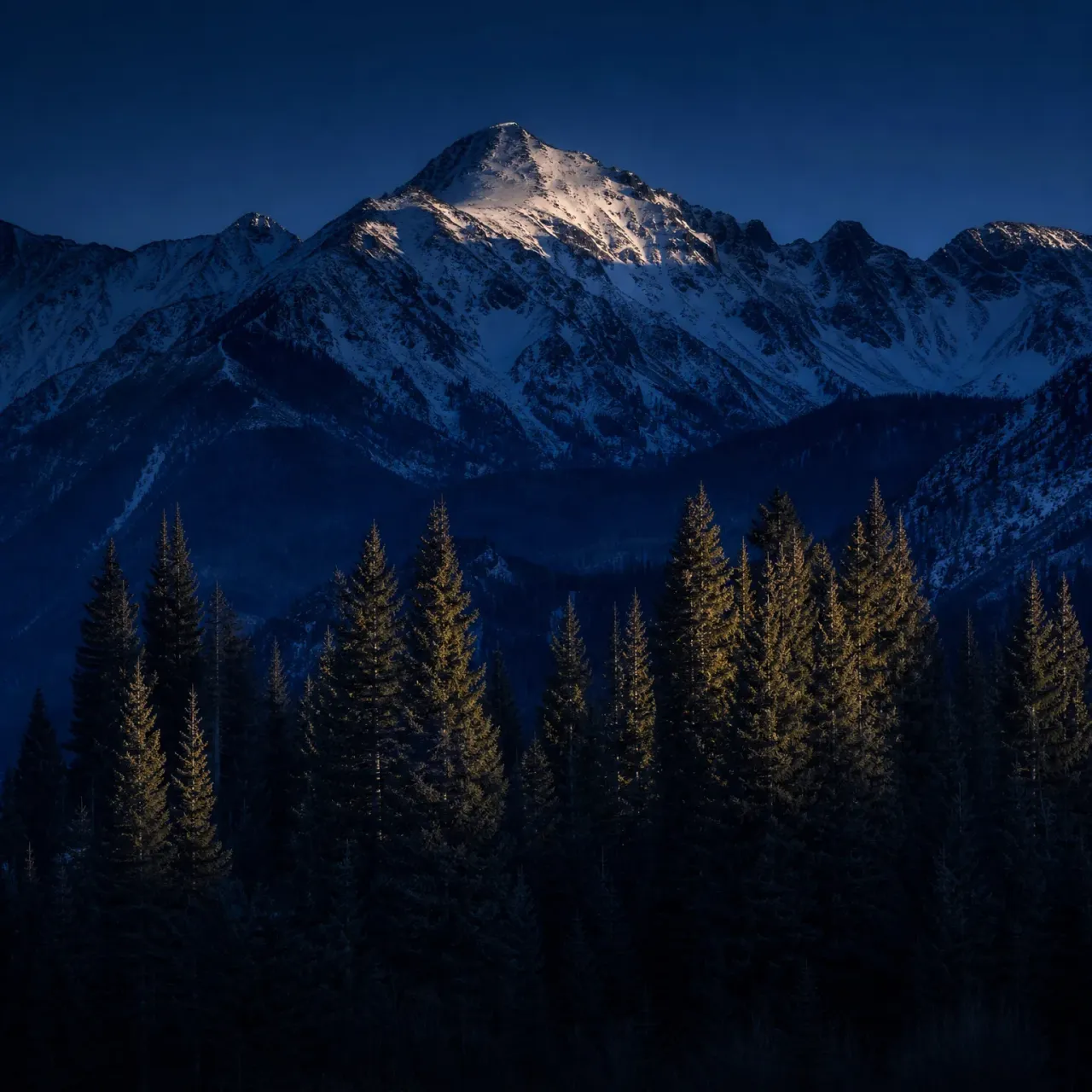
A wooden log rail fence beside a gravel shoulder and paved road lined with dark-sided houses with metal roofs, surrounded by tall pine trees.

Furnace Repair in Monte Vista, CO

Tell us about the job

Takes about a minute. No obligation.

Step 1 of 3: Equipment

A furnace in Rio Grande County doesn't get the summer off. It runs here in every month of the year. Overnight lows average 7°F through December, January and February, and the burner has to answer for that night after night. Winter storms hit this county 199 times between 2015 and 2024, and each one means the system cycling hard for hours straight. That kind of workload wears on an igniter or a blower motor faster than it would somewhere milder. Whatever's acting up on your furnace right now, it's worth having someone diagnose it properly rather than guess.

7°F
the average winter night it heats against
199 winter storms
in ten years, the nights a failure hurts most
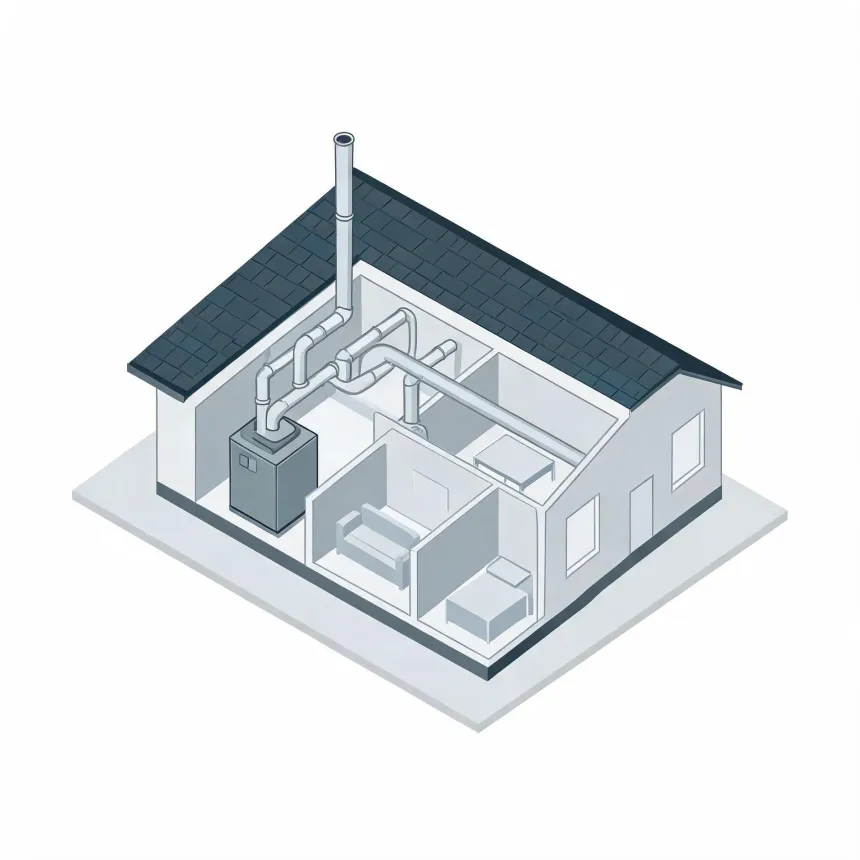
Isometric cutaway illustration of a single-story house showing a gray furnace connected to white ductwork and a flue pipe extending through the shingled roof, with simplified furniture in the interior rooms.
Your furnace works hardest from November through April.

NOAA nClimDiv, 1991–2020 normals

A paragraph above already covers the storm counts and the outdoor vent check after wind or debris.

Check what's left: the outdoor unit itself. Hail or flying debris can dent a cabinet or bend fins without stopping the furnace from running, so a check after a bad storm catches what a quick look from inside won't.

At $10.09 per million Btu, a furnace that's struggling burns money every time it fires

Winter nights average 7°F
199 winter storms from 2015 to 2024
Climate zone 7

A furnace that's not running right doesn't just stop heating well, it runs longer to make up for it. Here that difference shows up fast. Natural gas ran $10.09 per million Btu across Colorado in 2024, and a furnace firing more than it should is spending that money every day it's left alone. A clogged burner, a bad igniter, a thermostat that's lost its accuracy, all of them make the system work to cover for the problem. Waiting it out through the rest of winter means paying that difference for months. Getting it looked at now is the only way to stop it.

Get the cause found, not just the symptom

A furnace that's working this hard doesn't give much warning before something gives out. Whatever's acting up on yours right now is worth a real diagnosis, not a guess, so the fix holds through the rest of winter.

Find a contractor
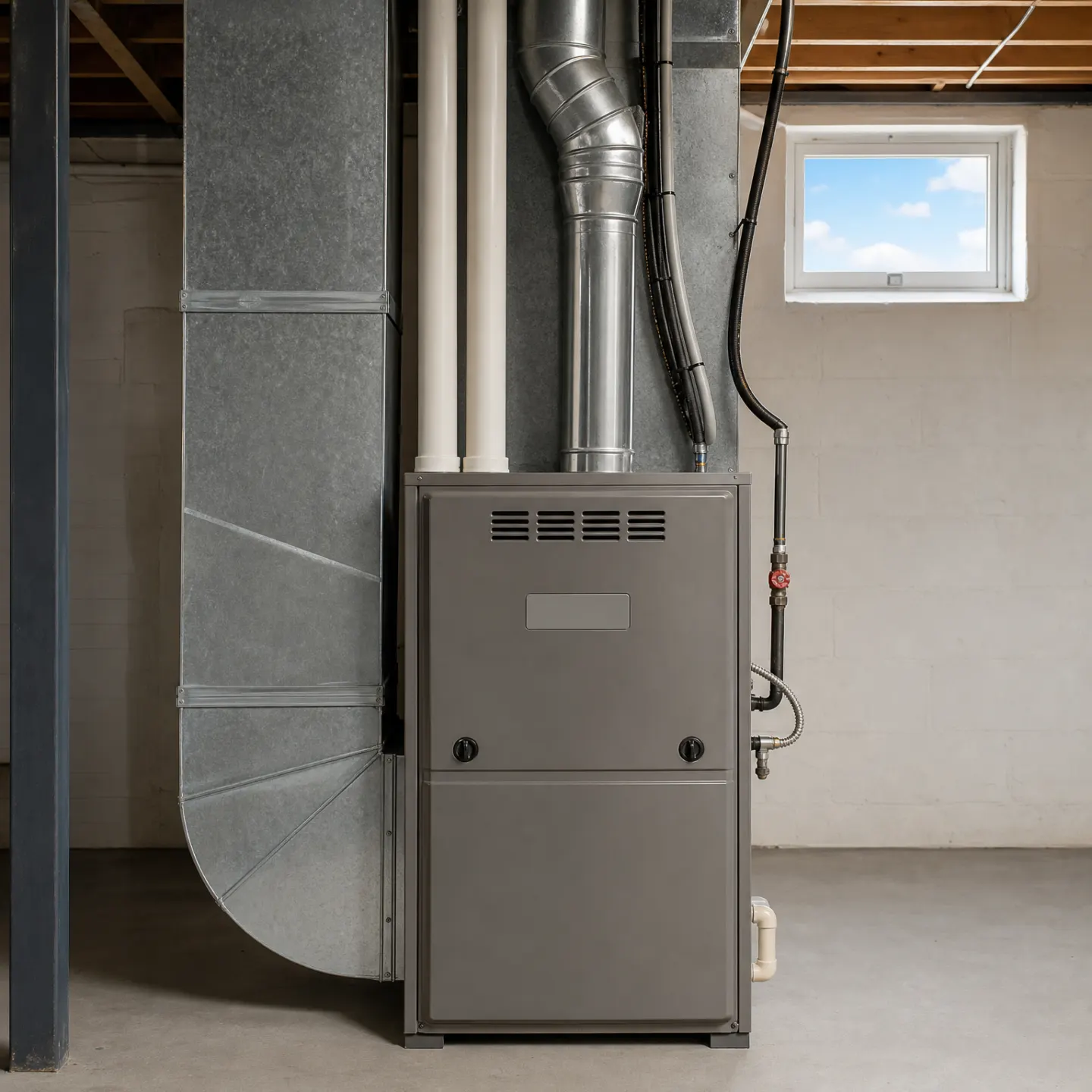
A gray residential gas furnace installed in an unfinished basement, surrounded by ductwork, a metal flue pipe, and a gas supply line.

What actually wears out

Most furnace failures trace back to a handful of parts, and they tend to go in order. The igniter is usually first. It heats up to light the burners every single cycle, and that filament wears a little every time it fires. Eventually it cracks or stops drawing enough current to glow hot enough, and the furnace won't light at all. The flame sensor goes next in line. It's a thin metal rod that proves to the control board the burners actually lit, and over time it builds up a coating that keeps it from sensing the flame, so the system shuts itself down a few seconds after startup as a safety measure. The blower motor wears on its bearings from running hour after hour, and a motor on its way out usually tells you first, with a squeal, a rattle, or a hum that doesn't turn into airflow. The inducer motor, which pulls exhaust out ahead of the burners lighting, fails the same way. Pressure switches stick or go bad from the same cycling that wears everything else, and a stuck switch will keep the furnace from starting even though nothing else is wrong. None of these parts fail because of one bad night. They fail because they do the same job over and over, cycle after cycle, for years, and eventually something that heats, spins or senses stops doing it reliably.

A crack doesn't heal on its own

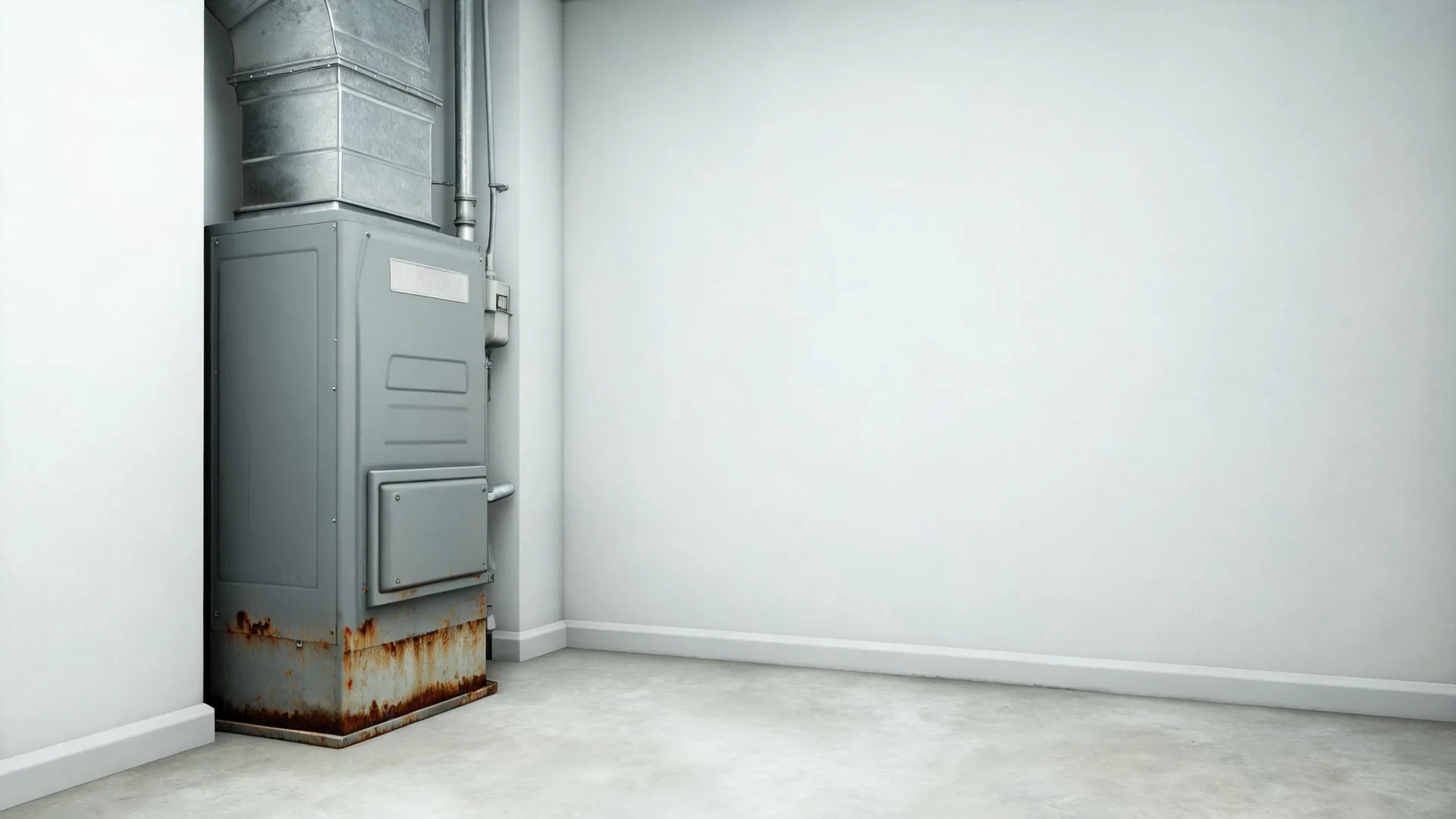
A cracked heat exchanger or a failing igniter does not get better because the furnace keeps firing. Heat stresses the metal more each cycle, and a hairline crack spreads a little further every time the burners light and cool back down. The same goes for a pressure switch that's starting to stick. It may let the furnace start nine times out of ten, until one cold morning it doesn't.

A small problem can take out a bigger part

A dirty flame sensor just needs cleaning. Left alone, the furnace keeps shutting down mid-cycle trying to protect itself, and that repeated short-cycling puts extra wear on the blower motor and the control board that didn't cause the original problem. What starts as a ten minute fix turns into replacing a part that was never the issue to begin with.

An unfinished basement containing a forced-air furnace with metal ductwork, exposed wooden ceiling joists, a hanging Edison bulb, and bare concrete floors.

A new furnace would cut about $150 a year off heating for a typical Rio Grande County home.

  • A new high-efficiency furnace$580 a year
  • An older furnace$730 a year

Estimates for a typical Rio Grande County home, compared with an older unit built to the previous federal minimum, from EIA household energy data, Colorado fuel prices and NOAA climate normals. Your home will differ.

Repair makes sense when one part has failed and the heat exchanger is sound.

Replacement makes sense when the heat exchanger is cracked or the furnace keeps needing parts.

If your furnace vents through an outside wall, or pulls combustion air from outside, check that spot after any bad storm. Wind can drive debris into a vent hood or crack a line you won't see from inside, and the furnace can keep firing for a while before that turns into a real problem. Damaging wind hit this county 52 times between 2015 and 2024, and winter storms hit it 199 times, so that outdoor vent has taken a beating more than once. A power outage is worth a look too. Statewide, 13% of Colorado households lost power for a day or more in 2024, and a furnace that shut down hard and restarted cold afterward is worth mentioning when you get it checked, even if it seems to be running fine now.