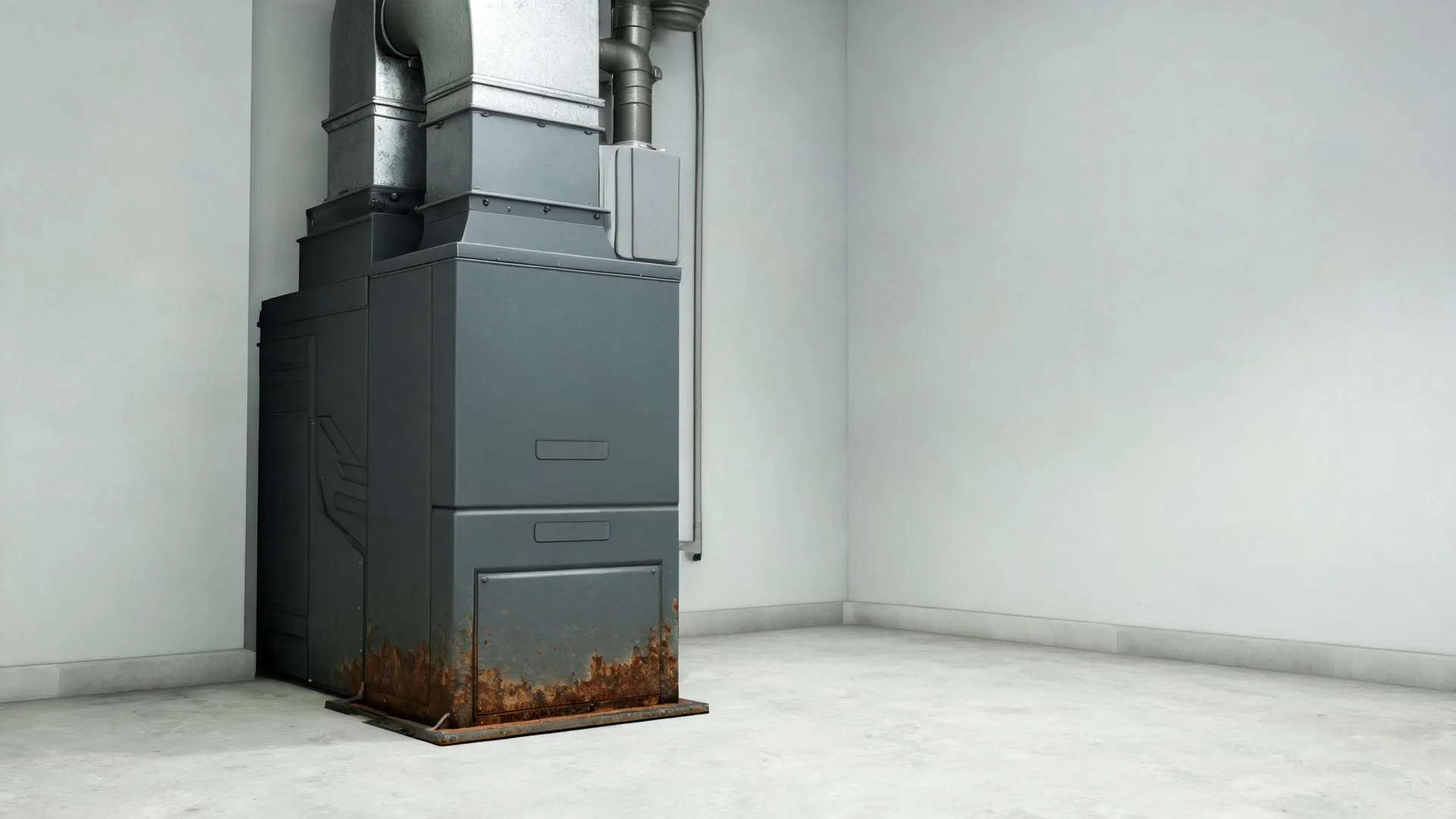
An unfinished basement featuring concrete block walls, exposed floor joists, a bare concrete floor, and a forced-air furnace with a large metal exhaust duct in the corner.

Furnace Repair in Colorado Springs, CO

Tell us about the job

Takes about a minute. No obligation.

Step 1 of 3: Equipment

Storms hit this county often

El Paso County logged 1,277 severe weather events between 2015 and 2024, including 717 hail events, 324 damaging wind events and 10 tornadoes. A furnace itself sits indoors, but the vent and the outdoor power supply it depends on don't get that shelter.
Power doesn't always hold

13% of Colorado households went at least 24 hours without power in 2024. A gas furnace still needs electricity to run the blower and the ignition control, so a long outage stops it no matter how much gas is in the line.

9 months
September through May, your furnace is on duty
17°F
the average winter night it heats against
69%
of homes here heat with gas, so most furnaces here burn gas
223 winter storms
in ten years, the nights a failure hurts most
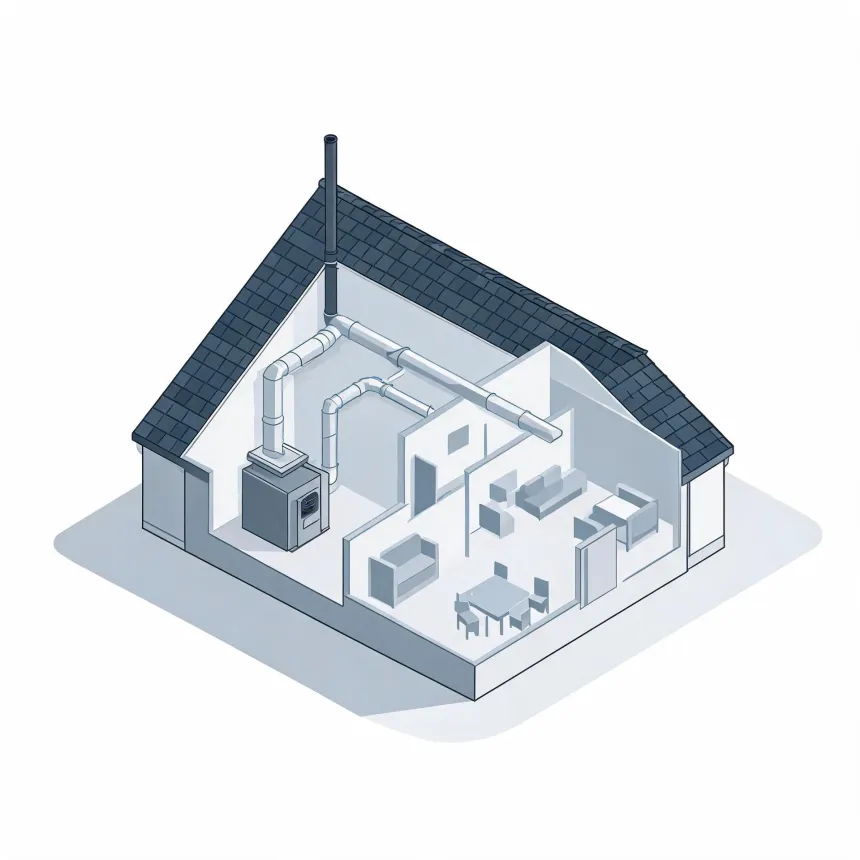
Isometric cutaway illustration of a house with a shingled gable roof, showing a gray furnace unit connected to overhead ductwork and a chimney flue, with simplified furniture in the rooms below.
Your furnace works hardest from November through April.

NOAA nClimDiv, 1991–2020 normals

Furnaces here run from September through May.

Nine months of work a year wears parts down faster, and that's usually what's behind the call.

Nine months of heat starts in September, and that's when a weak part fails

Heat runs September through May
Winter nights average 17°F
223 winter storms from 2015 to 2024
Your furnace is probably younger than you thinkHalf the homes in El Paso County were built in 1989 or later.

A furnace that's running most of the year and getting hit with a winter storm on top of it is a furnace that needs a real diagnosis, not a guess. Ice and heavy snow put a strain on the vent and the outdoor power supply before they ever touch the unit itself, so a technician checking yours should be looking past the cabinet, not just inside it. If a part is already worn down from nine months of runtime, a hard freeze or a power blip is often what finally makes it quit. Get the actual cause found and fixed, since a repair that only addresses the symptom tends to fail again at the next storm.

If a storm knocked out your furnace, get it checked, not just restarted

If your furnace quit during or after a storm, don't assume the cold did it. Hail and wind can knock loose a vent connection or knock out the power supply the blower depends on, and the furnace itself never has to be touched. A technician can check both along with the unit before calling it fixed.

Find a contractor
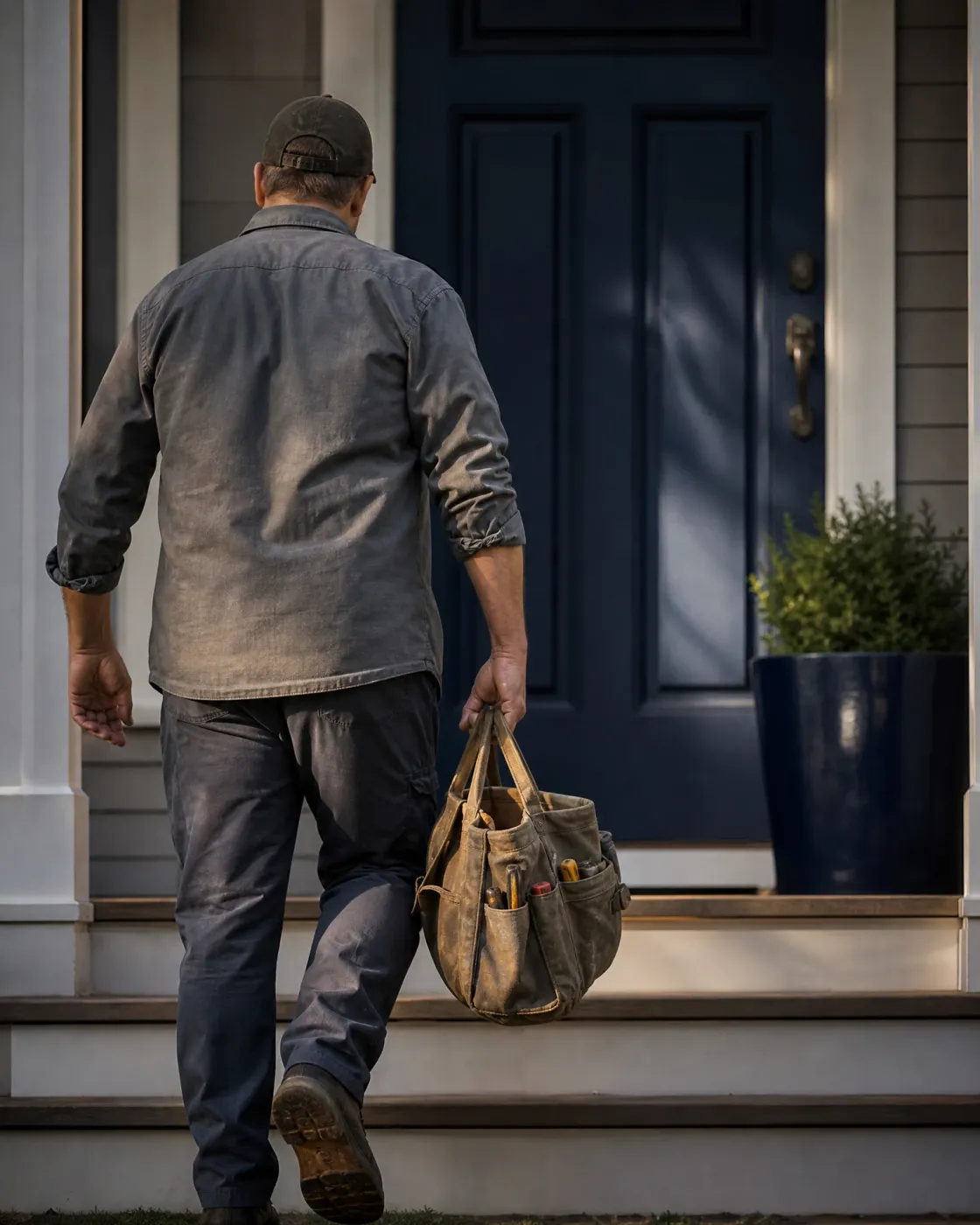
A man in a cap, gray work shirt and dark pants, seen from behind, carries a worn canvas tool bag up porch steps toward a dark navy front door beside a potted shrub.
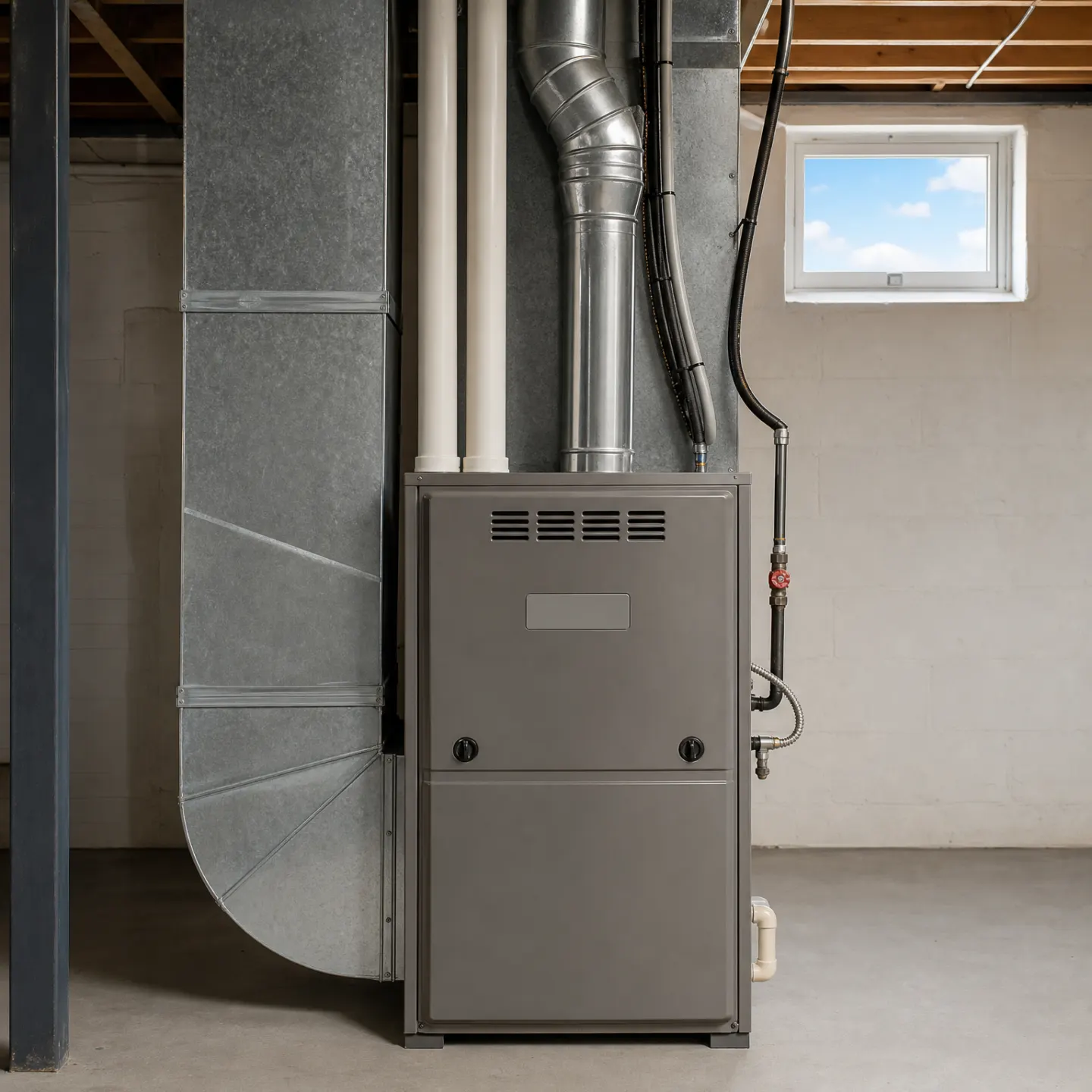
A gray residential gas furnace installed in an unfinished basement, surrounded by ductwork, a metal flue pipe, and a gas supply line.

If your furnace is still young, fix it

A furnace built with a newer house usually hasn't logged enough years to be failing on its own. If yours came with the house, there's a good chance it still has plenty of life in it. Check the installation date on the unit or in your paperwork before you assume it needs to be replaced instead of repaired. A worn igniter or a bad flame sensor is a repair either way, but a younger system makes that repair the clear call.

A crack in the heat exchanger gets worse with every cycle

Metal that's already cracked flexes again each time the burners fire and the blower pushes air across it. What starts as a hairline split can open further, and that's the one failure inside a furnace that isn't worth running another cycle on. If a technician finds this, the furnace needs to stay off until it's replaced or repaired.

A struggling blower motor can burn out instead of just slowing down

A motor drawing too much current because a bearing is going bad doesn't fix itself by running longer. It heats up, the windings break down, and a motor that might have been repaired gets replaced instead. Shutting it down when you first hear the grinding or squealing saves more than waiting to see if it clears up.

An unfinished concrete basement containing a gas furnace with sheet-metal ductwork, utility shelving, and exposed overhead joists.

A new furnace would cut about $100 a year off heating for a typical El Paso County home.

  • A new high-efficiency furnace$410 a year
  • An older furnace$510 a year

Estimates for a typical El Paso County home, compared with an older unit built to the previous federal minimum, from EIA household energy data, Colorado fuel prices and NOAA climate normals. Your home will differ.

Repair makes sense when one part has failed and the heat exchanger is sound.

Replacement makes sense when the heat exchanger is cracked or the furnace keeps needing parts.

A diagnostic visit starts before any panel comes off. A technician will ask what the furnace was doing right before it quit, whether you heard a sound, smelled anything, or saw an error code blinking on the control board. Then they check power and gas are actually reaching the unit, since a tripped breaker or a closed gas valve looks like a dead furnace but isn't a furnace problem at all. From there it's the sequence of operation: does the inducer motor start, does the igniter glow or spark, does the gas valve open, does the flame sensor see a flame and let it keep burning. Whatever step breaks the chain is where the real problem is. A technician should be able to point to that step and explain it, not just tell you a part is bad and move on.