Stone and timber luxury homes with glowing windows line a mountain street at dusk, with evergreen trees and a rocky mountain range in the background.

Furnace Repair in Trinidad, CO

Tell us about the job

Takes about a minute. No obligation.

Step 1 of 3: Equipment

Las Animas County sees its share of rough weather. Winter storms, the kind that bring heavy snow, ice or blizzard conditions, hit the county 166 times between 2015 and 2024. Damaging wind came through 151 times in that same stretch, and hail fell 65 times. Eight tornadoes touched down too. That adds up to 390 severe weather events, and each one is a chance for a furnace or the power line feeding it to take a hit. Across Colorado, 13% of households lost power for a day or more in 2024. A furnace with a cracked cabinet or storm damage you can't see from the outside may still run for a while before it fails.

8 months
October through May, your furnace is on duty
20°F
the average winter night it heats against
166 winter storms
in ten years, the nights a failure hurts most
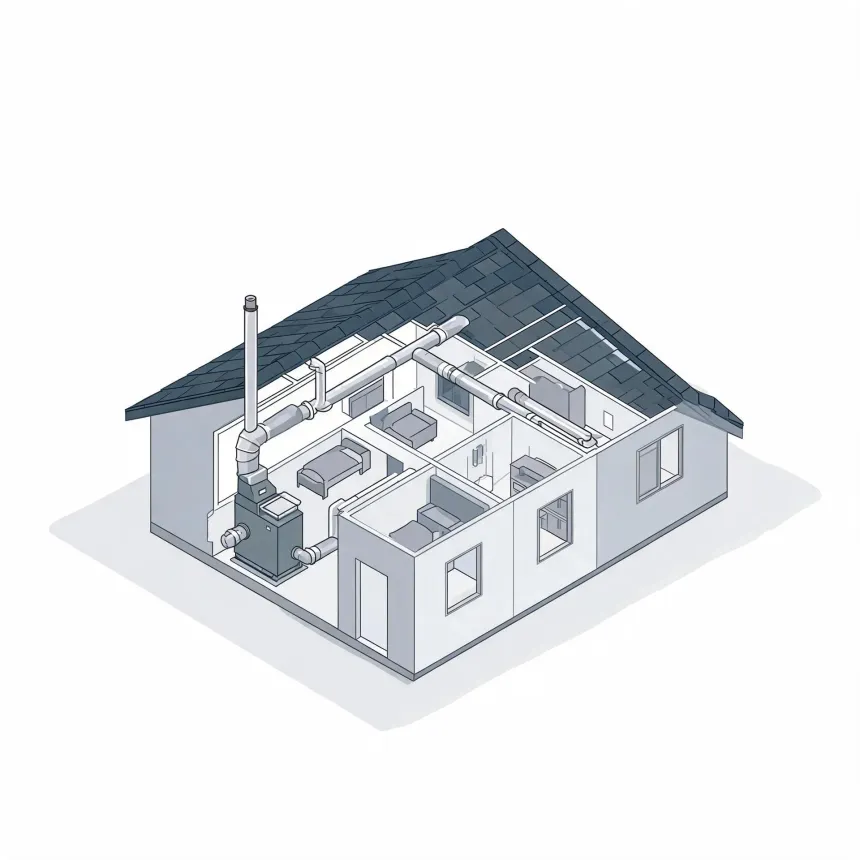
Isometric cutaway illustration of a single-story house showing interior rooms with furniture, ceiling ductwork, a furnace unit with a tall flue pipe, and a dark shingled roof.
Your furnace works hardest from November through March.

NOAA nClimDiv, 1991–2020 normals

Your furnace runs about eight months a year here, October through May.

That long a stretch gives small problems time to turn into a breakdown on the coldest night.

Furnace trouble shows up first in October, when the system switches back on

Heat runs October through May
Winter nights average 20°F
166 winter storms from 2015 to 2024

Half the homes in Las Animas County were built in 1972 or earlier. A furnace that came with a house that age has likely been replaced once already, maybe twice, and whatever is running now may be on borrowed time. If a repair bill comes in high, it's worth asking the contractor how many years are left in the unit, not just what the fix costs today. A furnace near the end of its life tends to need more repairs, not fewer, and each one is a smaller version of the same question. Nothing about a home's age tells you what's inside its walls or ducts, but it does tell you how long that furnace has likely been doing the job.

If a storm came through, don't wait for the furnace to prove it

A furnace that took a hit from hail or wind damage does not always fail right away. If a storm came through and the furnace or the line feeding it has been acting strange since, get it looked at now rather than waiting for a cold night to find out.

Find a contractor
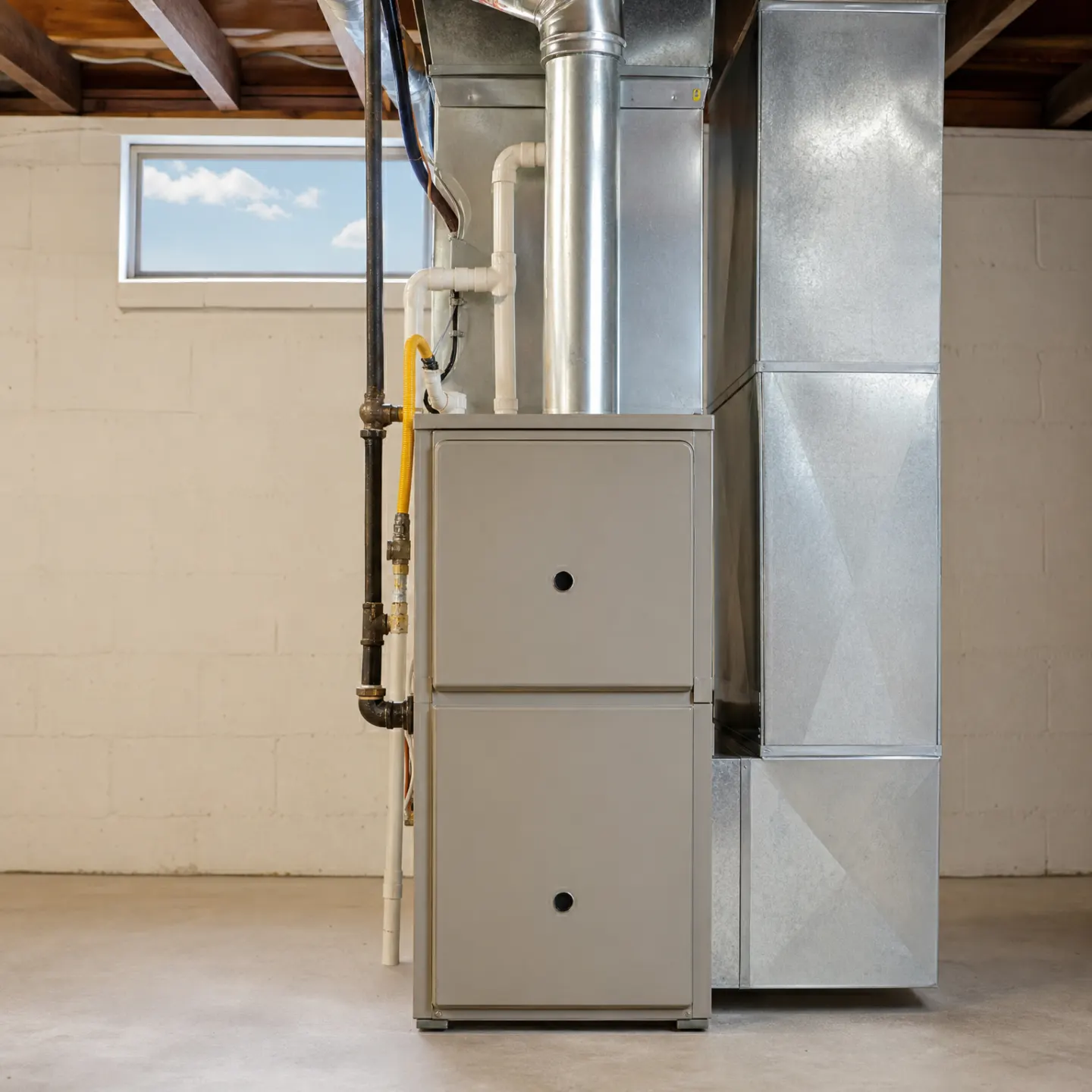
A gas furnace with attached ductwork, gas piping, and condensate lines installed in a concrete-block basement.

Eight months of runtime adds up to more than most places see

Eight months of heat calls for a lot of cycles, and every storm on top of that is another jolt to a system already working. The wear doesn't always show itself as a breakdown. Sometimes it's a longer run time, a pilot light that won't hold, or a blower that kicks on louder than it used to. Get those looked at when you notice them instead of waiting for the unit to quit outright. A tech who sees the furnace now, while it's still running, has a much easier time finding the actual cause than one who gets called out after it's already dead on a cold morning.

The sounds that mean something's wrong

A furnace that bangs when it starts is usually dealing with dirty burners, where gas builds up for a second before it lights. Rattling points to a loose panel or a blower wheel coming off balance. Screeching usually means a motor bearing is going. A furnace that used to run quiet and now doesn't is already telling you something.
When it runs but doesn't keep up

A furnace that cycles on and off every few minutes, short cycling, is often overheating and shutting itself down before it finishes a heating cycle. One that runs long and steady but never quite warms the house may have a clogged filter choking airflow, or a heat exchanger that's cracked and tripping a safety switch. Either way, the furnace working harder than usual is the sign, not the thermostat setting.

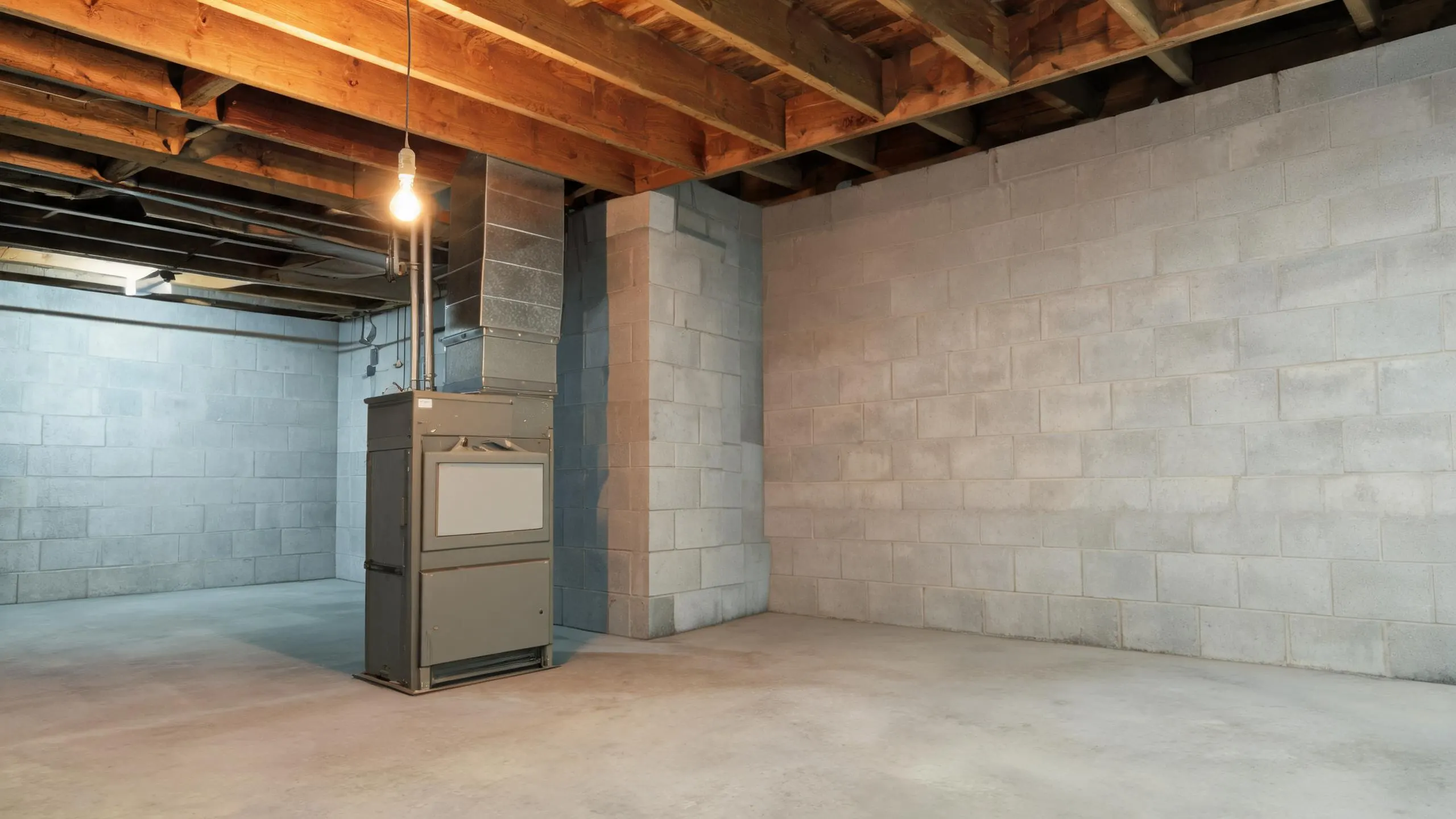
An unfinished basement featuring concrete block walls, exposed floor joists, and a metal forced-air furnace with ductwork near a central pillar.

A new furnace would cut about $90 a year off heating for a typical Las Animas County home.

  • A new high-efficiency furnace$350 a year
  • An older furnace$440 a year

Estimates for a typical Las Animas County home, compared with an older unit built to the previous federal minimum, from EIA household energy data, Colorado fuel prices and NOAA climate normals. Your home will differ.

Repair makes sense when one part has failed and the heat exchanger is sound.

Replacement makes sense when the heat exchanger is cracked or the furnace keeps needing parts.

A diagnostic visit starts before the panel comes off. The tech will ask what the furnace is doing, when it started, and whether it happens on every cycle or just some. Then the cover comes off and they watch it run through a full cycle, start to finish, because some problems only show up at ignition and others only show up once the blower kicks on. They'll check the flame, which should burn steady and blue, not yellow or flickering. They'll pull the filter and look at the pressure switches and the limit switch, since those are what shut a furnace down to protect it. If the burners are dirty or the flame sensor is coated, that often shows up right away. A cracked heat exchanger takes more work to confirm and may mean a camera run through the unit. By the end, the tech should be able to say what's failing and what it takes to fix it, not just that something is.