

What the cold actually does to a heat pump here
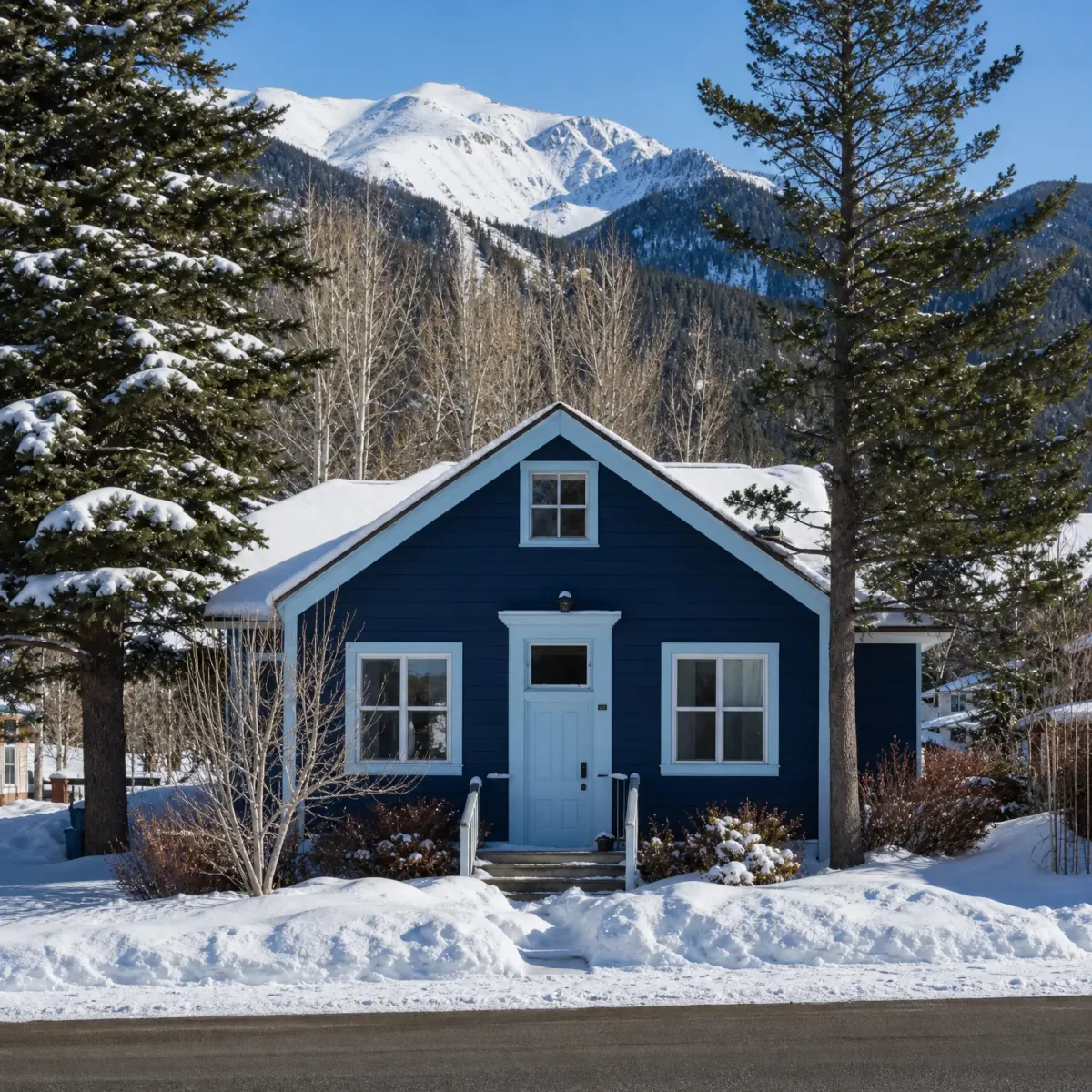
Winter in Teller County is the whole question. The heat runs eleven months a year, and the overnight low averages 10°F through December, January and February. That's not an occasional cold snap. It's the normal night.
A standard heat pump starts losing ground well before it gets that cold. Below 40°F it puts out less heat than its rating says. Below about 35°F it often needs backup heat to make up the difference. Here, every single night that drops to freezing or below, about 225 of them a year, is already past both marks. The average winter night doesn't brush up against the edge of what a heat pump handles well. It sits well past it.
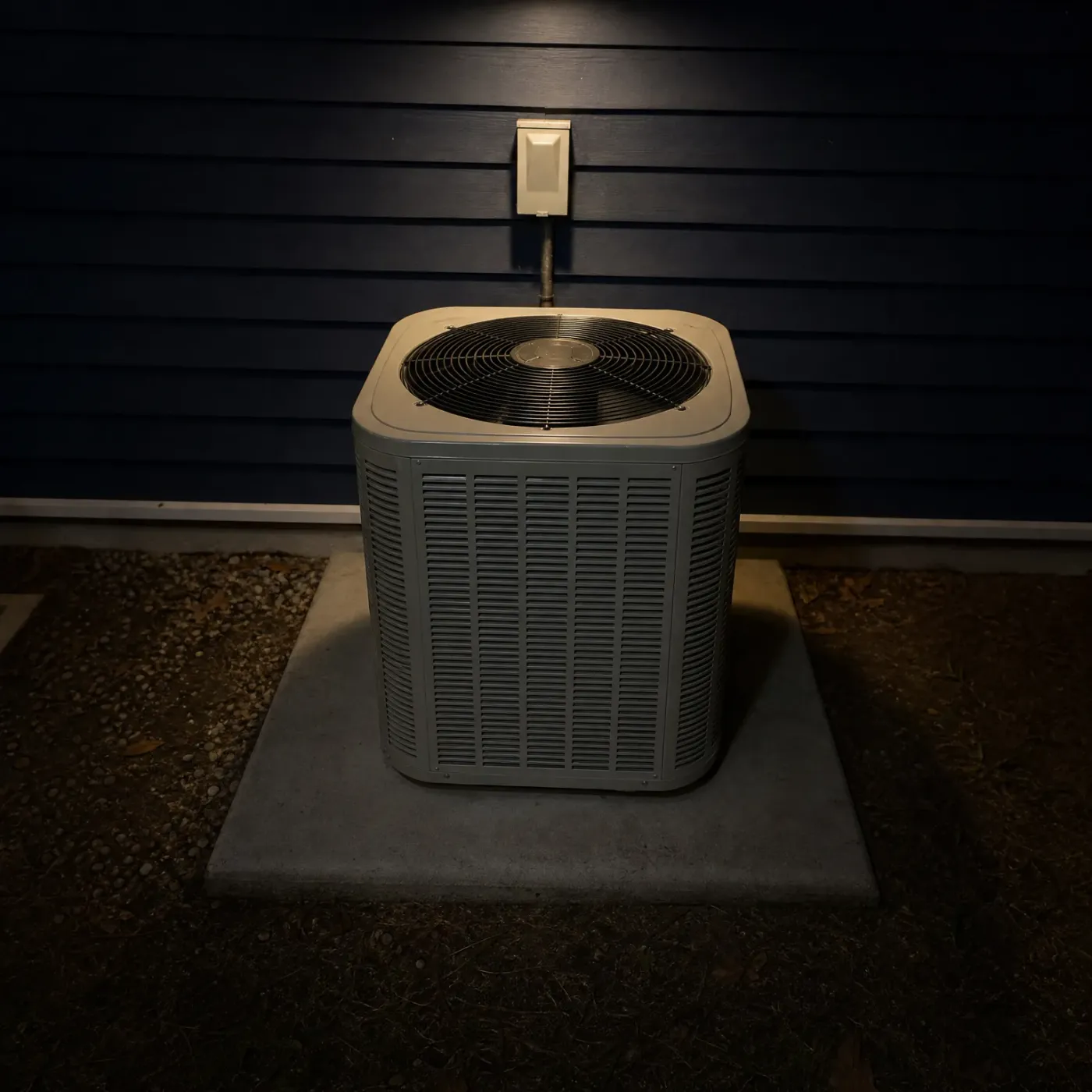
About 25 nights a year here reach 0°F or colder. That's the range where a standard heat pump is putting out only a fraction of its rated heat, and leaning hardest on backup. Cold climate heat pumps are built for this. To earn the ENERGY STAR Cold Climate label, a heat pump has to keep at least 70 percent of its 47°F heating capacity at 5°F and still produce 1.75 units of heat per unit of electricity at that temperature, verified by outside testing, not the manufacturer's own numbers. Field tests of prototype cold-climate models back this up: backup heat covered only a small share of the load between 0°F and 35°F, and running on backup alone was rare even above 0°F. The gap between a standard heat pump and a cold-climate one matters most in a county where more than half the nights of the heating season are at or below freezing.